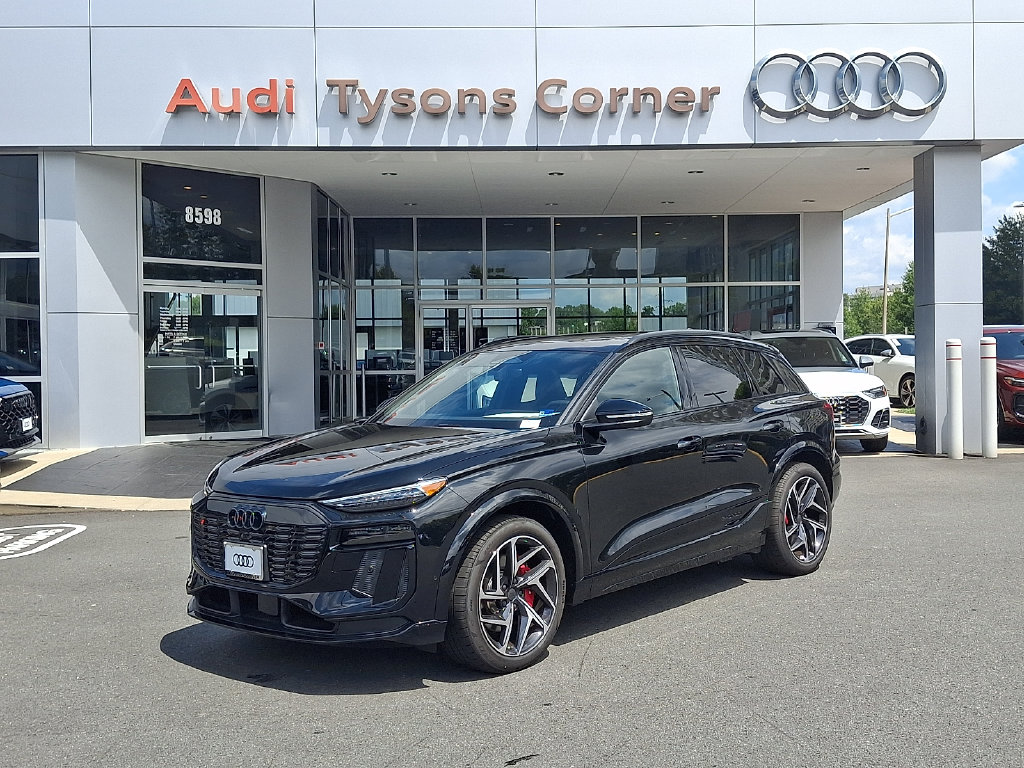
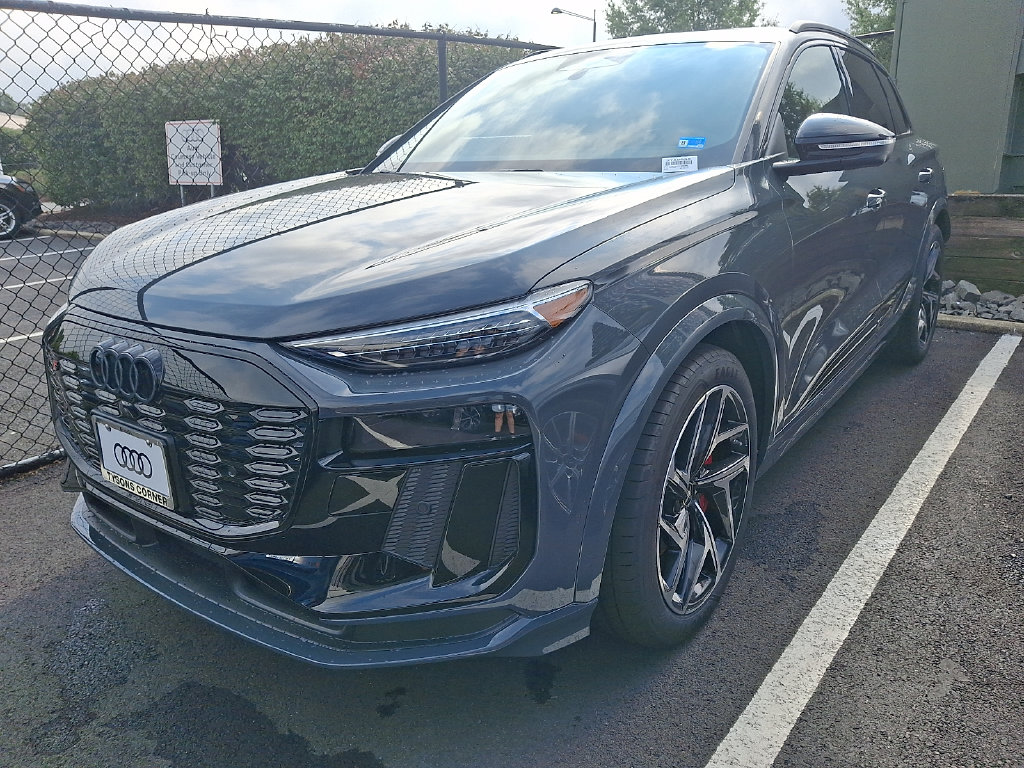
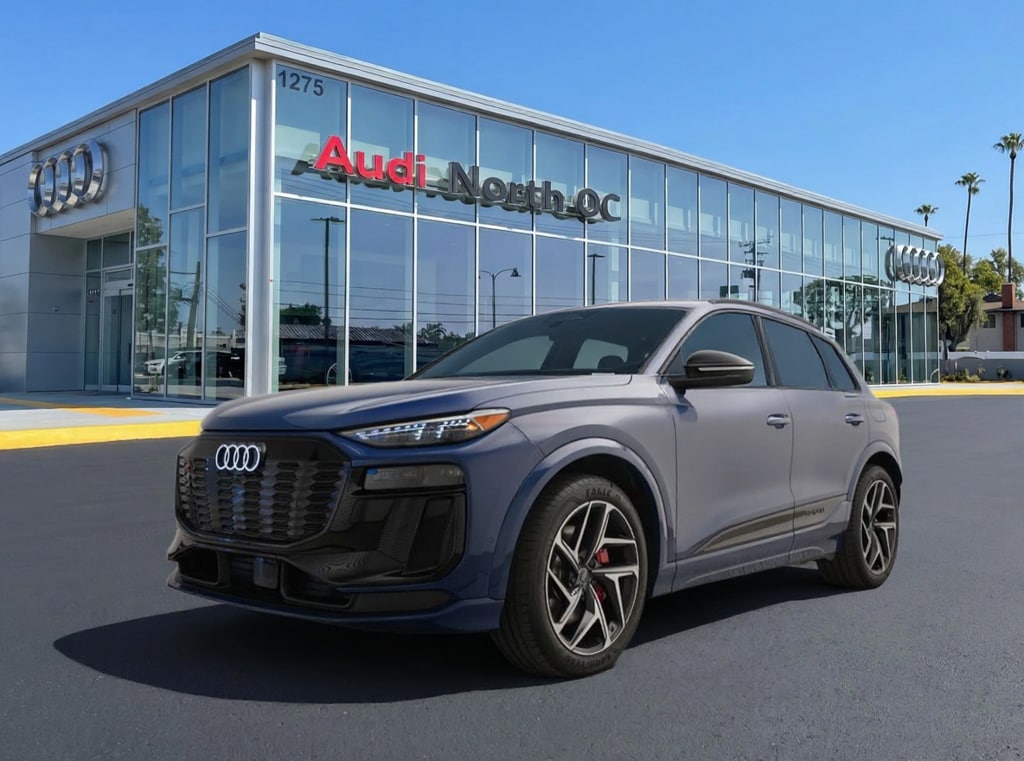
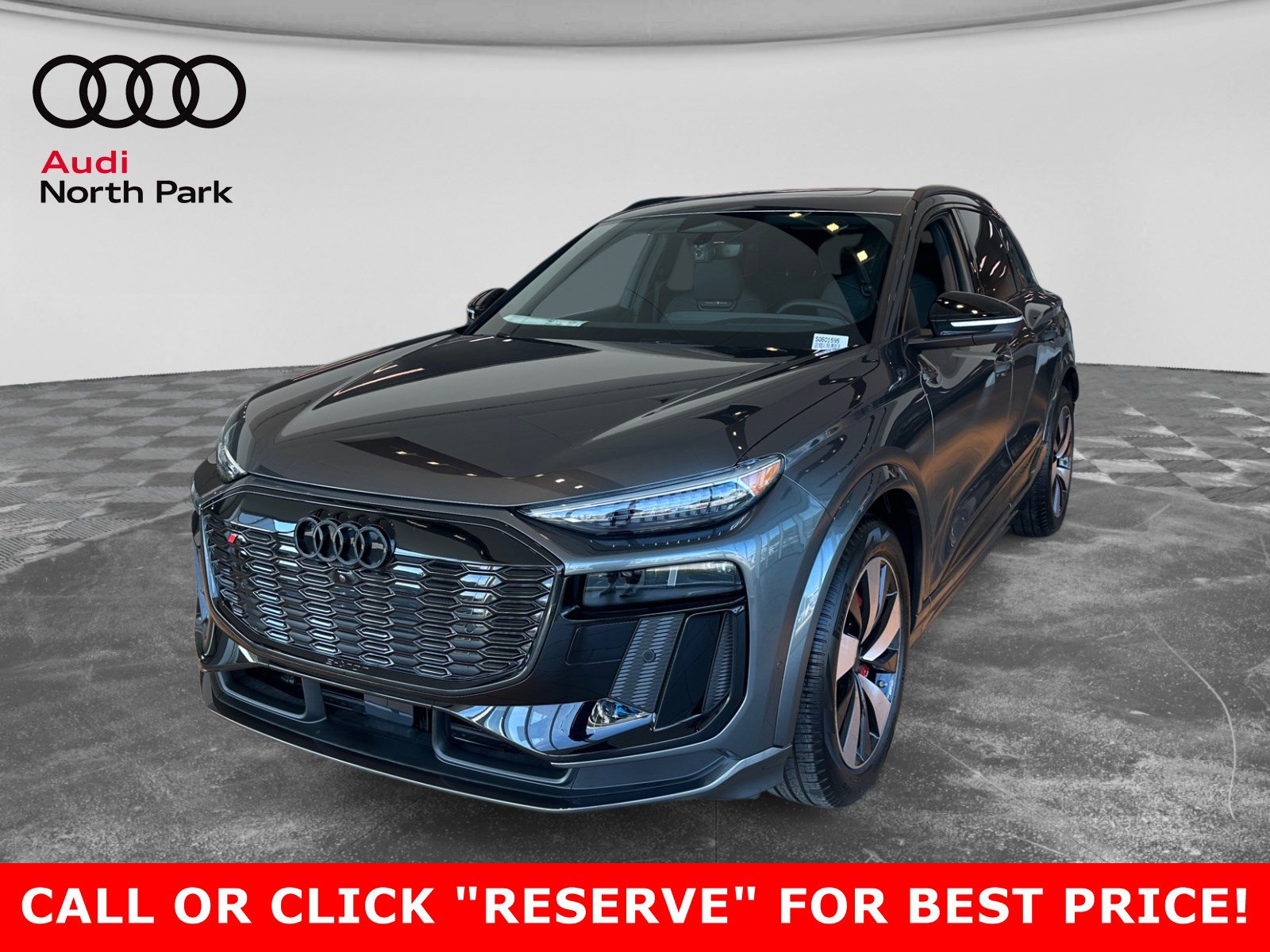
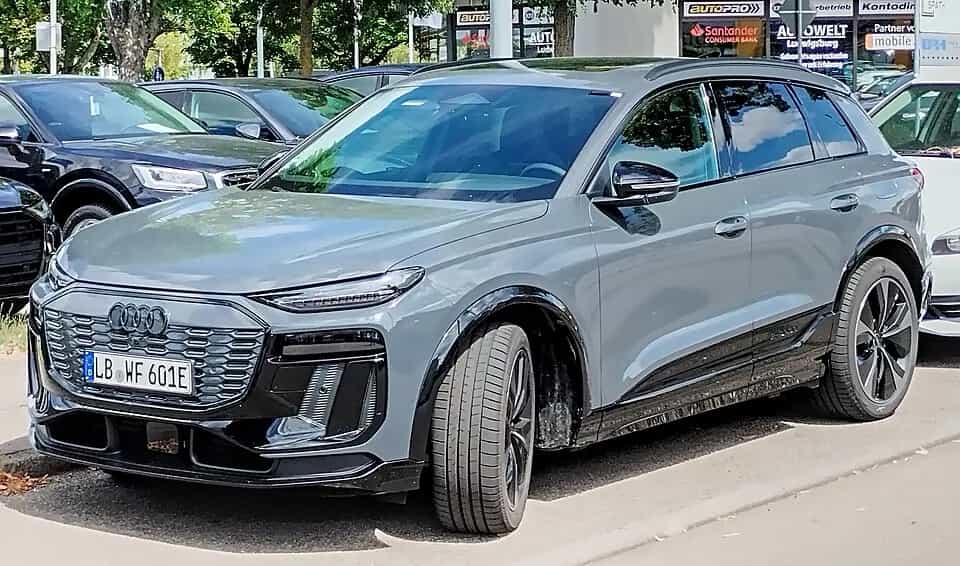
Audi SQ6 e-tron
Importing a used Audi SQ6 e-tron from the USA
The Audi SQ6 e-tron is the performance version of Audi's mid-size electric SUV, built on the Premium Platform Electric (PPE) that Audi developed with Porsche for the current generation of 800-volt EVs. It is a very new model, launched for 2024/2025, so the used market is still forming — but early US lease returns and demonstrator cars do surface, which is why some buyers already ask how to import a used Audi SQ6 e-tron from the USA. Because it is so recent, this page stays close to confirmed platform facts rather than speculating on figures that vary by trim and model year. One origin point to settle first: the Q6 e-tron family is produced in Ingolstadt, Germany, so its documented origin is European, which shapes the customs treatment described below. USCar Trader acts purely as an independent broker — sourcing, verification and logistics — with no dealer role and no margin on the car.

Production years and key changes
The SQ6 e-tron is part of the first Q6 e-tron generation, Audi's first model line on the PPE architecture. The range spans the standard Q6 e-tron, the sportier-roofed Sportback body and the S-badged performance versions. As a fresh design there is no earlier generation to compare against; instead, the reference point is the wider PPE family, which also underpins the Porsche Macan Electric.
What is under the hood
The SQ6 e-tron uses a dual-motor, all-wheel-drive quattro layout — a motor on each axle — for strong, repeatable acceleration. Peak output with the launch-control boost function sits in the region of 380 kW (around 510–517 PS), giving a 0–100 km/h time in the low-four-second range. The car runs an 800-volt system with a battery of roughly 100 kWh gross capacity and supports high-power DC fast charging (Audi quotes peaks around 270 kW for the family), which enables rapid 10–80% top-ups under the right conditions. WLTP range for the sportier S variant is lower than the standard model; treat any single range figure as approximate until you check the specific car.
Trims and body styles
Expect an SUV body, with a lower-roof Sportback available in the family. US cars are typically well-equipped, with adaptive air or sport suspension depending on specification, a large curved display, Matrix LED or digital lighting, and Audi's driver-assistance suite. Because so few used examples exist, exact option content should be verified per car rather than assumed from a brochure.
What the US market offers
Used supply is genuinely thin given how recently the model went on sale. The cars that do appear tend to be low-mileage early leases, press or demonstrator vehicles, and one-owner examples returned early. That can mean a nearly-new car with the balance of its history intact, but it also means each listing is individual — condition, options and battery data should be checked closely. No prices are quoted here.
Who this import is for
A used SQ6 e-tron suits a buyer who wants a specific, fast, technically current electric SUV — perhaps a colour or option combination that is hard to find locally, or simply an early example. It is a car for someone comfortable with new-generation EV technology and with the charging-standard considerations that come with a US import, covered below.
Technical data (approximate)
| Model | Audi SQ6 e-tron (Q6 e-tron family, 2024+) |
| Body styles | SUV; Sportback (family) |
| Platform | PPE (Premium Platform Electric) |
| System voltage | 800 V |
| Drivetrain | dual-motor, all-wheel drive (quattro) |
| Peak power (boost) | approx. 380 kW (~510–517 PS) |
| 0–100 km/h | approx. low-4 seconds |
| Battery (gross) | approx. 100 kWh |
| DC fast charging | peaks around 270 kW (family) |
| WLTP range | approx.; verify per car and trim |
| Top speed | approx. 230 km/h |
| Seats | 5 |
| Length | approx. 4771 mm |
| Wheelbase | approx. 2899 mm |
| Assembly | Ingolstadt, Germany |
| Condition | used / lightly used (recent model) |
Reliability: trouble spots to check
The SQ6 e-tron is too new to have a long-term reliability record, so treat any strong claim with caution. What can be said follows the pattern of new-generation EVs and of the PPE platform generally: early software is updated frequently, so confirm the car is on current firmware and that infotainment and driver-assist functions behave correctly. The 12-volt system remains a common cause of niggles on modern EVs and is worth checking. The combination of weight and instant torque is hard on tyres, so inspect tread and alignment. Friction brakes see little use thanks to regeneration and can corrode if a car sat unused. Above all, obtain a battery state-of-health readout and evidence of correct charging behaviour, and plan for high-voltage servicing through an Audi specialist. A near-new car with complete records is the sensible target.
US vs. Europe differences
The most important difference on a modern US Audi EV is the charging connector. US cars use CCS1 (and Audi in North America is transitioning toward the NACS standard), whereas Germany uses Type 2 for AC and CCS2 for DC fast charging. A US-market SQ6 e-tron will therefore need a suitable adapter or interface, and its fast-charging compatibility must be confirmed before import. Beyond charging, expect a miles-per-hour cluster (usually switchable in software), US lighting aimed for right-hand traffic, no rear fog lamp as standard, and market-specific driver-assistance calibration.
How the import works
The route is consistent even for a new model: shortlist and inspect; confirm the VIN, plant and documented origin; secure funds via escrow; book ocean freight to a European port; clear customs on arrival; complete the TÜV inspection and individual approval (Einzelabnahme) for a US-spec EV; then register locally. USCar Trader manages every stage as your broker.
Import duty, VAT and fees
Remember: no origin proof, no 0% duty – and 19% German import VAT is due on every import.
Because the Q6 e-tron family is built in Ingolstadt, Germany, its documented origin is European, so the 0% preferential rate for goods of proven US origin under Regulations (EU) 2026/1455 and (EU) 2026/1461 does not apply here — that rate depends on a verifiable US plant identified through the VIN. Plan for the standard passenger-car customs duty on the customs value unless a separate relief is established. In every case, the 19% German import VAT (Einfuhrumsatzsteuer) applies on top, calculated on the vehicle value plus duty and freight. There is no duty-free guarantee; treatment follows the documentation.
From modifications to registration
Approval for a US-spec EV usually covers converting the headlamps to a European beam pattern, ensuring a rear fog lamp, switching the display to km/h, confirming the odometer, checking tyre markings, and verifying the charging interface and its compatibility with European infrastructure. Once the TÜV report and individual approval are issued, the car can be registered.
Pre-buy inspection points
- Decode the VIN and confirm the plant and documented origin.
- Obtain a Carfax or AutoCheck report for accidents, title and odometer history.
- Confirm the charging port type (CCS1 or NACS) and DC compatibility for the EU.
- Get a battery state-of-health readout and charging-behaviour check.
- Verify the car is on current software with all features functioning.
- Inspect tyres, alignment and lightly-used friction brakes.
- Confirm a clean, transferable title before releasing funds.
What buyers ask most
Is a used Audi SQ6 e-tron available yet?
Supply is very limited because the model is new. The cars that appear are typically low-mileage early leases, demonstrators or one-owner examples returned early.
Does it qualify for 0% import duty?
No. It is built in Germany, so it does not meet the US-origin condition for the 0% rate. Origin is confirmed by the VIN and plant during clearance.
Is the 19% import VAT always due?
Yes. German import VAT of 19% applies to every import, calculated on the vehicle value plus duty and freight.
Will a US SQ6 e-tron charge in Germany?
It needs a suitable adapter or interface, since US cars use CCS1 (or NACS) rather than the European Type 2 / CCS2 standards. Fast-charging compatibility should be confirmed before import.
How much range does it have?
WLTP range varies by trim and configuration and is lower on the S model than the standard Q6 e-tron; verify the figure for the specific car rather than relying on a single number.
What should I check on such a new EV?
Battery state of health, current software, tyre and brake condition, the 12-volt system and a full accident and title history.
How fast is it?
With launch-control boost the SQ6 e-tron reaches roughly 380 kW and accelerates from 0–100 km/h in the low-four-second range.
How long does the import take?
Freight, clearance, TÜV and registration typically span several weeks once a car is secured, depending on shipping and inspection schedules.
Explore further: visit Audi in the Carhub, compare related electric models such as the Audi Q6 e-tron, the Audi Q4 e-tron or the Audi e-tron GT, or view current SQ6 e-tron listings available to import.