Production years and key changes
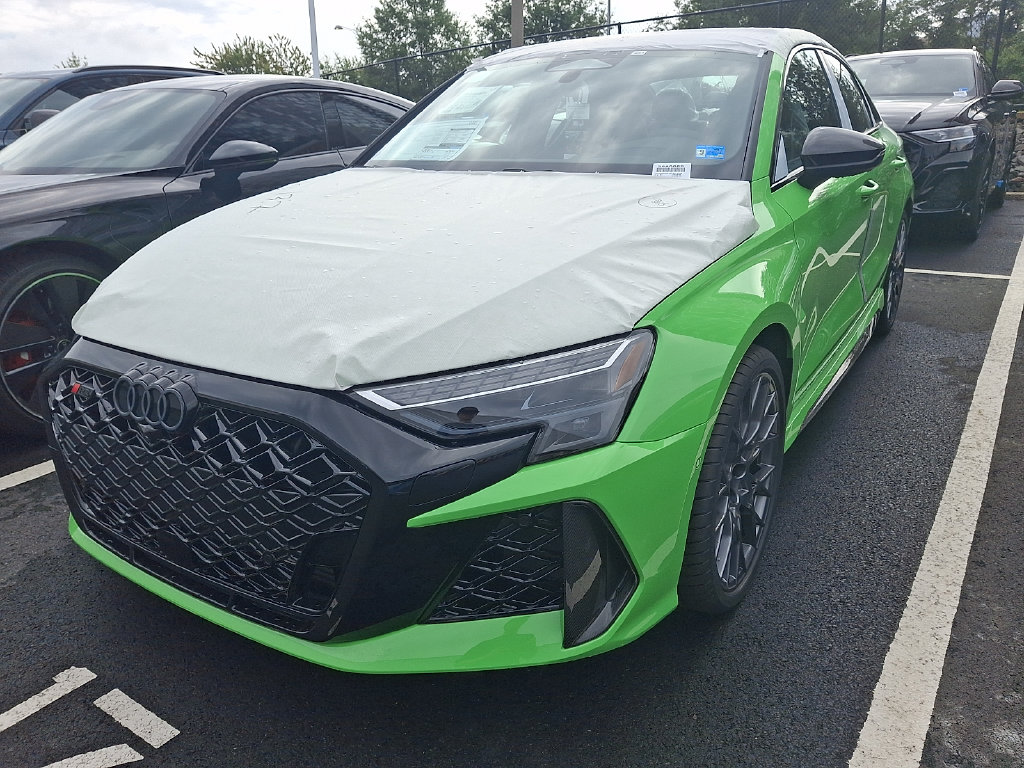
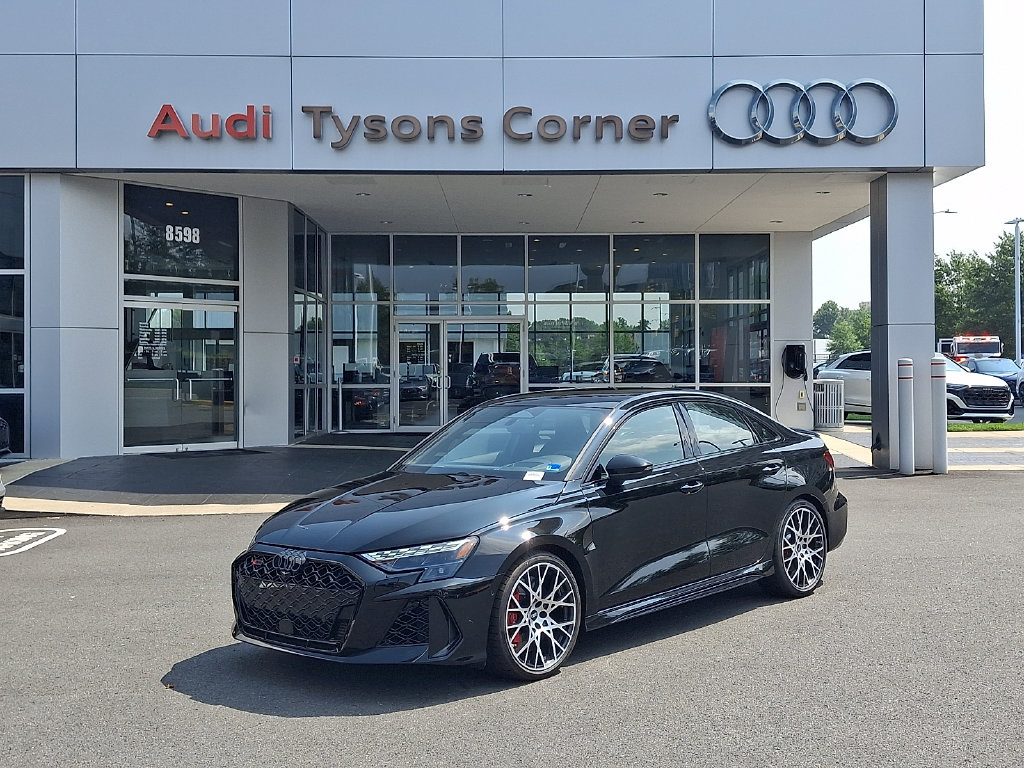
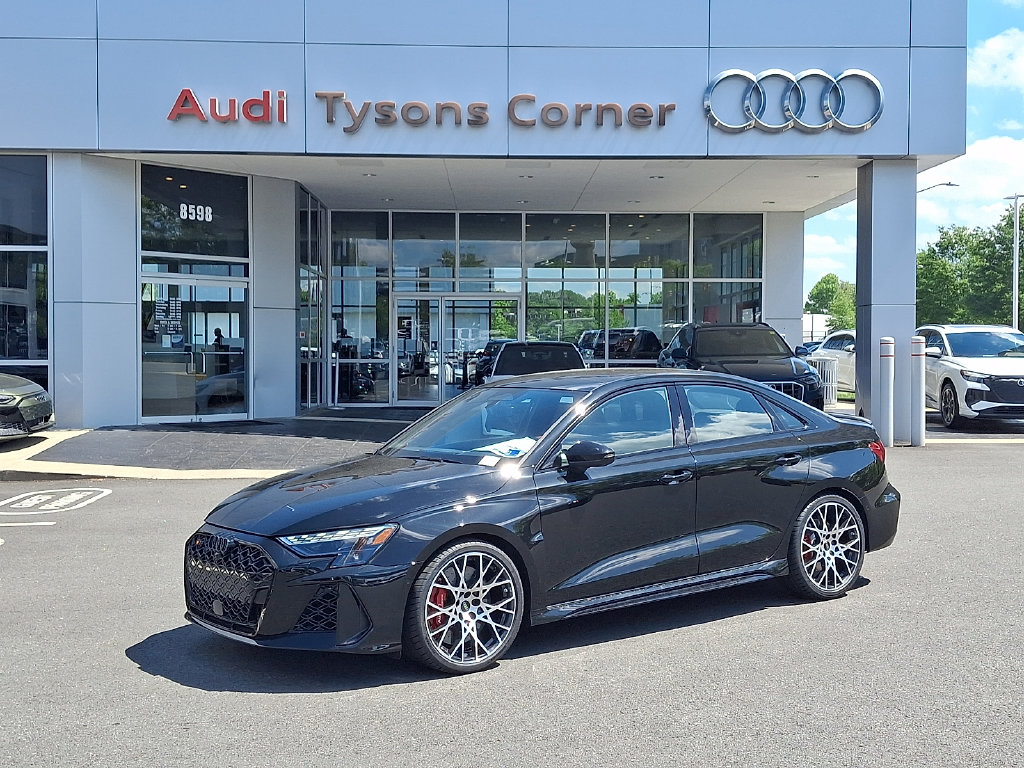
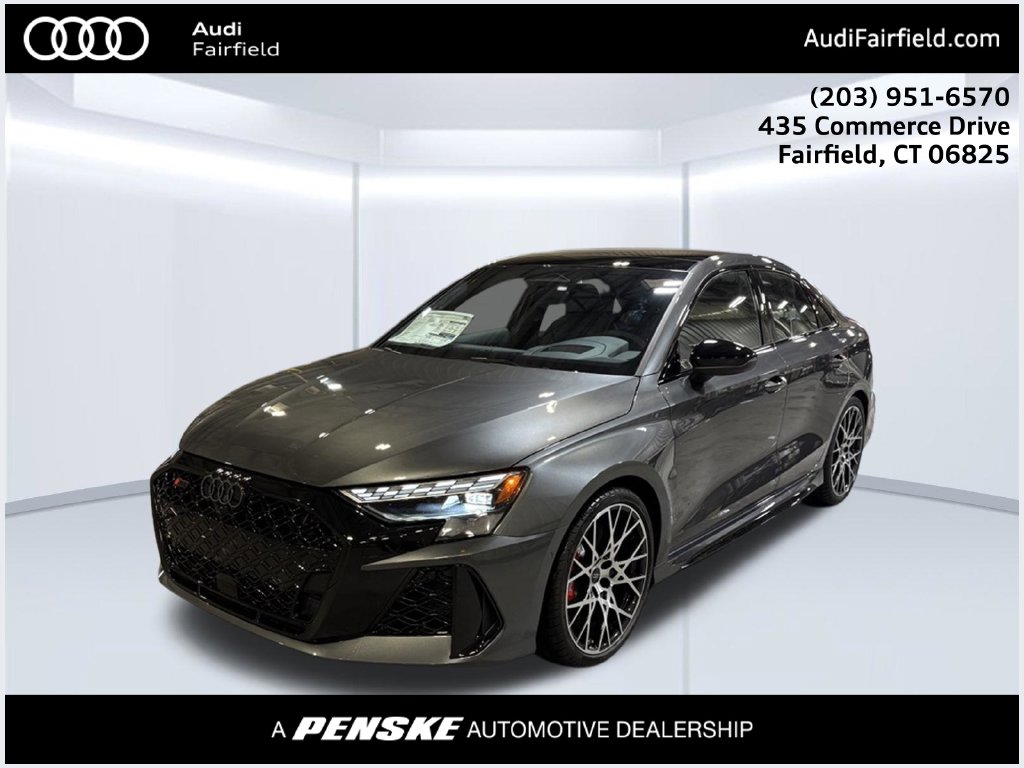
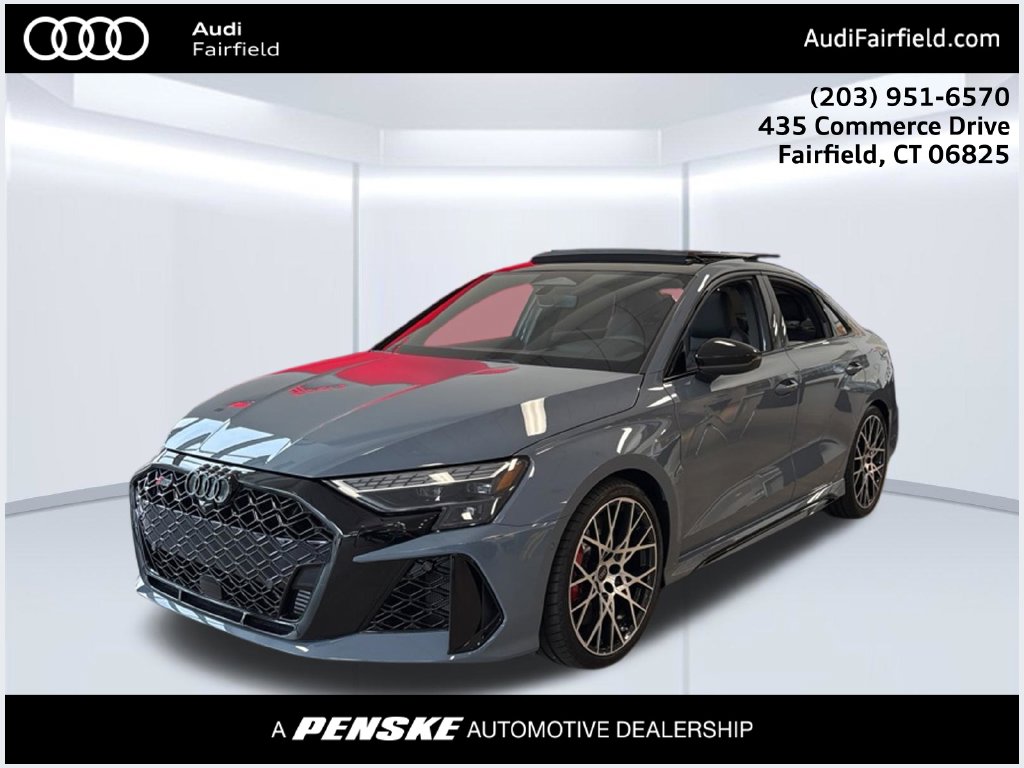
Two generations reached America. The 8V RS3 sedan arrived for the 2017 model year with 400 PS, a mid-cycle refresh of the platform that had launched in Europe as a Sportback.
 0049 (0)89 2000 791 00
 Mo - Fr 8:00am - 8:00pm
USCar Trader import service
Choose a specific vehicle. Where data is available, its detail page shows the import cost calculation. We assess any possible duty benefit with you before purchase.
Important: A 0% EU import-duty rate may be available for a vehicle covered by Regulation (EU) 2026/1455 that has US origin and is imported directly into the EU. CETA may apply to a vehicle with preferential Canadian origin. Whether the requirements are met is assessed for the individual case. Please contact us before purchase; we review the possible duty benefit and provide non-binding support through the process. Import VAT and other costs are assessed separately.
CarHub · Audi
Few cars sound like the RS3. Its 2.5 TFSI turbocharged five-cylinder, with its 1-2-4-5-3 firing order and unmistakable warble, is the heart of one of the great modern compact performance cars.
Model profile
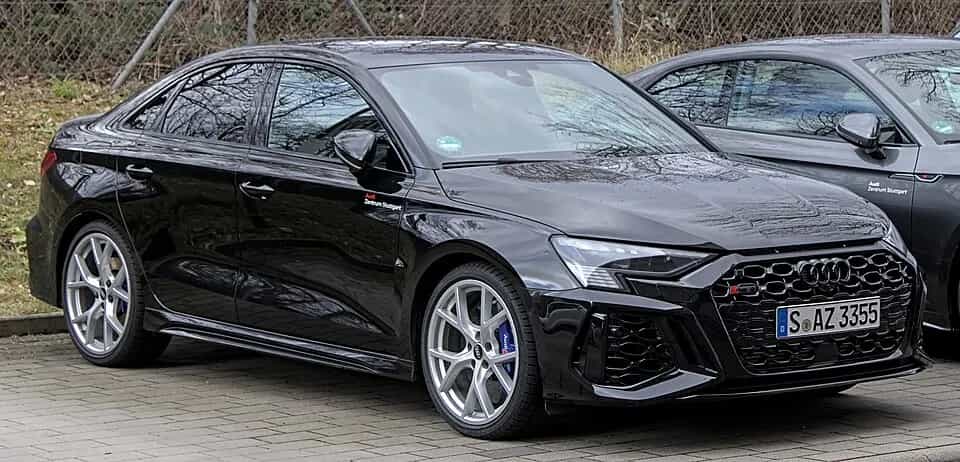
Two generations reached America. The 8V RS3 sedan arrived for the 2017 model year with 400 PS, a mid-cycle refresh of the platform that had launched in Europe as a Sportback.
Powertrain and equipment
Both generations use the 2.5-litre TFSI inline-five (engine codes in the DAZA/DNWA family), producing around 400 PS and 480–500 Nm. Power reaches the road through a seven-speed S tronic dual-clutch gearbox and quattro all-wheel drive.
In the US the RS3 is a compact sports sedan, offered with option packages rather than distinct trims.
Vehicle selection
Supply is healthy and the cars are still relatively young, so most used RS3s have moderate mileage and comprehensive equipment.
The RS3 suits the driver who wants supercar-baiting pace in an everyday, all-weather compact, and who specifically wants the five-cylinder soundtrack.
Vehicle data
| Body (US) | 4-door sedan |
|---|
| Engine | 2.5 TFSI turbocharged inline-five |
|---|---|
| Power | approx. 400 PS |
| Torque | approx. 480–500 Nm |
| Transmission | 7-speed S tronic dual-clutch |
| Drive | quattro all-wheel drive |
| Rear axle (8Y) | RS Torque Splitter with drift mode |
| Generations (US) | 8V sedan (2017–2020), 8Y sedan (2022–present) |
|---|---|
| Firing order | 1-2-4-5-3 |
| 0–100 km/h | approx. 3.6–4.1 s |
| Top speed | 250 km/h (280 km/h with option) |
| Brakes | Steel; optional front ceramics |
| Assembly | Germany (Ingolstadt) |
| Displacement | 2,480 cc |
Values are reproduced verbatim from the existing article table. The documents for the specific vehicle govern.
Pre-purchase review
RS3 reliability is good by high-performance standards, but the 2.5 TFSI has well-documented items to check. Known RS3 common problems include carbon build-up on the intake valves typical of direct-injection engines, occasional issues with the water pump and thermostat, and, on hard-driven cars, wear in the DSG dual-clutch that makes service history essential.
Germany and Europe
US cars use mph-primary instruments, North American lighting and side markers, and US driver-assistance calibration. The RS3 is otherwise mechanically identical to the European car, which makes it a clean import.
Expect straightforward work: confirm or fit E-approved lighting, add a rear fog lamp, and document the odometer in km.
USCar Trader services
As a buyer based in Germany, you do not have to inspect the vehicle yourself in the United States or Canada. Within the agreed scope, USCar Trader can coordinate document review, a separately commissioned on-site inspection and purchase processing.
Covered inspection points are agreed in advance. An on-site inspection records condition at the appointment and is not a guarantee.
Next step: Before commissioning, USCar Trader and the customer agree which document, history, inspection and transaction checks suit the vehicle and are included in the service. This records what was actually checked.
Import process
The assessment depends on the specific vehicle and the circumstances of the transaction. Please contact USCar Trader before purchase; we review any possible duty benefit and provide non-binding support. Import VAT and other costs are considered separately.
Questions and answers
No. American buyers only received the RS3 as a sedan; the Sportback hatchback stayed a European offering.
Both the 8V and 8Y generations produce around 400 PS from the 2.5 TFSI five-cylinder.
It is the 8Y's rear differential, which can direct drive to one rear wheel for sharper cornering and a dedicated drift mode.
No, not automatically. A 0% EU import-duty rate may be available for a vehicle covered by Regulation (EU) 2026/1455 that has US origin and is imported directly into the EU. CETA may apply to a vehicle with preferential Canadian origin. Whether the requirements are met is assessed for the individual case. Please contact USCar Trader before purchase; we review the possible duty benefit and provide non-binding support. Import VAT and other costs are assessed separately.
Import VAT and other taxes or costs are assessed separately under the applicable rules and the circumstances of the individual case. A blanket answer for every vehicle would not be reliable.
It can be. Modifications must be certified for the TÜV, and a heavily tuned car needs careful mechanical inspection before purchase.
It is robust when maintained; watch for intake carbon build-up, water pump wear and DSG condition on hard-used cars.
Typically several weeks from purchase, covering freight, customs clearance and the TÜV and registration process.
More vehicles