Audi R8

Importing a used Audi R8 from the USA

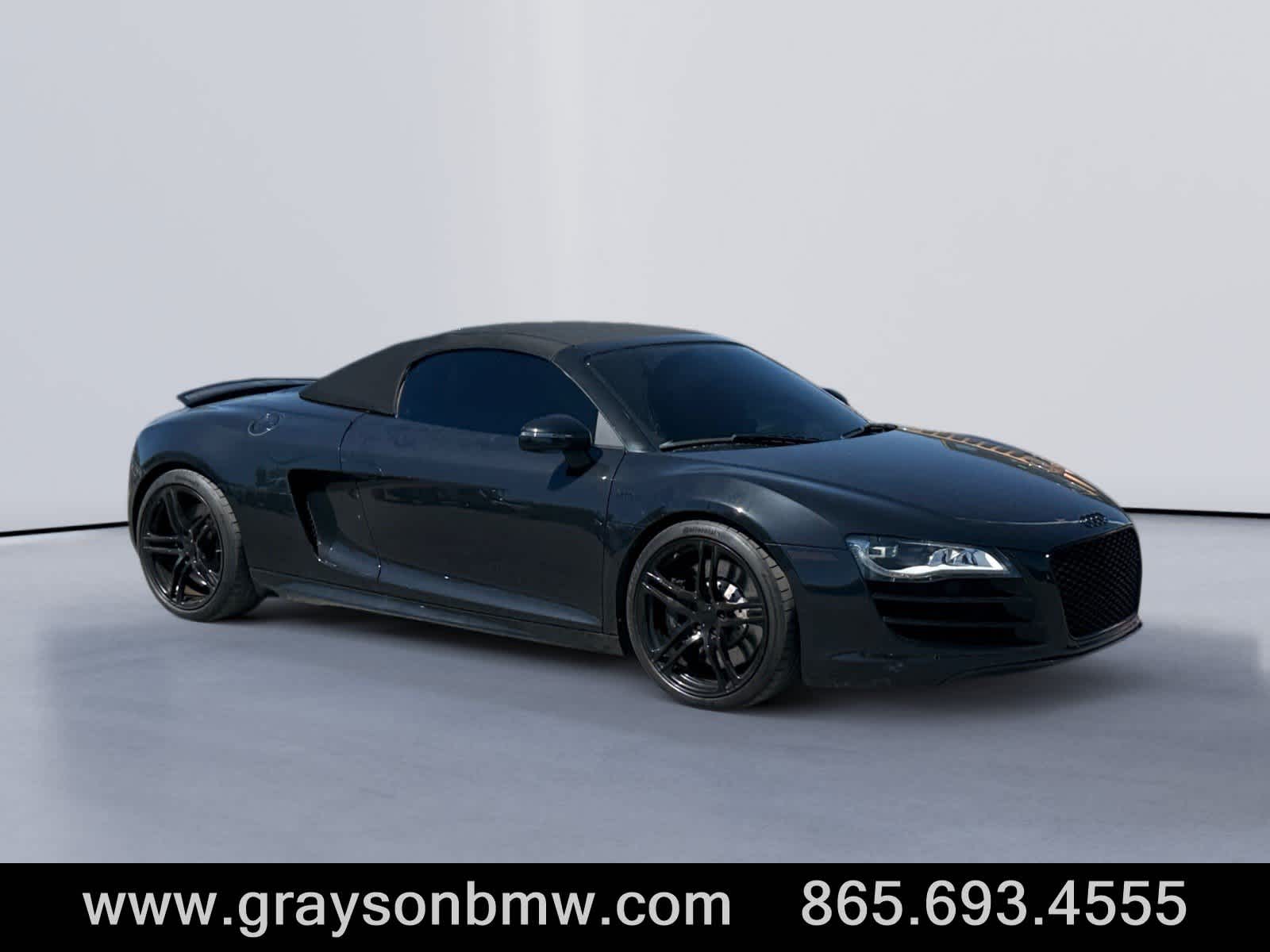
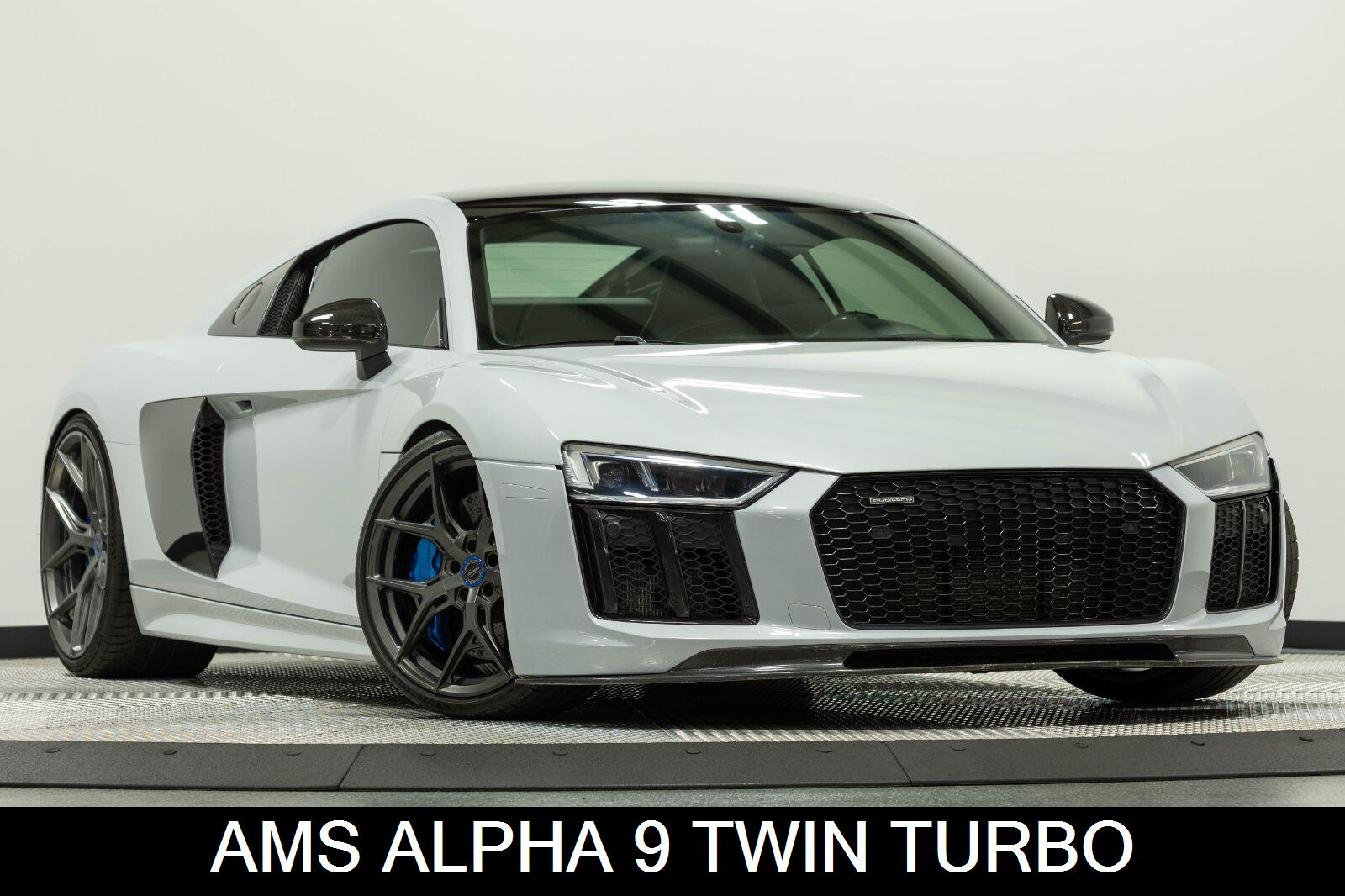
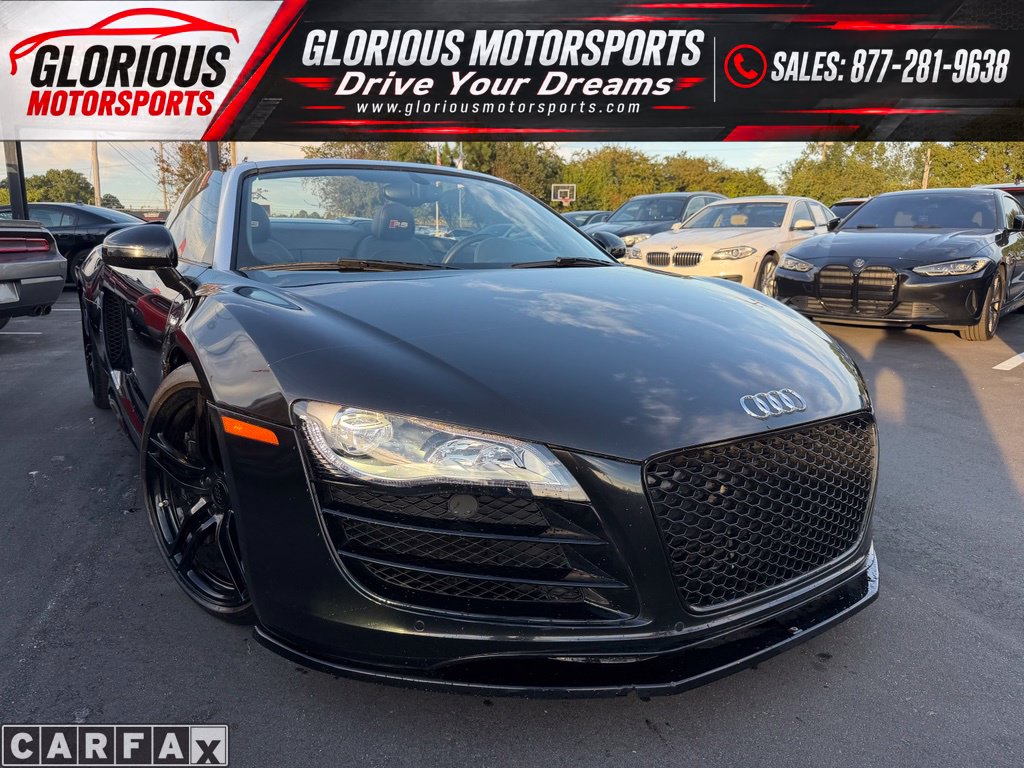
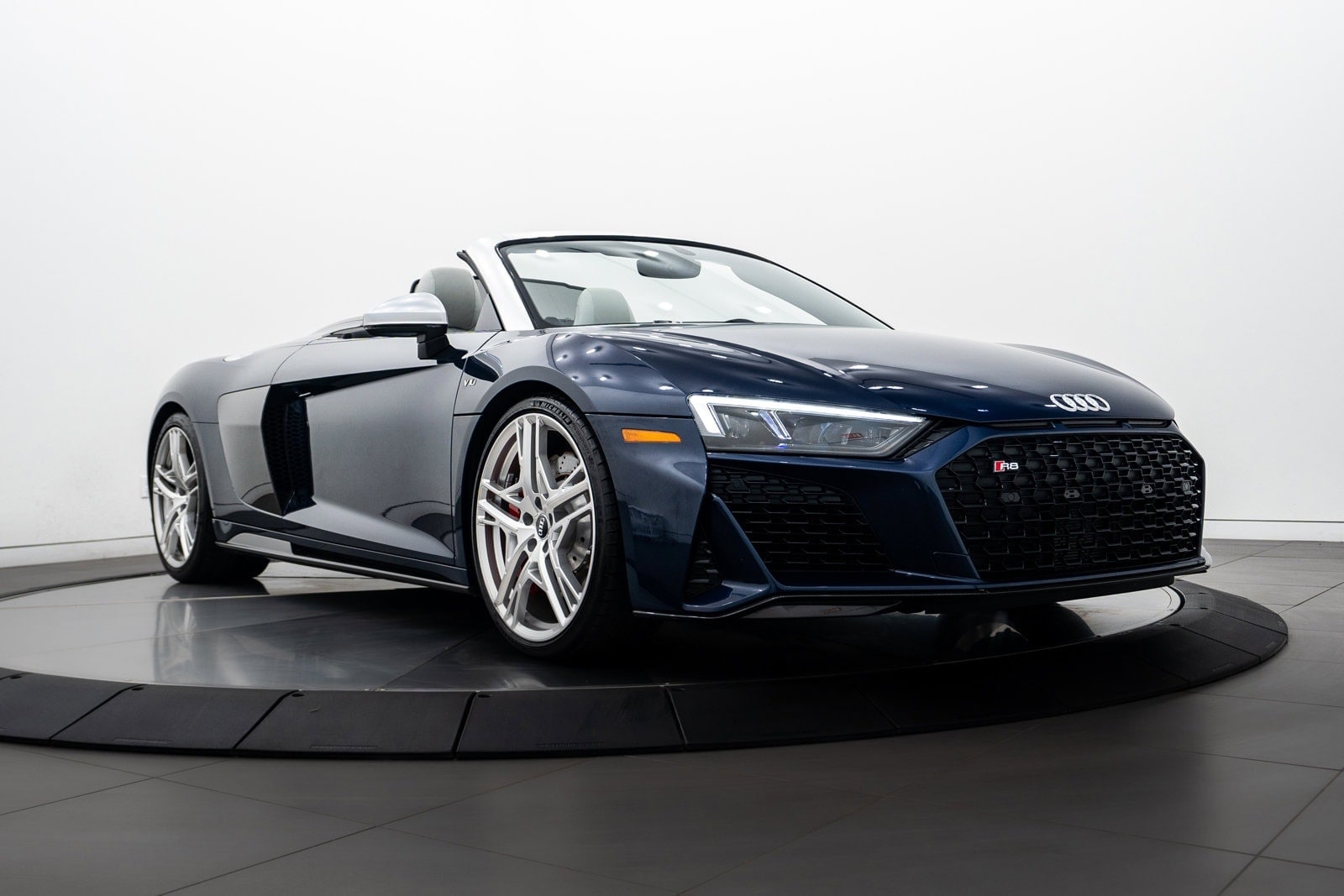
The Audi R8 is a rare thing: a mid-engined supercar you can drive every day, with a naturally aspirated engine shared with the Lamborghini Huracán. The American market bought R8s in meaningful numbers and, crucially, was one of the last places you could order the gated six-speed manual on the first generation — a detail that makes US cars especially interesting to enthusiasts. Importing a used Audi R8 from the USA opens access to specific engine, gearbox and colour combinations that can be hard to find at home. USCar Trader works as your independent broker: we source, inspect, ship and clear the car, and we take no margin on the vehicle itself.

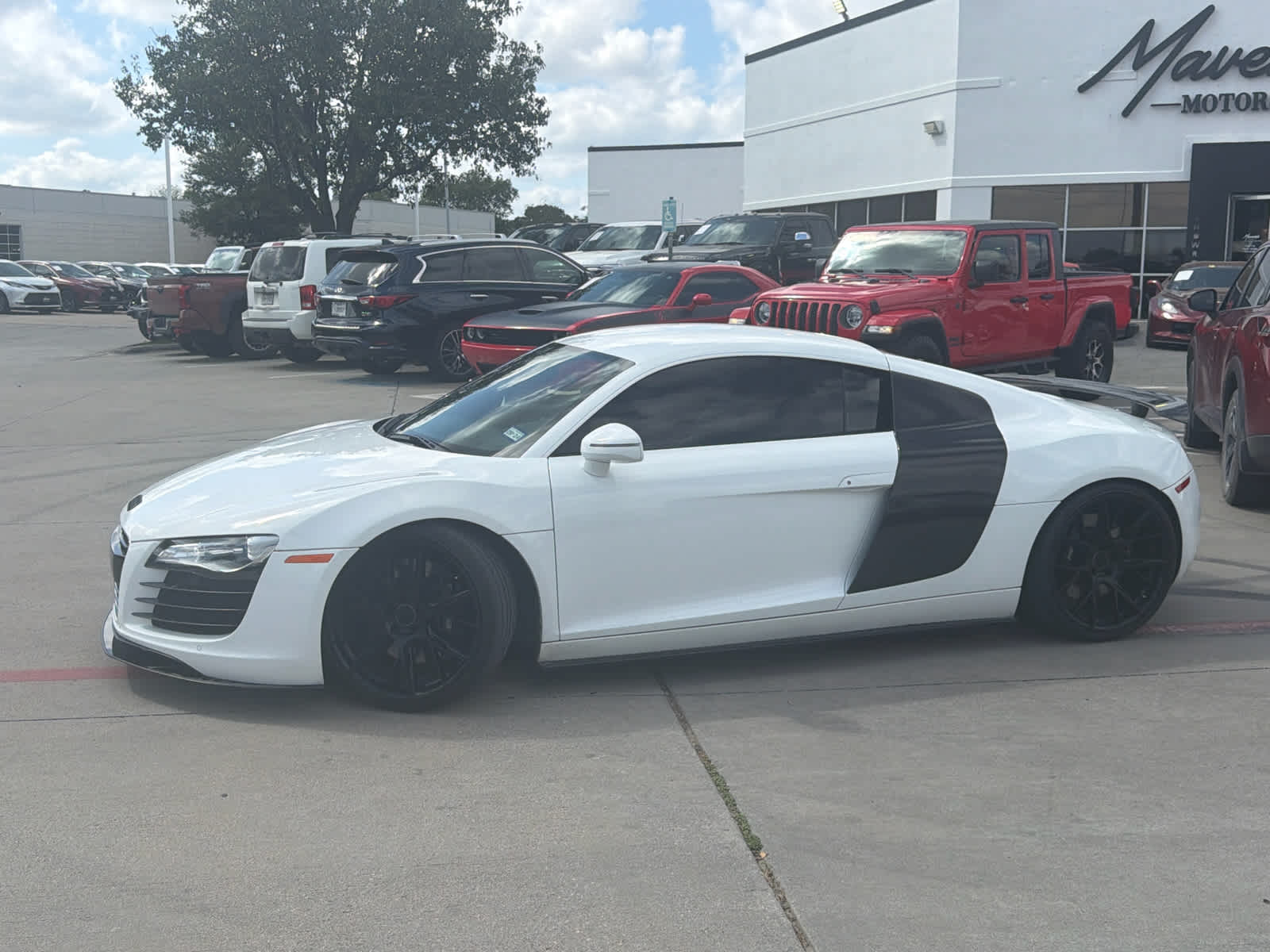
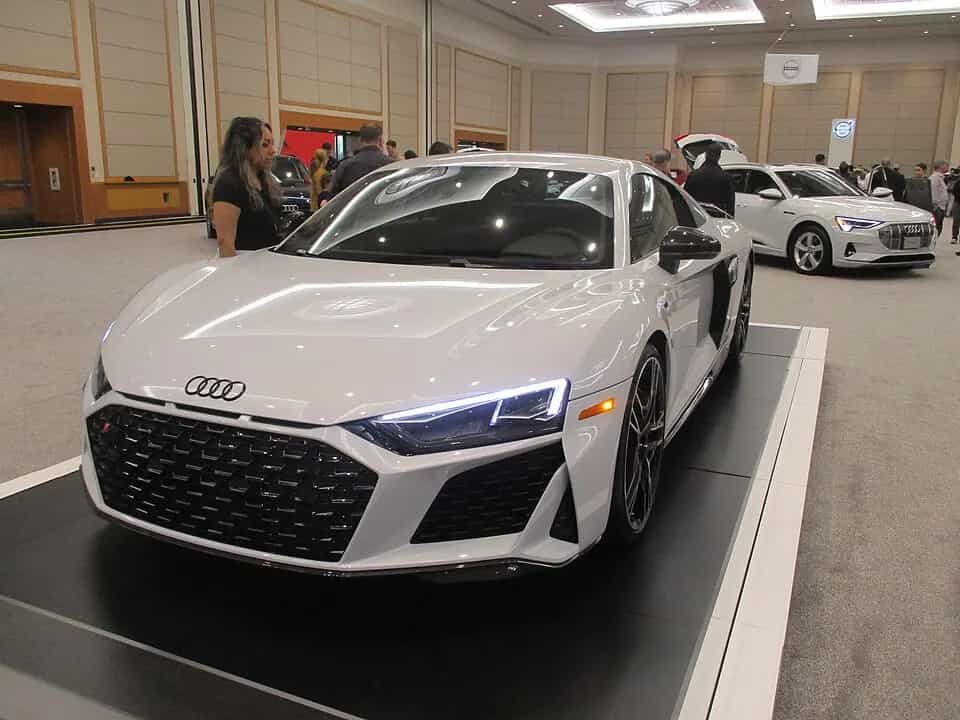
Audi R8 – used car imported from the USA
Photo: 1994McLarenF1 · CC BY-SA 4.0 · Wikimedia Commons

Production years and key changes

The first-generation R8 (Type 42, 2006–2015) launched with a 4.2-litre V8 (the FSI unit derived from Audi's motorsport experience) and later gained the 5.2-litre V10 shared with Lamborghini. A facelift arrived in 2012. The second generation (Type 4S, 2015–2023) dropped the V8 entirely and offered only the 5.2 V10, in standard and Plus/Performance outputs, along with the rear-wheel-drive RWS and later RWD variants. Both generations were sold in the US as coupé and Spyder convertible. For collectors, the early gated-manual V8 and V10 cars are the ones to watch.

What is under the hood

The heart of the R8 is its engine. The 4.2 FSI V8 produces around 420–430 hp and revs to about 8,000 rpm; the 5.2 FSI V10 makes roughly 525 hp in early form and up to 620 hp in later V10 Performance cars, spinning to around 8,700 rpm. Gearboxes are the standout: first-generation cars offered the open-gate six-speed manual or the single-clutch R tronic automated manual, while the second generation uses the seven-speed S tronic dual-clutch only. All R8s drive through quattro all-wheel drive (except the rear-drive RWS/RWD variants), with the mid-mounted engine giving the balance you expect of a supercar.

Trims and body styles

US buyers chose between the coupé and the Spyder soft-top. First-generation trims spanned V8, V10 and V10 Plus; the second generation offered V10, V10 Plus/Performance and the rear-drive models. Options such as carbon-ceramic brakes, the sport exhaust, bucket seats and the various interior and exterior carbon packages appear on American cars. Because the R8 was low-volume, individual specification varies widely — part of the appeal of importing.

What the US market offers

Supply is concentrated in wealthier metros — Southern California, Florida, Texas, the New York area. Many R8s led easy lives as weekend cars and show low mileage; import candidates commonly sit between 10,000 and 50,000 miles. Condition is generally strong, but a supercar's history matters enormously: confirm dealer servicing, look for accident repairs, and be wary of heavily modified cars. A clean, well-documented example is worth waiting for.

Who this import is for

Importing a used Audi R8 suits the buyer who wants a specific configuration — above all the gated manual, which the US kept longer than most markets — or a colour and options set that is scarce locally. It rewards careful inspection and patience. If you want a naturally aspirated supercar that is usable and comparatively understated, the American R8 market is a genuinely good hunting ground.

Technical data and figures

AttributeTypical figures (varies by generation)
Body styles2-door coupé, Spyder convertible
LayoutMid-engine, longitudinal
Engines4.2 FSI V8, 5.2 FSI V10
Power output~420 hp (V8) to 620 hp (V10 Performance)
Torque~430 to 580 Nm
Transmission6-speed manual, R tronic, 7-speed S tronic dual-clutch
Drivequattro all-wheel drive (RWS/RWD rear-drive variants)
0–100 km/h~3.1–4.6 s by model
Top speed~299–331 km/h
FuelPremium unleaded (98 RON recommended)
Seating2
Length~4.43 m (Gen 1) / ~4.42 m (Gen 2)
Kerb weight~1,560–1,770 kg
Fuel tank~75–83 litres
Emissions classEuro 4 to Euro 6 by year

Reliability: trouble spots to check

By supercar standards the R8 is unusually dependable — the V8 and V10 are robust engines with no forced induction to fail. That said, watch a few things. The first-generation R tronic gearbox is jerky and its clutch and pump can be expensive; many buyers prefer the manual for this reason. The magnetic-ride dampers can leak with age and are costly to replace. Carbon build-up and coil-pack failures occur on the direct-injection engines, and the V10's service intervals — including the eventual clutch on manuals — are not cheap. Convertible Spyder roofs should be checked for correct operation and seals. Overall Audi R8 reliability is a strong point, but running costs are firmly supercar-level, so budget for maintenance and buy on history.

US vs. Europe differences

US R8s carry amber side markers, US headlight patterns, an mph cluster and no rear fog lamp, all of which the TÜV addresses. Some early US cars had subtly different bumper and marker details for federal rules. Mechanically the cars are the same as European R8s, and because the R8 is built in Germany, spare parts and specialist support are readily available at home.

How the import works

Select the car and agree its exact specification; verify the VIN and Audi build data plus a full Carfax or AutoCheck history; place funds in escrow; ship by container (strongly advised for a supercar) to Bremerhaven or Rotterdam; clear German customs; complete the TÜV individual approval with any required modifications; and register the car locally. USCar Trader coordinates and documents every step.

Import duty, VAT and fees

Remember: no origin proof, no 0% duty – and 19% German import VAT is due on every import.

Two charges, kept separate. Import duty: since 1 July 2026, Regulations (EU) 2026/1455 and 2026/1461 grant a 0% preferential rate for vehicles of provable US origin shipped directly, valid until 31 December 2029. The R8 is built in Germany (at Audi's Neckarsulm facility), so it does not carry US origin and the standard passenger-car duty is likely to apply — which is exactly why we check the VIN rather than promise a rate. Second, the 19% German import VAT (Einfuhrumsatzsteuer) applies to every import, calculated on value plus freight and duty. Both appear as clear line items and we add no margin.

From modifications to registration

Typical approval work includes converting or coding the headlights, fitting a rear fog lamp, adding European indicators and confirming the speedometer reads in km/h. Exhaust noise and emissions are checked against the type data — relevant if a sport or aftermarket exhaust is fitted. Once the TÜV issues its report, you receive the documents needed to register the R8 and obtain German plates.

Pre-buy inspection points

  • Decode the VIN and confirm the exact engine, gearbox and generation.
  • Order a full Carfax or AutoCheck report and review accident and title history closely.
  • On manual cars, check clutch wear and gated-linkage condition; on R tronic cars, test the gearbox thoroughly.
  • Inspect magnetic-ride dampers for leaks and check service records for major work.
  • Verify the Spyder roof operates correctly if applicable.
  • Confirm the title is clean, not salvage or rebuilt.
  • Commission an independent supercar-specialist inspection before releasing funds.

What buyers ask most

Can I import a gated-manual Audi R8 from the USA?

Yes, and the US is one of the best sources for the open-gate six-speed manual, which was offered there on first-generation V8 and V10 cars. We can search specifically for one.

Will my imported R8 get 0% customs duty?

Unlikely. The R8 is built in Germany, so it does not have US origin and the standard duty normally applies. We always verify the VIN before quoting a figure.

Does the 19% import VAT always apply?

Yes. The German Einfuhrumsatzsteuer of 19% is charged on every private import, whatever the car's origin.

Is the R8 reliable enough to import with confidence?

For a supercar, yes. The naturally aspirated V8 and V10 are durable. Running costs are still high, so buy on documented history and budget for maintenance.

V8 or V10 — which should I look for?

The V8 is lighter and cheaper to run; the V10 is faster and now more collectible. Both are excellent — the right choice depends on your budget and intent.

Is shipping a supercar safe?

We recommend enclosed container shipping for the R8, which protects the car far better than roll-on/roll-off transport.

How long does the import take?

Typically several weeks from purchase to German plates, driven mainly by shipping and the TÜV appointment.

Begin here: browse Audi in the Carhub, compare related performance Audis such as the Audi RS 7, the Audi TT or the Audi S5, or view current R8 listings. USCar Trader guides you from VIN check to registration.