Audi Q5
Importing a used Audi Q5 from the USA
The Audi Q5 is a familiar sight on both sides of the Atlantic, which makes it an interesting import case rather than an obvious one. Buyers usually go looking in the United States for a specific configuration — a well-optioned Premium Plus or Prestige car, an SQ5, or simply a clean, low-mileage example at a keen price. One point matters up front: Q5 and SQ5 models for North America are assembled in San José Chiapa, Mexico, not in Germany. That is why the origin is treated as neutral. The EU import duty therefore depends on what the VIN and plant code actually show, and the 19% German import VAT (Einfuhrumsatzsteuer) applies regardless. Neither should be assumed away.

Production years and key changes
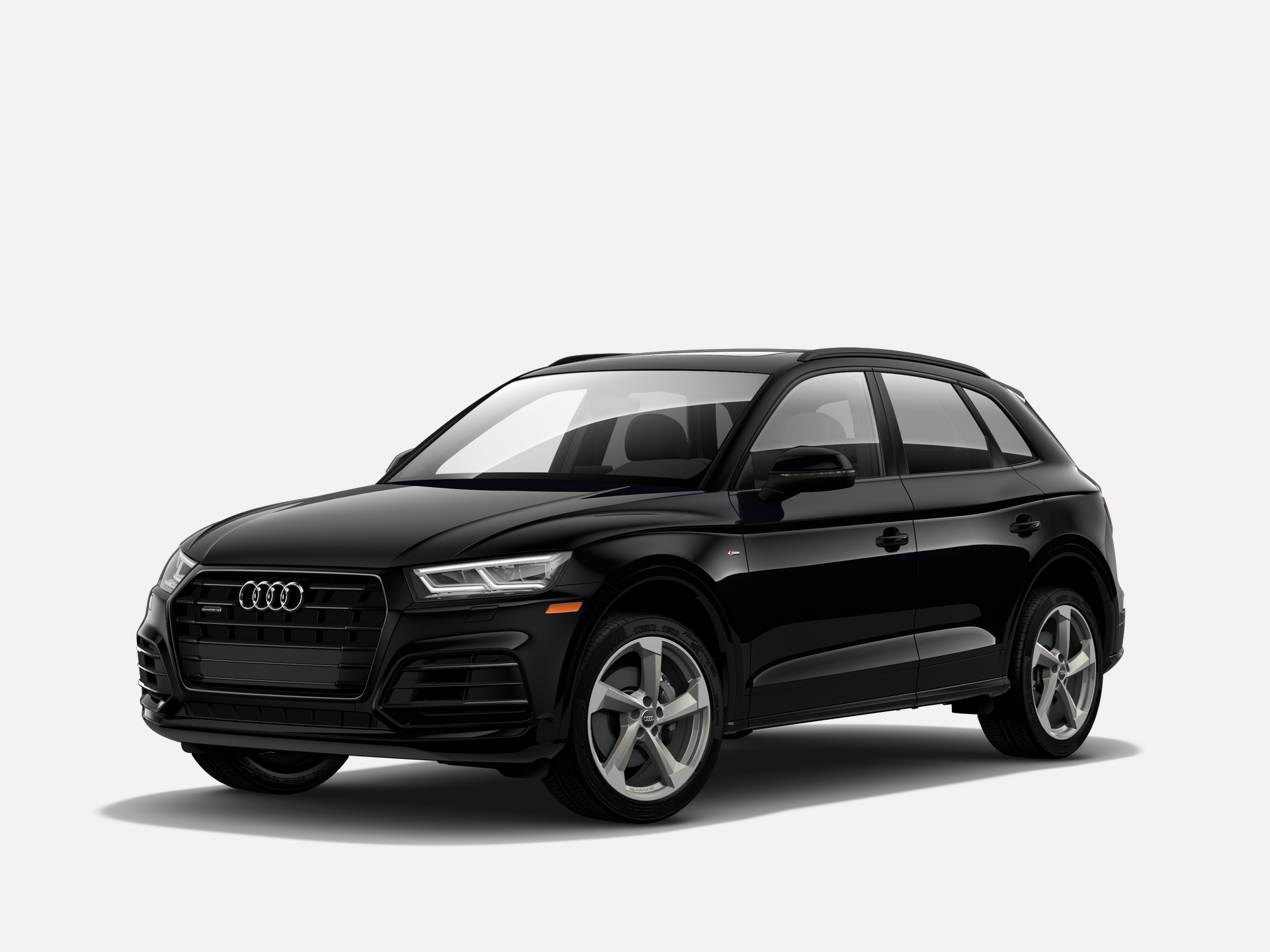
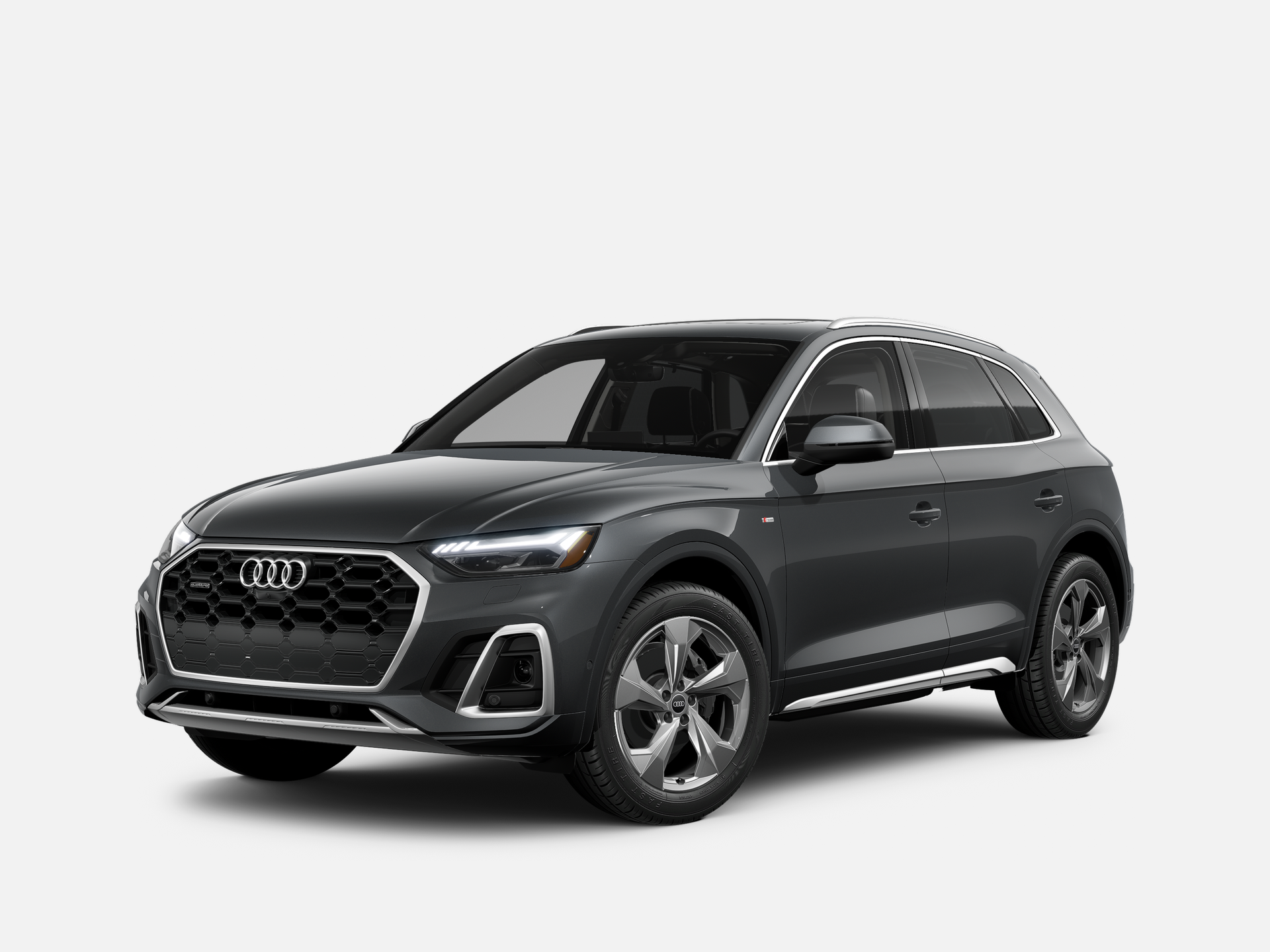
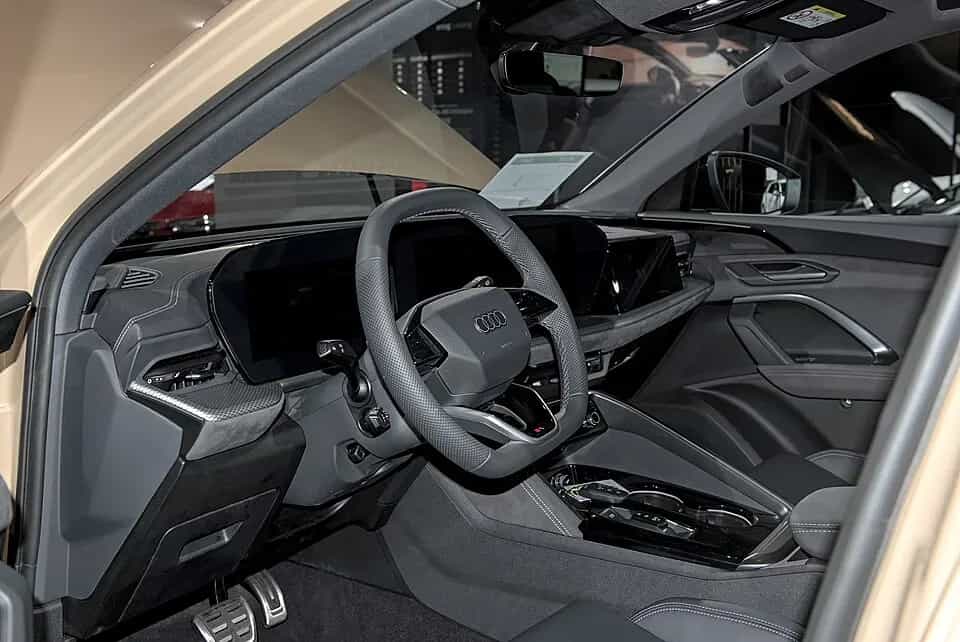
The first-generation Q5 (type 8R, 2008–2017) established the compact premium SUV template on the MLB platform. In the US it was sold mainly with the 2.0 TFSI four-cylinder and the 3.0 TFSI supercharged V6, the latter powering the original SQ5. The second generation (type FY, from 2017) moved to the MLB Evo platform, shed weight and gained the current interior architecture; a facelift in 2021 brought the larger touchscreen and revised styling. Across the FY run, US buyers saw the 2.0 TFSI in various states of tune, the plug-in hybrid 55 TFSI e in later years, and the SQ5 with its turbocharged 3.0 V6. Knowing the generation and model year is the fastest way to pin down equipment and known issues before you import a used Q5 from the USA.
What is under the hood
The core US engine is the 2.0-litre TFSI turbo four (EA888), badged 45 TFSI in later years and producing roughly 248 hp. It pairs with a 7-speed S tronic dual-clutch (earlier cars used a torque-converter tiptronic) and Audi's quattro all-wheel drive, which on the FY uses an on-demand "ultra" system for efficiency. The SQ5 runs a 3.0 TFSI turbo V6 of around 349 hp through an 8-speed automatic. The plug-in hybrid combines the 2.0 TFSI with an electric motor for short electric-only commutes. Every US Q5 worth importing is a quattro car; front-drive versions were not the norm here.
Trims and body styles
The US Q5 is a five-door SUV; the Sportback body was a later, limited addition. Trim levels run Premium, Premium Plus and Prestige, with the S line appearance package widely fitted. Prestige cars carry the equipment European buyers value most: the Bang & Olufsen sound system, top-view cameras, adaptive cruise, matrix-style lighting where available and the full virtual cockpit. The SQ5 adds sport styling, adaptive damping and a more aggressive exhaust note.
What the US market offers
Supply is strong and geographically wide. Off-lease FY cars in the two-to-five-year band are the heart of the market, typically well equipped and well maintained. Look for southern and western states to avoid road-salt corrosion. Service history is the decisive factor on any turbocharged Audi, so favour cars with documented oil changes on the correct interval. Mileage figures vary widely; a fastidiously serviced higher-mileage car often makes a better import than a neglected low-mileage one.
Who this import is for
Importing a used Q5 makes most sense when you want a specific US-market specification or an SQ5 variant, or when the exchange picture and vehicle condition line up well. It is a rational choice for a buyer who prizes the interior quality, the quattro traction and the compact premium footprint, and who is comfortable managing the origin and approval steps that come with any US import.
Technical data and figures
| Specification | Typical value (FY Q5 45 TFSI quattro) |
|---|---|
| Body style | Compact premium SUV, 5-door |
| Seating | 5 |
| Engine | 2.0 L TFSI turbo I4 (EA888); SQ5 3.0 L TFSI V6 |
| Power (45 TFSI) | approx. 248 hp |
| Torque (45 TFSI) | approx. 370 Nm |
| Transmission | 7-speed S tronic dual-clutch |
| Drivetrain | quattro all-wheel drive |
| Length | approx. 4,682 mm |
| Wheelbase | approx. 2,819 mm |
| Kerb weight | approx. 1,850 kg |
| Cargo capacity | approx. 550 L (seats up) |
| Fuel | Petrol (plug-in hybrid available) |
| Assembly | San José Chiapa, Mexico (North American market) |
| Generations covered | 8R, FY |
Reliability: trouble spots to check
The EA888 2.0 TFSI is broadly durable but has documented traits. Earlier engines could suffer timing-chain tensioner wear and, on some units, oil consumption tied to piston-ring design; carbon build-up on the intake valves is inherent to direct injection and may eventually call for a walnut-blast clean. Watch the water pump and PCV/valve-cover assembly as service items. The S tronic dual-clutch is generally reliable with correct fluid service but can show mechatronic faults if neglected. On the SQ5, the supercharged 8R V6 was known for a leaking supercharger coupler and cooling-system wear. For any Q5, insist on evidence of on-schedule oil changes — it is the single best predictor of a healthy engine.
US vs. Europe differences
US-spec cars use amber front and red rear side markers, lack a rear fog lamp and carry US-beam headlights, all of which the TÜV expects addressed. The MMI is set to US units, the cluster reads miles, and radio bands differ from European allocations. Because these are Mexican-built cars for the US market, no EU COC is typically available, so approval runs through the individual route rather than existing European type approval.
How the import works
Select the vehicle and agree terms; decode the VIN and confirm the plant of assembly for origin; move funds through escrow; book ocean freight (container or RoRo) with marine cover; clear customs on arrival with the correct code and origin documentation; present the car for TÜV/individual approval under §21 StVZO; then register locally. USCar Trader coordinates each stage as an independent broker — we do not resell the vehicle and take no hidden margin on the price.
Import duty, VAT and fees
Key point: duty depends on the plant of build; only a VIN check secures the 0% rate. Import VAT of 19% applies regardless.
Two charges are always separate. The import duty depends on origin: because North American Q5s are built in Mexico, most cars will not qualify for the US-origin 0% rate under Regulations (EU) 2026/1455 and 2026/1461, and the standard third-country passenger-car rate will usually apply — the VIN decides. The 19% German import VAT is then levied on the customs value plus duty and freight, in every case. We never call an import duty-free or guaranteed; origin governs the duty and the VAT is unavoidable.
From modifications to registration
Plan for a rear fog lamp, headlight adaptation to a European beam pattern, and correction of the side-marker lighting. The odometer is documented and converted to kilometres. Because a COC is rarely available, a technical service performs an Einzelabnahme covering lighting, emissions and noise before the registration authority issues plates.
Pre-buy inspection points
1. Decode the VIN and confirm the assembly plant for origin. 2. Obtain a Carfax or AutoCheck report for accidents, title status and odometer integrity. 3. Verify documented oil-service history at the correct interval. 4. Check for oil consumption and listen for timing-chain rattle at cold start. 5. Test the S tronic for smooth low-speed engagement. 6. Confirm a clean (non-salvage) title unless buying a known project. 7. Inspect for salt-belt corrosion and confirm all driver-assist features function.
What buyers ask most
Does a used Audi Q5 from the USA qualify for 0% EU import duty?
Usually not, because North American Q5s are built in Mexico rather than the USA. The duty follows the actual plant of origin shown by the VIN, and the 19% import VAT always applies.
Which Q5 engine is most common in US imports?
The 2.0 TFSI (45 TFSI) four-cylinder with quattro is by far the most common; the SQ5's 3.0 TFSI V6 is the performance option.
Is the S tronic dual-clutch reliable?
Yes, with correct fluid service. Neglected transmissions can develop mechatronic faults, so check the service history.
What are the main Q5 reliability concerns?
Intake-valve carbon build-up, possible oil consumption on some EA888 engines, water pump and PCV wear, and on the 8R SQ5, supercharger coupler leaks.
Will the car pass German TÜV?
Yes, after lighting adaptations and an individual approval under §21 StVZO. A COC is rarely available for US cars.
How long does shipping take?
Ocean freight from the US East Coast to Bremerhaven typically takes a few weeks, plus customs clearance and approval time.
Are you the seller of the Q5?
No. USCar Trader is an independent intermediary that finds, checks and coordinates the import on your behalf.
See the wider range in Audi in the Carhub, compare the smaller Audi Q3 and the performance Audi SQ5, or the rival Mercedes-Benz GLC, and view current Audi Q5 listings.