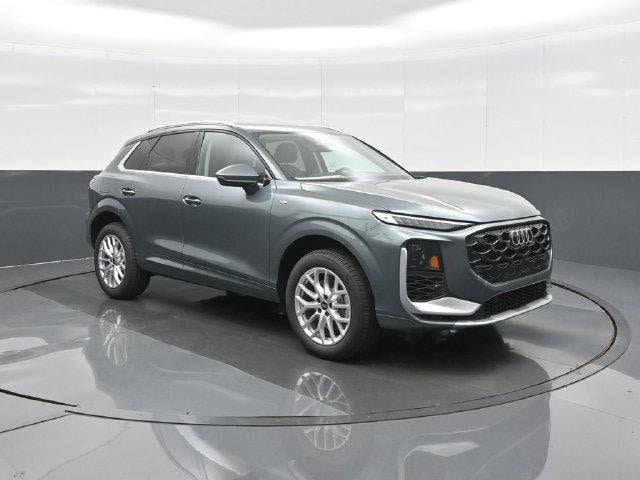
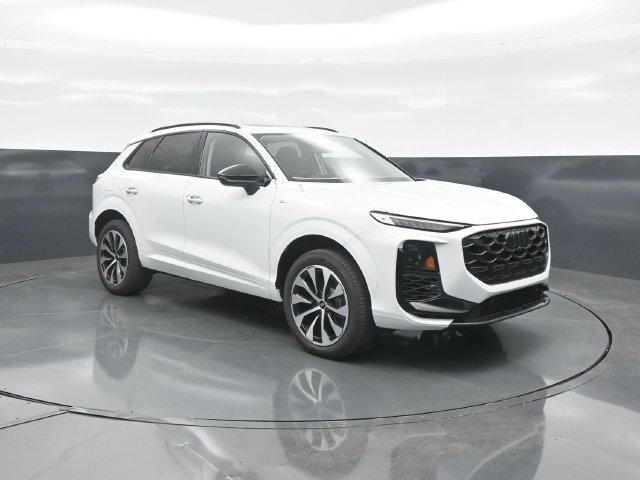
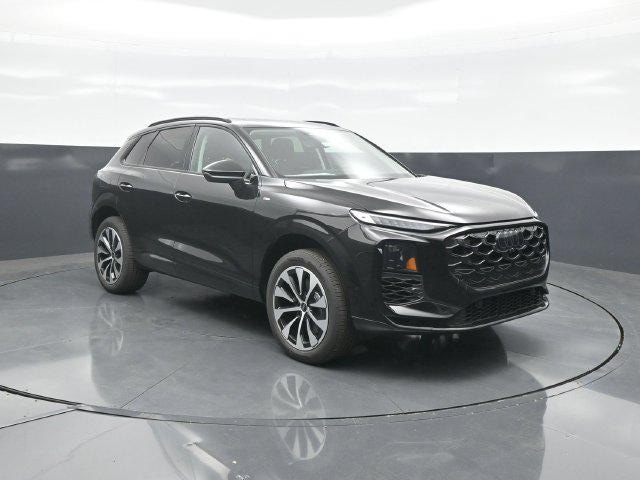
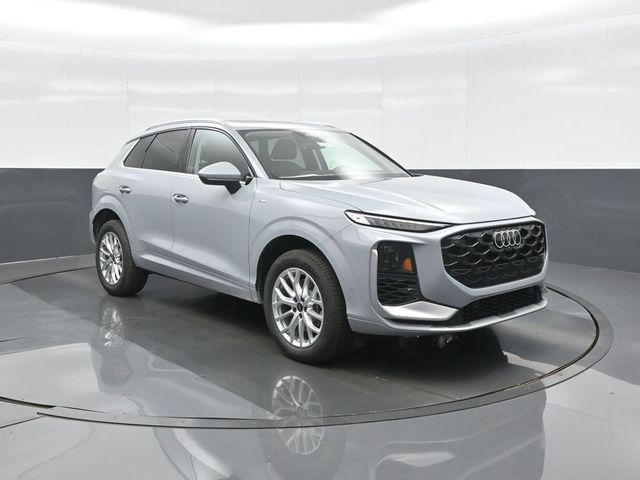
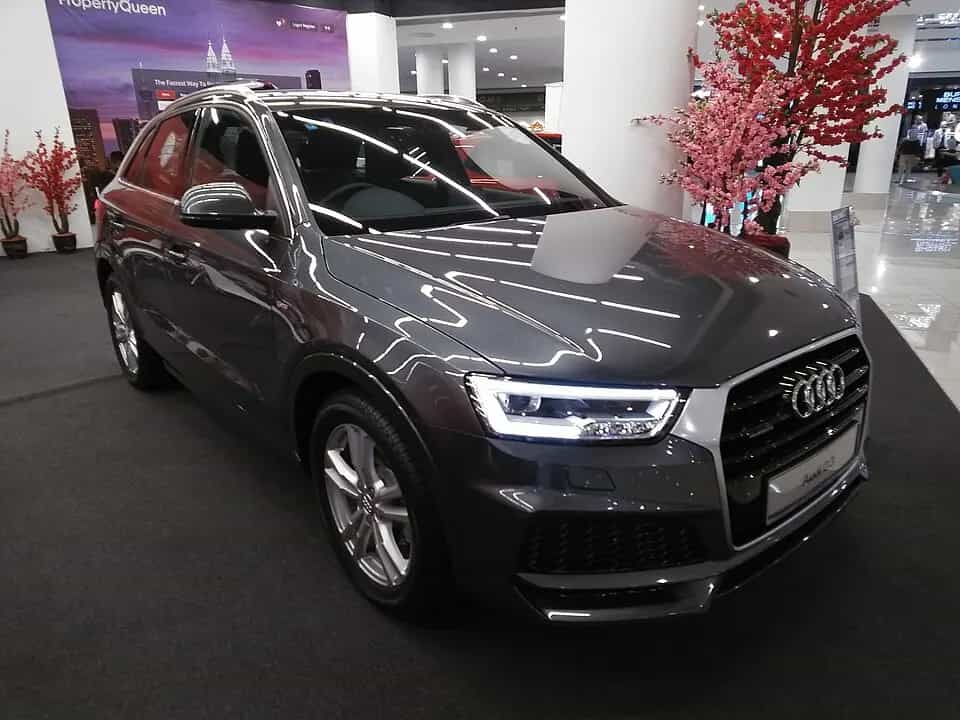
Audi Q3

Importing a used Audi Q3 from the USA

The Audi Q3 is a familiar sight on European roads, so the obvious question is why import one from the USA at all. The answer is spec and value: American Q3s are frequently loaded with quattro all-wheel drive as standard, generous option packages, and colour and trim combinations that differ from local supply. USCar Trader is an independent broker for used US vehicles, meaning we hunt down a particular Q3 to your requirements. Because the Q3 is generally built in Europe rather than the US, its origin marking is neutral, which directly shapes the customs outcome — we set that out below in plain terms.

Audi q3 – used car imported from the USA
Photo: Bindydad123 · CC BY-SA 4.0 · Wikimedia Commons

Model history: years and generations

Two generations matter for import. The first-generation Q3 (internal code 8U) launched in 2011 and reached the US market for the 2015–2018 model years. The second generation (F3) arrived for 2019 and brought a larger footprint, a fully digital cockpit option, a sharper interior and updated MMI infotainment. Note a body-style difference: while some markets received a coupe-like Q3 Sportback, the US was sold only the standard SUV silhouette, so most US-sourced cars will be the regular body.

Engines, transmissions and drive

US Q3s are turbocharged four-cylinder cars built around Audi's EA888 2.0-litre TFSI engine. First-generation US cars produced roughly 200–220 hp through a six-speed Tiptronic automatic, offered in front-wheel drive or with quattro. The second generation, badged 40 TFSI in the US, produces around 228 hp and pairs the EA888 with an eight-speed automatic; US second-gen cars typically came with quattro as standard, which is part of their appeal as imports. There is no diesel in the US Q3 range — all are petrol turbos.

Equipment lines and body styles

The Q3 is a five-door premium compact SUV. US trims were structured as Premium, Premium Plus and Prestige, often with S line styling packages that add sportier bumpers, wheels and interior trim. Prestige cars bring the fuller technology suite — larger displays, upgraded audio, adaptive features and premium lighting. Because American buyers tend to option Q3s heavily, a US Prestige with S line frequently carries equipment that would be a costly build-up in Europe.

The US used market

Availability is reasonable and steady rather than vast; the Q3 was a niche premium seller in the US. First-generation 2015–2018 cars appear at moderate mileage, while second-generation 2019-onward examples increasingly come off lease with low mileage and full options. Colours skew toward the darker and neutral palettes common in the US premium segment, though brighter examples surface. As always we do not quote Euro prices here — the practical point is that you can target a specific generation, trim and quattro drivetrain.

Is an import right for you?

A used US Q3 import suits a buyer who wants a fully loaded, quattro-equipped premium compact SUV at a specific spec that European supply does not readily offer, and who is comfortable with the small approval steps a US import needs. It is a strong choice for someone who values Audi's cabin quality and all-wheel-drive traction in a manageable footprint. If you specifically want a diesel or the Sportback body, a European car will serve you better.

Specs at a glance

AttributeDetail (generation-dependent)
Body style5-door premium compact SUV
Generations (import-relevant)Gen 1 (8U, US 2015–2018), Gen 2 (F3, US 2019+)
Engine2.0L EA888 turbo four-cylinder (TFSI)
Power (Gen 1)approx. 200–220 hp
Power (Gen 2, 40 TFSI)approx. 228 hp
Transmission6-speed (Gen 1) / 8-speed automatic (Gen 2)
DrivetrainFWD or quattro AWD (Gen 2 US: quattro standard)
FuelPetrol (premium recommended)
Length (Gen 2)approx. 4,485 mm
Fuel tankapprox. 58 litres
Seating5
US body styleStandard SUV only (no Sportback)
Origin markingNeutral — duty depends on actual build plant

Common issues buyers should know

The Q3's mechanicals are well understood because the EA888 turbo is used across the Volkswagen Group. Known watch points include carbon buildup on the intake valves over higher mileage (a characteristic of direct-injection engines), earlier-engine oil consumption, PCV valve wear, and water pump/thermostat assemblies that can weep with age. On older units the timing chain tensioner is worth checking, though later revisions improved this. The DSG/torque-converter automatics are generally durable when serviced on schedule. Electronically, the MMI infotainment and virtual cockpit can throw occasional glitches, and start-stop or electrical gremlins appear on neglected cars. A full Audi service history, evidence of regular oil changes with the correct specification, and a cold-start check for smoke go a long way. These are the same points that define Q3 reliability discussions in any market.

Differences from the European version

US Q3s carry US lighting (beam pattern and, often, differing turn-signal configuration), no rear fog lamp, miles-based instrumentation and US MMI mapping. The engine is tuned for US-market fuel and emissions, and infotainment menus default to English/US settings. None of these prevents German approval; they simply form the checklist for the TÜV and registration stage.

Import step by step

The order is consistent: choose the exact car and VIN; run a VIN and build-plant origin check to fix the customs treatment; pay through secure escrow; book ocean freight to a North European port; clear customs on arrival; complete a TÜV inspection with individual approval (Einzelabnahme under §21 StVZO where no matching EU type approval covers the car); and register in Germany. We coordinate the transfer from the US seller through to your registration office.

Customs and taxes: what applies

Bottom line: what matters is the factory shown by the VIN – proven US origin unlocks 0% duty. The 19% import VAT always applies.

The Q3 is marked neutral because it is generally built in Europe (for example in Győr, Hungary), not the US. The import duty therefore depends on where the specific car was actually built, proven via the VIN and plant code. A US-origin preference does not apply to a European-built car, so the standard rate for the actual plant will normally apply — the 0% EU duty under Regulations (EU) 2026/1455 and 2026/1461 is reserved for provable US origin with all conditions met (direct transport, in force since 1 July 2026, valid until 31 December 2029). We never call any import duty-free or guaranteed. Separately and in every case, the 19% German import VAT (Einfuhrumsatzsteuer) is due. We add no margin; you see each figure on its own.

Modifications and single-vehicle approval

Typical approval work covers headlight verification or adjustment to European specification, fitting a rear fog lamp, confirming the speedometer and adding km/h where needed, and documenting the odometer. Once individual approval is granted, registration follows the standard route.

What to verify before buying

  • Confirm the VIN and actual build plant to determine the correct duty rate.
  • Order a Carfax or AutoCheck history and check accident and title records.
  • Insist on a clean title; treat salvage/rebuilt with caution.
  • Review Audi service history and oil-change intervals for the EA888.
  • Cold-start the car and watch for smoke indicating oil consumption.
  • Check MMI/virtual cockpit function and for stored fault codes.
  • Inspect for corrosion and confirm quattro operation where fitted.

Common questions

Can I import a used Audi Q3 from the USA?

Yes. Both generations can be imported as used vehicles and approved for German registration via individual approval where required.

Will the Q3 get 0% EU import duty?

Usually not, because the Q3 is generally built in Europe, not the US. The duty depends on the actual build plant shown by the VIN, and the 0% preference applies only to provable US origin.

Is the 19% import VAT always due?

Yes. The 19% German import VAT applies to every import regardless of the duty rate.

Which US Q3 has all-wheel drive?

Second-generation US cars (40 TFSI) generally came with quattro as standard; first-generation cars offered quattro as an option.

What are common Q3 problems?

Carbon buildup, water pump/thermostat wear, occasional oil consumption on older engines, and infotainment glitches are the main items.

Is there a diesel US Q3?

No. All US Q3s are petrol EA888 turbo four-cylinders.

Does the US Q3 come as a Sportback?

No. The US received only the standard SUV body, so most US-sourced cars will be that shape.

Can you source a specific trim?

Yes. As a broker we search the US market for the exact trim, options and colour you want.

Browse more Audi in the Carhub, compare the related Audi Q5 and Audi A3, or see current Q3 listings.