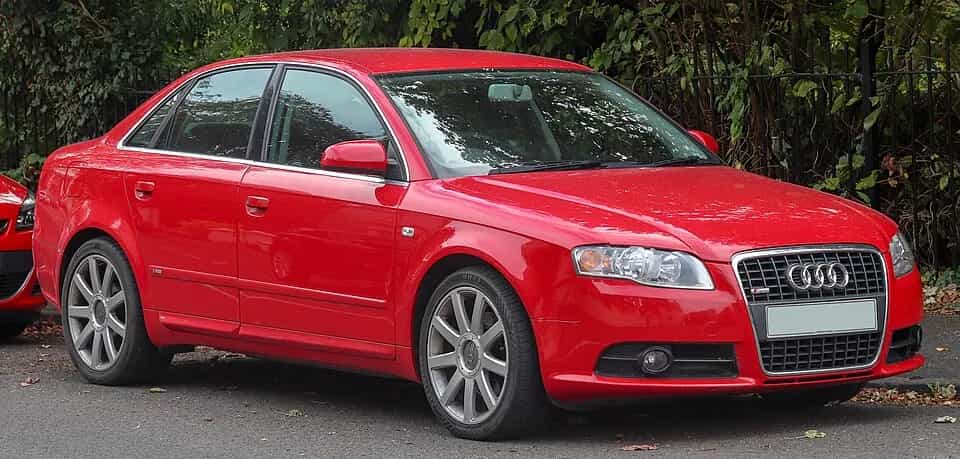
Audi A4

Importing a used Audi A4 from the USA

Importing a used Audi A4 from the USA is a slightly unusual move - the A4 is a German car, after all - but it can make sense for a specific US-market configuration, a particularly clean example, or a return-import for someone who fell for a certain spec while living in the States. The A4 is Audi's compact executive sedan, a direct rival to the BMW 3 Series and Mercedes C-Class, and the American versions carry their own equipment and drivetrain quirks. As an independent broker for used vehicles, USCar Trader can source and manage the whole import; we take no dealer margin and represent your interests, not a manufacturer's.

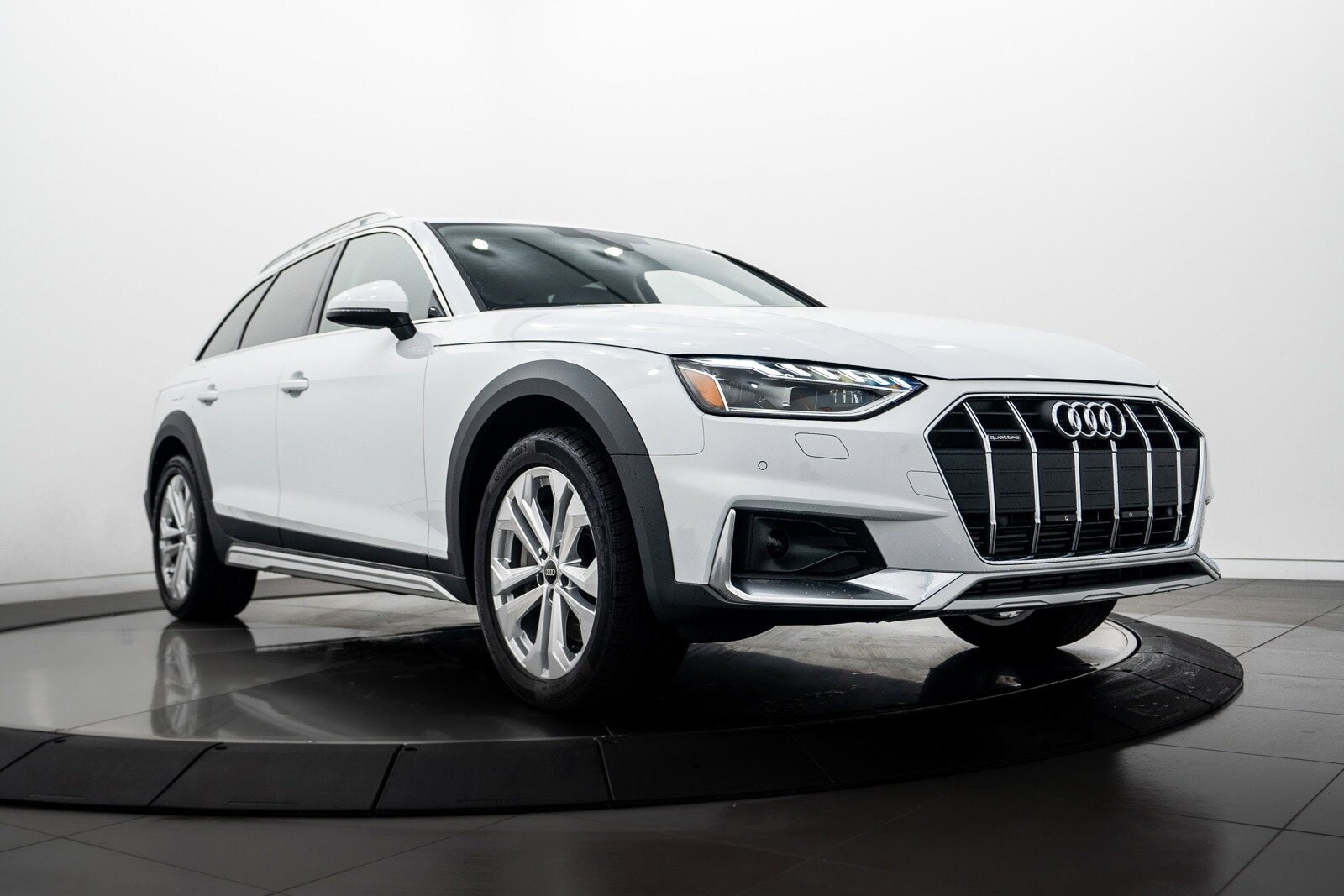
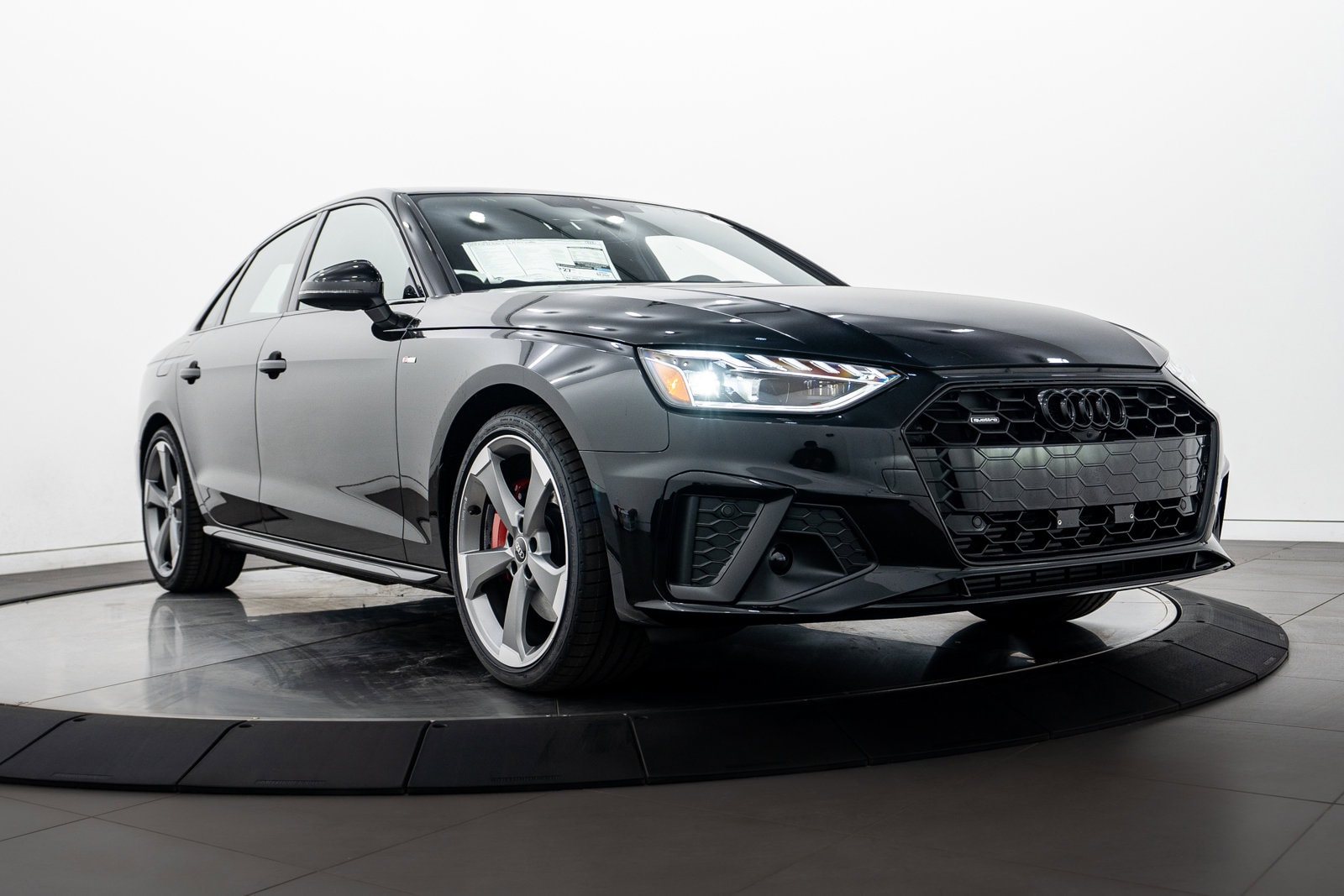
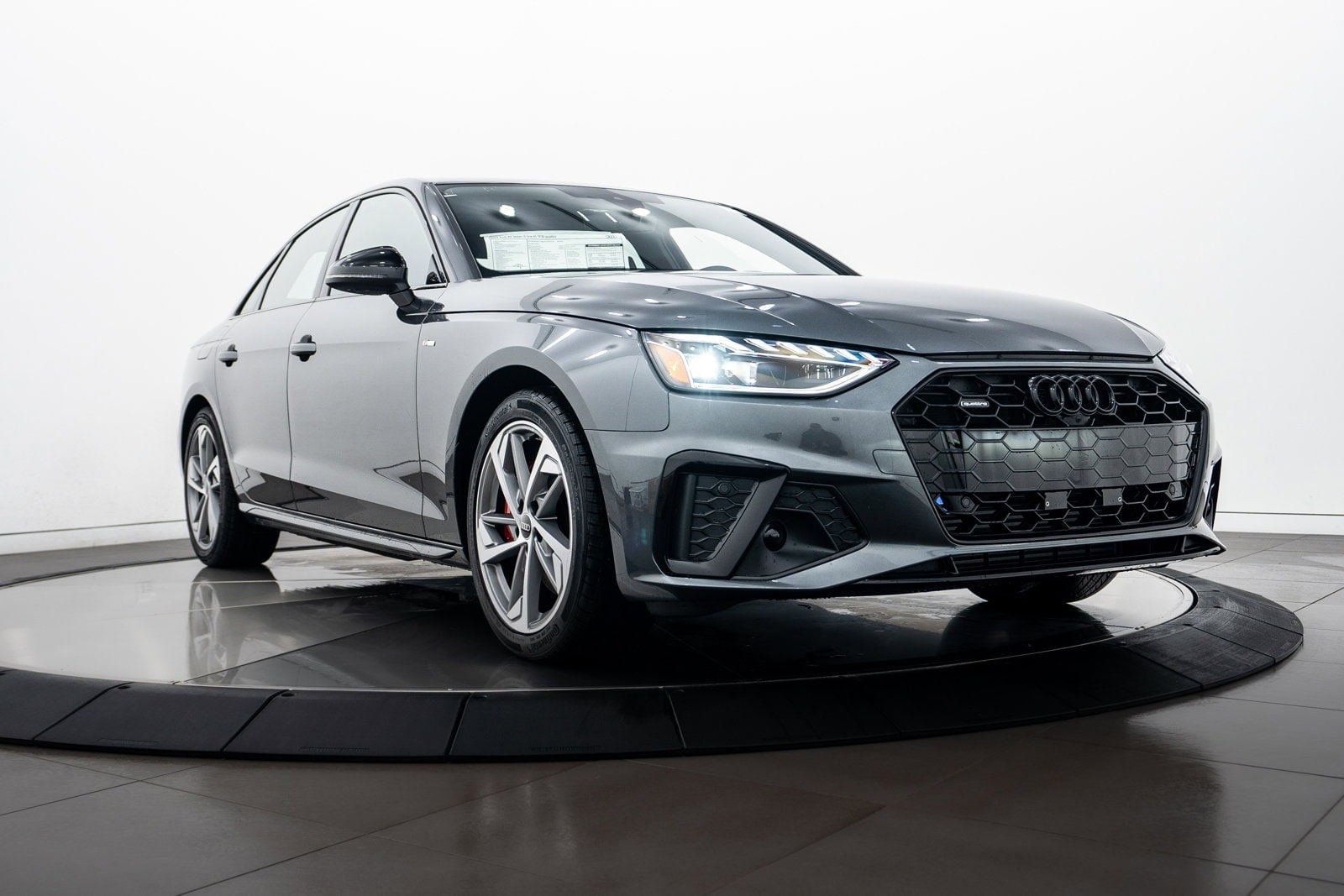
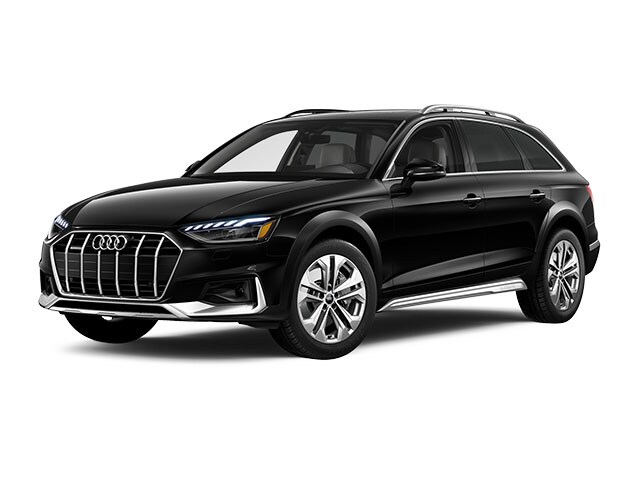
Audi A4 – used car imported from the USA
Photo: Vauxford · CC BY-SA 4.0 · Wikimedia Commons

Model history and generations

The A4 has run through several generations relevant to the US used market. The B6 (2002-2005) and B7 (2005-2008) were closely related, with the B7 bringing sharper styling and updated engines. The B8 (2009-2016) was a major step, larger and more refined, with a mid-cycle B8.5 facelift for 2013. The current-for-the-used-market B9 arrived for 2017, sitting on the MLB Evo platform with a lighter structure, digital cockpit options and cleaner aerodynamics. Each generation was sold in the US as a sedan, with the Avant estate a rarity there and the raised Allroad offered in later years.

Engines and drivetrain

US A4s are dominated by turbocharged four-cylinder petrol engines. The B7 offered a 2.0T FSI and a 3.2 V6; the B8 centred on the 2.0T TFSI (EA888), rated around 211 hp, alongside a 3.2 FSI V6 early on. The B9 uses a 2.0 TFSI in two tunes, commonly around 190 hp and 252 hp. Transmissions include a six-speed manual (rare), a CVT (multitronic) on front-drive cars, and the smooth S tronic dual-clutch or a conventional automatic depending on year and drivetrain. quattro all-wheel drive is the configuration most European buyers seek; many US cars, however, were front-wheel drive, so always check the specific car.

Which trim makes sense

American A4s were sold in Premium, Premium Plus and Prestige trims, each adding equipment such as leather, upgraded audio, navigation, LED lighting and driver-assistance features. The sporty S line appearance package appears on many cars. The performance S4 - supercharged 3.0 V6 on the B8, turbocharged V6 on the B9 - is a related model worth noting if you want more urgency. Body-wise, the sedan is by far the most common US import candidate.

Supply on the US market

A4s are common across the United States, particularly in coastal and metropolitan areas. Typical import candidates are B8.5 and B9 sedans, often quattro Premium Plus cars, with mileage in the 60,000 to 160,000 km range. Sun-belt cars tend to have rust-free bodies but can show interior UV wear; northern cars may carry road-salt corrosion underneath. Because the A4 was sold new here too, comparing the US car's spec and history against European equivalents is straightforward and worthwhile.

Who benefits from importing

A US A4 import suits a buyer chasing a particular US colour-and-trim combination, a well-kept low-owner car found stateside, or an emotional return-import. It is a comfortable, well-built compact executive that drives well and holds its composure on the Autobahn. If you simply want any A4, the German used market is easier - but for the right specific car, the import route is entirely viable.

Technical data

SpecificationTypical figure (B9 2.0 TFSI quattro)
Body styleCompact executive sedan (4-door)
Engine2.0 L TFSI EA888 turbo four, petrol
Power outputapprox. 190-252 hp (by tune)
Torqueapprox. 320-370 Nm
Transmission7-speed S tronic / automatic (manual rare)
Drivetrainquattro AWD or front-wheel drive
0-100 km/happrox. 5.8-7.1 s
Lengthapprox. 4.73 m
Wheelbaseapprox. 2.82 m
Kerb weightapprox. 1,500-1,600 kg
Boot capacityapprox. 460 litres
Fuel tankapprox. 54-58 litres
Seating5
GenerationsB6, B7, B8/B8.5, B9
Production (relevant)2002-2024

Known weak points and maintenance

The A4's reputation depends heavily on engine and generation. Early EA888 2.0T engines (roughly 2009-2012 B8) are known for high oil consumption and, on some builds, timing-chain-tensioner wear that can be serious if ignored - a widely discussed Audi A4 common problem. Direct injection brings carbon build-up on intake valves over time, sometimes requiring walnut-blasting. The multitronic CVT fitted to front-drive cars has a mixed durability record and is best avoided by cautious buyers. Water pumps, PCV valves and coolant components are typical maintenance items. The B9 generation is generally regarded as more robust, with the oil-consumption issue largely resolved. Thorough service history is the single best predictor of a trouble-free car.

US and EU spec compared

US A4s use miles-per-hour instruments, US Federal lighting and North American infotainment/radio bands. Emissions calibration is US-market, and some driver-assistance and lighting features differ from European cars. Front-wheel-drive versions were more common in the US than here, so a European buyer specifically wanting quattro must verify the individual car. None of these differences prevents registration, but they shape the conversion work.

The import process in detail

Selection to your specification; VIN and origin verification with a full history report; escrow payment so money is released only against clean documents; ocean freight by container or RoRo from a US port to Bremerhaven or Rotterdam; EU customs clearance; technical inspection and individual approval at TUV or DEKRA; and German registration. We manage each step and keep the paperwork in order.

What customs clearance really costs

Key point: duty depends on the plant of build; only a VIN check secures the 0% rate. Import VAT of 19% applies regardless.

Two separate charges apply. The customs import duty is origin-dependent: the 0% rate under Regulations (EU) 2026/1455 and 2026/1461 (in force 1 July 2026 to 31 December 2029, direct transport) applies only to vehicles of provable US origin verified by VIN and plant. The A4 is built in Germany (Ingolstadt/Neckarsulm) rather than the USA, so a US-market car does not qualify on origin grounds and the standard duty rate normally applies; we confirm the correct rate from the VIN. Separately - and in every case - the 19% German import VAT (Einfuhrumsatzsteuer) is charged on the customs value. We never call any import "duty-free" and we itemise these costs with no margin.

TUV, modifications and registration

Conversion work typically covers European-compliant headlights, a rear fog lamp, side marker/indicator adaptation and a km/h speedometer (many Audi clusters can switch units). The odometer reading is documented and converted where required. After a successful individual approval, you receive the documents to register the car and get German plates.

Check before you buy

Confirm the following before buying: decode the VIN to confirm engine, drivetrain (quattro vs. FWD) and build details; obtain a full Carfax or AutoCheck history for accidents, title and odometer; on 2009-2012 2.0T cars, check for oil-consumption and timing-chain history; inspect for northern road-salt corrosion; verify a clean, non-salvage title; review service records, especially oil and timing-chain-related work; and arrange an independent inspection where possible.

Common questions

Can I import a used Audi A4 from the USA to Germany?

Yes. Even though the A4 is a German car, a US-market example can be imported and registered here after individual approval.

Does a US-built origin apply to the A4?

No. The A4 is built in Germany, so a US-market car is not of US origin. The 0% duty tied to US origin does not apply, and the standard rate normally does; we confirm from the VIN.

Is the 19% import VAT always due?

Yes. The 19% German import VAT applies to every import, regardless of origin, on the customs value.

Which A4 engine is most trouble-free?

Later B9 2.0 TFSI cars are generally the most robust. Early B8 2.0T engines can suffer oil consumption and timing-chain wear.

Should I avoid the multitronic CVT?

Cautious buyers prefer quattro cars with S tronic or automatic gearboxes, as the front-drive multitronic CVT has a mixed reliability record.

How reliable is the Audi A4 overall?

Well-maintained cars are solid, but service history is decisive. Direct-injection carbon build-up and coolant components are typical upkeep items.

How is it shipped?

By container or RoRo from a US port to Bremerhaven or Rotterdam, then EU customs clearance.

Will a US A4 pass German TUV?

Yes, after standard lighting, rear fog lamp and speedometer work plus individual approval.

See more from Audi in the Carhub, compare the larger Audi A6, the sporty Audi S4 or the coupe-styled Audi A5, or browse the current A4 listings.