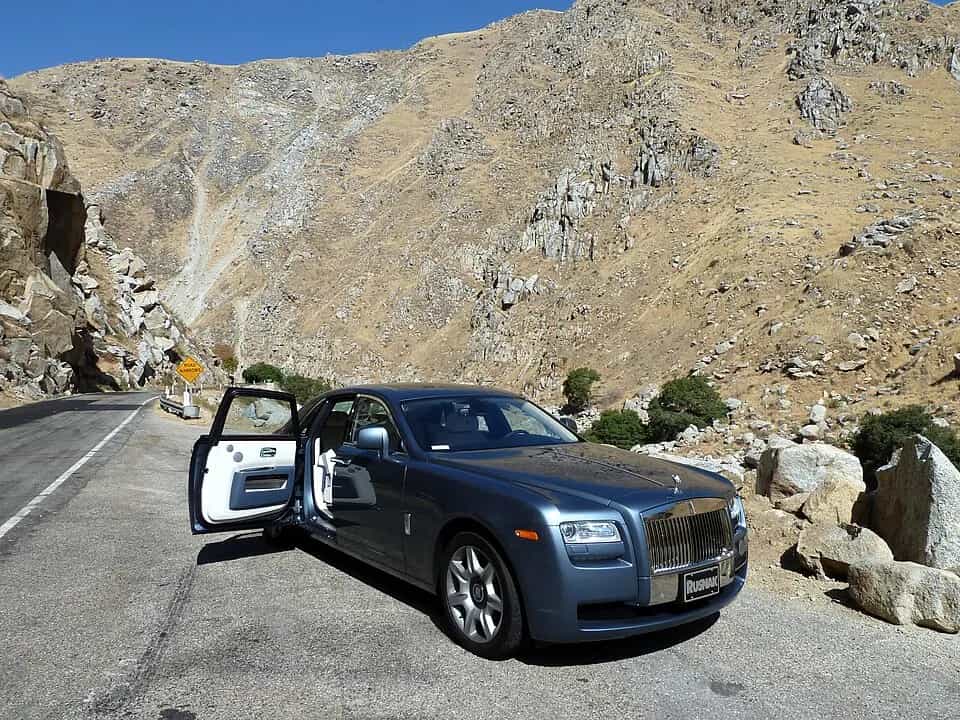
Rolls-Royce Ghost
Importing a used Rolls-Royce Ghost from the USA
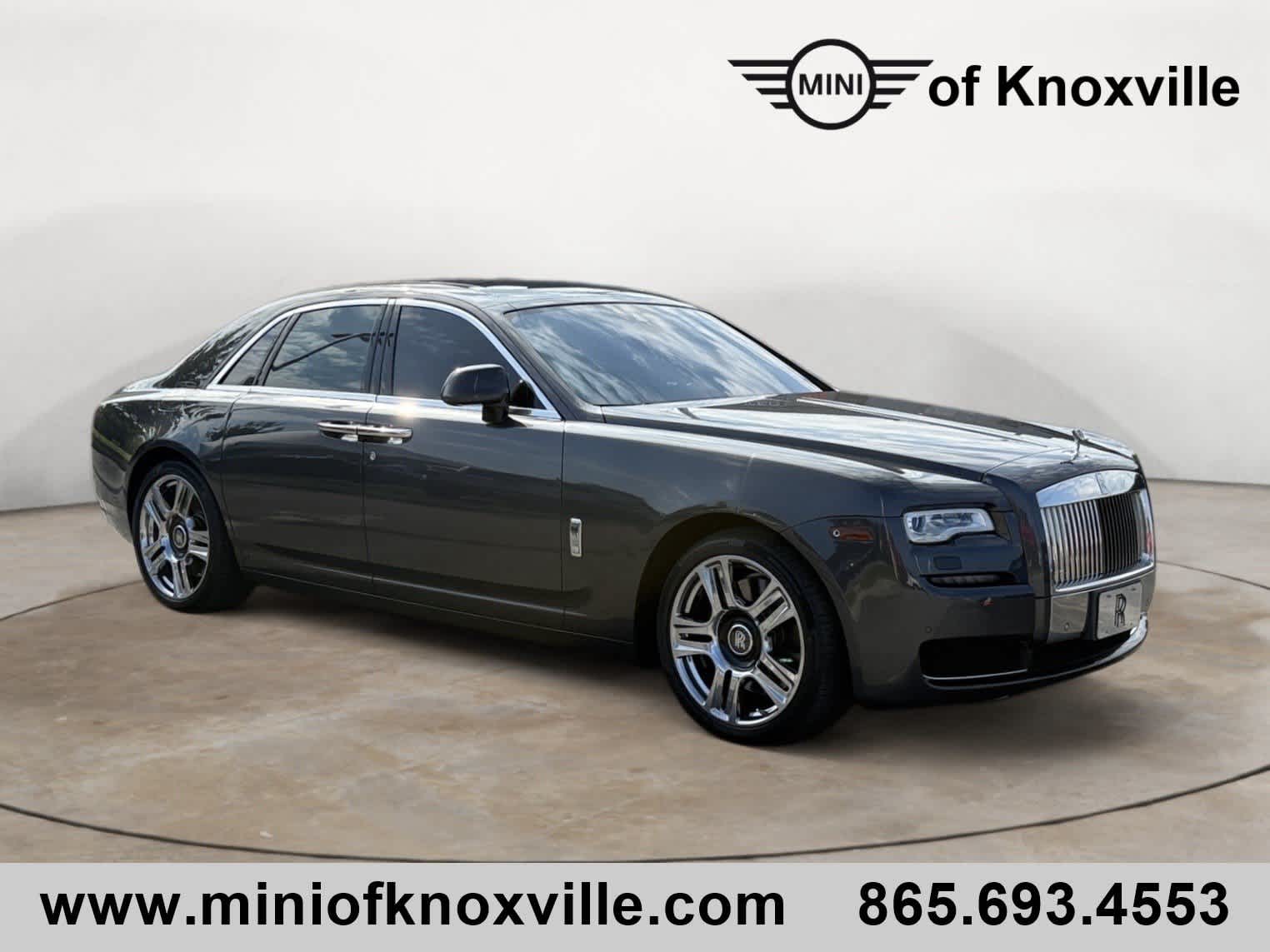
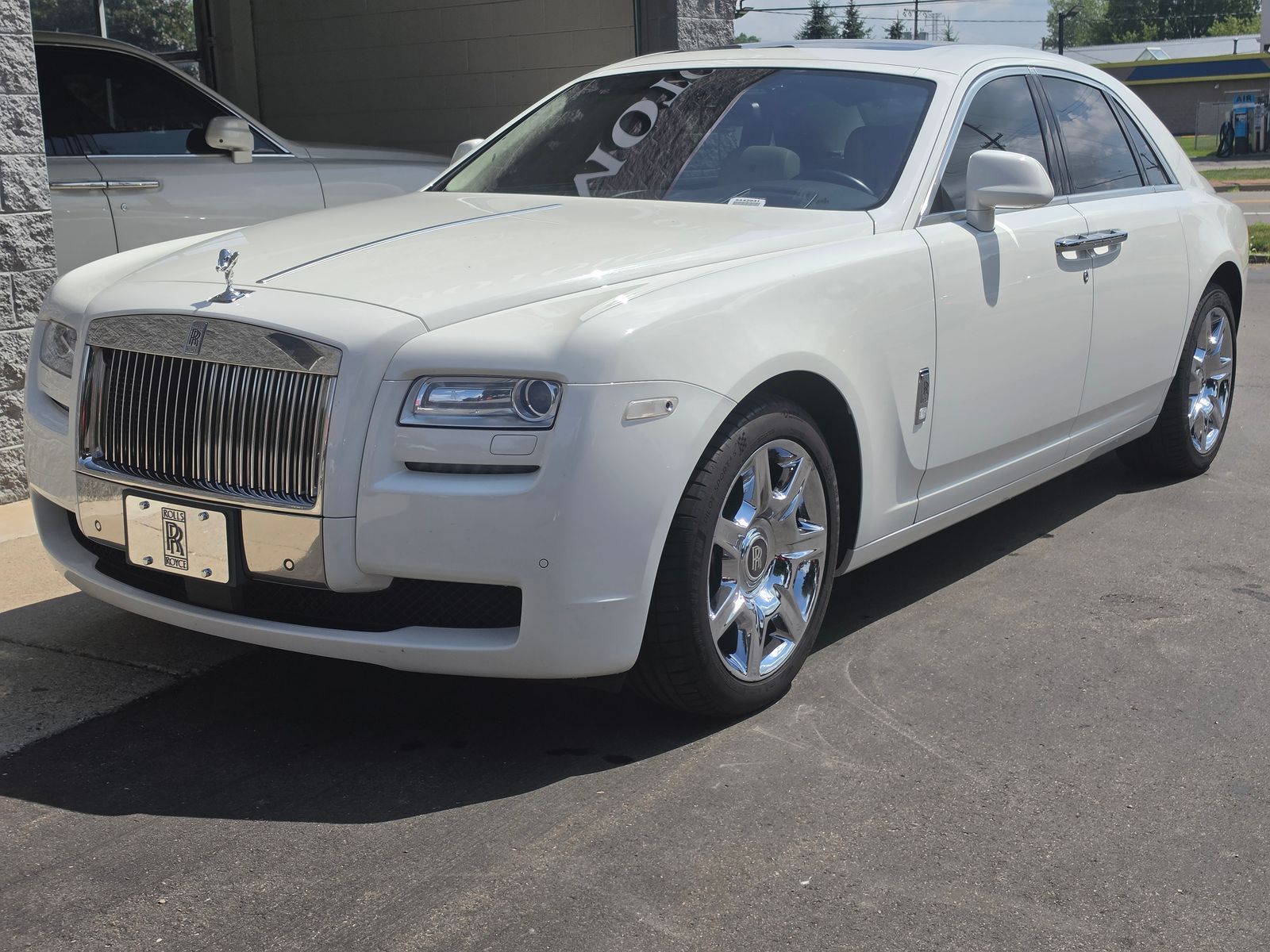
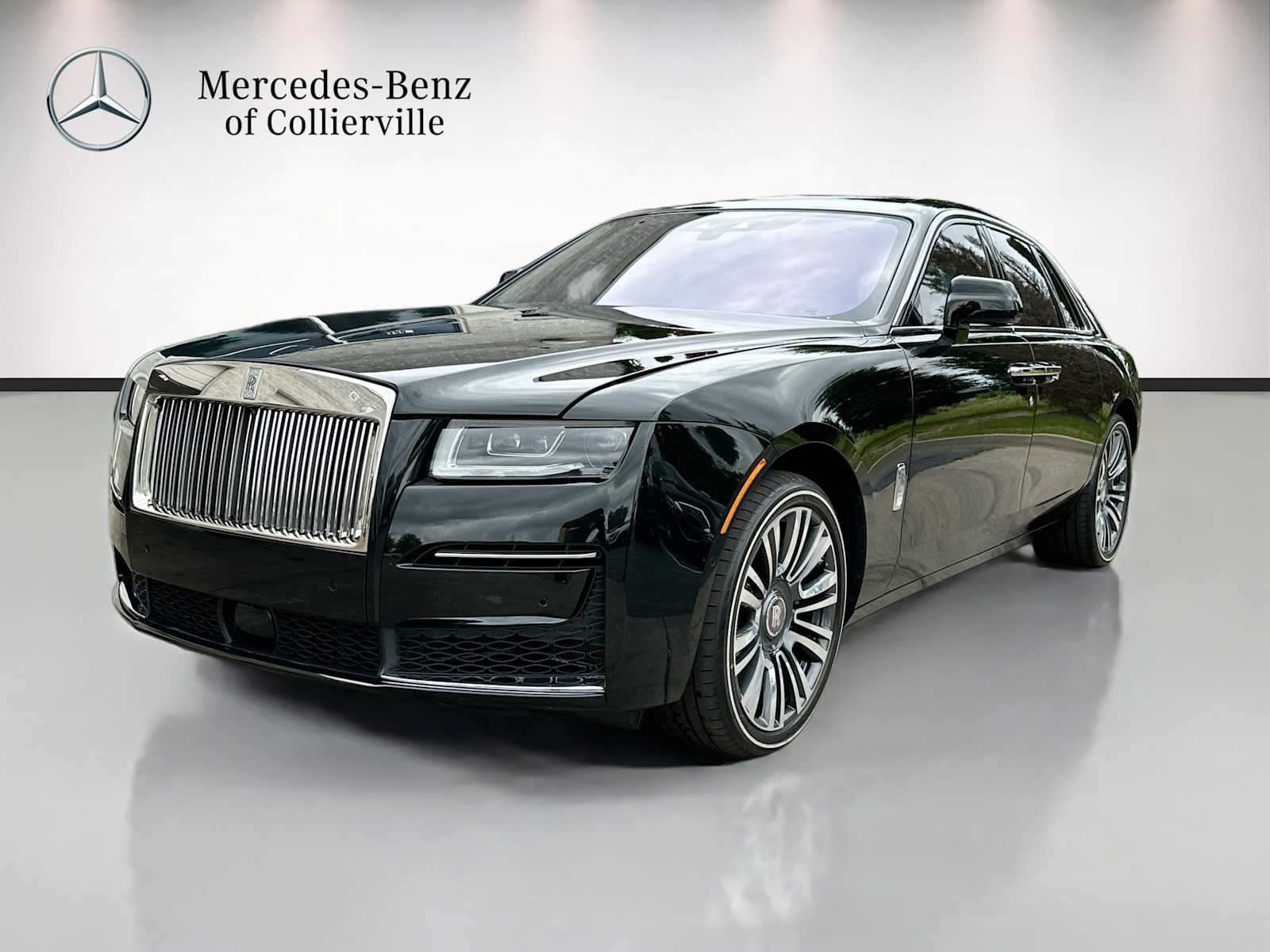
The Ghost is the Rolls-Royce built to be driven as much as ridden in: a twin-turbo V12 saloon that pairs Phantom-grade cabin silence with genuine pace. The American used market is one of the largest sources of well-kept examples, often low-mileage cars from careful owners in dry climates, and US depreciation makes them worth a serious look for a European buyer. USCar Trader acts as an independent broker for used US vehicles, sourcing a specific Ghost, verifying its provenance and handling shipping and German approval end to end.

Generations at a glance
The first-generation Ghost launched in 2010 on a BMW-derived platform, then received the Series II facelift in 2014 with revised styling and electronics. Rolls-Royce also offered the long-wheelbase Ghost Extended for rear-seat comfort and, later, the darker, more powerful Black Badge. The second-generation Ghost arrived for 2021 on the aluminium spaceframe architecture shared with the Phantom and Cullinan, bringing the Planar suspension system, satellite-aided transmission and, for the first time on a Ghost, all-wheel drive and rear-wheel steering. US lots carry both generations.
Powertrain lineup
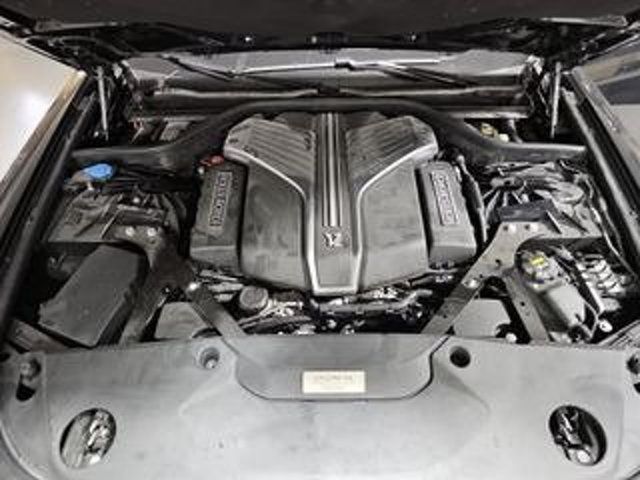
The first-generation Ghost uses a 6.6-litre twin-turbo V12 producing around 563 hp (rising to about 603 hp in Black Badge form), driving the rear wheels through a ZF eight-speed automatic. The second-generation car adopts a 6.75-litre twin-turbo V12 with roughly 563-571 hp (592 hp in Black Badge), now with all-wheel drive. Both are effortlessly torquey and almost inaudible at cruise, delivering the signature Rolls-Royce wave of thrust rather than drama. The gen-two transmission reads the road ahead using GPS to pre-select ratios for seamless progress.
Trims in the US market
The Ghost is a four-door saloon, offered in standard and extended wheelbase, with the Black Badge as the sportier, blacked-out flagship. Bespoke options dominate, so US cars vary enormously in specification: starlight headliners, rear theatre configurations, picnic tables, contrast coachlines and near-limitless paint and leather combinations are common.
The used market stateside
Availability is good across both generations. First-generation cars from 2011-2019 are the value entry point and typically show modest mileage; second-generation cars are newer and pricier. Many US examples come from Florida, California and Texas, meaning dry, corrosion-free underbodies and comprehensive service histories from franchised dealers.
Who should import one
Import a used Ghost from the USA if you want the full Rolls-Royce experience with real driving ability, and if you value low-mileage, well-documented cars at US market levels. It rewards an owner who budgets properly for maintenance, tyres and brakes. It is not a car for tight running-cost expectations, but few vehicles isolate you from the world so completely.
Key specifications
| Specification | Detail (Rolls-Royce Ghost) |
|---|---|
| Body style | Four-door luxury saloon (standard / extended) |
| Generations | Gen 1 (2010-2020), Gen 2 (2021-present) |
| Engine (Gen 1) | 6.6 L twin-turbo V12 |
| Engine (Gen 2) | 6.75 L twin-turbo V12 |
| Power output | approx. 563-603 hp depending on variant |
| Transmission | ZF 8-speed automatic (satellite-aided on Gen 2) |
| Drivetrain | Rear-wheel drive (Gen 1) / all-wheel drive (Gen 2) |
| 0-100 km/h | approx. 4.5-4.9 s |
| Length (Gen 2 standard) | approx. 5,546 mm |
| Wheelbase (Gen 2 standard) | approx. 3,295 mm |
| Kerb weight | approx. 2,490-2,560 kg |
| Fuel tank | approx. 82 L |
| Seating | 4-5 |
| Fuel type | Petrol |
| Typical US mileage | often low, well-documented |
How reliable is it?
The BMW-sourced V12 and ZF automatic are fundamentally durable, and the Ghost is more solidly engineered than its exotic price suggests. The costs are in the details rather than in fragility. Watch the air suspension components, which are expensive when they wear; the cooling system and turbocharger plumbing on higher-mileage first-generation cars; and the vast electronics suite, where the odd module or sensor fault can appear. Brakes and tyres are large and pricey, and coolant, battery and 12-volt electrical health matter on cars that have sat. There are no cheap repairs on a Ghost, so a full service history and a specialist inspection are worth far more here than on an ordinary car. Ghost reliability is genuinely good; Ghost running costs are not, and buyers should plan for both.
What US models do differently
US cars carry amber side markers, mph-primary instruments, US headlamp aiming and US-band infotainment. Emissions and telematics may differ from European cars. These are routine to address but are precisely what the individual approval examines before registration.
Seven steps to your import
The exact car and VIN are selected first, then a VIN and origin check establishes the build plant. USCar Trader arranges secure escrow payment, inland transport to the US port, enclosed handling where appropriate, ocean freight to a European harbour and customs clearance on arrival. The Ghost then passes TÜV inspection and individual approval (Einzelabnahme) before German registration.
Customs, taxes and costs explained
Remember: no origin proof, no 0% duty – and 19% German import VAT is due on every import.
The Ghost is built in Goodwood, England, so it is flagged origin-neutral: the applicable import duty depends on the actual plant shown by the VIN, and the 0% EU rate under Regulations (EU) 2026/1455 and 2026/1461 applies only with provable US origin, which a UK-built car will not have. Separately, the 19% German import VAT (Einfuhrumsatzsteuer) always applies and is calculated on its own. We never promise duty-free import and add no hidden margin.
German TÜV and registration
Typical work includes rear fog lamp fitment, headlight adjustment or replacement for the correct beam pattern, amber-free indicators where required, a km/h speedometer and a documented odometer reading. Individual approval then clears the car for the registration office.
The buyer checklist
Verify the VIN and build details. Pull a Carfax or AutoCheck history for accidents and title status. Confirm a clean, non-salvage title. Insist on a full franchised-dealer service record. Have a marque specialist inspect the air suspension and electronics. Check tyre age and brake wear. Confirm all bespoke features function correctly.
Questions and answers
Is the Rolls-Royce Ghost engine related to BMW?
Yes. Both generations use a bespoke Rolls-Royce twin-turbo V12 derived from BMW engineering, which contributes to their durability.
What is the difference between the two Ghost generations?
The first generation is rear-drive on a BMW-based platform; the second generation uses the aluminium spaceframe with all-wheel drive, rear-wheel steering and Planar suspension.
Are US Ghosts usually low-mileage?
Many are. They tend to come from careful owners in dry states with complete dealer histories.
Will the 0% EU import duty apply?
Only with provable US origin. The Ghost is built in England, so the standard rate applies and the 19% import VAT always applies separately.
Is a used Ghost expensive to maintain?
The drivetrain is robust, but suspension, brakes, tyres and electronics are costly, so budget accordingly.
What is a Ghost Black Badge?
It is the darker, more powerful and more driver-focused version, with unique styling and a higher output.
Can a Ghost be registered in Germany without trouble?
Yes, after the usual individual approval and lighting and speedometer adjustments.
How long does the import take?
Generally several weeks from purchase to plates, driven by shipping and TÜV scheduling.
Browse more Rolls-Royce in the Carhub, compare the Cullinan, the Bentley Flying Spur and the Bentley Continental GT, or view current Ghost listings.