Importing a used Porsche Taycan from the USA
USCar Trader works as an independent broker. We do not sell the car, we take no margin on it, and we hold no manufacturer partnership.
 0049 (0)89 2000 791 00
 Mo - Fr 8:00am - 8:00pm
USCar Trader import service
Choose a specific vehicle. Where data is available, its detail page shows the import cost calculation. We assess any possible duty benefit with you before purchase.
Important: A 0% EU import-duty rate may be available for a vehicle covered by Regulation (EU) 2026/1455 that has US origin and is imported directly into the EU. CETA may apply to a vehicle with preferential Canadian origin. Whether the requirements are met is assessed for the individual case. Please contact us before purchase; we review the possible duty benefit and provide non-binding support through the process. Import VAT and other costs are assessed separately.
CarHub · Porsche
The Taycan is Porsche's first series-production electric car, and it changed the conversation about what a battery-powered performance saloon could feel like.
Price:165,480.00 USD
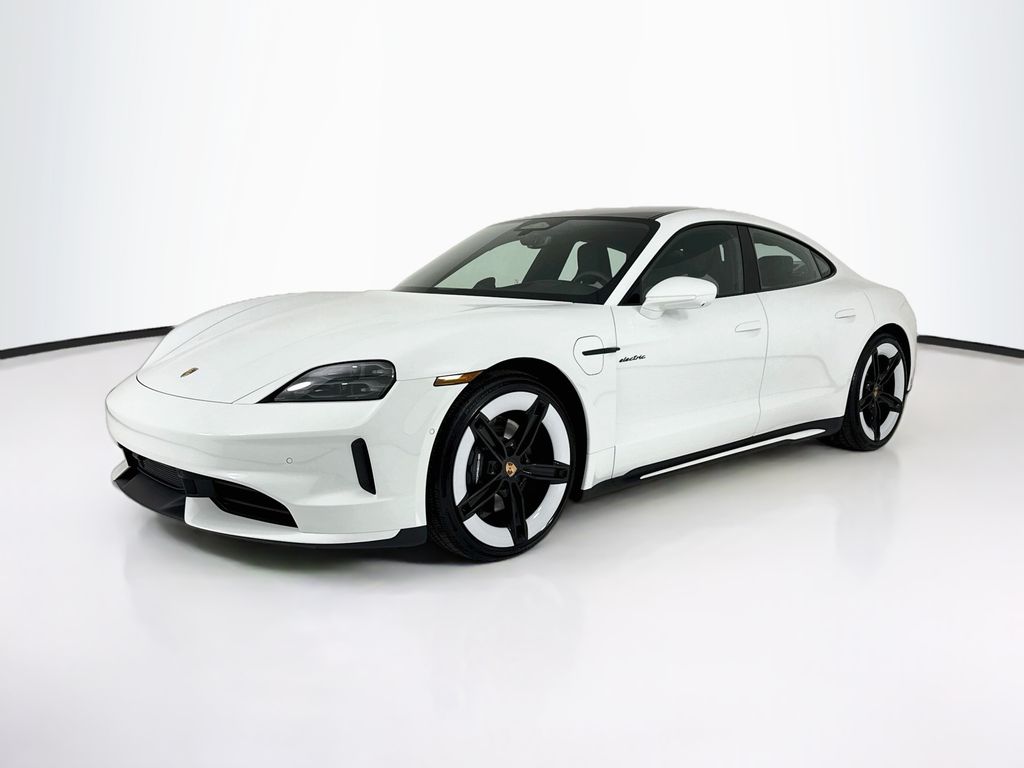
Price:142,770.00 USD
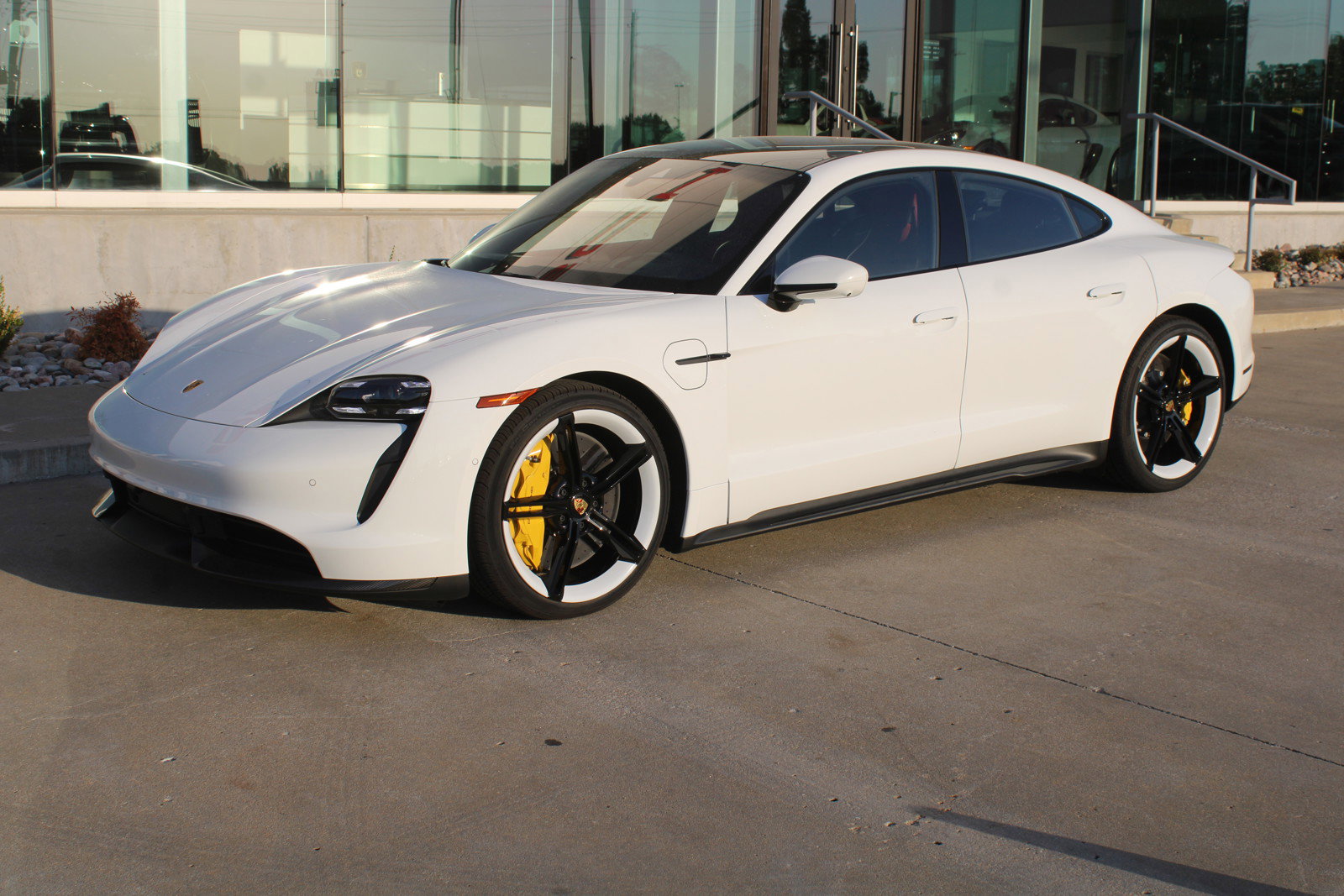
Price:226,710.00 USD
Price:131,285.00 USD
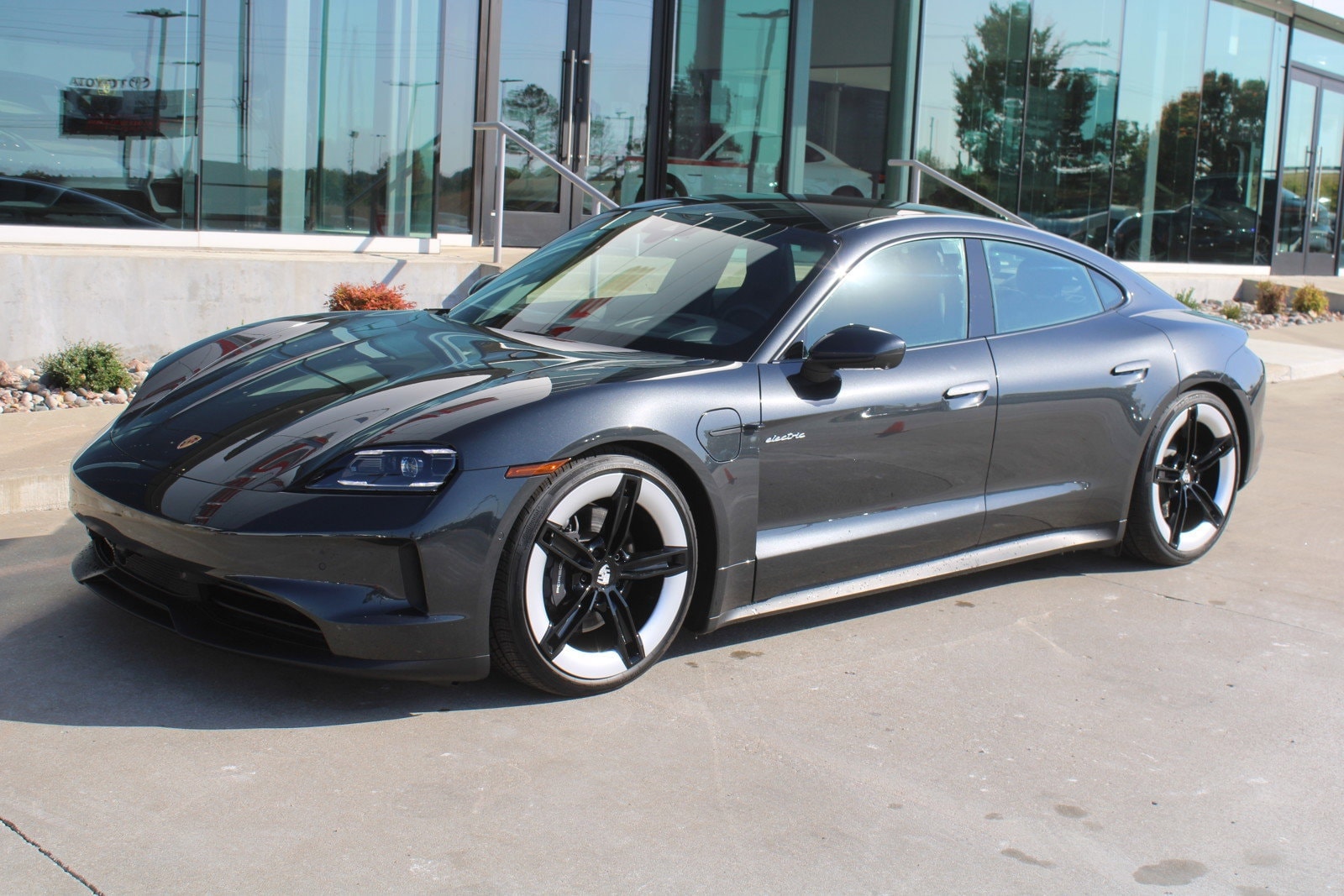
Price:126,875.00 USD
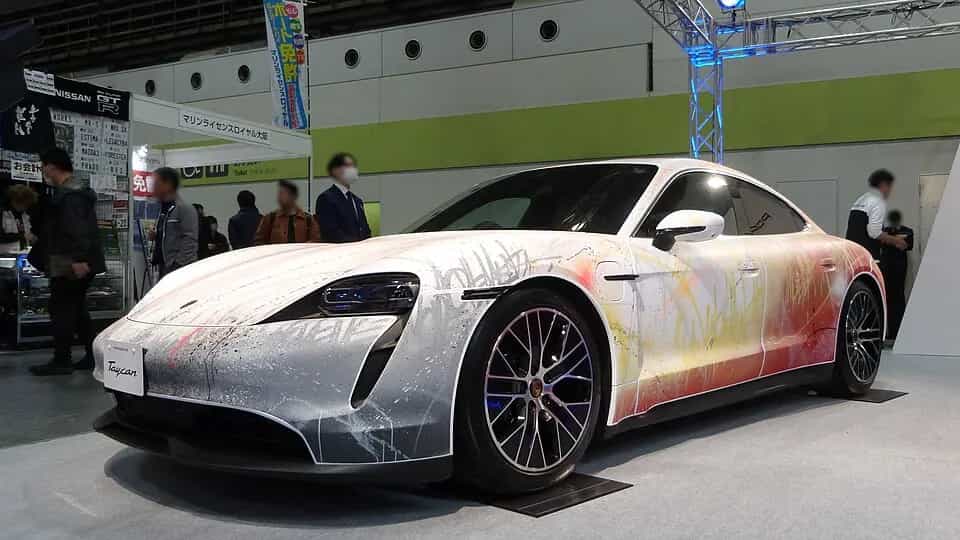
Model profile
USCar Trader works as an independent broker. We do not sell the car, we take no margin on it, and we hold no manufacturer partnership.
The Taycan arrived for the 2020 model year as the Turbo and Turbo S, with the rear-drive base Taycan, 4S and the wagon-like Cross Turismo following soon after.
Powertrain and equipment
The Taycan uses one or two permanent-magnet synchronous motors depending on trim. Rear-drive cars have a single rear motor; 4S, Turbo and Turbo S add a front motor for all-wheel drive.
Body styles are the low four-door sport saloon and the raised, more practical Cross Turismo and Sport Turismo estates. Trims run Taycan, 4S, GTS, Turbo and Turbo S, plus the later Turbo GT.
Vehicle selection
American Taycans are plentiful, and many are relatively young, low-mileage cars coming off early leases. That means well-equipped examples with remaining warranty potential and complete history.
A Taycan import suits the buyer who wants a specific high-spec configuration, a particular colour or the Cross Turismo body that can be hard to find locally, and who is comfortable with EV ownership.
Vehicle data
| Body styles | Detail: Saloon, Cross Turismo, Sport Turismo |
|---|---|
| Seats | Detail: 4–5 |
| Type | Detail: Battery-electric sport saloon / estate |
|---|---|
| Drive layout | Detail: Single rear motor or dual-motor AWD |
| Transmission | Detail: Two-speed on rear axle |
| Battery (gross) | Detail: approx. 79 kWh or 93 kWh (Plus) |
| Power range | Detail: approx. 400 hp to 750+ hp (by trim) |
| DC fast charging | Detail: up to approx. 270 kW (early cars) |
| Warranty note | Detail: Separate battery warranty terms |
| Fuel | Detail: Electric |
| US market launch | Detail: 2020 model year |
|---|---|
| System voltage | Detail: 800 V |
| 0–100 km/h (Turbo S) | Detail: approx. 2.8 s |
| Top speed (Turbo) | Detail: approx. 250–260 km/h |
| Suspension | Detail: Air suspension available |
| Rear-axle steering | Detail: Optional |
Values are reproduced verbatim from the existing article table. The documents for the specific vehicle govern.
Pre-purchase review
The Taycan is a well-engineered car, but it is complex. Early software and 12-volt battery issues were reported and largely addressed through updates; confirm the car is on current software. Some early cars were subject to campaigns and recalls, so a clean recall record matters.
Germany and Europe
US Taycans use the North American charging arrangement of the period, typically a CCS1 port rather than the European CCS2, which is a real practical consideration for home and public charging in Germany and may require an adapter or awareness of station compatibility.
Select a specific car and confirm its battery, options and software status.
Approval work centres on lighting: adapting or documenting headlights and fitting a rear fog lamp where required.
USCar Trader services
As a buyer based in Germany, you do not have to inspect the vehicle yourself in the United States or Canada. Within the agreed scope, USCar Trader can coordinate document review, a separately commissioned on-site inspection and purchase processing.
Covered inspection points are agreed in advance. An on-site inspection records condition at the appointment and is not a guarantee.
Next step: Before commissioning, USCar Trader and the customer agree which document, history, inspection and transaction checks suit the vehicle and are included in the service. This records what was actually checked.
Import process
The import process for a Porsche Taycan is planned around the specific listing, location, documents and commissioned service scope.
Questions and answers
Yes. As a used EV it is importable, and we manage the whole process from US purchase to German registration as your broker without taking a margin on the car.
No, not automatically. A 0% EU import-duty rate may be available for a vehicle covered by Regulation (EU) 2026/1455 that has US origin and is imported directly into the EU. CETA may apply to a vehicle with preferential Canadian origin. Whether the requirements are met is assessed for the individual case. Please contact USCar Trader before purchase; we review the possible duty benefit and provide non-binding support. Import VAT and other costs are assessed separately.
Import VAT and other taxes or costs are assessed separately under the applicable rules and the circumstances of the individual case. A blanket answer for every vehicle would not be reliable.
US cars typically use a CCS1 port rather than European CCS2. Charging is possible with awareness and adapters, but it is an important practical point to plan for.
Ask for a state-of-health readout and the charging history, and include a battery check in the pre-purchase inspection. This matters more than mileage on an EV.
They are solid but were subject to early software and campaign items. Confirm current software and a clean recall record before buying.
The saloon is lower and sportier; the Cross Turismo is more practical. Both import the same way, so choose on use, not on process.
Identify any changes before purchase. Lighting and non-original parts may need adjustment for German approval.
More vehicles