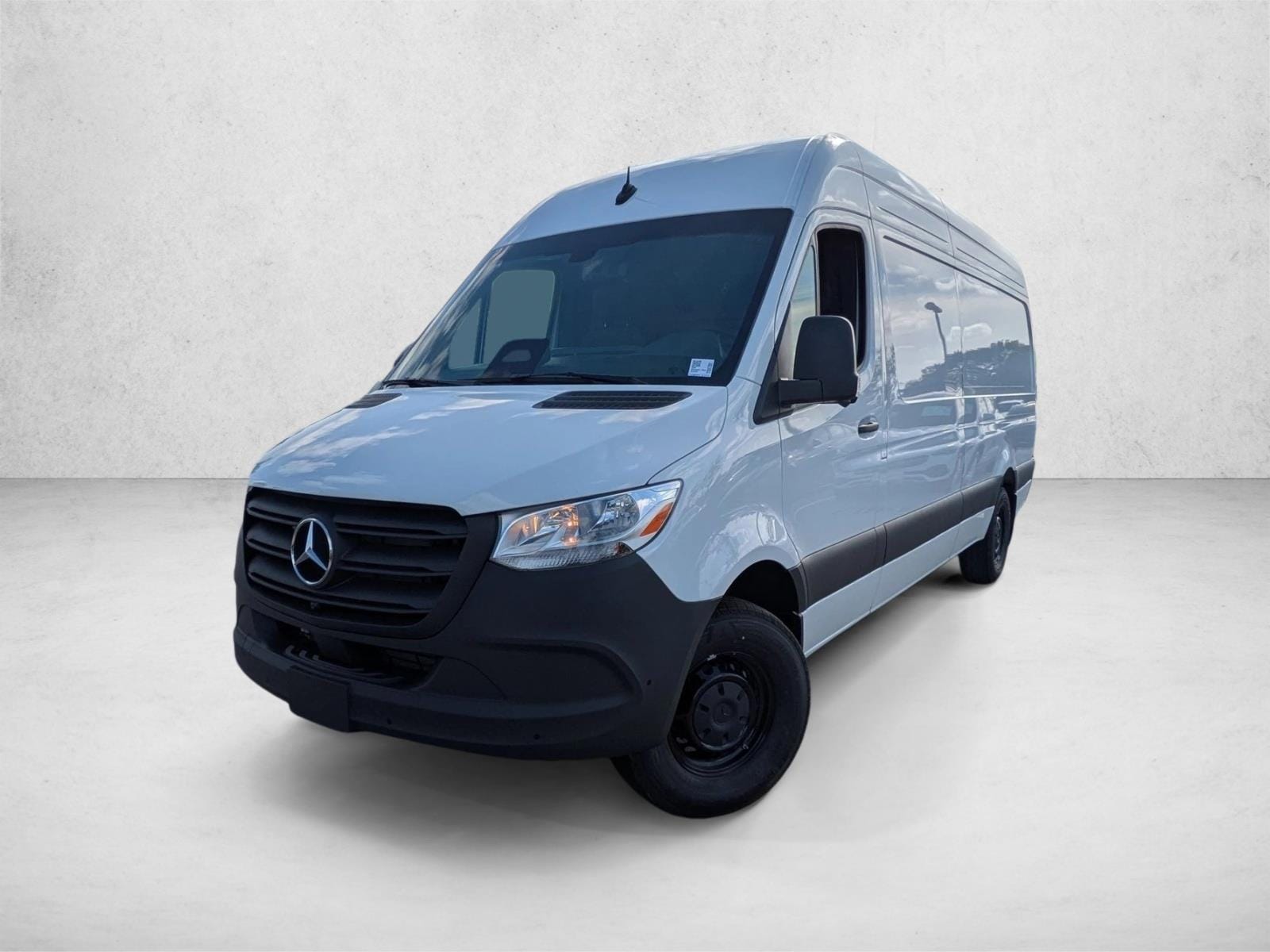
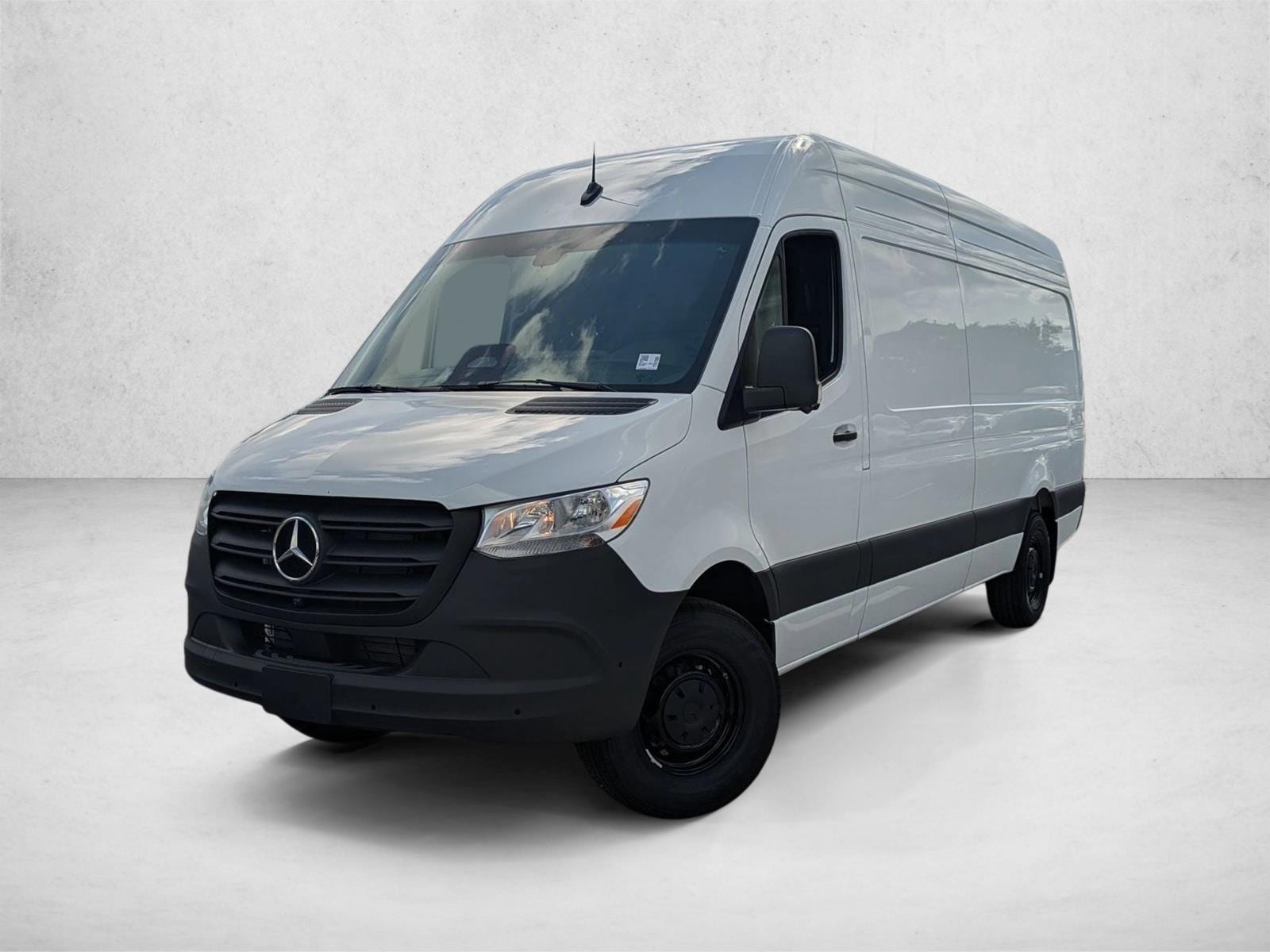
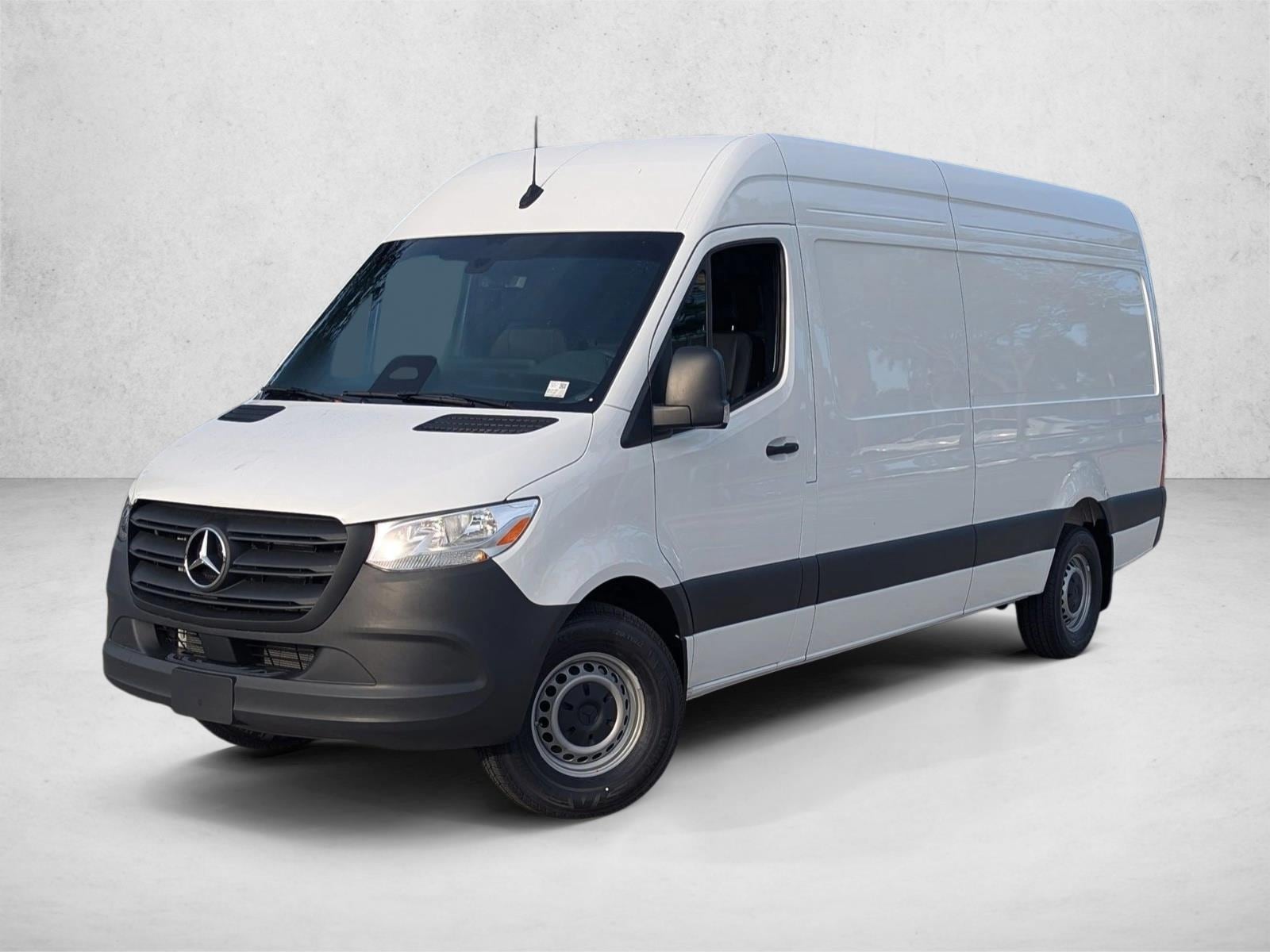
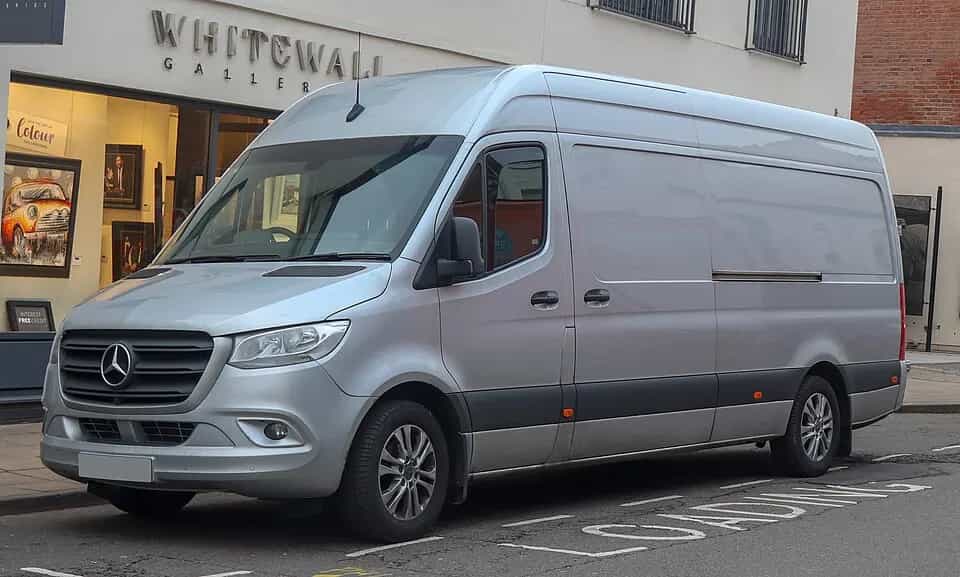
Mercedes-Benz Sprinter Cargo Van

USCar Trader import service

Import this model from the USA or Canada

Choose a specific vehicle. Where data is available, its detail page shows the import cost calculation. We assess any possible duty benefit with you before purchase.

Important: A 0% EU import-duty rate may be available for a vehicle covered by Regulation (EU) 2026/1455 that has US origin and is imported directly into the EU. CETA may apply to a vehicle with preferential Canadian origin. Whether the requirements are met is assessed for the individual case. Please contact us before purchase; we review the possible duty benefit and provide non-binding support through the process. Import VAT and other costs are assessed separately.

CarHub · Mercedes-Benz

Mercedes-Benz Sprinter Cargo Van

The Mercedes-Benz Sprinter is the same commercial platform in North America as it is in Europe, which makes it one of the more logical vans to source from the US used market.

Body style
Typical US-spec figure: Cargo van (2500 / 3500)
Generations on market
Typical US-spec figure: NCV3 (2007-2018), VS30 (2019-)
Signature engine
Typical US-spec figure: 3.0 L V6 turbodiesel (OM642)
Power (V6 diesel)
Typical US-spec figure: approx. 188 hp
Mercedes-Benz Sprinter Cargo Van

Model profile

Model history and generations

From launch to today

Two generations dominate the US used market. The second-generation Sprinter (internally NCV3, sold from roughly 2007 to 2018) was marketed in the States first as a Dodge, then a Freightliner, and finally under the Mercedes-Benz badge. The third generation (VS30) arrived for the 2019 model year and brought the MBUX infotainment system, an electric power-steering option, and a substantially updated cabin.

Powertrain and equipment

Engines, drivetrain and trims

Engines and drivetrain in detail

The classic US Sprinter engine is the 3.0-litre V6 turbodiesel (OM642), rated around 188 hp and a healthy 325 lb-ft of torque, paired for years with the 7-speed 7G-Tronic automatic. Earlier NCV3 vans also used the 2.1-litre four-cylinder diesel (OM651).

Trim levels and variants

Because this is a work vehicle, "trim" mostly means configuration: cargo van, crew van and cab-chassis. Roof height (standard vs. high roof), wheelbase and payload rating (2500 vs. 3500 single- or dual-rear-wheel) define the van far more than any equipment package.

Vehicle selection

North American market and suitability

Used availability in the USA

Supply is strong across the whole spectrum, from ex-fleet delivery vans with high but well-serviced mileage to lightly used conversion bases with only a few thousand miles.

When importing makes sense

A used US Sprinter makes sense for camper and overland builders chasing a particular 4x4 high-roof layout, for tradespeople who want a proven diesel workhorse with a full history, and for anyone who has already found a specific van in the States and wants it brought over correctly.

Vehicle data

Technical data by generation and specification

Body and dimensions

Body styleTypical US-spec figure: Cargo van (2500 / 3500)
WheelbasesTypical US-spec figure: 144 in and 170 in
Roof heightsTypical US-spec figure: Standard and high roof

Engine and drivetrain

Signature engineTypical US-spec figure: 3.0 L V6 turbodiesel (OM642)
Power (V6 diesel)Typical US-spec figure: approx. 188 hp
Torque (V6 diesel)Typical US-spec figure: approx. 325 lb-ft (440 Nm)
Alt. enginesTypical US-spec figure: 2.1 L / 2.0 L 4-cyl diesel; 2.0 L turbo-petrol (VS30)
TransmissionTypical US-spec figure: 7-speed automatic (7G-Tronic), 9-speed on later VS30
DrivetrainTypical US-spec figure: Rear-wheel drive; optional 4x4
Fuel tankTypical US-spec figure: approx. 24.5 gal (standard)
Seating (cargo)Typical US-spec figure: 2-3 (driver + passengers)

Model and other data

Generations on marketTypical US-spec figure: NCV3 (2007-2018), VS30 (2019-)
GVWR (2500)Typical US-spec figure: approx. 8,550 lb
GVWR (3500)Typical US-spec figure: approx. 11,030 lb
Emissions systemTypical US-spec figure: Diesel SCR / AdBlue

Values are reproduced verbatim from the existing article table. The documents for the specific vehicle govern.

Pre-purchase review

Model-specific inspection points

Reliability and common problems

Sprinter reliability is good when the diesel is maintained on schedule, but there are well-known weak points. The OM642 V6 is durable yet suffers from oil cooler seal leaks and a fragile intake manifold with plastic swirl-flap linkages that can break and be ingested. SCR/AdBlue faults, NOx sensor failures and the resulting limp-mode countdowns are the most common frustrations on emissions-era vans.

Germany and Europe

Differences, adaptation and registration

How US versions differ

US Sprinters run amber side markers, US-spec headlights, mph-primary instruments and, on many vans, a US-market petrol engine option that is uncommon here.

From US purchase to registration

The assessment depends on the specific vehicle and the circumstances of the transaction. Please contact USCar Trader before purchase; we review any possible duty benefit and provide non-binding support. Import VAT and other costs are considered separately.

TÜV, approval and license plates

Typical work includes converting the lighting (headlights, adding a rear fog lamp and often a rear fog/reverse arrangement to German norms), confirming the speedometer shows km/h, and documenting any camper or shelving conversion so it can be assessed.

USCar Trader services

Inspection, purchase processing and escrow

As a buyer based in Germany, you do not have to inspect the vehicle yourself in the United States or Canada. Within the agreed scope, USCar Trader can coordinate document review, a separately commissioned on-site inspection and purchase processing.

  • Vehicle profile and history: The profile can show the VIN, US title status and available history records. No data source guarantees that every earlier event was reported.
  • Optional CARFAX report: Additional reported maintenance or service entries can be included. The report is not a complete service book or proof of every interval.
  • On-site inspection / USCT AutoCheck: USCar Trader can arrange a separately booked vehicle inspection. Agreed visible and accessible areas are documented. Road or functional tests require suitable access and seller approval; the visual review is not a lift inspection or workshop diagnosis.
  • Purchase processing and escrow: After approval, USCar Trader can coordinate seller contact, negotiation, contract and the escrow and import service. Fees, payment route and responsibilities are recorded in advance.
  • Recalls: Open safety recalls can be checked by VIN through the NHTSA recall search; they do not describe overall condition.

Covered inspection points are agreed in advance. An on-site inspection records condition at the appointment and is not a guarantee.

Next step: Before commissioning, USCar Trader and the customer agree which document, history, inspection and transaction checks suit the vehicle and are included in the service. This records what was actually checked.

Import process

Import, customs, costs and delivery

Process for the specific listing

The import process for a Mercedes-Benz Sprinter Cargo Van is planned around the specific listing, location, documents and commissioned service scope.

Questions and answers

Common questions about importing this model

Is the US Sprinter the same as the European one?

Mechanically it is the same platform, which helps enormously with parts and servicing. Lighting, instruments and some engine options differ and must be sorted for German approval.

Which engine is most common?

The 3.0-litre V6 turbodiesel is the classic US Sprinter engine, with four-cylinder diesels and, on the newest vans, a petrol four also in circulation.

Can I import a Sprinter camper conversion?

Yes. Many US vans are conversion bases or finished campers. The conversion has to be documented and assessed at approval, and the base van still follows the standard import path.

Does this vehicle automatically qualify for a 0% import-duty rate?

No, not automatically. A 0% EU import-duty rate may be available for a vehicle covered by Regulation (EU) 2026/1455 that has US origin and is imported directly into the EU. CETA may apply to a vehicle with preferential Canadian origin. Whether the requirements are met is assessed for the individual case. Please contact USCar Trader before purchase; we review the possible duty benefit and provide non-binding support. Import VAT and other costs are assessed separately.

What about AdBlue and emissions?

The SCR/AdBlue system must work correctly for TUEV. Budget for NOx sensor or SCR faults on higher-mileage vans.

RoRo or container shipping?

Plain fleet vans often travel RoRo; valuable conversion bases and finished campers are usually containerised for protection.

Is rust a real concern?

On northern rust-belt vans, yes. Southern and western examples are generally cleaner; always inspect the arches and door sills.

Does USCar Trader sell the van to me?

No. We are an independent broker and intermediary for used US vehicles, with no dealer margin and no manufacturer partnership.

More vehicles

Soon there will be news from the world of cars!