Mercedes-Benz S-Class
Importing a used Mercedes-Benz S-Class from the USA
The S-Class is the Mercedes flagship, the car where the company debuts its newest technology, and the American used market is one of the best hunting grounds for one. US buyers ordered the S-Class in heavy specifications and turned them over quickly, so late-model, low-mileage, fully loaded examples circulate in numbers Europe rarely matches. There is an origin nuance to be honest about, though. Unlike the Alabama-built SUVs, the S-Class is assembled in Sindelfingen, Germany, then exported to the US. That means a US-market S-Class is not a US-origin car, so the import duty rate is decided by the actual plant of build recorded against the VIN — which is exactly why we run an origin check before making any customs claim. What the US market does offer is supply, specification and value on the used flagship.

Model history and generations
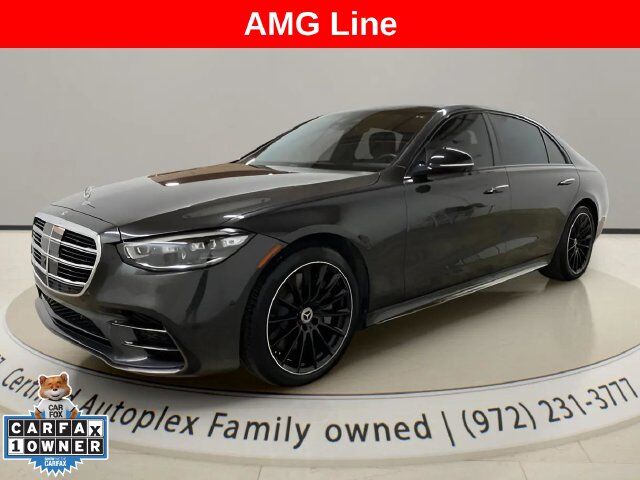
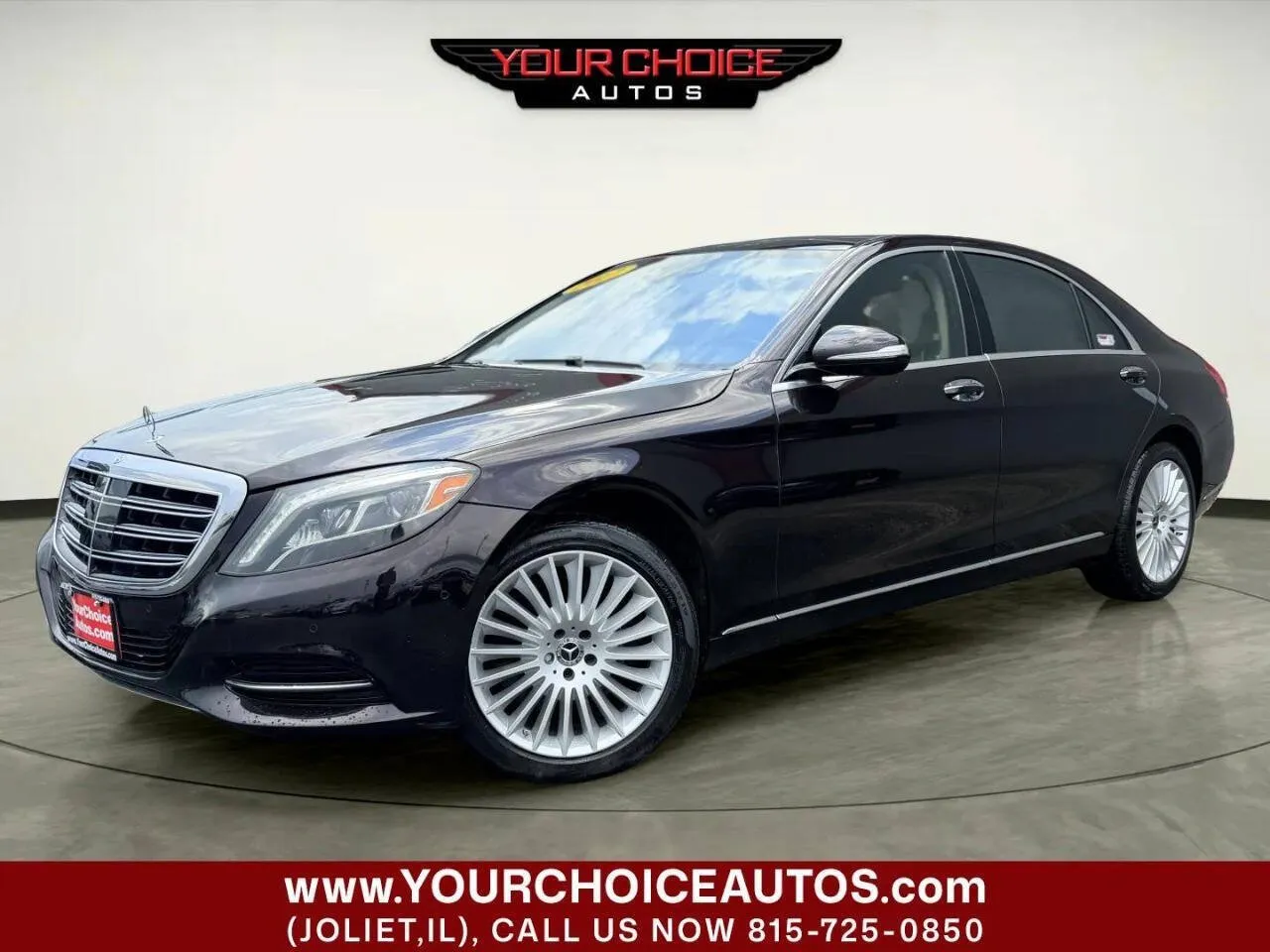
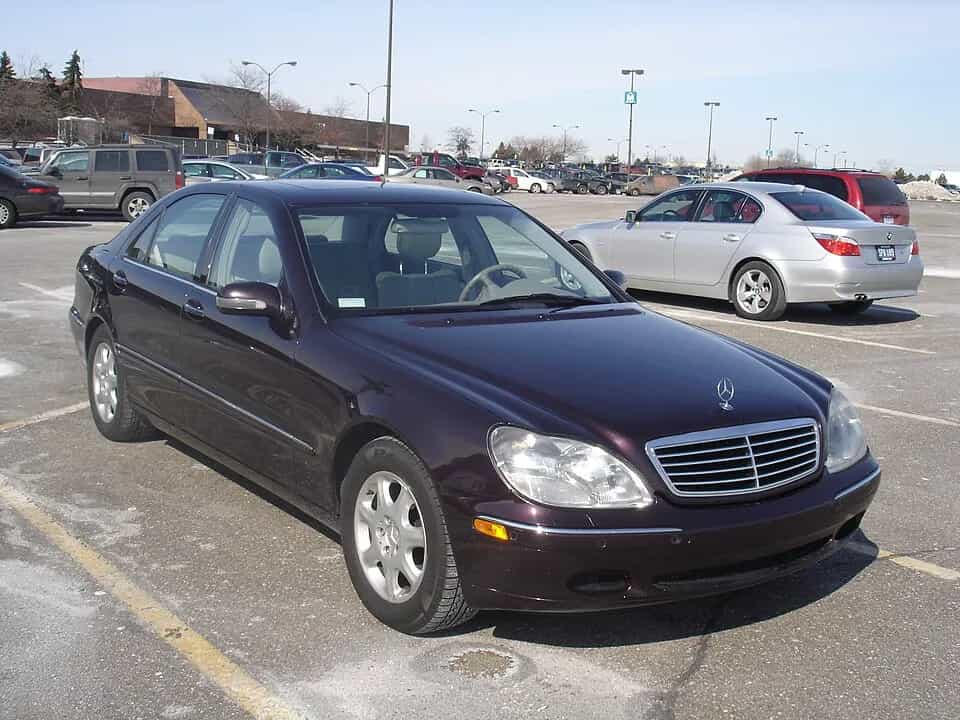
Import-relevant generations run from the W220 (1998–2005) through the W221 (2005–2013), the W222 (2013–2020) and the current W223 (2020 onward). The W222 is the used-market sweet spot: it introduced the twin-screen dashboard, advanced driver assistance and, in facelift form, the M256 inline-six. The W223 brought the MBUX Hyperscreen, rear-axle steering and E-Active Body Control. Long-wheelbase bodies dominate US sales, and the Maybach S-Class sits at the top of the range.
Engines and drivetrain
US-market S-Class engines evolved quickly. The W222 offered the S550 with a 4.7-litre biturbo V8 (later the S560 with the 4.0-litre M176 biturbo V8), the S450 with the 3.0-litre biturbo V6, and the facelift S450 with the M256 inline-six and 48-volt assistance. The mighty S65 AMG used a 6.0-litre biturbo V12, while the S63 AMG ran the 4.0-litre biturbo V8. The current W223 centers on the S500 inline-six with EQ Boost and the S580 4.0-litre V8. Transmissions are the 7G-Tronic and later 9G-Tronic; most US flagships are 4MATIC all-wheel drive.
Which trim makes sense
The S-Class is a full-size luxury sedan, almost always long-wheelbase in the US. Typical American equipment is lavish: Burmester or Burmester High-End 3D audio, rear executive seating with recline and massage, panoramic roof, augmented-reality head-up display, and the full driver-assistance suite. The S63 and Maybach variants add their own equipment tiers. Because these were flagship purchases, US cars are frequently optioned close to the top.
Supply on the US market
The volume comes from off-lease W222 S450 and S560 4MATIC sedans, usually well kept and comprehensively equipped. Older W221 cars are plentiful and affordable but demand careful inspection given their complexity. Southern and West Coast examples avoid corrosion. As with any flagship, the gap between a pampered garage-kept car and a neglected one is wide, so history and inspection are decisive. This section addresses availability and condition only, not European pricing.
Who benefits from importing
Import a used S-Class from the USA if you want a fully specified luxury flagship at used-market value, with the equipment American buyers favor and a documented lease history. Just go in understanding that the S-Class is German-built, so the customs outcome follows the VIN rather than a blanket US-origin assumption — the appeal here is specification and supply, not automatic duty relief.
Technical data
| Item | Typical figures (US-market) |
|---|---|
| Generations | W220, W221, W222 (2014–2020), W223 (2020–) |
| Body style | Full-size luxury sedan (mostly LWB) |
| S450 engine | 3.0 L biturbo V6 / M256 I6 + 48V |
| S560 engine | 4.0 L biturbo V8 (M176) |
| S560 output | approx. 463 hp |
| S63 AMG output | approx. 603 hp (W222) |
| S65 AMG engine | 6.0 L biturbo V12 |
| Transmission | 7G-Tronic / 9G-Tronic automatic |
| Drivetrain | RWD or 4MATIC AWD |
| Length (W222 LWB) | approx. 5,289 mm |
| Wheelbase (LWB) | approx. 3,165 mm |
| Kerb weight | approx. 1,950–2,200 kg |
| Seating | 4–5 |
| Assembly | Sindelfingen, Germany (VIN-dependent origin) |
| Fuel | Petrol (plus PHEV variants) |
Known weak points and maintenance
An S-Class rewards a careful buyer and punishes a careless one. AIRMATIC air suspension is a known cost center: leaking struts and a tired compressor produce sag and warning messages, and repair is not cheap. On W222 V8s, inspect for oil and coolant leaks and confirm the 48-volt system on facelift inline-six cars. Electronics are dense — the twin screens, driver-assistance sensors, soft-close doors and massage seats all have failure modes, so a full diagnostic scan is essential. The 9G-Tronic is durable when serviced. The W221 adds age-related electrical and suspension gremlins. A documented history with recent suspension and electronics work is worth paying attention to.
US and EU spec compared
US S-Class cars run mph-primary clusters, US headlight aiming and no rear fog lamp, plus amber-free rear signals in some years — all TÜV items. Equipment is bundled to US logic, and SiriusXM hardware and US navigation data need reconfiguring. Because the car is German-built, some European-market features may already be present, but the registration work still follows the standard import checklist.
The import process in detail
Selection and a VIN check come first, and on the S-Class the origin check matters precisely because the car is German-built — it tells you the real customs position. Then a funded escrow to protect payment; inland transport to the US port and ocean freight (container is typical for a flagship) to Bremerhaven or Rotterdam; customs clearance; TÜV inspection and individual approval; and finally German registration. We manage each stage so the car does not languish at port.
What customs clearance really costs
In short: the 0% duty rate applies only with documented US origin (VIN/plant) – German import VAT of 19% is always due.
Keep the two charges separate and be realistic about origin. EU import duty on passenger cars is normally 10% of the customs value, and the 0% rate applies only where provable US origin is established from the VIN and plant records under Regulations (EU) 2026/1455 and 2026/1461 (since 1 July 2026, direct transport, until 31 December 2029). Because the S-Class is built in Sindelfingen, most examples will not carry US origin, so the duty rate follows the actual plant — we confirm it from the VIN rather than promise anything. Separately, the 19% German import VAT (Einfuhrumsatzsteuer) always applies on the customs value plus any duty. All costs are passed through with no margin.
TÜV, modifications and registration
Typical work: fit a rear fog lamp, adapt headlights to the European beam pattern, and confirm km/h speedometer display. The odometer is checked for plausibility against the history report. After individual approval and documentation, the S-Class registers normally. Any non-standard wheels or lowering may need separate certification.
Check before you buy
Before buying, confirm: (1) the VIN and plant of build to establish the true customs position; (2) a Carfax or AutoCheck report covering accidents, title and odometer; (3) a clean, non-salvage title; (4) complete Mercedes service records; (5) the health of the AIRMATIC struts and compressor; (6) a full diagnostic scan with no electronic faults; (7) underbody condition and tire, brake and battery health on this heavy, complex car.
Common questions
Is a used S-Class from the USA duty-free?
Usually not, because the S-Class is built in Germany rather than the USA, so it typically does not carry US origin. The duty rate follows the VIN and plant records, and the 19% import VAT always applies. We confirm the position before anything is claimed.
Why import an S-Class from America at all?
For supply and specification: US cars are frequently loaded to a high level and turn over quickly as lease returns, giving strong choice on the used flagship.
Which S-Class generation is best used?
The W222 (2014–2020), especially the S450 and S560 4MATIC, balances modern technology with used-market value.
Are US S-Class cars all-wheel drive?
Many are 4MATIC, which suits German winters; some rear-drive cars exist too.
What are the main problems on a used S-Class?
AIRMATIC air-suspension wear and dense electronics are the key areas, alongside standard V8 oil and coolant checks.
Can the S63 or S65 AMG be registered in Germany?
Yes, after TÜV individual approval and the usual lighting and documentation adjustments.
Do I pay German import VAT on an S-Class?
Yes. The 19% Einfuhrumsatzsteuer applies to every import, separate from any customs duty.
How is an S-Class shipped from the USA?
Usually in a container for protection, sailing to Bremerhaven or Rotterdam, then cleared and inspected.
Explore the full Mercedes-Benz in the Carhub, compare related flagships such as the CLS-Class, the EQS and the C-Class Sedan, or view current S-Class listings.