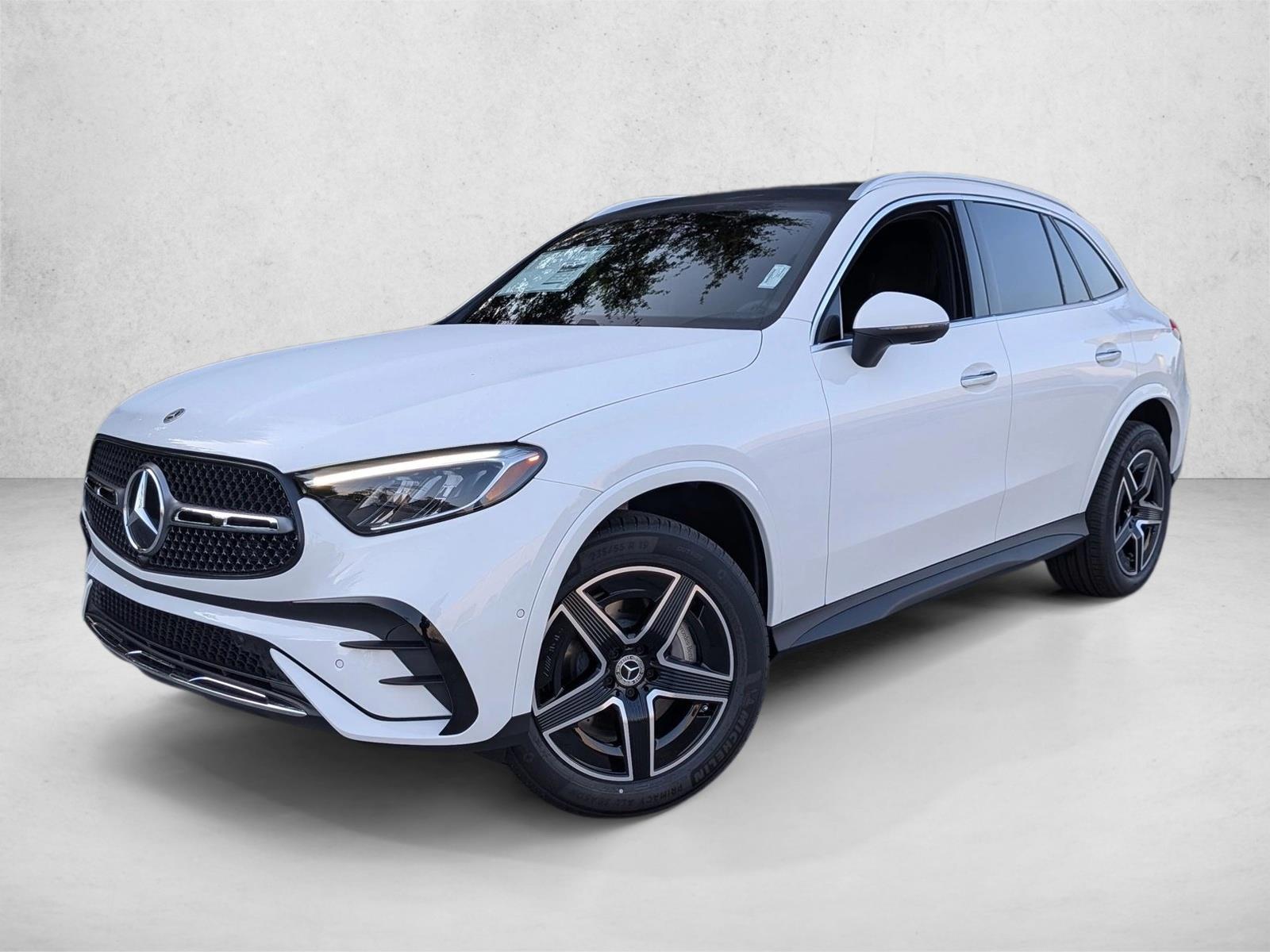
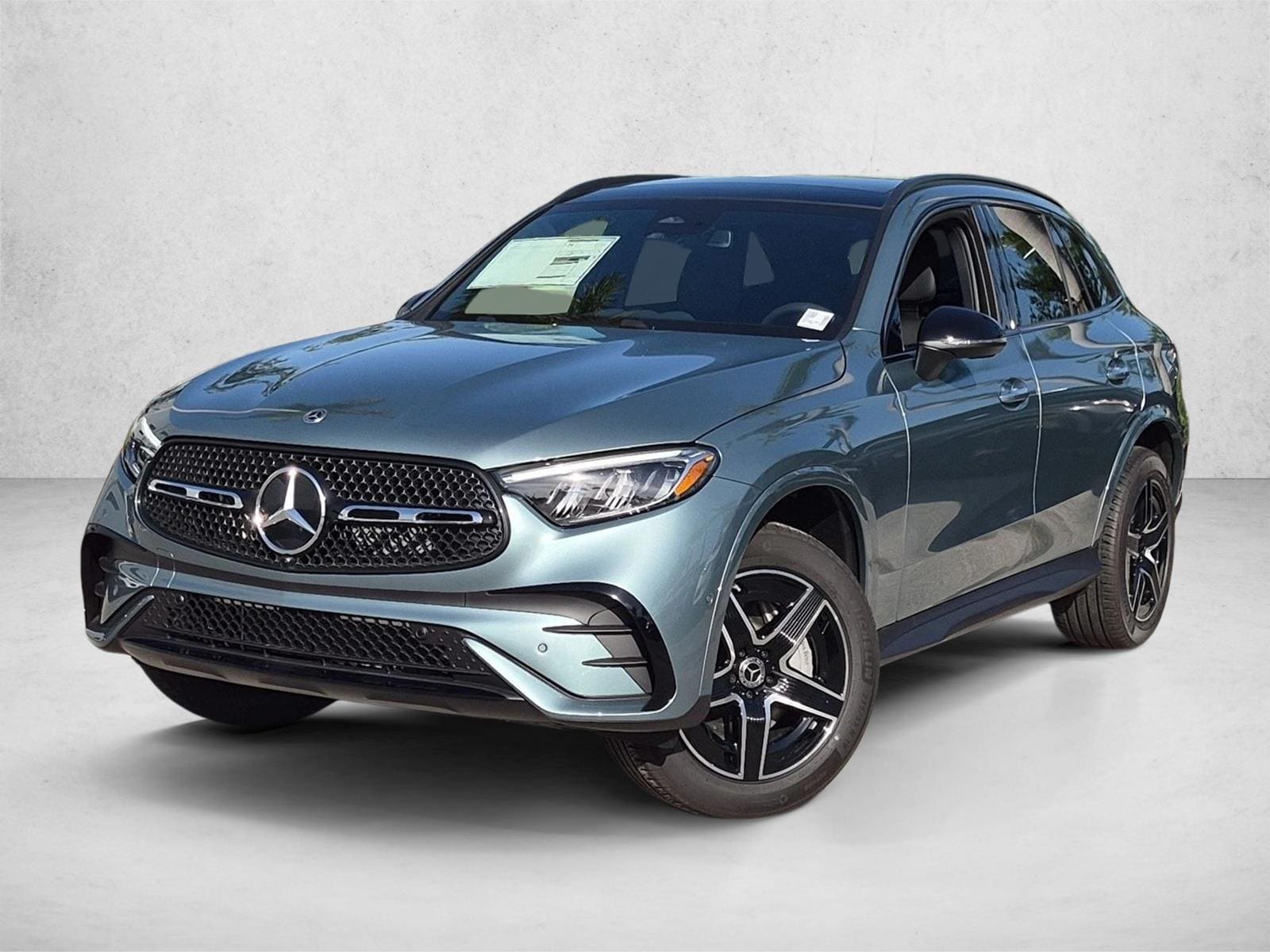
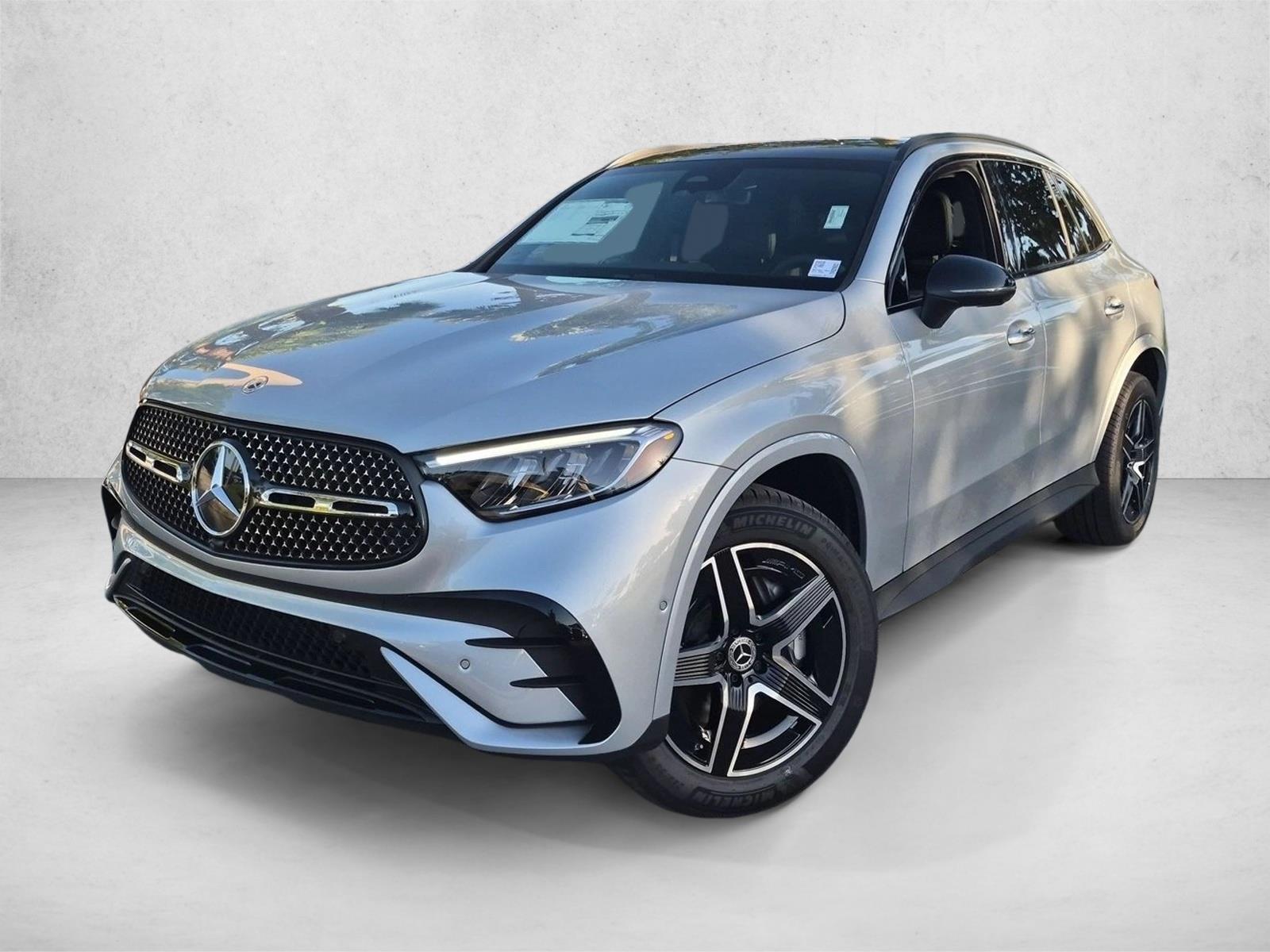
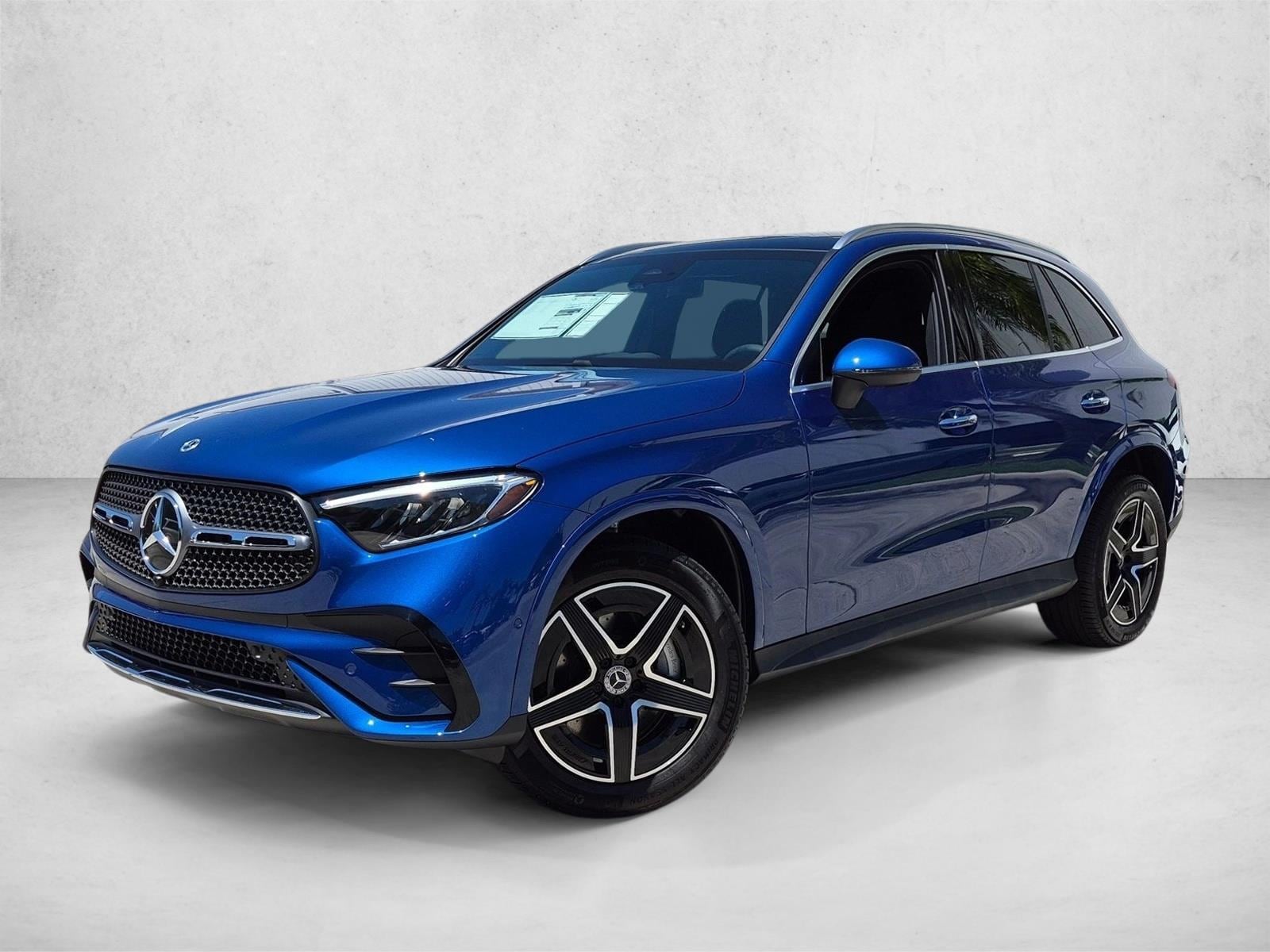
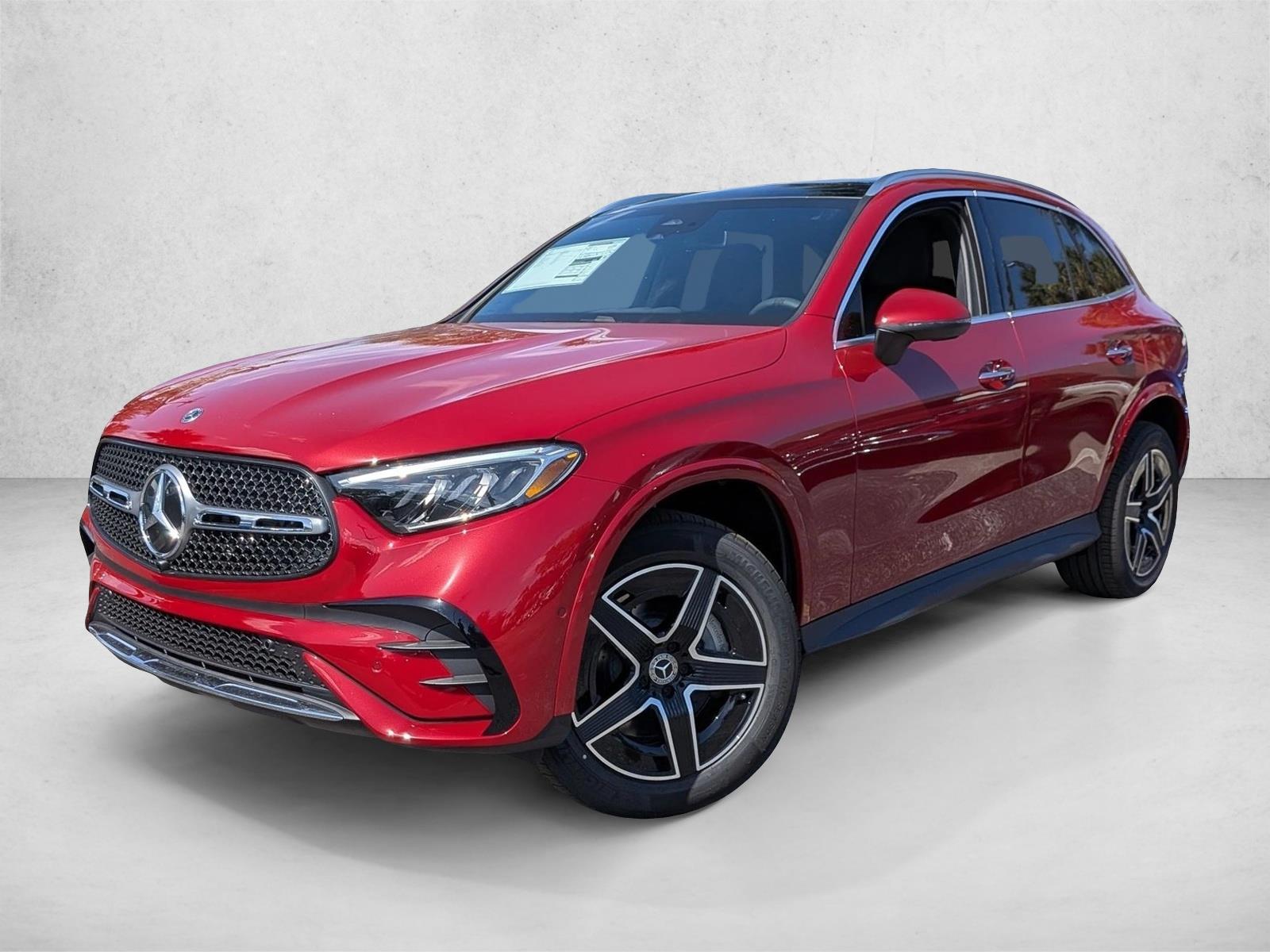
Mercedes-Benz GLC-Class

Importing a used Mercedes-Benz GLC-Class from the USA

The GLC is Mercedes-Benz's compact luxury SUV and one of the brand's best-selling models on both sides of the Atlantic, which makes the American used market a deep and practical source. USCar Trader works as an independent broker for used US vehicles: we find the GLC you want, then manage purchase, ocean freight, customs clearance and German approval, adding no margin to the car itself. For anyone researching how to import a used GLC from the USA, the appeal is a wide choice of well-equipped, documented examples, including AMG variants that are more plentiful in the States.

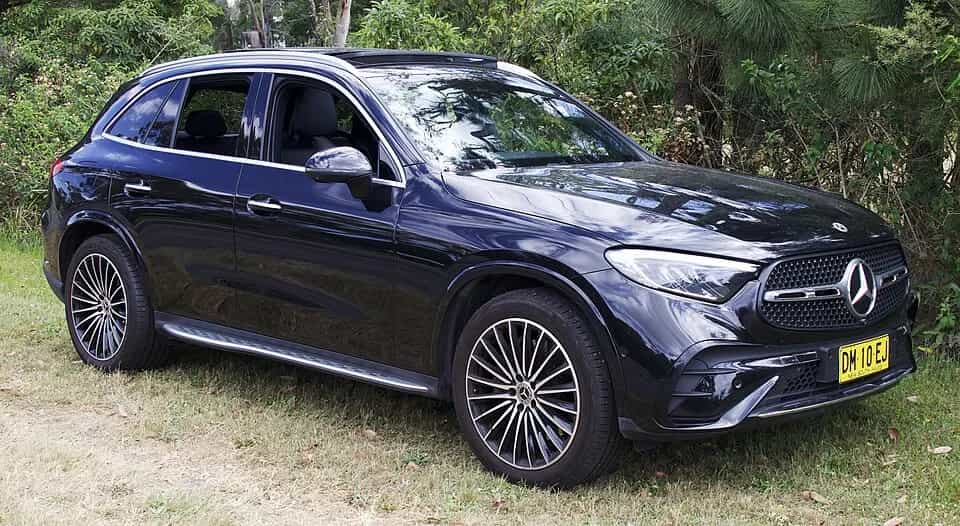
Mercedes-Benz GLC-Class – used car imported from the USA
Photo: LuvsMG481 · CC BY-SA 4.0 · Wikimedia Commons

Production years and key changes

The GLC replaced the boxier GLK in 2015. The first generation (X253 SUV, C253 Coupe, 2016-2022) introduced the smoother shape and, from the 2020 facelift, the MBUX system. The current generation (X254, 2023 on) is larger, runs a 48-volt mild-hybrid across the range and adds a taller portrait touchscreen. Both generations were sold in the US as the practical GLC SUV and the sleeker, lower GLC Coupe.

What is under the hood

First-generation US cars centre on the GLC 300 with the 2.0-litre M264 turbo four (around 241 hp), offered in rear-drive and 4MATIC. Performance versions matter to importers: the AMG GLC 43 used a 3.0-litre biturbo V6 (around 385 hp, later 362), while the AMG GLC 63 and GLC 63 S ran the 4.0-litre V8 biturbo for roughly 469 to 503 hp, giving this compact SUV genuine supercar pace. A GLC 350e plug-in hybrid was also sold. The X254 GLC 300 adds a mild-hybrid 2.0-litre (around 255 hp), and the latest AMG GLC 43 and GLC 63 S E Performance move to an electrified four-cylinder, the 63 S reaching about 671 hp. The 9G-Tronic automatic and 4MATIC all-wheel drive are standard on most cars.

Trims and body styles

Two body styles: the upright GLC SUV and the coupe-roofed GLC Coupe. US equipment revolves around the engine badge plus packages: the AMG Line, the Premium and Multimedia packages, the Driver Assistance package, a panoramic roof, Burmester audio, the head-up display and, on AMG cars, adaptive dampers and performance seats. Air suspension is available on some AMG variants.

What the US market offers

The GLC sells in huge numbers in America, so three- to six-year-old GLC 300 examples are abundant, typically lease returns with full service history and moderate mileage. AMG GLC 43 and 63 models appear far more often than on the German market, which is a common reason importers look to the US. Sun-belt cars come free of road-salt corrosion, and a Carfax or AutoCheck report documents accidents and title status.

Who this import is for

Import a used GLC from the USA if you want a specific AMG or equipment configuration, a rust-free low-owner car, or a transparent broker purchase on a popular, easy-to-live-with SUV. Buyers who want performance variants or a particular colour and trim benefit most.

Technical data and figures

ItemTypical figure (X253 GLC 300 4MATIC)
Body stylesCompact SUV, GLC Coupe
Generations (US)X253/C253, X254/C254
Engine (GLC 300)2.0 L M264 turbo four
Powerapprox. 241 hp (X253)
Transmission9G-Tronic 9-speed automatic
DriveRear-wheel or 4MATIC AWD
0-100 km/happrox. 6.3 s (GLC 300 4MATIC)
Lengthapprox. 4,656 mm (X253)
Wheelbaseapprox. 2,873 mm
Kerb weightapprox. 1,750-1,900 kg
FuelPetrol, plug-in hybrid (350e)
Seats5
AMG top modelGLC 63 S, 4.0 V8 biturbo (X253)
InfotainmentMBUX (2020 facelift onward)

Reliability: trouble spots to check

The GLC is one of the more dependable modern Mercedes SUVs, but a few points deserve attention. Early X253 cars occasionally showed 9G-Tronic shift roughness before software updates, so confirm smooth changes on a test drive. The 48-volt mild-hybrid starter-generator on later and current cars can log faults if the auxiliary battery is weak, giving a no-start or restart glitch. On AMG V8 cars check for the usual hard-driven wear on brakes, tyres and suspension. Otherwise watch for minor oil weeping, occasional MBUX or camera-module quirks, and panoramic-roof drainage. Most GLC reliability and common problems are electronic or maintenance-related rather than fundamental, and a documented service history plus a cold-start inspection covers the important ones.

US vs. Europe differences

US cars run amber rear indicators, generally lack the separate rear fog lamp Germany requires, and use US-spec headlights. The cluster reads in mph, DAB is usually absent, and some assistance features are region-coded. The GLC shares its global hardware, so individual approval is routine. Note that GLC production spans several plants, so the VIN is what confirms where a given car was built.

How the import works

Selection: we agree the exact GLC and budget. VIN and origin check: we decode the VIN to confirm the build plant and equipment. Escrow: funds are held until the car is confirmed. Ocean freight: container or RoRo to Bremerhaven or Rotterdam. Customs clearance: import declaration on arrival. TUEV/individual approval: inspection and lighting work. Registration: German plates once documents are complete.

Import duty, VAT and fees

In short: the 0% duty rate applies only with documented US origin (VIN/plant) – German import VAT of 19% is always due.

Keep the two charges apart. The EU car import duty is normally 10 percent, but a 0 percent rate can apply where US origin is provable under Regulations (EU) 2026/1455 and 2026/1461 (in force since 1 July 2026, direct transport, until 31 December 2029). GLC production spans German and other plants, so the specific VIN and plant code decide eligibility and we never promise a duty-free result. The 19 percent German import VAT (Einfuhrumsatzsteuer) always applies, calculated on customs value plus duty and freight. Both lines are quoted transparently with no margin added.

From modifications to registration

Typical pre-approval work: fit a rear fog lamp and adapt rear lighting, correct or replace the headlights for the German beam pattern, and document the odometer in kilometres. The TUEV checks brakes, emissions and identity against the vehicle data before registration on German plates.

Pre-buy inspection points

Confirm the full VIN and decode the build plant. Order a Carfax or AutoCheck report for accidents, title and mileage. Verify a clean, non-salvage title. Test the 9G-Tronic and, on hybrids, the 48-volt system on a drive. Review service history and the last major service. Inspect the panoramic roof drains and underbody. Match interior wear to the stated mileage.

What buyers ask most

Can I import any used GLC from the USA?

Yes, any road-legal GLC SUV or GLC Coupe can be imported as a used vehicle.

Will I pay import duty on a GLC?

The standard rate is 10 percent; 0 percent applies only with provable US origin. GLC plants vary, so the VIN decides and we verify first.

Does the 19 percent import VAT always apply?

Yes. The German Einfuhrumsatzsteuer of 19 percent is charged on every import, separate from any duty.

Are AMG GLC 43 and 63 worth importing?

Often yes, because these performance variants are more available and better specified on the US used market.

How reliable is the GLC?

It is among the more dependable Mercedes SUVs; most issues are electronic or maintenance-related and show up in a good inspection.

Does the mph cluster stay?

Yes, the US cluster remains; the reading is documented and a kilometre display arranged where required.

How long does the import take?

Usually several weeks from purchase to registration, mainly limited by ocean freight and inspection scheduling.

Do you check history before payment?

Yes. We review the VIN and a Carfax or AutoCheck report and hold funds in escrow until the GLC is confirmed.

Start here: explore the Mercedes-Benz in the Carhub, compare related models such as the GLC Coupe, the GLB and the GLA, or view the current GLC-Class listings.