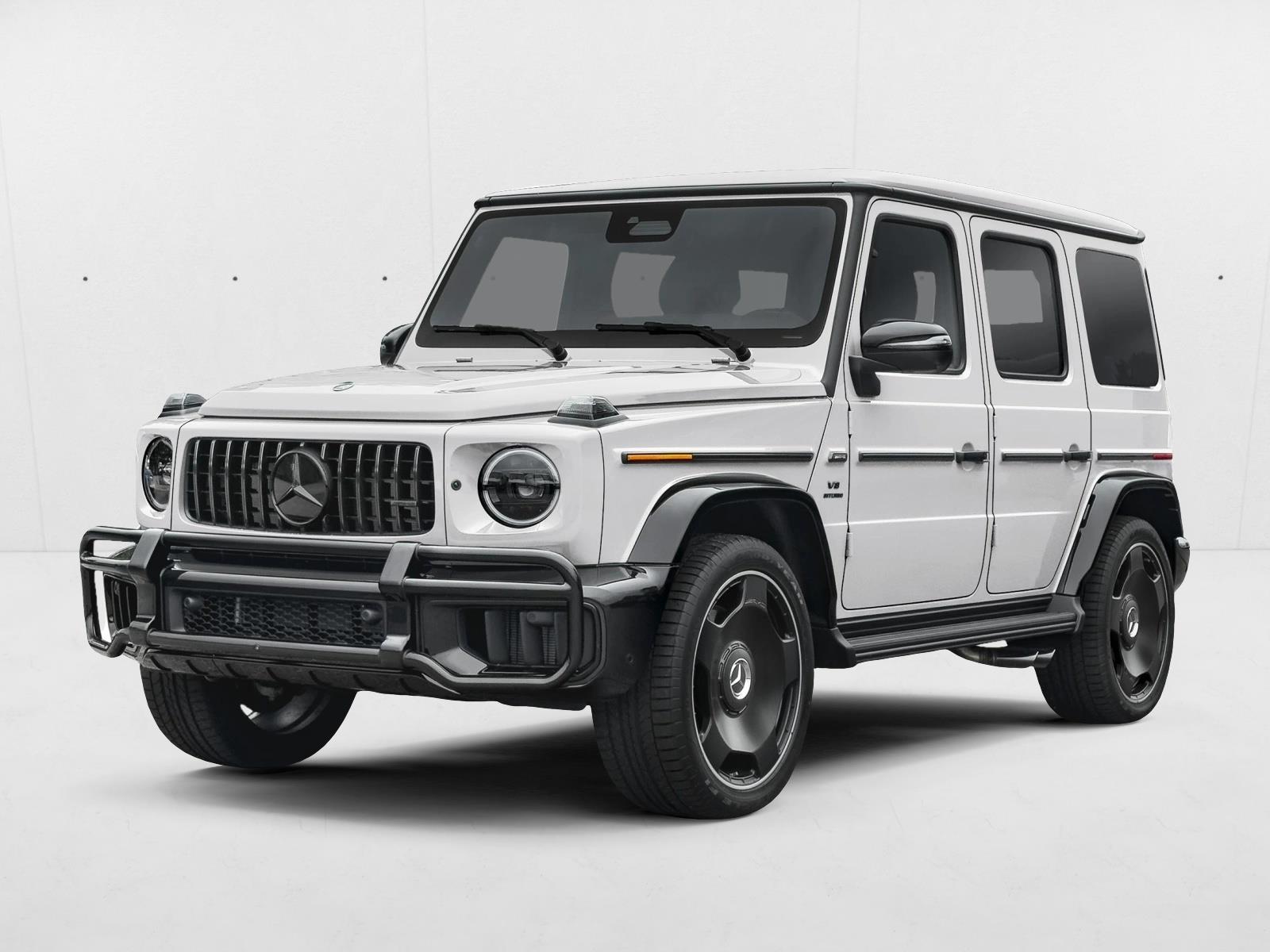
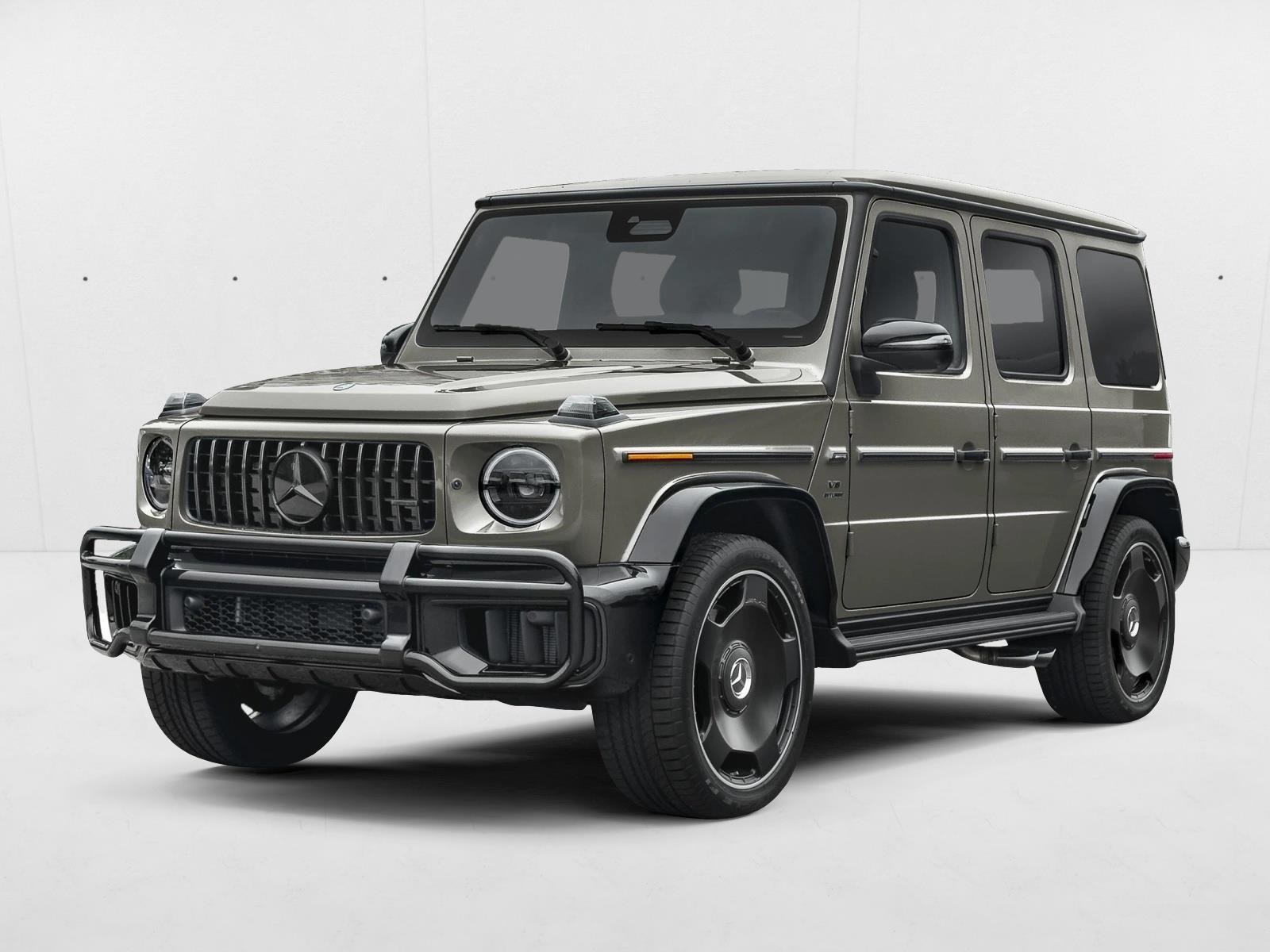
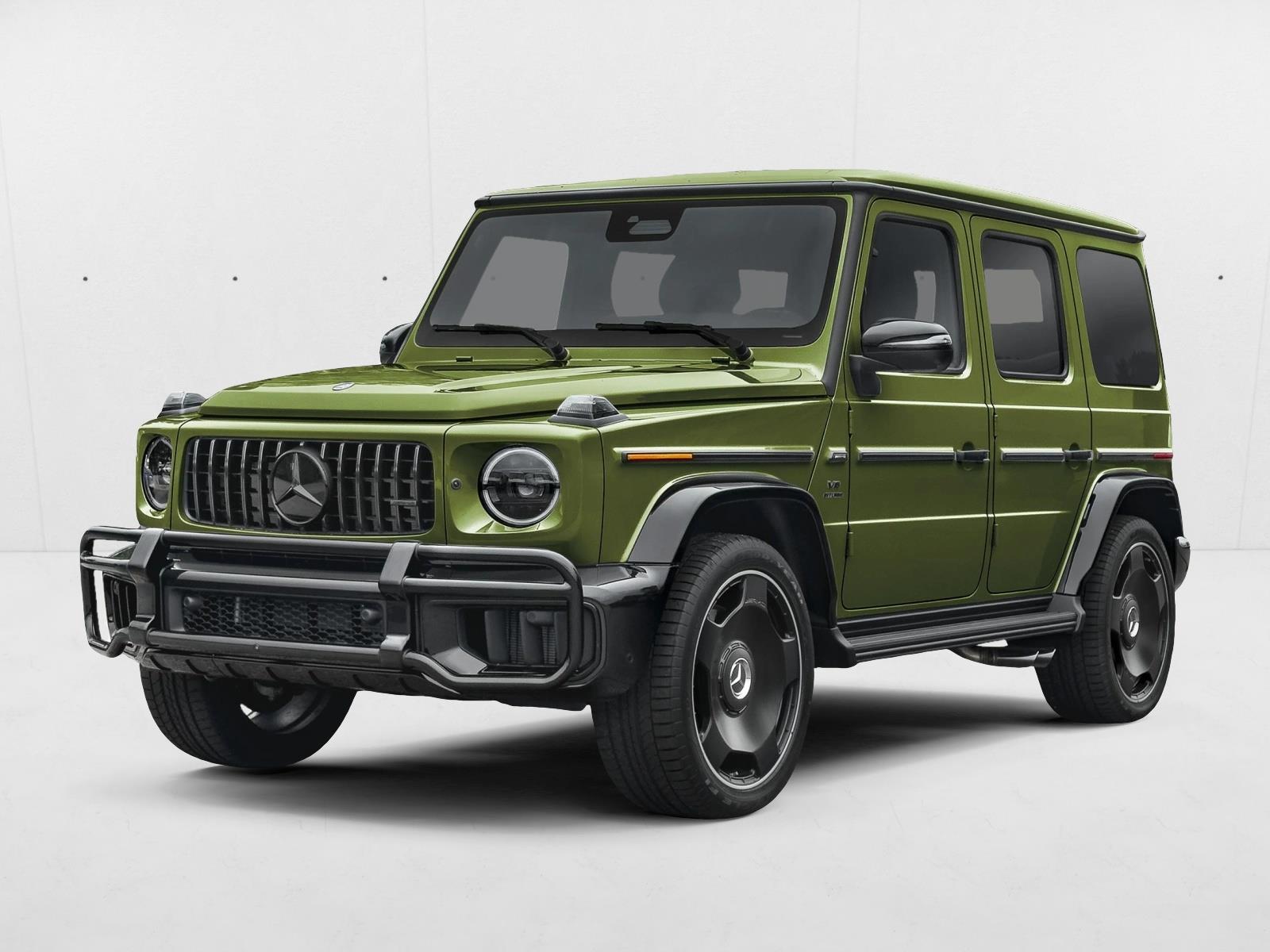
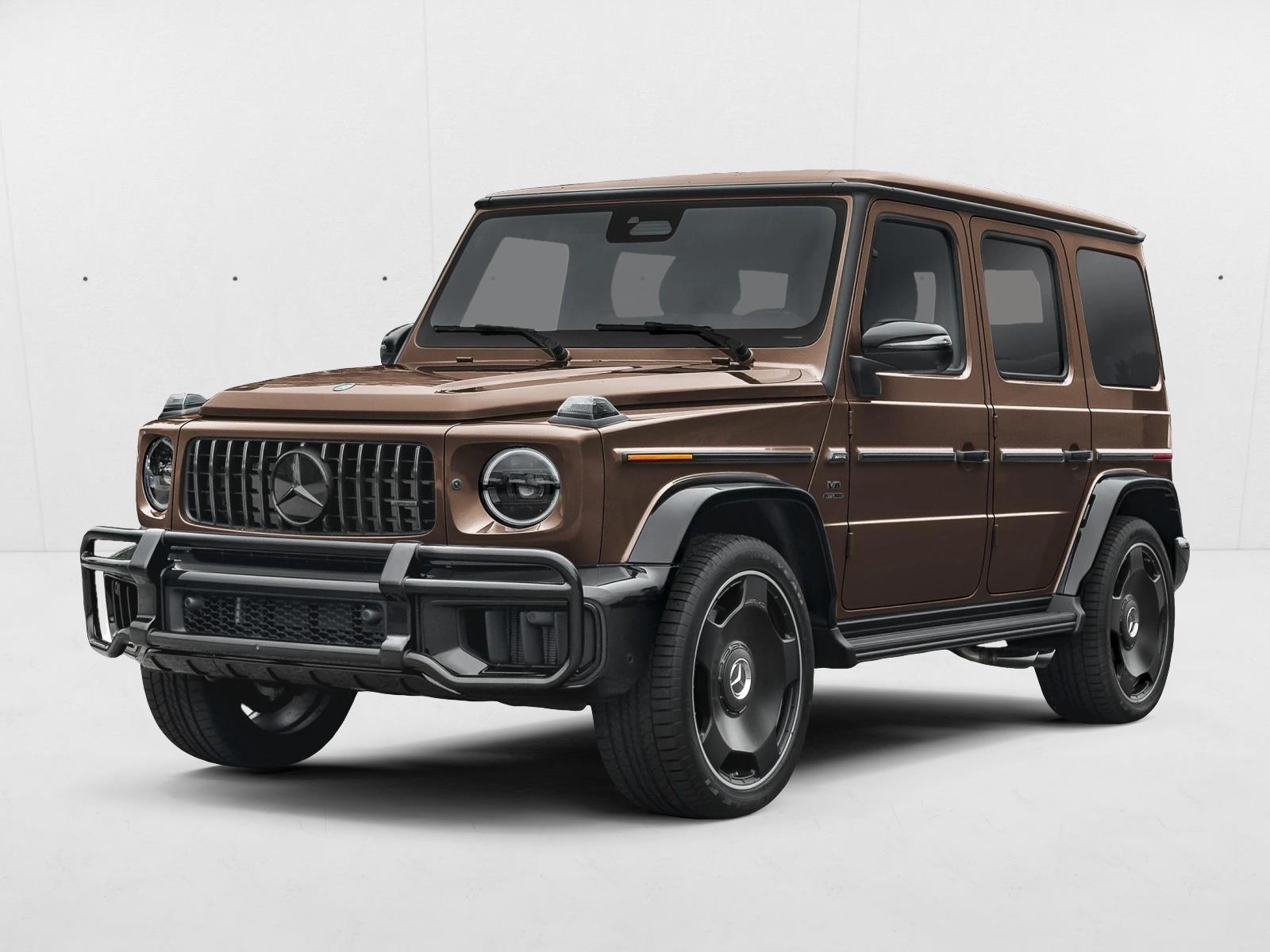
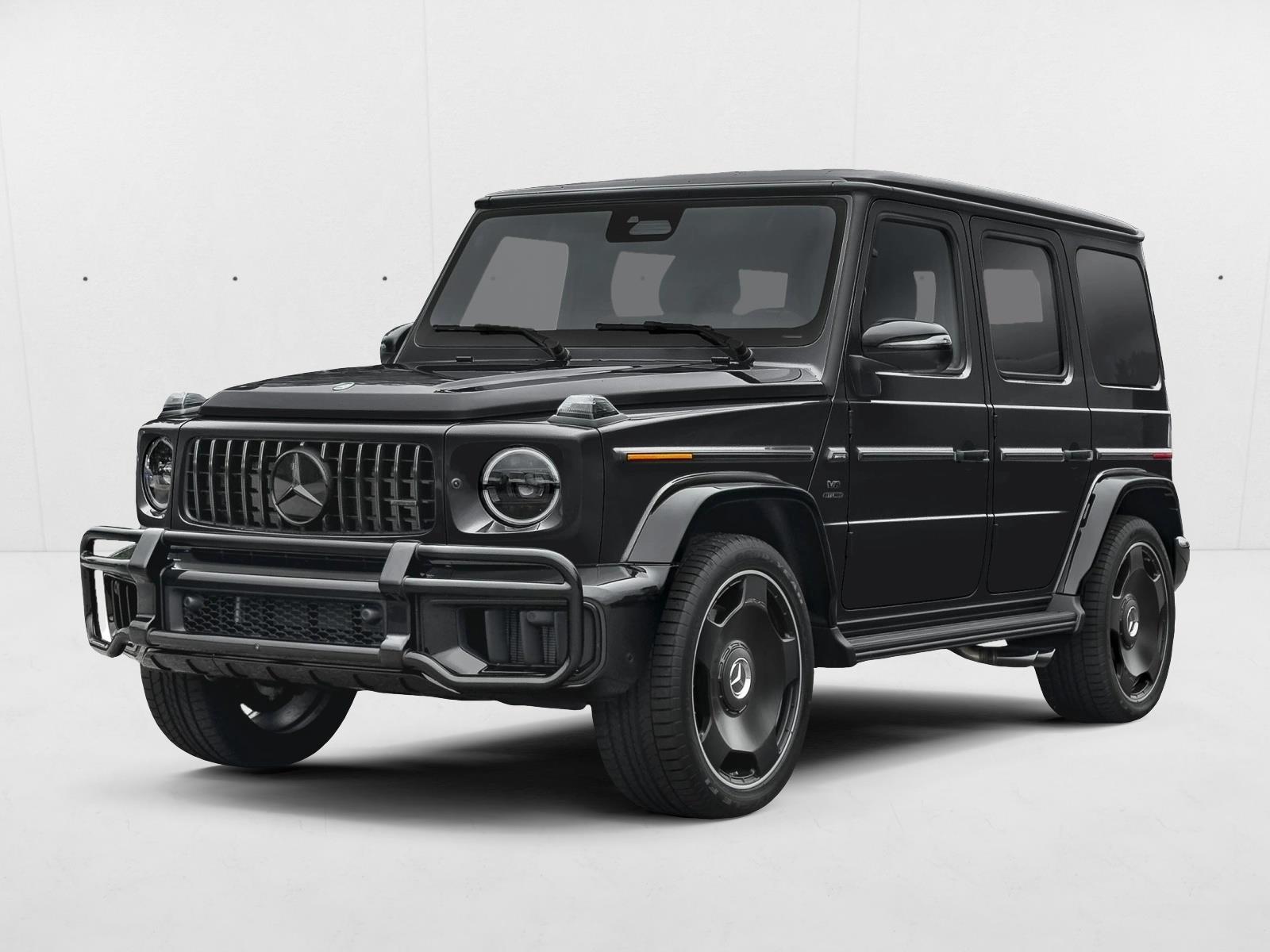
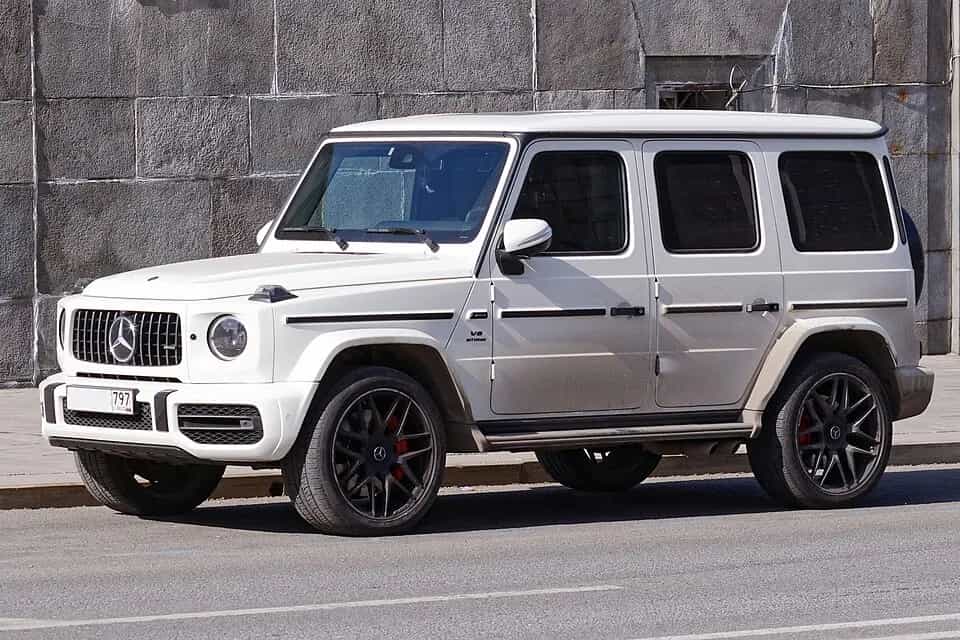
Mercedes-Benz G-Class
Importing a used Mercedes-Benz G-Class from the USA
Few vehicles cross the Atlantic as often as the Mercedes-Benz G-Class. The American market carries a deep pool of used G550 and AMG G63 examples, frequently loaded with equipment that German buyers pay dearly for at home. Because the G-Class is assembled by Magna Steyr in Graz, Austria, it is not a US-built vehicle, so a US import does not automatically qualify for the 0% EU duty — the actual plant of build decides, and that is read from the VIN. What is certain is that a used G-Class bought in the States is fully importable, and the 19% German import VAT (Einfuhrumsatzsteuer) always applies on top. Below is what an experienced import editor would tell you before you commit.

Model history: years and generations
The G-Class traces back to the W460 of 1979, a military and utility vehicle that never lost its ladder frame. The civilian W463 arrived in 1990 with permanent four-wheel drive and three fully locking differentials, and it was refined continuously for nearly three decades. In 2018 Mercedes launched the thoroughly re-engineered W463A: same silhouette, but wider tracks, an independent front suspension, a new interior and far better on-road manners. US buyers will mostly encounter the 2013–2018 late W463 and the 2019-onward W463A, plus a healthy supply of AMG variants.
Engines, transmissions and drive
On the US market the pre-2019 G550 used the 5.5-litre M273 naturally aspirated V8 (382 hp), while the 2019+ G550 switched to the 4.0-litre M177 twin-turbo V8 (416 hp). The AMG line runs the hand-built 4.0-litre biturbo V8: the G63 makes 577 hp, and earlier supercharged G55 AMG and 6.0-litre V12 G65 models occasionally surface as rarer imports. Transmissions moved from the 7G-Tronic to the 9G-Tronic automatic. Every G-Class keeps a two-speed transfer case with low range and three locking diffs — the reason it remains a genuine off-roader rather than a lifestyle badge.
Equipment lines and body styles
US G-Classes are almost exclusively the five-door wagon (SWB cabriolet and long-wheelbase versions were never a mainstream US offer). Expect G550 and G63 as the core trims, often with the designo leather program, AMG Night Package, carbon or piano trim, Burmester audio and 21- or 22-inch wheels. The G63 adds the AMG bodykit, side-exit exhaust and adaptive damping.
The US used market
Availability is strong across the country, with the heaviest concentration in California, Florida, Texas and the New York metro. Typical import candidates are three-to-eight-year-old cars with 20,000–70,000 miles; because many are second cars, low-mileage examples are common. Condition is generally good, though salt-belt cars can show underbody corrosion, so a Rust Belt history warrants a closer look. Options content on US cars is often more generous than comparable European stock.
Is an import right for you?
Importing a used G-Class from the USA makes sense if you want a specific colour-and-equipment combination, a well-preserved AMG G63, or simply a wider selection than the German used market offers. It is less suited to buyers chasing the lowest possible landed cost on a base model, because the G-Class is heavy, thirsty and expensive to service wherever you buy it. As an independent broker, USCar Trader sources and vets the car for you without taking a hidden margin.
Specs at a glance
| Attribute | Typical figure (late W463 / W463A) |
|---|---|
| Body style | 5-door body-on-frame SUV |
| Assembly plant | Graz, Austria (Magna Steyr) |
| Engine (G550, 2019+) | 4.0 L M177 twin-turbo V8 |
| Power (G550) | 416 hp |
| Engine (AMG G63) | 4.0 L biturbo V8, 577 hp |
| Transmission | 9G-Tronic 9-speed automatic |
| Drivetrain | Permanent 4WD, low range, 3 locking diffs |
| Length | approx. 4,817 mm (W463A) |
| Width (excl. mirrors) | approx. 1,931 mm |
| Kerb weight | approx. 2,500 kg |
| Fuel tank | approx. 100 L |
| Fuel type | Premium petrol |
| Seating | 5 |
| 0–100 km/h (G63) | approx. 4.5 s |
Common issues buyers should know
The G-Class is robust where it counts but not maintenance-free. On the 5.5 M273 V8, check for camshaft adjuster and timing-related noises; on the 4.0 biturbo, monitor for oil weeping around the turbos and the usual carbon build-up on direct-injection V8s. The complex electronics — locking-diff actuators, central locking pump, air-conditioning and infotainment — are the more frequent age-related faults. Front and rear axle seals, propshaft joints and the parking-brake mechanism on older cars deserve attention. Service history matters more than mileage: a fully documented G550 reliability record beats a cheap example with gaps.
Differences from the European version
US cars run amber side markers, different headlight aiming and often lack a rear fog lamp — all items the TÜV will check. Speedometers read in mph, and the instrument cluster usually needs a km/h primary display. Daytime running lights and headlamp beam pattern may require adjustment or replacement to meet ECE rules. Equipment such as radar cruise, Burmester audio and heated/cooled seats generally carries over without issue.
Import step by step
The process runs: select the right car; verify the VIN and plant of build (origin check); use secure escrow rather than a direct wire; book ocean freight (usually container for a G-Class to protect it); clear customs on arrival with the correct commodity code; present the car for TÜV and individual approval (Einzelabnahme/§21); then register it with your local authority. USCar Trader coordinates each stage as your intermediary.
Customs and taxes: what applies
Key point: duty depends on the plant of build; only a VIN check secures the 0% rate. Import VAT of 19% applies regardless.
Two charges are separate. First, EU import duty: the 0% rate under Regulations (EU) 2026/1455 and 2026/1461 (in force since 1 July 2026, direct transport, until 31 Dec 2029) applies only with provable US origin — and a Graz-built G-Class is not US origin, so the standard duty rate for the actual plant applies unless the VIN proves otherwise. Never assume duty-free. Second, the 19% German import VAT always applies to the customs value. We never add a margin to these figures.
Modifications and single-vehicle approval
Typical work includes fitting or activating a rear fog lamp, correcting the headlight beam pattern, converting the speedometer to km/h, and confirming the odometer reads correctly in kilometres. A COC or an individual approval (Einzelabnahme) documents compliance. Once approved, you register the car and receive German plates.
What to verify before buying
Read the full VIN and confirm the build plant. Pull a Carfax or AutoCheck history for accidents, title brands and odometer consistency. Inspect the underbody and door bottoms for corrosion, especially on salt-belt cars. Confirm all three diff locks and the transfer case engage. Verify service records for the V8. Check that the title is clean, not salvage or rebuilt.
Common questions
Does a used G-Class from the USA qualify for 0% EU duty?
Not automatically. The G-Class is built in Graz, Austria, so US origin usually cannot be shown; the VIN decides and the standard duty rate normally applies.
Do I always pay the 19% import VAT?
Yes. German import VAT (Einfuhrumsatzsteuer) applies to every import regardless of origin.
Which engine is most common on US imports?
The G550 V8 and the AMG G63 dominate US supply.
Is a US G-Class hard to get through TÜV?
No, but expect lighting and speedometer changes plus an individual approval.
How many miles is normal for an import candidate?
Roughly 20,000–70,000 miles on three-to-eight-year-old cars.
Can USCar Trader inspect before purchase?
Yes, as a broker we arrange history and condition checks before you commit.
Container or roll-on/roll-off shipping?
A high-value G-Class is usually shipped in a container for protection.
Is the AMG G63 worth importing?
If you want a well-specified example, US supply and equipment often make it attractive.
Explore more Mercedes-Benz in the Carhub, compare the GLE-Class and the GLE Coupe, or view current G-Class listings.