Mercedes-Benz CLK-Class
Importing a used Mercedes-Benz CLK-Class from the USA
The CLK was Mercedes-Benz's elegant two-door for the E-Class buyer who wanted a coupe or cabriolet without the size of a full grand tourer. It sold strongly in North America, which is why the US used market is a rich hunting ground — especially for the V8 and AMG versions that were popular there and are now sought after in Europe. Buyers importing a used CLK from the USA are usually after a well-preserved, dry-climate car with the right engine, and because Mercedes offered configurations in the States that were less common in Germany, the choice is genuinely worth exploring. USCar Trader acts as an independent broker, sourcing individual used cars rather than stocking a dealer inventory.

From launch to today
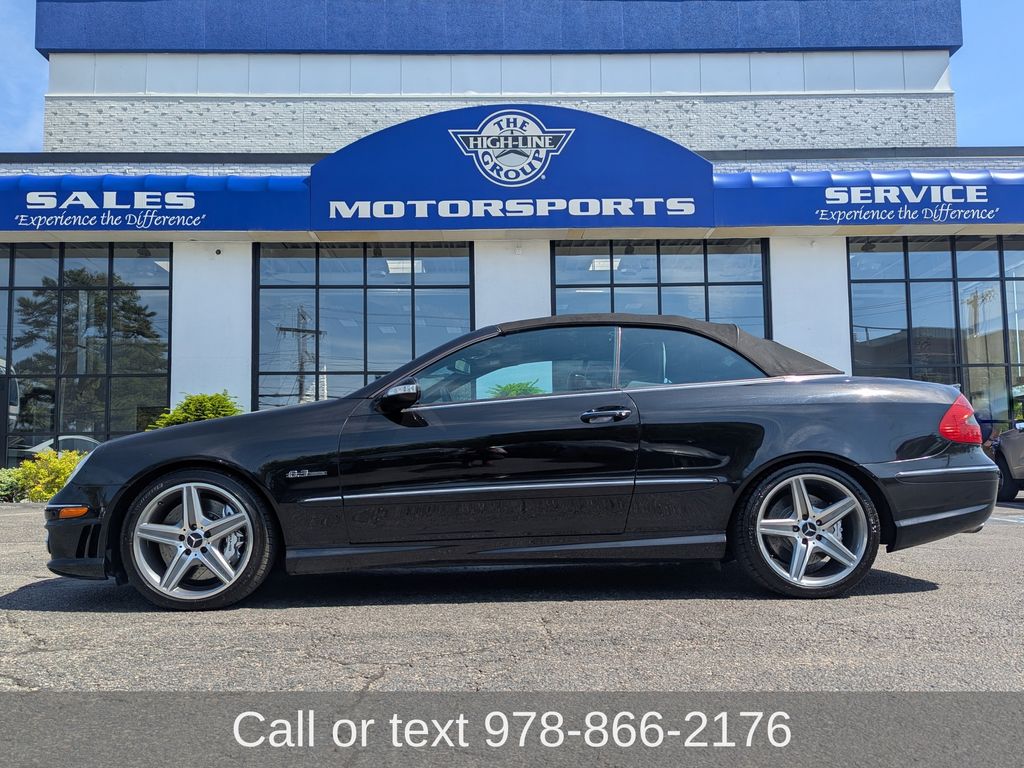
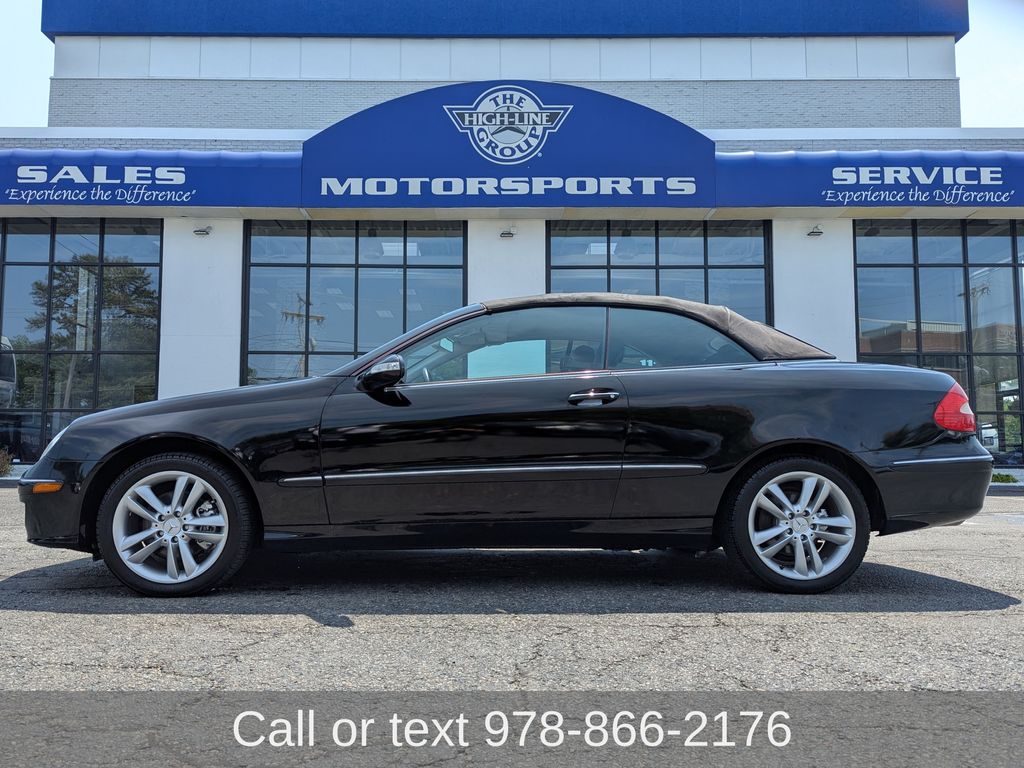
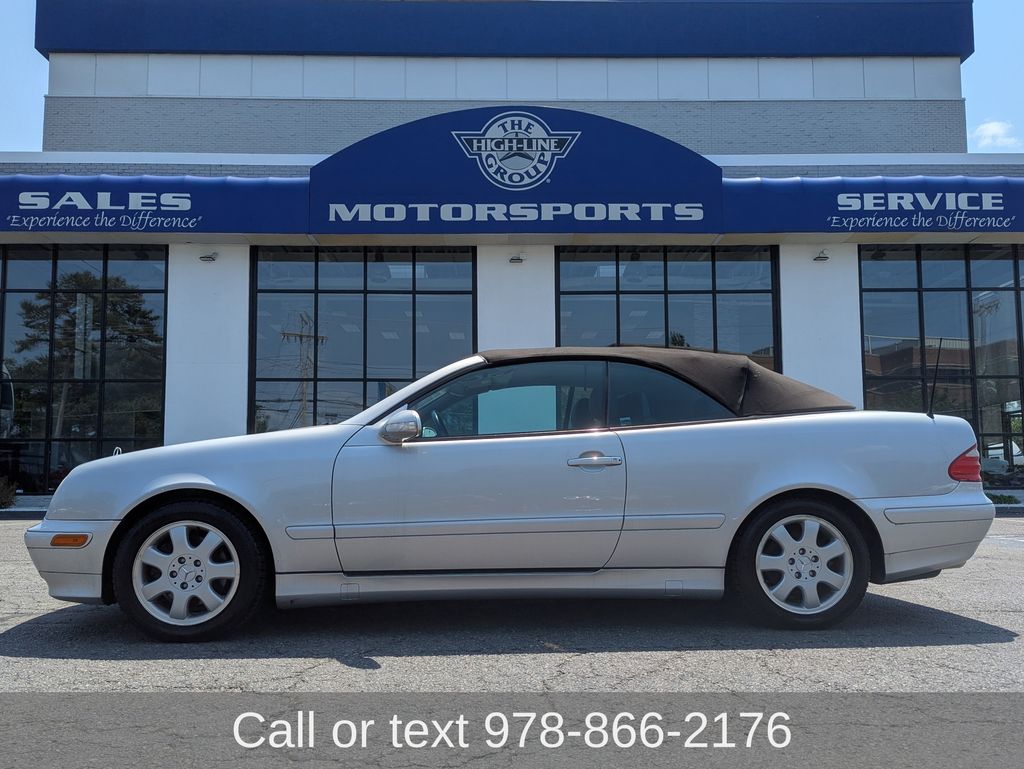
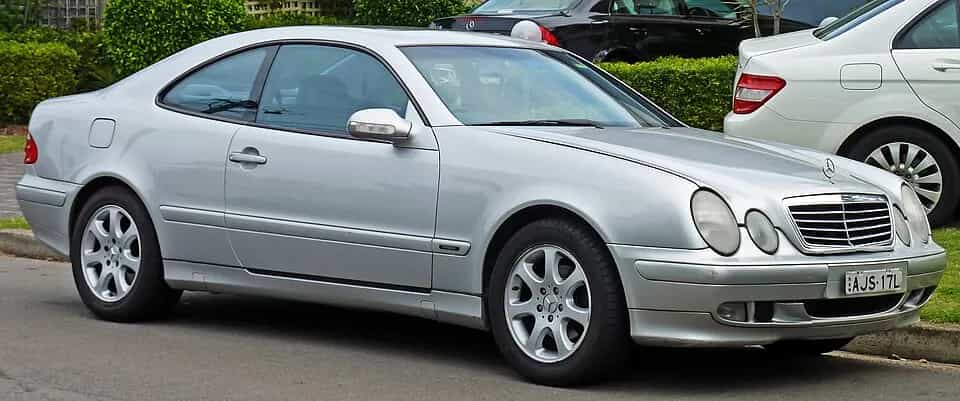
There are two generations. The first (W208, coupe 1997–2002, cabriolet 1998–2003) was built on C-Class mechanicals dressed in E-Class styling cues, with the twin round headlamps that defined the era. The second (W209, coupe 2002–2009, cabriolet 2003–2010) grew in size and refinement, adopted a stiffer body, and offered a much wider engine range. Both were replaced conceptually by the E-Class Coupé/Cabriolet, so the CLK name ended in 2010, giving these cars a defined, collectible identity today.
Engines and drivetrain in detail
For the US market the relevant W208 engines were the CLK320 (3.2-litre M112 V6, ~215 hp), the CLK430 (4.3-litre M113 V8, ~275 hp) and the CLK55 AMG (5.4-litre M113, ~342 hp). The W209 offered the CLK320 and later CLK350 (3.5-litre M272 V6, ~268 hp), the CLK500 and CLK550 (5.0- then 5.5-litre M113/M273 V8), the CLK55 AMG and the range-topping CLK63 AMG with the 6.2-litre M156 V8 (~481 hp), culminating in the rare Black Series. Almost all US cars are rear-wheel drive with a 5-speed automatic; later cars adopted the 7G-Tronic seven-speed. Manual gearboxes are effectively absent from the US pool.
Trim levels and variants
Two body styles run through both generations: a fixed-roof coupe and a fully powered soft-top cabriolet. Equipment lines in the US were badged by engine rather than by trim name, with option packages covering leather, the harman/kardon audio, adaptive suspension on AMG cars, and heated seats. The cabriolet, with its multi-layer fabric roof and heated glass rear window, is the more emotionally appealing import; the coupe is the pragmatist's choice with a stiffer shell.
Used availability in the USA
Because the CLK was a mainstream Mercedes in the States, supply is broad, and the crucial advantage is climate. A CLK from Arizona, California or Florida will typically be far cleaner underneath than a comparable European car — significant given the W208's corrosion reputation. Expect a spread of mileages; V6 cars are plentiful and affordable, while CLK500, CLK55 and CLK63 examples command more and reward patience. Documentation and a full service history separate a good import candidate from a money pit.
When importing makes sense
This car suits the buyer who wants classic Mercedes coupe or convertible character with a torquey petrol engine and understated style, rather than a modern turbocharged four-cylinder. It is ideal for someone chasing a specific V8 or AMG variant that is hard to find in good condition domestically, and who values the rust advantage of a southern US car. Enthusiasts targeting the CLK55 or CLK63 will find the American market one of the best places to look.
Facts and figures
| Body styles | 2-door coupe; 2-door cabriolet |
| Generations | W208 (1997–2003); W209 (2002–2010) |
| V6 (US) | CLK320 3.2 M112; CLK350 3.5 M272 |
| V8 (US) | CLK430 4.3; CLK500/550 5.0–5.5 M113/M273 |
| AMG | CLK55 5.4 M113 (~342 hp); CLK63 6.2 M156 (~481 hp) |
| Transmission | 5-speed auto; later 7G-Tronic |
| Drivetrain | Rear-wheel drive |
| 0–100 km/h (CLK500) | approx. 5.4 s |
| 0–100 km/h (CLK63) | approx. 4.6 s |
| Length (W209) | approx. 4.64 m |
| Wheelbase (W209) | approx. 2.72 m |
| Curb weight | approx. 1,500–1,800 kg |
| Fuel tank | approx. 62 L |
| Seating | 4 |
| Roof (cabriolet) | Powered multi-layer fabric soft top |
Reliability and common problems
The W208's headline CLK common problems are rust — wheel arches, sills, boot lid and the area around the fuel filler — so a dry US car is a real advantage, though you should still inspect thoroughly. Early cars can have the SBC (Sensotronic) brake system on related models; on the CLK check brake feel and any warning history. On the W209, the M272 V6 (2005–2008) is known for a worn intake balance-shaft or idler gear that throws a camshaft-correlation fault; verify the engine and casting date, as later-built units were corrected. The M113 V8 (CLK430, CLK500, CLK55) is one of Mercedes' most robust engines and is the safe choice for longevity. On cabriolets, exercise the roof fully and check the hydraulics and the rear window seal. Interior trim, window regulators and the pneumatic door-lock pump are common minor faults across both generations.
How US versions differ
US CLKs run amber-only rear indicators integrated into the tail lamps, sealed-beam-style DOT headlights, mph-first clusters and generally no rear fog lamp — all points for German approval. Emissions calibration is US federal/CARB, but the petrol engines are otherwise identical in architecture to their European counterparts. Side-marker lamps and the absence of a European-style rear fog light are the typical items to address.
From US purchase to registration
Select a documented coupe or cabriolet and inspect condition; decode the VIN and confirm the build plant, which sets the customs treatment; use escrow to protect the funds; ship by container or RoRo from a US port to Bremerhaven; clear German customs; present the car for TÜV and individual approval (§21 StVZO Einzelabnahme); then register locally. AMG cars are worth a specialist inspection before purchase.
Costs, duty and taxes at a glance
Key point: duty depends on the plant of build; only a VIN check secures the 0% rate. Import VAT of 19% applies regardless.
Duty and VAT are stated separately. The 0% import duty under Regulations (EU) 2026/1455 and 2026/1461 (in force since 1 July 2026, direct transport, valid to 31 December 2029) applies only where US origin is provable through the VIN and plant. The CLK-Class was built in Bremen, Germany, so most cars are of German origin and the 0% US-origin rate will typically not apply — the standard passenger-car duty is the realistic expectation, and this must always be checked per VIN rather than assumed. Independently of origin, the 19% German import VAT (Einfuhrumsatzsteuer) always applies to the customs value plus freight. We never promise duty-free status and add no margin.
TÜV, approval and license plates
Expect to add or convert a rear fog lamp, adapt the rear indicators to comply, fit or confirm headlights suitable for right-hand traffic, and verify a km/h speedometer scale. On the cabriolet, the roof mechanism should be checked so it is fully functional at inspection. The recorded odometer value is documented and carried into the German papers.
Pre-purchase checklist
1) Decode the VIN and confirm the plant and exact engine variant. 2) Obtain a Carfax or AutoCheck report for accidents, title status and mileage history. 3) Inspect closely for rust (critical on W208) even on dry-state cars. 4) Confirm the M272 engine build date if buying a 2005–2008 V6. 5) Fully cycle the cabriolet roof. 6) Check for the SBC/brake warning history. 7) Insist on service records, especially for AMG cars.
Import FAQ
Which CLK engine is the most reliable?
The M113 V8 in the CLK430, CLK500 and CLK55 AMG is the standout for durability; the pre-2005 M112 V6 is also solid.
Does a US CLK get 0% import duty?
Usually not, because the CLK was built in Germany, so US origin generally cannot be proven. The 19% import VAT always applies regardless.
Is rust still a concern on a US car?
A dry-state car is far better than a European one, but the W208 in particular should still be inspected carefully around the arches and sills.
What is the balance-shaft issue?
Certain 2005–2008 M272 V6 engines suffer a worn balance-shaft gear; check the engine build date, as later units were corrected.
Coupe or cabriolet for import?
The cabriolet is the more desirable and emotional choice; the coupe is stiffer and simpler. Both import the same way.
Are AMG models worth importing?
Yes — the CLK55 and especially the CLK63 are sought after, and the US market has a good supply, but budget for specialist maintenance.
Will it pass German TÜV?
With the standard lighting adaptations and an individual approval, yes.
How long does shipping take?
Generally several weeks from US port to German registration, mostly dependent on freight scheduling and customs.
See the wider range in the Mercedes-Benz in the Carhub, compare it with the Mercedes-Benz SLK-Class, the C-Class Coupe and the BMW 6 Series, or browse the current CLK-Class listings.