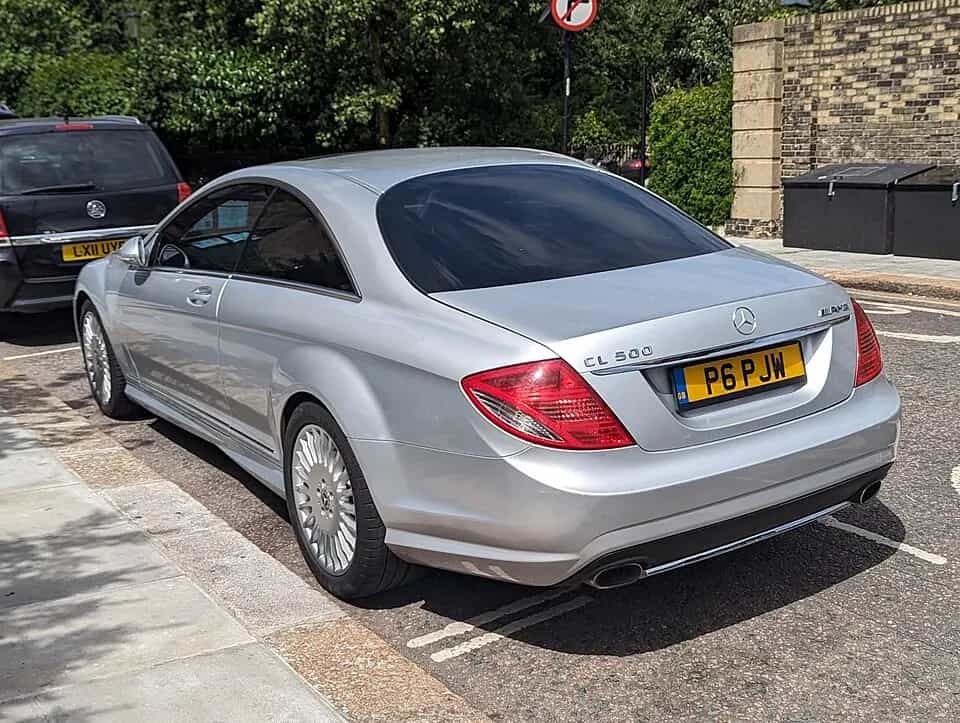
Mercedes-Benz CL-Class
Importing a used Mercedes-Benz CL-Class from the USA
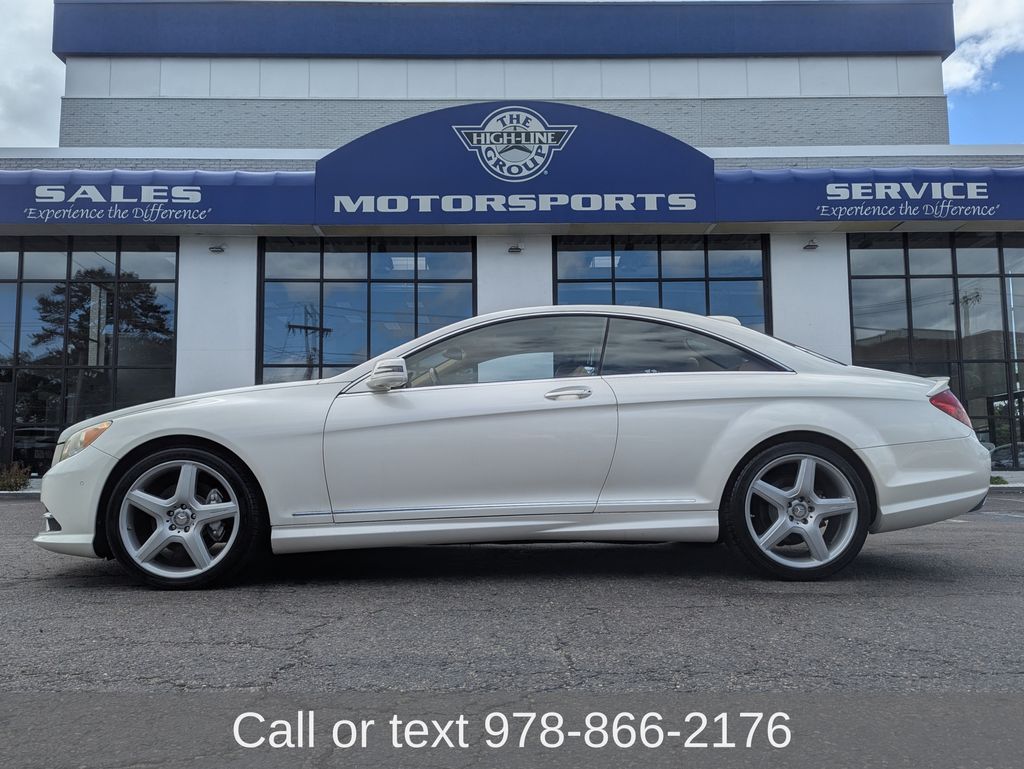
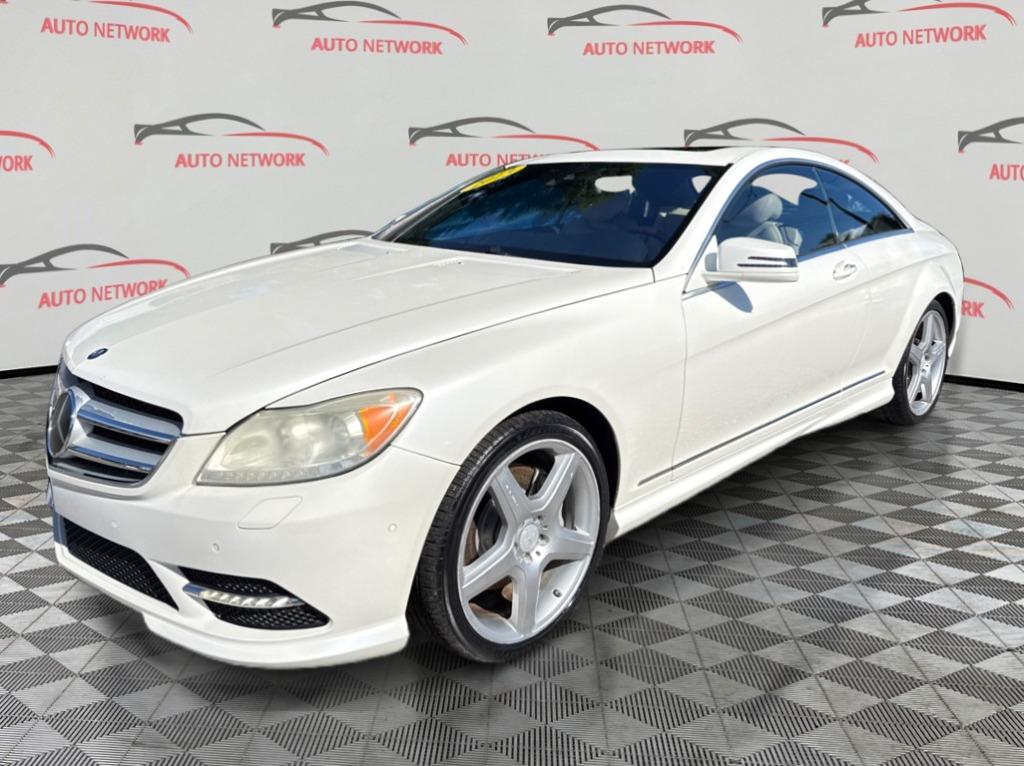
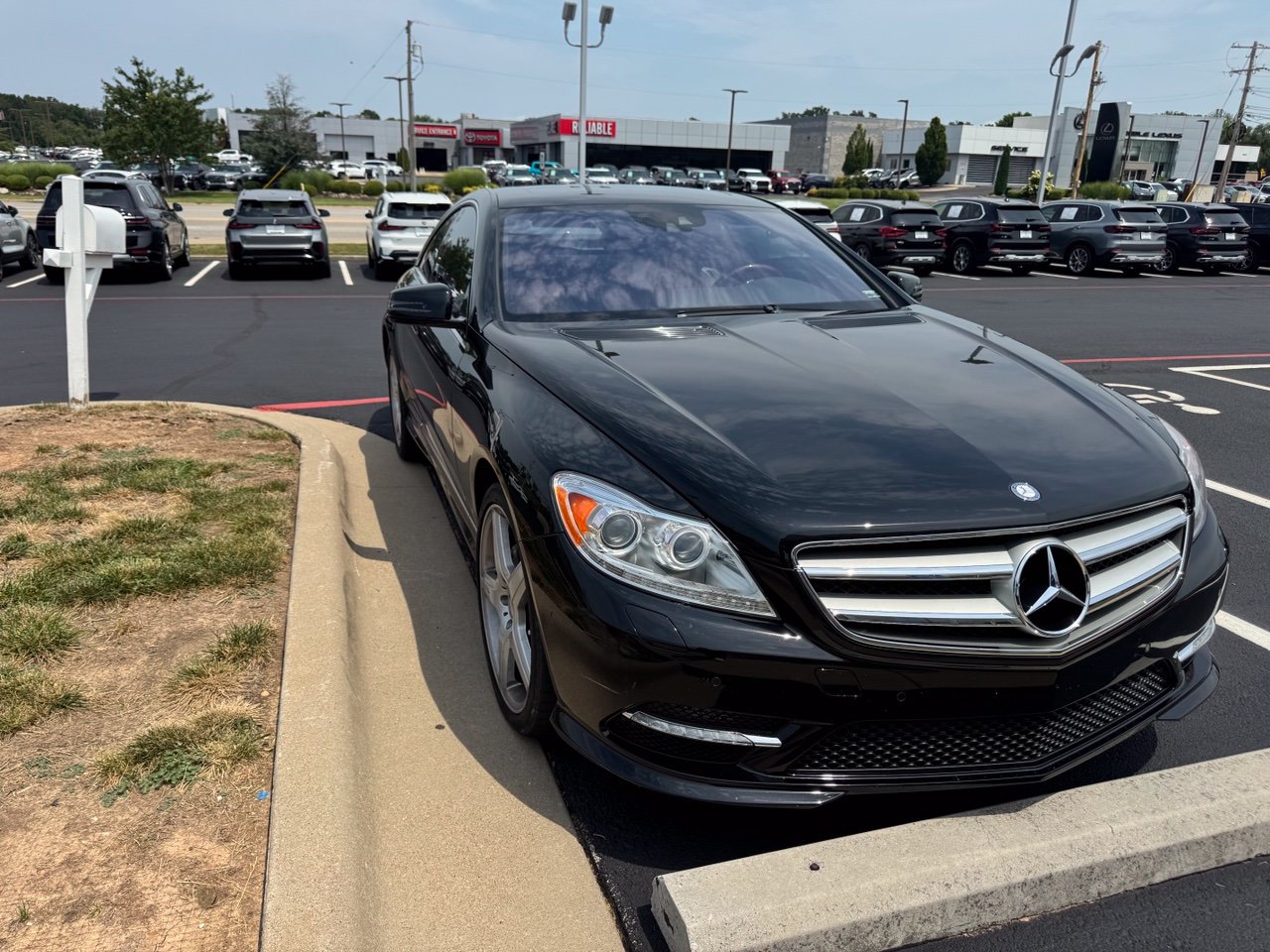
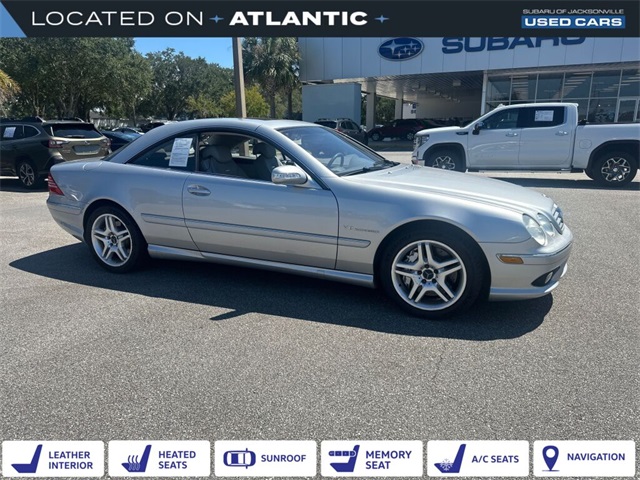
The Mercedes-Benz CL-Class was the two-door flagship of the S-Class family — a pillarless luxury coupe that paired the engineering of the big saloon with an elegant, frameless-window body and, in AMG form, genuinely ferocious performance. US-market cars are common, often loaded with options, and can be attractively sourced from the large American second-hand pool. This guide covers the CL generations, the V8 and V12 engines you will encounter, the honest reliability picture, and the customs and TÜV process for importing a used Mercedes-Benz CL-Class from the USA. USCar Trader acts purely as an independent broker for used US vehicles; we source and coordinate, we do not sell from our own stock.

Model history and generations
Two generations are relevant to a modern importer. The C215 (2000–2006) introduced the CL badge on this platform, with a smooth, understated body and the debut of technologies like Active Body Control (ABC) and, on some cars, the SBC electro-hydraulic braking system. The C216 (2007–2014) brought sharper styling, updated engines and cabins, revised safety and infotainment, and a 2010 facelift. In 2014 Mercedes folded the model into the S-Class range and renamed it the S-Class Coupe, so "CL-Class" specifically refers to these C215 and C216 cars. Model year and generation strongly determine engine, electronics and running-cost profile.
Engines and drivetrain
On the C215, US buyers saw the CL500 with the 5.0-litre M113 V8 (later the 5.5-litre M273 V8), the CL55 AMG with a supercharged 5.4-litre V8 producing around 500 hp, the CL600 with a twin-turbo 5.5-litre V12 of roughly 500 hp, and the range-topping CL65 AMG with a twin-turbo 6.0-litre V12 near 600 hp and immense torque. The C216 continued the CL550 (4.6-litre twin-turbo V8 in later cars), the CL600 V12, and AMG models including the 6.2-litre naturally aspirated M156 CL63 that later switched to the 5.5-litre twin-turbo M157. All CLs are rear-wheel drive with automatic transmissions; 4MATIC all-wheel drive appeared on some later CL550 examples.
Which trim makes sense
The CL exists solely as a large, four-seat, two-door coupe with frameless doors. Rather than trim levels, the model line is defined by engine designation — CL500/CL550, CL600, CL55/CL63 AMG, CL65 AMG — each stepping up in power, equipment and price. Standard specification was lavish even on base cars: adaptive suspension, premium leather, advanced climate and, increasingly, driver-assistance features. AMG cars add uprated brakes, bespoke wheels and performance hardware.
Supply on the US market
Because the CL was a costly car when new, US examples tend to be well-equipped and, in many cases, carefully kept — though depreciation means some have passed into less diligent ownership, so condition varies widely. Typical candidates range from tidy, documented CL550/CL500 cars to higher-mileage V12s that demand caution. Dry southern and western US cars are preferable for corrosion reasons, particularly with the earlier C215. As always with a complex luxury coupe, service history is worth more than a low odometer figure.
Who benefits from importing
The CL-Class suits a buyer who wants a stately, fast, comfortable grand tourer with presence and V8 or V12 character, and who understands that flagship Mercedes coupes reward — and require — proper maintenance. It is ideal as a weekend GT or a characterful second car. A well-chosen CL550 offers the most manageable ownership; the AMG and V12 cars deliver spectacular performance for those prepared for their running costs.
Technical data
| Item | Detail (typical) |
|---|---|
| Generations | C215 (2000–2006), C216 (2007–2014) |
| Body style | 2-door 4-seat luxury coupe |
| CL500/CL550 engine | 5.0/5.5 V8; later 4.6 twin-turbo V8 |
| CL55 AMG | supercharged 5.4 V8, approx. 500 hp |
| CL600 | twin-turbo 5.5 V12, approx. 500 hp |
| CL65 AMG | twin-turbo 6.0 V12, approx. 600 hp |
| CL63 AMG | 6.2 V8, later 5.5 twin-turbo V8 |
| Transmission | 5-/7-speed automatic |
| Drive | RWD (later 4MATIC on some CL550) |
| Suspension | Active Body Control (ABC) / Airmatic |
| 0–60 mph (CL550) | approx. 5.0 s |
| Length | approx. 5,065 mm |
| Curb weight | approx. 2,100–2,300 kg |
| Fuel tank | approx. 90 L |
| Fuel | Premium petrol |
Known weak points and maintenance
The CL is a magnificent car that punishes deferred maintenance. The best-known Mercedes CL-Class common problems centre on the Active Body Control suspension: pump, valve block and strut leaks are expensive to put right, and a car with sagging or knocking ABC should be priced accordingly. Early C215 cars can also carry the SBC braking system, which has a finite service life, and rust can appear on neglected examples. Air suspension components, electronic gremlins, and the V12 twin-turbo cars' engine wiring harness, coil packs and turbo plumbing are further watch points. None of this makes the CL a bad buy — but it makes a thorough inspection and honest budgeting essential, especially on V12 and AMG models.
US and EU spec compared
US-market CLs use American lighting and instrumentation: mph-primary clusters, US headlamp aim, US indicator/side-marker arrangements and no rear fog lamp. Infotainment, navigation mapping and some assistance features are configured for the US market. These are the elements an individual approval will check, and some may need adaptation for German registration.
The import process in detail
The route is: select the specific US car; verify VIN, origin/plant and full history; use escrow so funds release only after inspection; arrange ocean freight (container shipping suits a valuable coupe); clear EU customs on arrival; pass TÜV inspection and individual approval (Einzelabnahme) with any required changes; then register in Germany. USCar Trader coordinates every stage for you.
What customs clearance really costs
Remember: no origin proof, no 0% duty – and 19% German import VAT is due on every import.
Two separate charges apply. The import duty rate is origin-dependent. The CL-Class was built in Sindelfingen, Germany, so it is not of US origin — the 0% preferential rate under Regulations (EU) 2026/1455 and 2026/1461 applies only to provable US-origin vehicles and therefore does not apply to a German-built CL. A German car re-imported from the US is subject to the standard passenger-car customs duty. Separately and always, the 19% German import VAT (Einfuhrumsatzsteuer) is charged on the customs value plus duty and freight. We confirm the duty position from the VIN before you commit and never advertise duty-free.
TÜV, modifications and registration
Typical approval work includes adding rear fog lamp function, adjusting headlamps to EU aim, confirming indicator and side-marker compliance, and documenting a genuine odometer reading. On these electronically complex cars it is also worth confirming that safety and lighting systems function correctly before presentation. Registration follows a successful individual approval.
Check before you buy
Verify the VIN against title and a full Carfax/AutoCheck history; confirm a clean, non-salvage title; test the ABC/Airmatic suspension for leaks, sagging or warning messages; inspect for rust, especially on C215 cars; check the brakes (and SBC status on early cars); demand complete service records with evidence of major services; and confirm the odometer's authenticity.
Common questions
Can I import a used Mercedes-Benz CL-Class from the USA?
Yes. US-market CL coupes are readily available and importable; USCar Trader handles sourcing, verification, shipping and approval as your broker.
Does the CL-Class qualify for 0% import duty?
No. The CL is built in Germany, so it is not of US origin and does not qualify for the US-origin preferential rate; the standard passenger-car duty applies.
Do I still pay import VAT?
Yes. The 19% German import VAT applies to every import regardless of origin and is charged separately from any duty.
What is the most common CL problem?
Active Body Control suspension leaks and failures are the best-known and most costly issue; budget for them on any ABC-equipped car.
Which CL is the most sensible to own?
A well-documented CL550/CL500 V8 typically offers the most manageable running costs; V12 and AMG cars are more expensive to maintain.
Are the V12 cars reliable?
They can be with meticulous maintenance, but turbo, ignition and wiring-harness costs are high — buy only with full history.
How should the car be shipped?
Container shipping is recommended for a valuable luxury coupe to protect it during the ocean crossing.
Is the CL-Class the same as the S-Class Coupe?
Effectively yes — Mercedes renamed the model the S-Class Coupe in 2014; "CL-Class" refers to the earlier C215 and C216 cars.
Browse the full range in the Mercedes-Benz in the Carhub, compare the CL with the Mercedes-Benz CLS-Class and the Mercedes-Benz SL-Class, or see the current CL-Class listings.