Importing a used Mercedes-Benz C-Class Sedan from the USA
USCar Trader is an independent broker for used vehicles only. No margin, no manufacturer tie, no new cars. Here is the detail.
 0049 (0)89 2000 791 00
 Mo - Fr 8:00am - 8:00pm
USCar Trader import service
Choose a specific vehicle. Where data is available, its detail page shows the import cost calculation. We assess any possible duty benefit with you before purchase.
Important: A 0% EU import-duty rate may be available for a vehicle covered by Regulation (EU) 2026/1455 that has US origin and is imported directly into the EU. CETA may apply to a vehicle with preferential Canadian origin. Whether the requirements are met is assessed for the individual case. Please contact us before purchase; we review the possible duty benefit and provide non-binding support through the process. Import VAT and other costs are assessed separately.
CarHub · Mercedes-Benz
The C-Class is one of the few cars that is thoroughly familiar on both sides of the Atlantic, which raises a fair question: why import one from the States at all? The answer is usually specification.
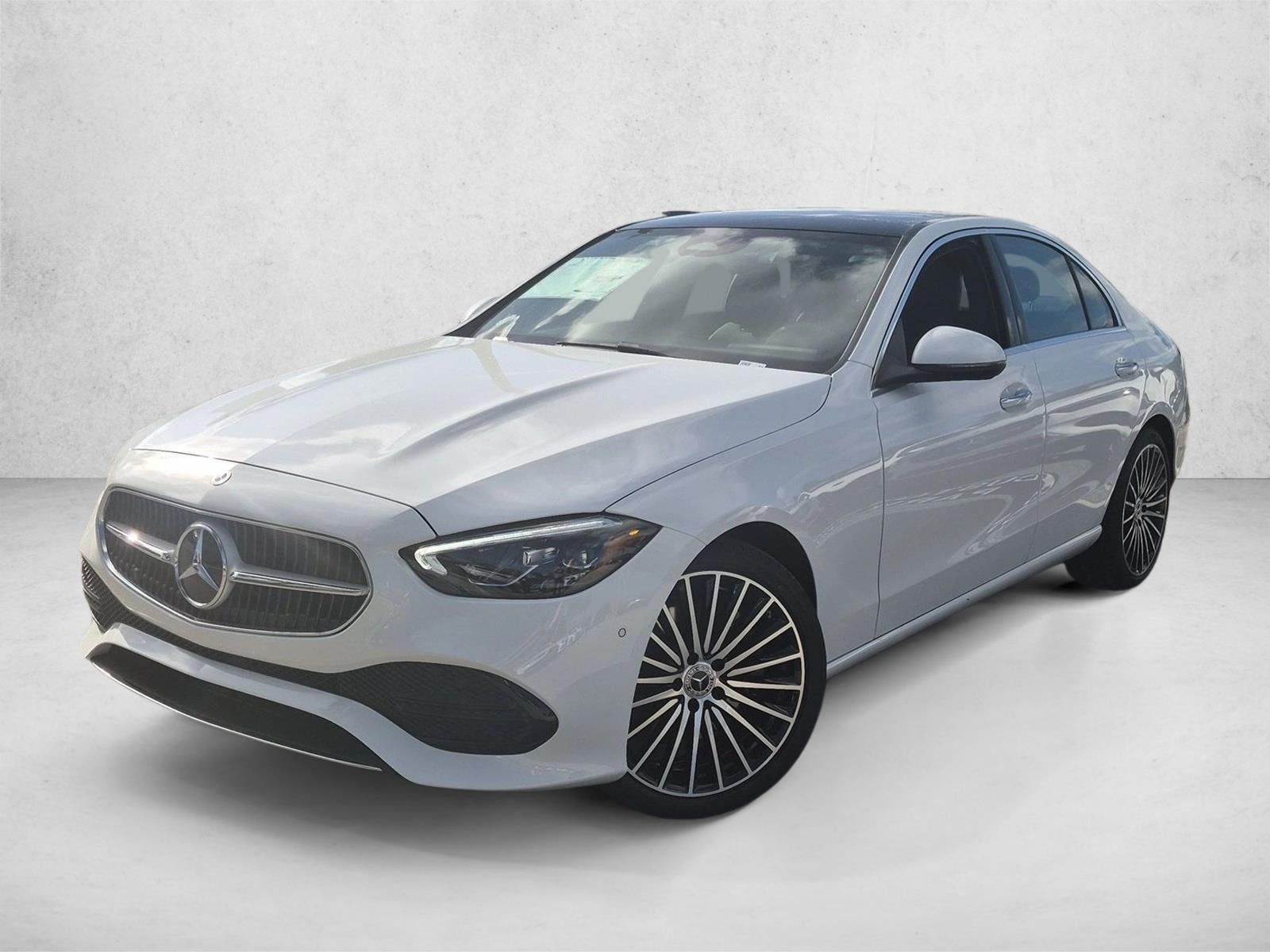
Price:55,529.00 USD
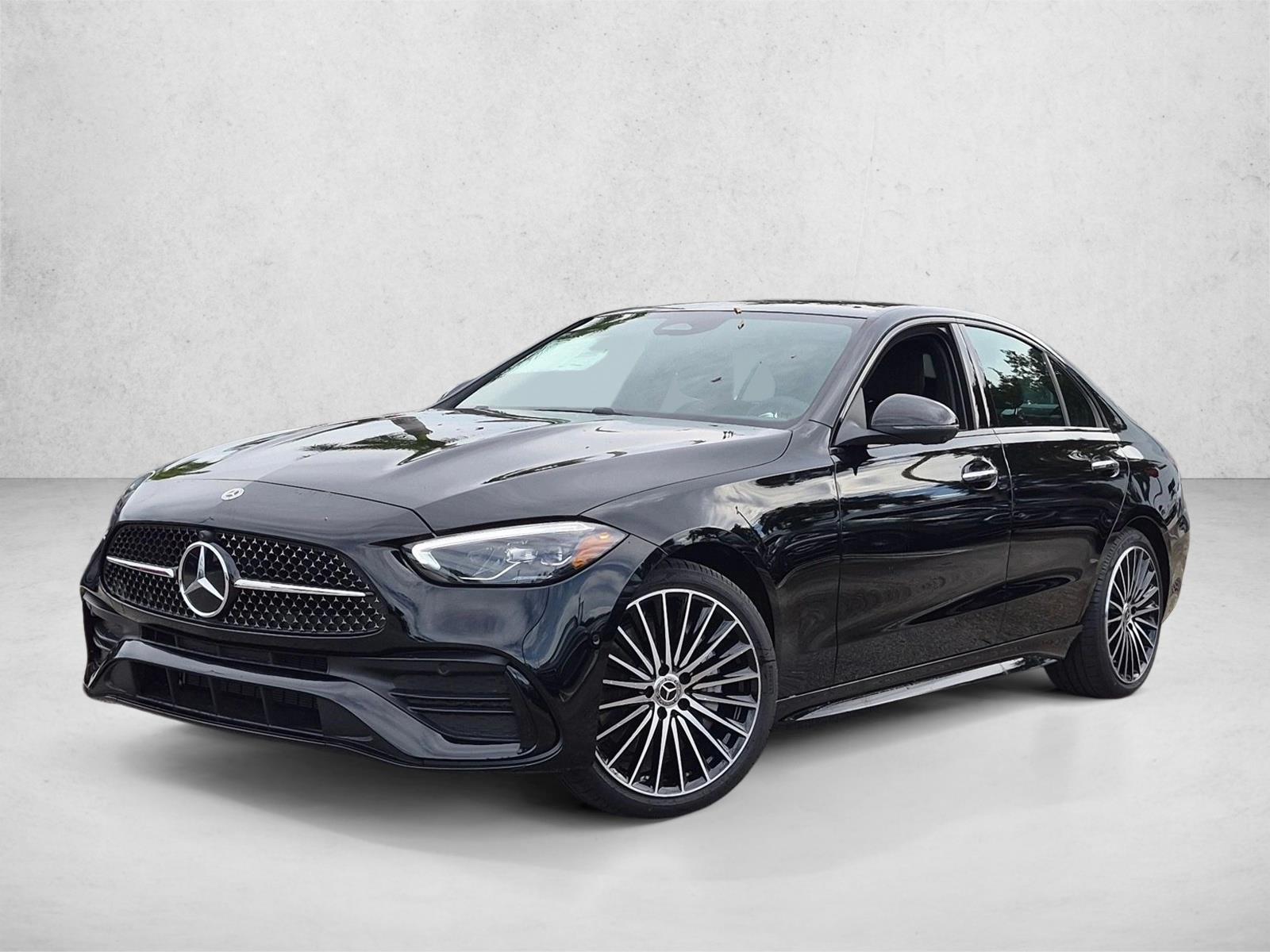
Price:59,529.00 USD
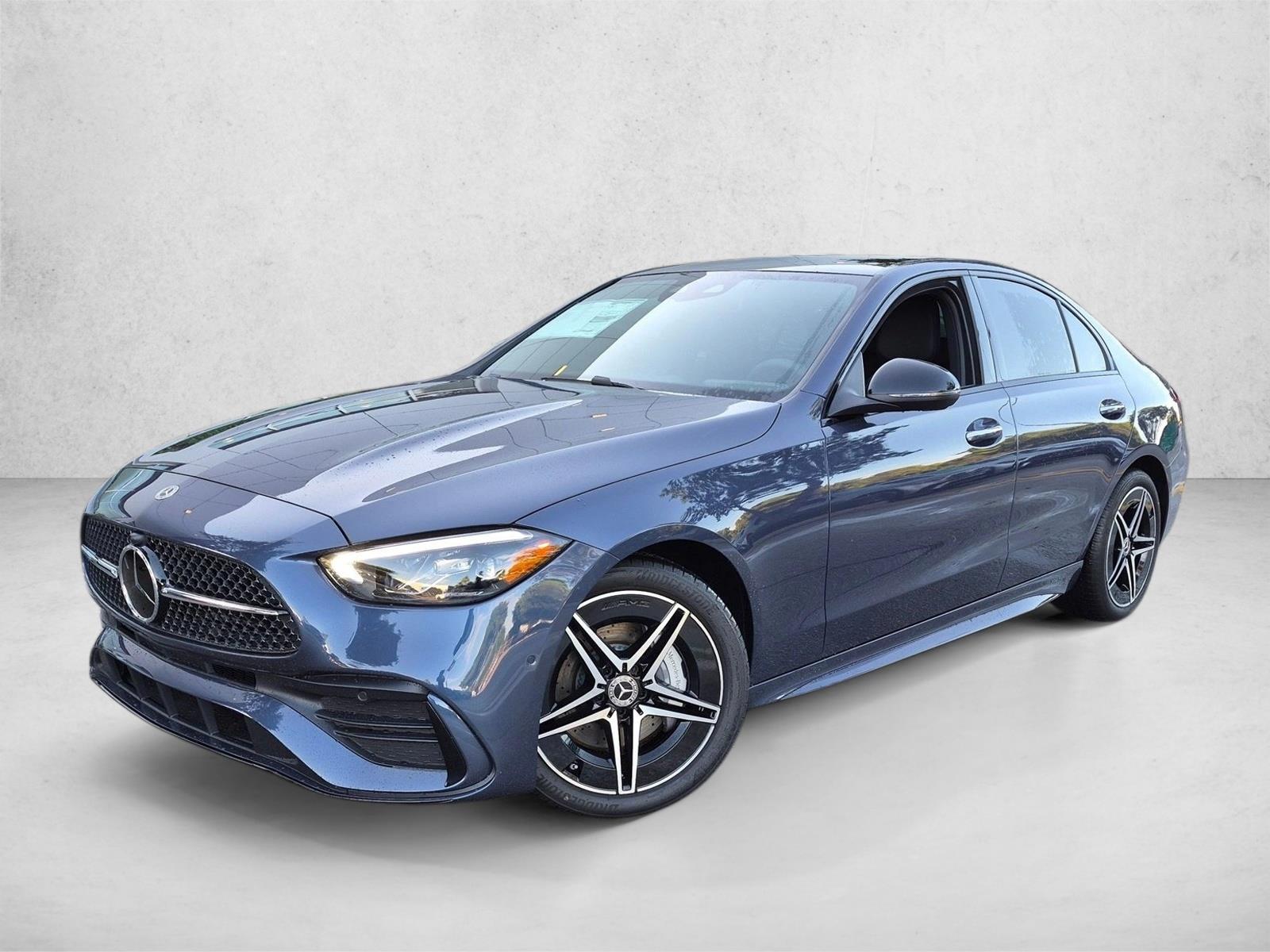
Price:60,909.00 USD
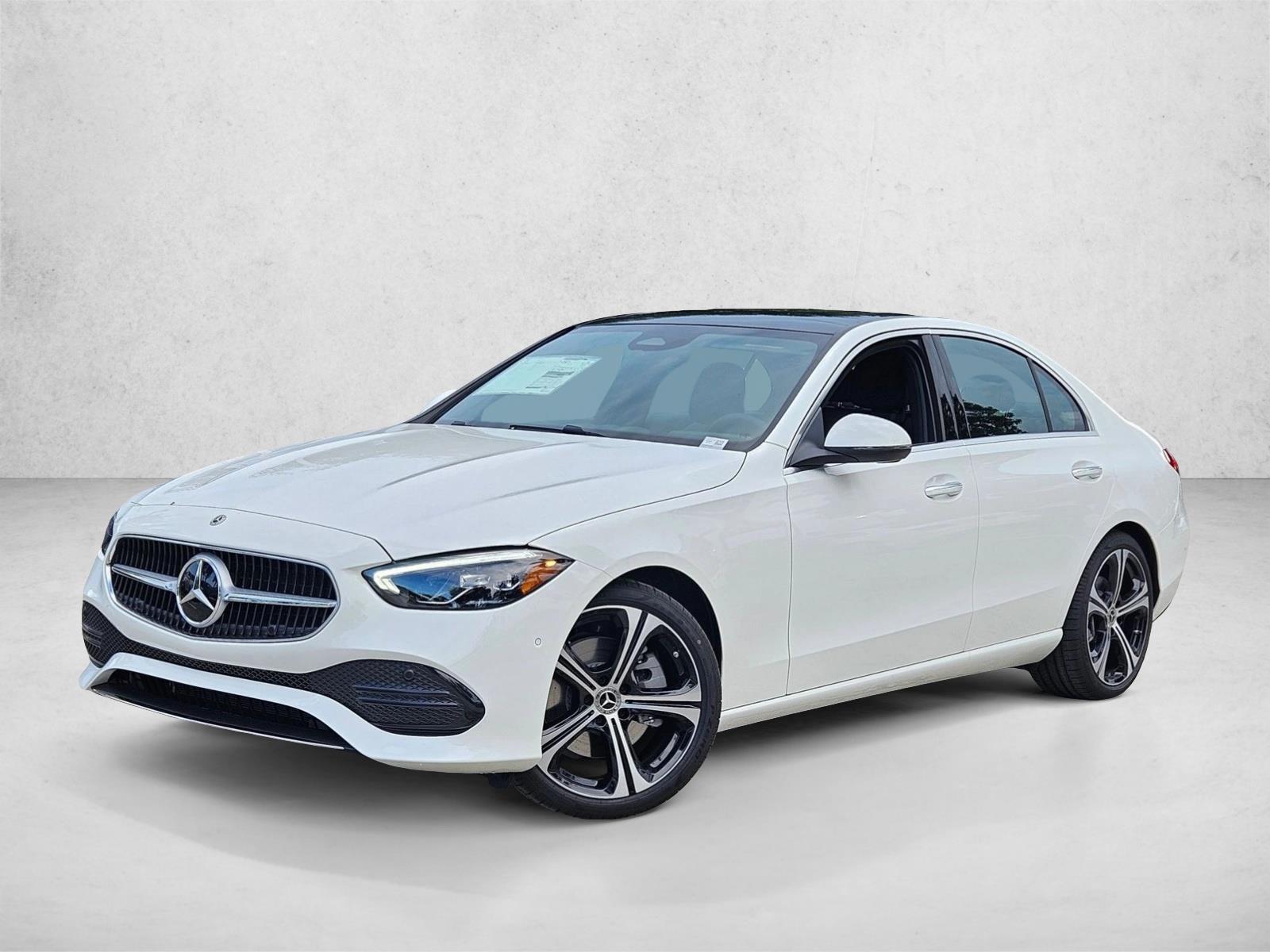
Price:52,994.00 USD
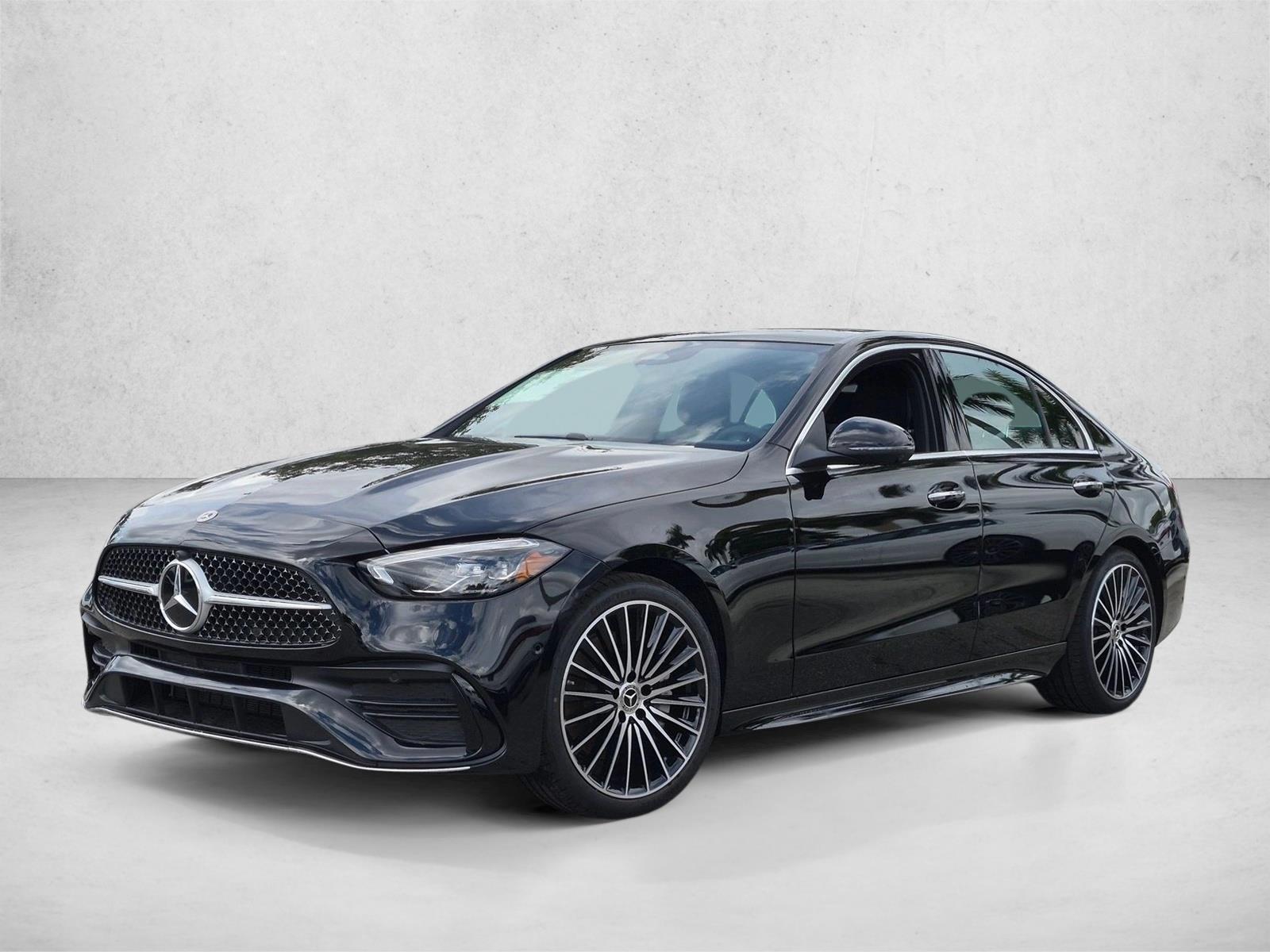
Price:57,454.00 USD
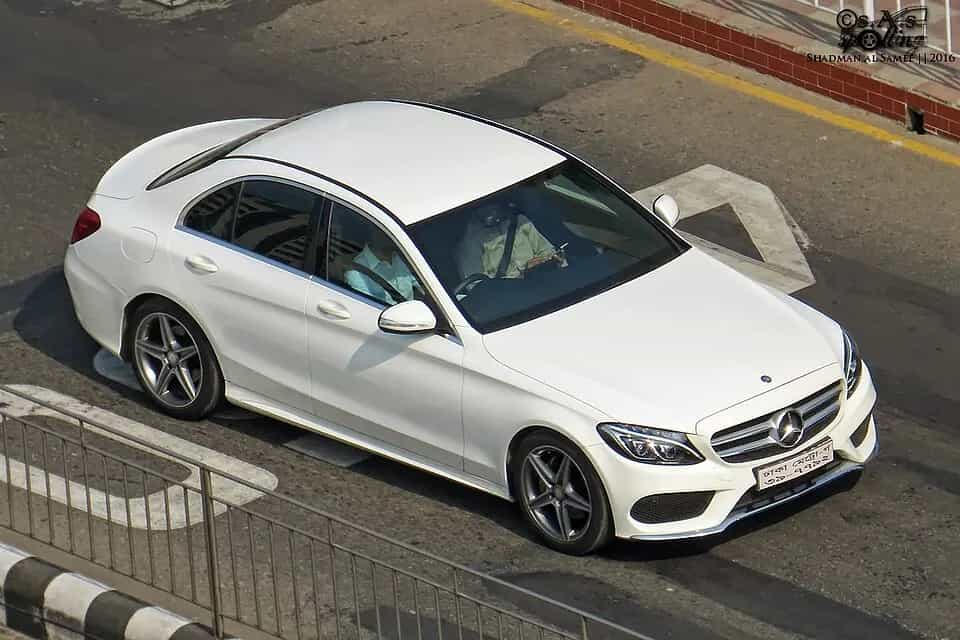
Model profile
USCar Trader is an independent broker for used vehicles only. No margin, no manufacturer tie, no new cars. Here is the detail.
Recent US C-Class sedans span three generations. The W204 (2008–2014) was the last of the more analogue C-Classes.
Powertrain and equipment
In the current W206, the US C300 uses a 2.0-litre turbocharged four-cylinder with 48-volt mild-hybrid assistance (EQ Boost), producing 255 hp through a 9G-Tronic nine-speed automatic, with rear-wheel drive or 4MATIC all-wheel drive.
Here the C-Class is a four-door sedan (Limousine). US structure runs the core C300 with Premium and higher option packages, then the AMG C43 and range-topping C63 lines. US cars are frequently well-optioned with the Premium and driver-assistance packages, panoramic roof and Burmester audio.
Vehicle selection
C-Class supply in the States is enormous. W205 cars from 2016–2020 are plentiful with 30,000–80,000 miles, and southern-state examples avoid road-salt corrosion.
Importing makes most sense when you want a specific US-market configuration or AMG variant, or a rust-free sun-belt car in a spec Europe did not offer.
Vehicle data
| Model line | C-Class Sedan (W205 / W206) |
|---|---|
| Length (W206) | 187.0 in / 4,751 mm |
| Wheelbase (W206) | 112.8 in / 2,865 mm |
| Curb weight (C300) | approx. 3,700 lb / 1,680 kg |
| Engine (C300, W206) | 2.0 L turbo I4 + 48V mild hybrid |
|---|---|
| Power (C300) | 255 hp |
| Engine (AMG C43, W206) | 2.0 L turbo I4 (e-turbo) |
| Power (AMG C43) | 402 hp |
| Engine (AMG C63 S E Perf.) | 2.0 L turbo PHEV |
| Power (C63 S E Perf.) | 671 hp |
| Transmission | 9G-Tronic 9-speed automatic |
| Drivetrain | Rear-wheel drive or 4MATIC AWD |
| Fuel type | Premium unleaded (petrol; C63 plug-in hybrid) |
| 0–60 mph (C300) | approx. 5.9 s |
|---|---|
| Typical build | Bremen, Germany (also South Africa) |
Values are reproduced verbatim from the existing article table. The documents for the specific vehicle govern.
Pre-purchase review
For the Mercedes-Benz C-Class Sedan, the agreed inspection plan focuses in particular on fault memory, the visible condition of the hybrid and cooling systems, maintenance records and interaction between combustion and electric drive. USCar Trader can document these points through a separately commissioned on-site inspection; inaccessible areas or unauthorised road tests are explicitly recorded as unchecked.
Germany and Europe
US C-Class cars use MPH instruments, US lighting with side-marker reflectors and typically no rear fog lamp, US-band audio and navigation mapping, and sometimes different assistance-system calibration.
Typical work covers a rear fog lamp, ECE-compliant lighting adaptation, a km/h speedometer, adaptation of assistance-system parameters where needed, and a full technical file for the individual approval.
USCar Trader services
As a buyer based in Germany, you do not have to inspect the vehicle yourself in the United States or Canada. Within the agreed scope, USCar Trader can coordinate document review, a separately commissioned on-site inspection and purchase processing.
Covered inspection points are agreed in advance. An on-site inspection records condition at the appointment and is not a guarantee.
Next step: Before commissioning, USCar Trader and the customer agree which document, history, inspection and transaction checks suit the vehicle and are included in the service. This records what was actually checked.
Import process
The assessment depends on the specific vehicle and the circumstances of the transaction. Please contact USCar Trader before purchase; we review any possible duty benefit and provide non-binding support. Import VAT and other costs are considered separately.
Questions and answers
Predominantly in Bremen, Germany, with some South African production. It is not a US build.
No, not automatically. A 0% EU import-duty rate may be available for a vehicle covered by Regulation (EU) 2026/1455 that has US origin and is imported directly into the EU. CETA may apply to a vehicle with preferential Canadian origin. Whether the requirements are met is assessed for the individual case. Please contact USCar Trader before purchase; we review the possible duty benefit and provide non-binding support. Import VAT and other costs are assessed separately.
Usually for a specific US-market specification, colour-and-trim combination, or AMG variant, or for a rust-free sun-belt car.
The C300 4MATIC suits most buyers; the W205 AMG C63 4.0 V8 is the enthusiast's choice.
Broadly yes, with attention to oil consumption on W205 cars and disciplined servicing.
Smoother stop-start, mild electric assist and better efficiency on W206 cars, at the cost of added complexity.
W205 cars with 30,000-80,000 miles and full history offer strong value.
Typically several weeks from purchase to registration, mostly freight and customs time.
More vehicles