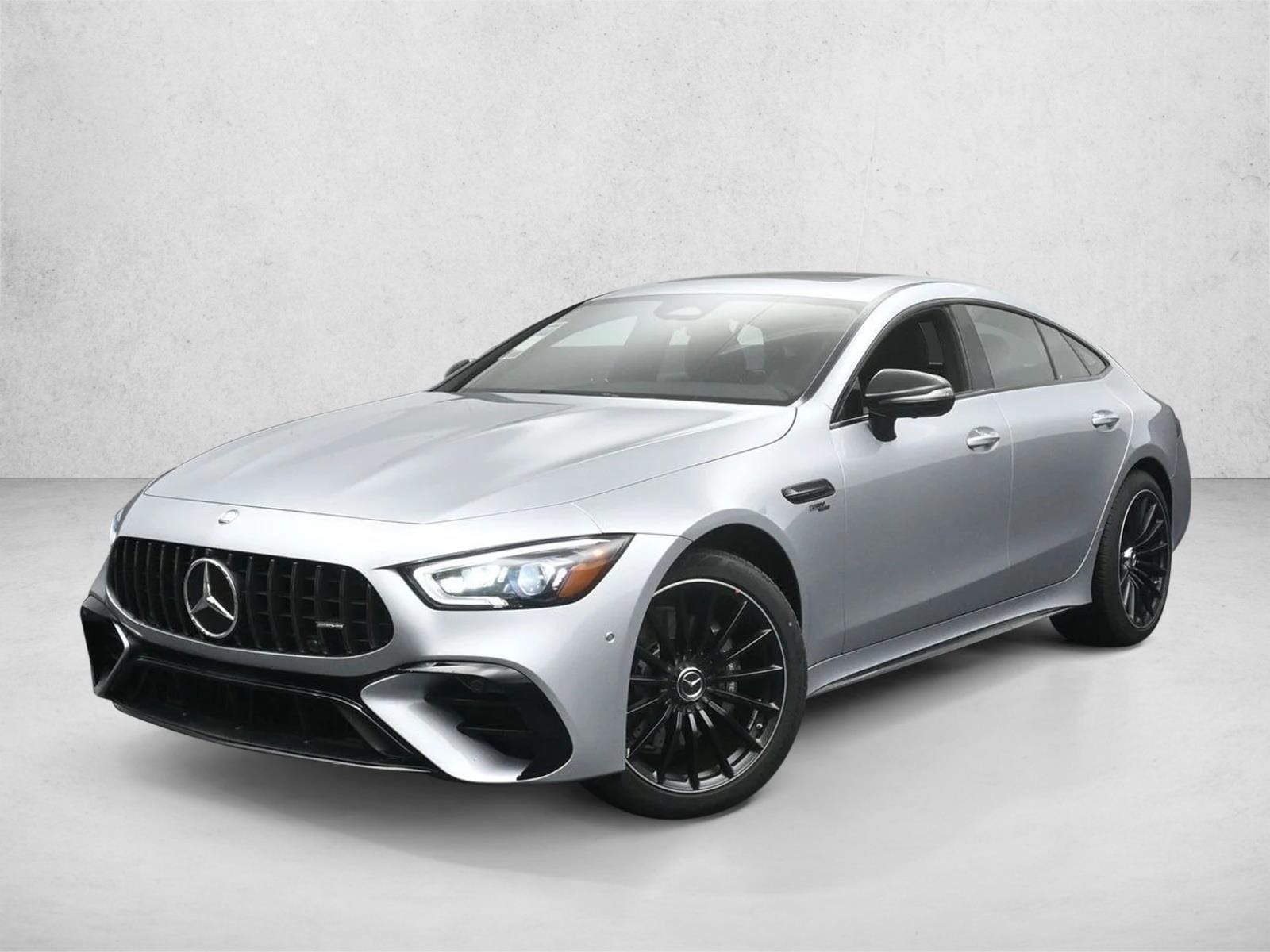
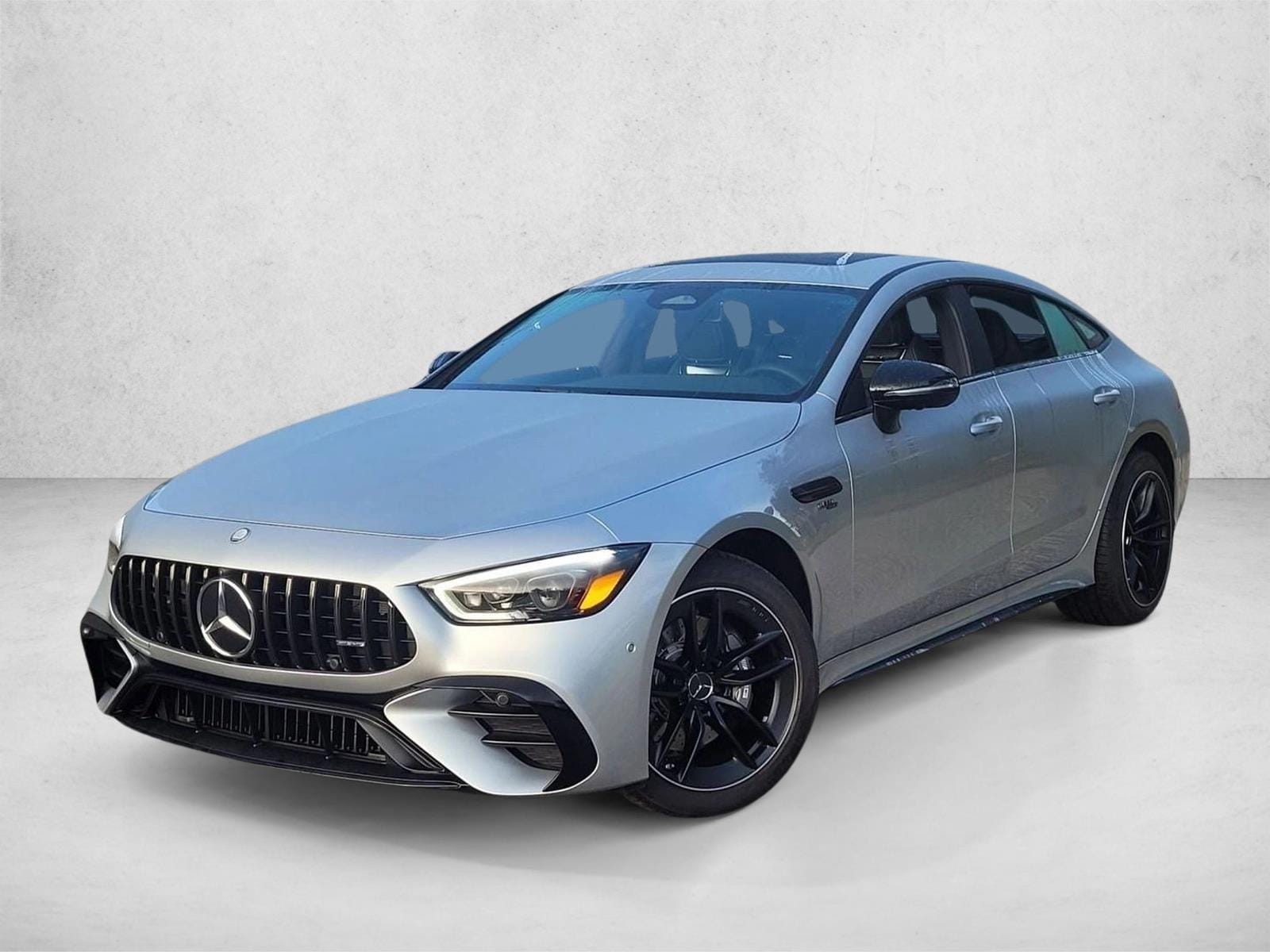
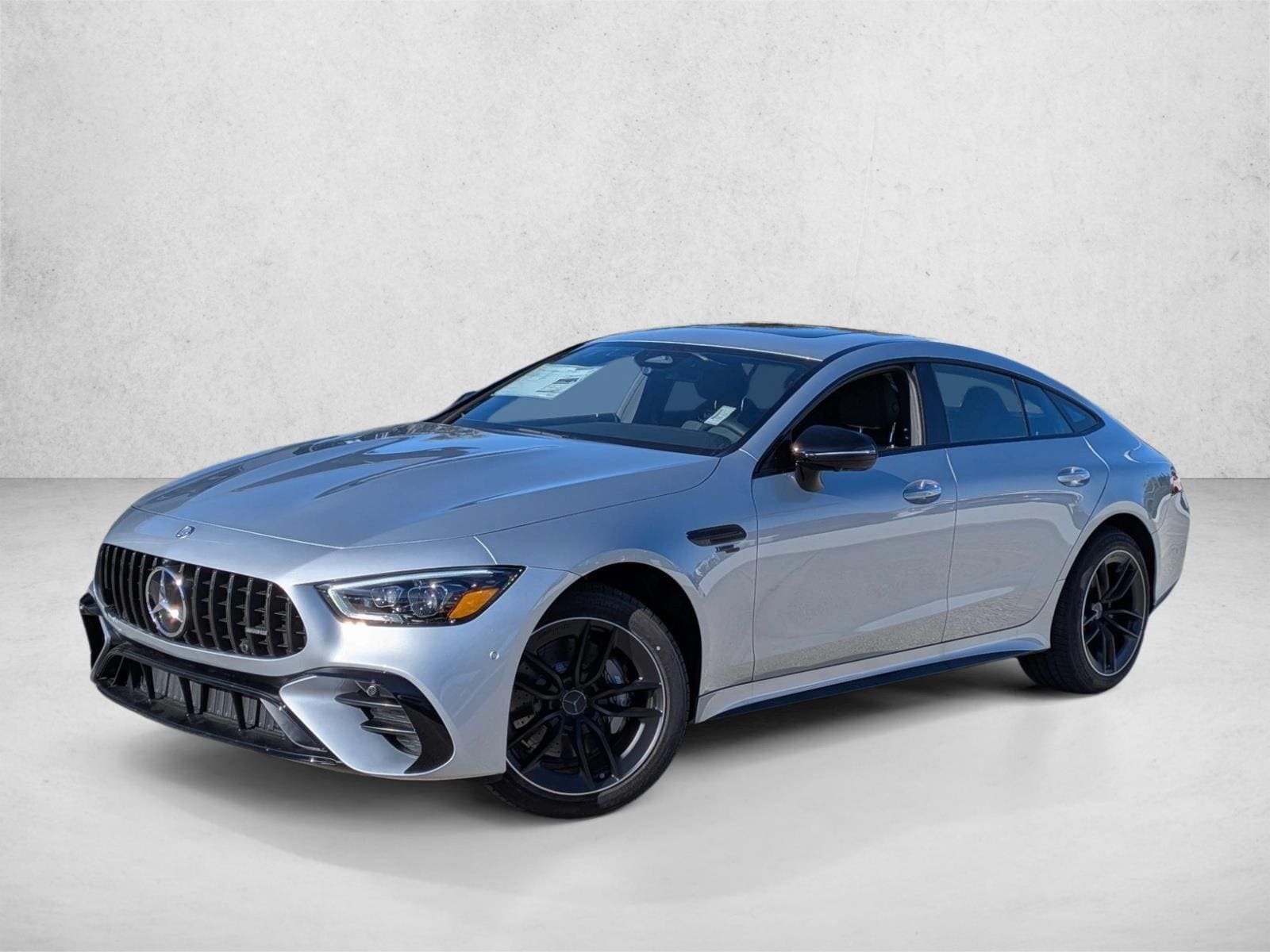
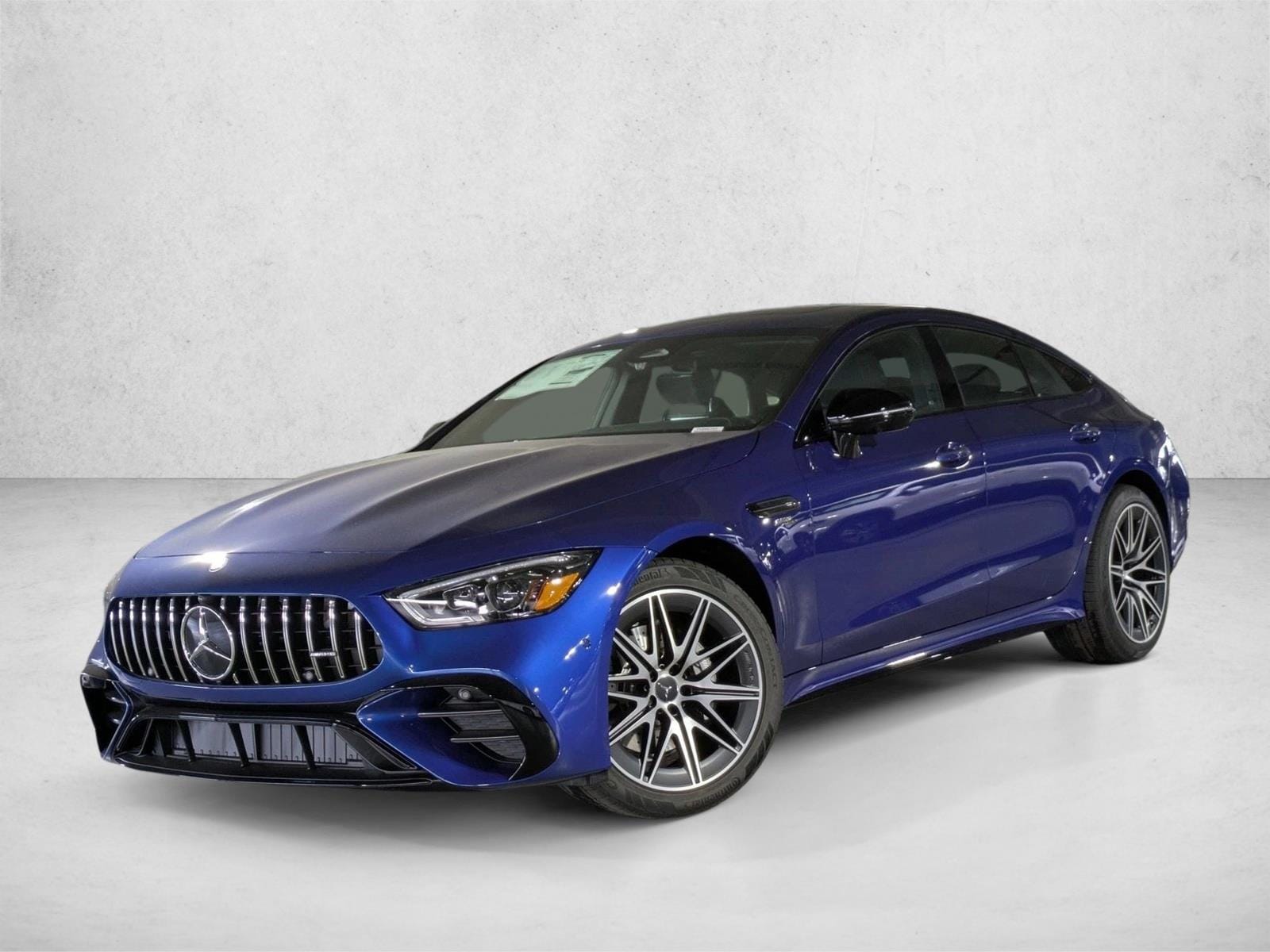
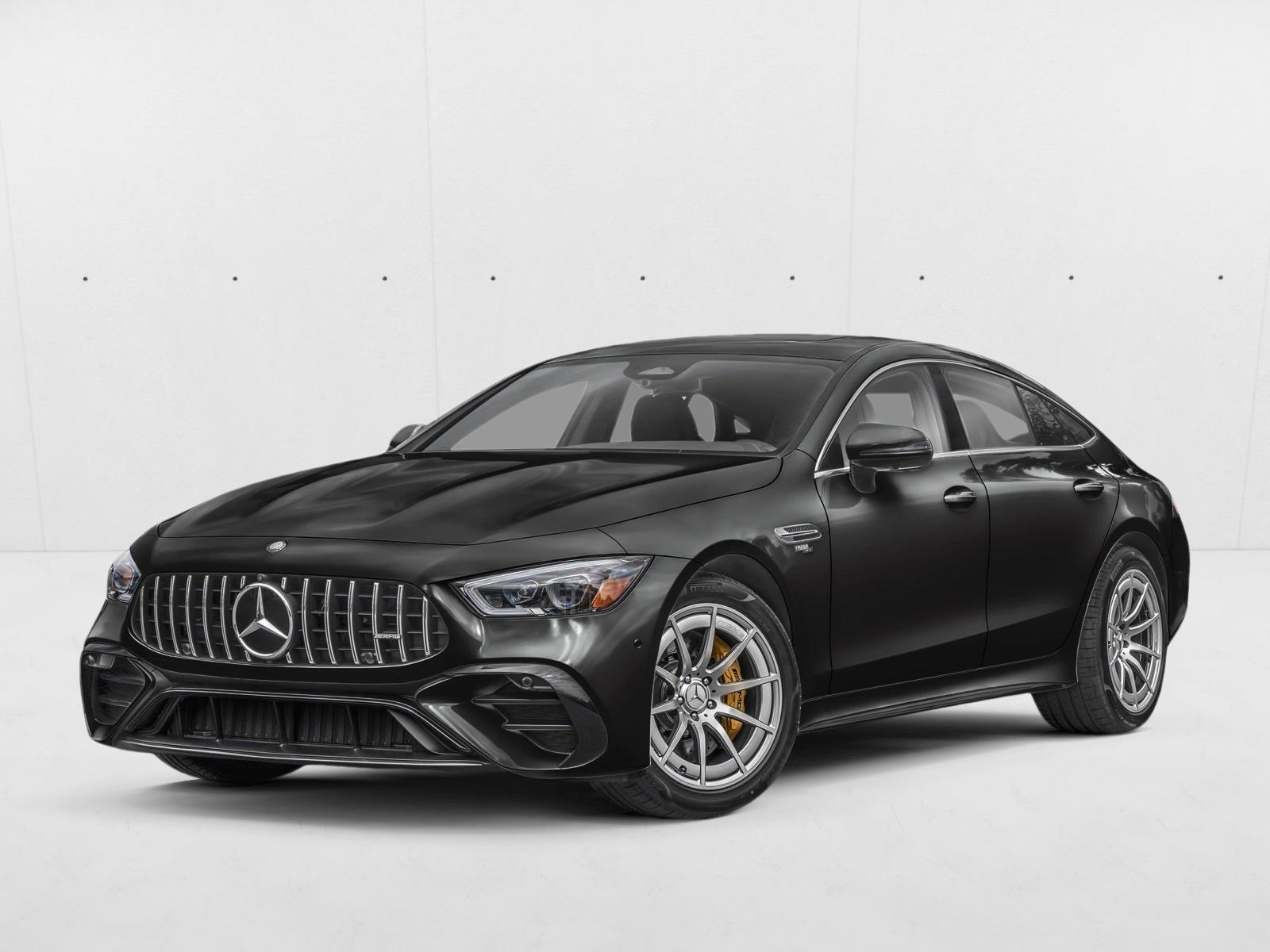
Mercedes-Benz AMG GT 4-Door Coupe

Importing a used Mercedes-AMG GT 4-Door Coupe from the USA

The Mercedes-AMG GT 4-Door Coupe (factory code X290) is one of the most complete performance saloons AMG has ever built, and the North American used market is now large enough to make importing one a genuine option for European buyers. As an independent broker, USCar Trader sources used examples in the United States, verifies the vehicle history and origin, and manages the freight and customs process into Germany. If you have been searching for a low-mileage GT 53 or a V8-powered GT 63, the US market often has a wider spread of colour, specification and condition than the comparatively thin European used pool. This guide covers what to look for, how the car is built, and exactly how the import works.

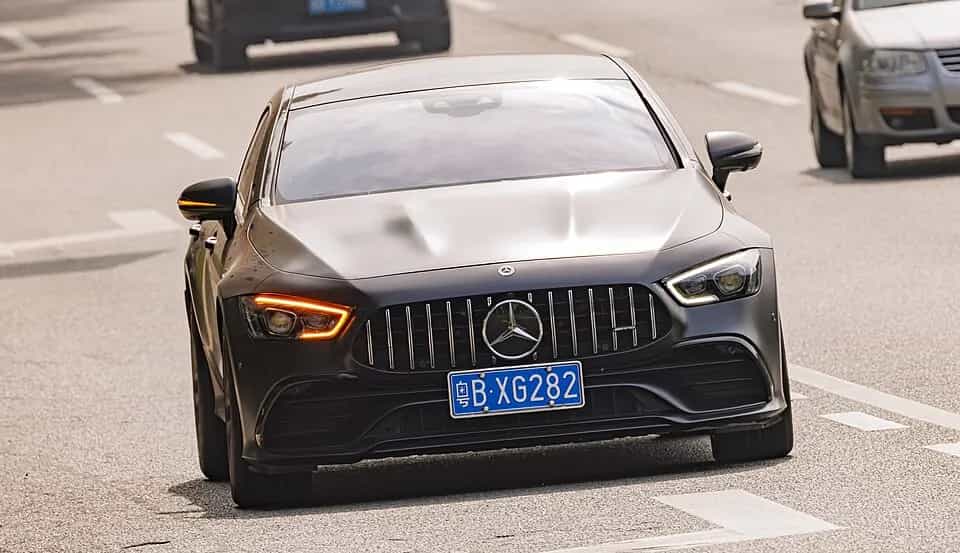
Mercedes-Benz AMG GT 4-Door Coupe – used car imported from the USA
Photo: Dinkun Chen · CC BY-SA 4.0 · Wikimedia Commons

Production years and key changes

The four-door GT arrived for the 2019 model year, sharing the MRA rear-drive architecture with the E-Class and CLS rather than the two-seat sports car it is named after. Despite the shared platform, AMG gave the car a bespoke wide body, a fastback silhouette and its own suspension tuning. The range opened with the six-cylinder GT 43 and GT 53 and was topped by the V8 GT 63 and GT 63 S. From the 2022 model year onward, the GT 63 S E Performance plug-in hybrid joined the line-up, pairing the V8 with an electric rear axle. A mid-cycle update refreshed the MBUX software, trim and detailing. When you import a used AMG GT 4-Door from the USA, most cars you will encounter are 2019 to 2023 builds.

What is under the hood

The six-cylinder cars use the M256 3.0-litre turbocharged inline-six with a 48-volt EQ Boost integrated starter-generator. The GT 43 produces roughly 362 hp, while the GT 53 lifts that to about 429 hp with a stronger electric assist. Step up to the V8 and you get the M177 4.0-litre twin-turbo, delivering around 577 hp in the GT 63 and roughly 630 hp in the GT 63 S. Every version drives all four wheels through AMG Performance 4MATIC+ and the AMG SPEEDSHIFT gearbox — a nine-speed torque-converter automatic on the six-cylinders and a nine-speed wet-clutch MCT on the V8s. Rear-axle steering, an active rear spoiler and AMG Ride Control air suspension are standard or widely fitted, which is worth remembering because they influence long-term running costs.

Trims and body styles

The GT 4-Door is offered only as a four-door fastback; there is no estate or two-door in this family. US trim walks tend to centre on the GT 53 as the volume seller and the GT 63/63 S as the flagship, with AMG option packages covering carbon-ceramic brakes, the AMG Track Pace data logger, Burmester audio, panoramic roof and various Night and carbon-fibre appearance packs. Because American buyers often ordered generously, imported cars frequently carry desirable equipment that was expensive when new.

What the US market offers

Availability is healthiest for 2019–2022 cars. GT 53 examples are the most common and typically show moderate mileage; genuine V8 GT 63/63 S cars are rarer and command more attention, so condition and history matter more. Look for well-kept, dealer-serviced examples with complete records — a fast four-door of this kind rewards a careful search over a rushed one. Because we quote origin-correct duty and the separate German import VAT before you commit, there are no European retail prices or dealer margins baked into this page.

Who this import is for

This is the car for a driver who wants a usable four-seat everyday saloon that still delivers proper AMG performance, and who values finding a specific colour-and-spec combination that is hard to locate in Europe. If you are comparing it against the two-door, or against an EQS or CLS, importing a used GT 4-Door from America widens your choice considerably — provided you go in with clear eyes about servicing costs and the customs picture explained below.

Technical data and figures

SpecificationDetail (range across GT 43 / 53 / 63 / 63 S)
Body styleFour-door fastback coupe, five seats (four-seat option)
PlatformMercedes MRA (X290)
Engines3.0L turbo I6 (M256, EQ Boost); 4.0L twin-turbo V8 (M177)
Powerapprox. 362–630 hp depending on version
TransmissionAMG SPEEDSHIFT 9G / MCT 9-speed
DrivetrainAMG Performance 4MATIC+ all-wheel drive
Rear-axle steeringFitted on most versions
SuspensionAMG Ride Control air suspension
0–100 km/happrox. 4.9 s (GT 43) to ~3.2 s (GT 63 S)
Top speedup to ~315 km/h (GT 63 S)
Lengthapprox. 5,054 mm
Wheelbaseapprox. 2,951 mm
Kerb weightapprox. 1,900–2,150 kg
FuelPremium petrol
Production years (US)2019–2023
Build plantSindelfingen, Germany

Reliability: trouble spots to check

The M177 V8 is fundamentally robust, but it is an expensive engine to service and neglected examples can develop oil leaks and worn turbo hardware over time. On the six-cylinder cars, the 48-volt mild-hybrid system and its electrical components are worth checking, as fault codes here can be costly. Air suspension is the classic long-term wear point: compressors and struts fail with age and mileage, so listen for slow ride-height changes and check for levelling warnings. The nine-speed transmissions are generally durable but respond badly to skipped fluid services. Big brakes and staggered tyres are consumables that add up. When assessing AMG GT 4-Door reliability, the single most useful thing is a complete Mercedes service history.

US vs. Europe differences

US cars run amber front turn signals, DOT-approved headlights and a speedometer that reads primarily in mph, and they lack a rear fog lamp — all items the German TÜV will expect to be addressed. Radio tuning bands differ from European steps. MBUX is broadly the same system, though map data and connected services are provisioned for the US market and typically need reconfiguration. Mechanically the cars are identical, which makes the AMG GT 4-Door a straightforward candidate for individual approval once the lighting is corrected.

How the import works

The process runs in a clear sequence: vehicle selection from US inventory; VIN and origin check (crucial here — see the customs note below); a secure escrow payment so funds are only released on agreed terms; ocean freight in a container or RoRo vessel to a German port; customs clearance on arrival; a TÜV inspection and individual vehicle approval (Einzelabnahme) covering any required modifications; and finally German registration. We coordinate each stage and keep you informed as the car moves.

Import duty, VAT and fees

In short: the 0% duty rate applies only with documented US origin (VIN/plant) – German import VAT of 19% is always due.

Origin is decisive. The AMG GT 4-Door Coupe is built in Sindelfingen, Germany, so it is not a US-origin vehicle. That means the 0% preferential EU import duty introduced by Regulations (EU) 2026/1455 and 2026/1461 — which applies only to demonstrably US-built cars on direct transport — will generally not apply here, and the standard passenger-car duty rate is used instead. Separately, and in every case, German import VAT (Einfuhrumsatzsteuer) of 19% is charged on the customs value. We state duty and the 19% import VAT as distinct line items so you can see exactly what each stage costs; there is no hidden margin.

From modifications to registration

Typical work for approval includes converting the headlights to ECE specification, adding a rear fog lamp, adjusting or confirming the speedometer, and documenting the odometer reading in kilometres or with a conversion note. Once the individual approval is issued, the car is registered normally at your local authority.

Pre-buy inspection points

Verify the VIN against the vehicle and paperwork. Pull a full Carfax or AutoCheck history for accident and title records. Inspect for signs of prior body repair and uneven panel gaps. Confirm the Mercedes service history and any AMG maintenance items. Check the air suspension, brakes and tyres for wear. Confirm a clean, transferable title (no salvage or branded title unless you accept it knowingly). Have the 48-volt system and drivetrain scanned for stored fault codes.

What buyers ask most

Can I import a used AMG GT 4-Door Coupe from the USA to Germany?

Yes. It is a standard used-car import; we handle sourcing, freight, customs and the TÜV individual approval.

Does the AMG GT 4-Door qualify for 0% import duty?

Usually not, because it is built in Germany rather than the USA. The 0% rate applies only to cars with provable US origin; standard duty applies otherwise.

Is the 19% import VAT always charged?

Yes. German import VAT of 19% applies to every import regardless of origin and is billed separately from any duty.

Which version is easiest to find used in the US?

The GT 53 is the most common; V8 GT 63 and GT 63 S cars are rarer and sell faster.

What are the main reliability concerns?

Air suspension wear, the 48-volt system on six-cylinders, and expensive routine servicing on the V8. Full history is essential.

What has to change for TÜV?

Mainly lighting: ECE headlights, a rear fog lamp, and speedometer/odometer documentation.

How long does the whole import take?

Typically several weeks, driven mainly by ocean freight scheduling and port clearance.

Explore more in the Mercedes-Benz in the Carhub, compare it with the AMG GT Coupe and the CLS-Class, or browse current AMG GT 4-Door Coupe listings.