
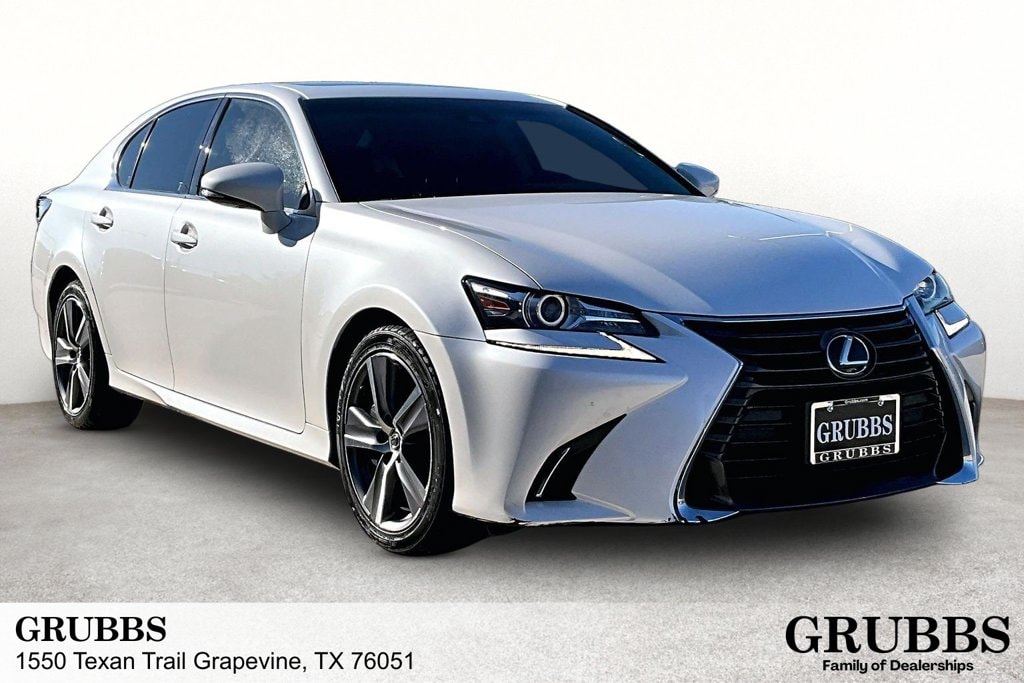
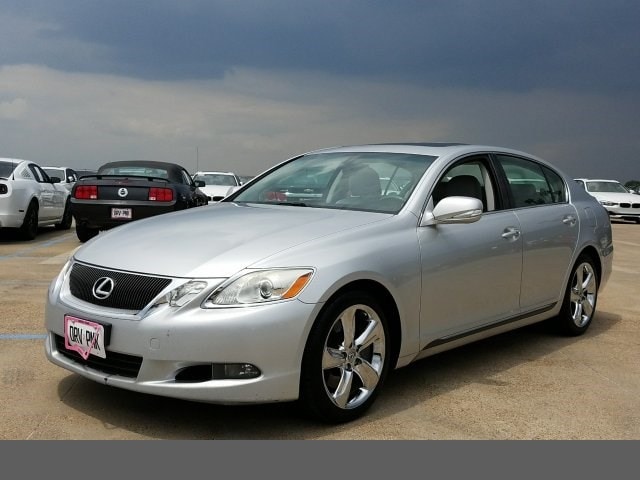
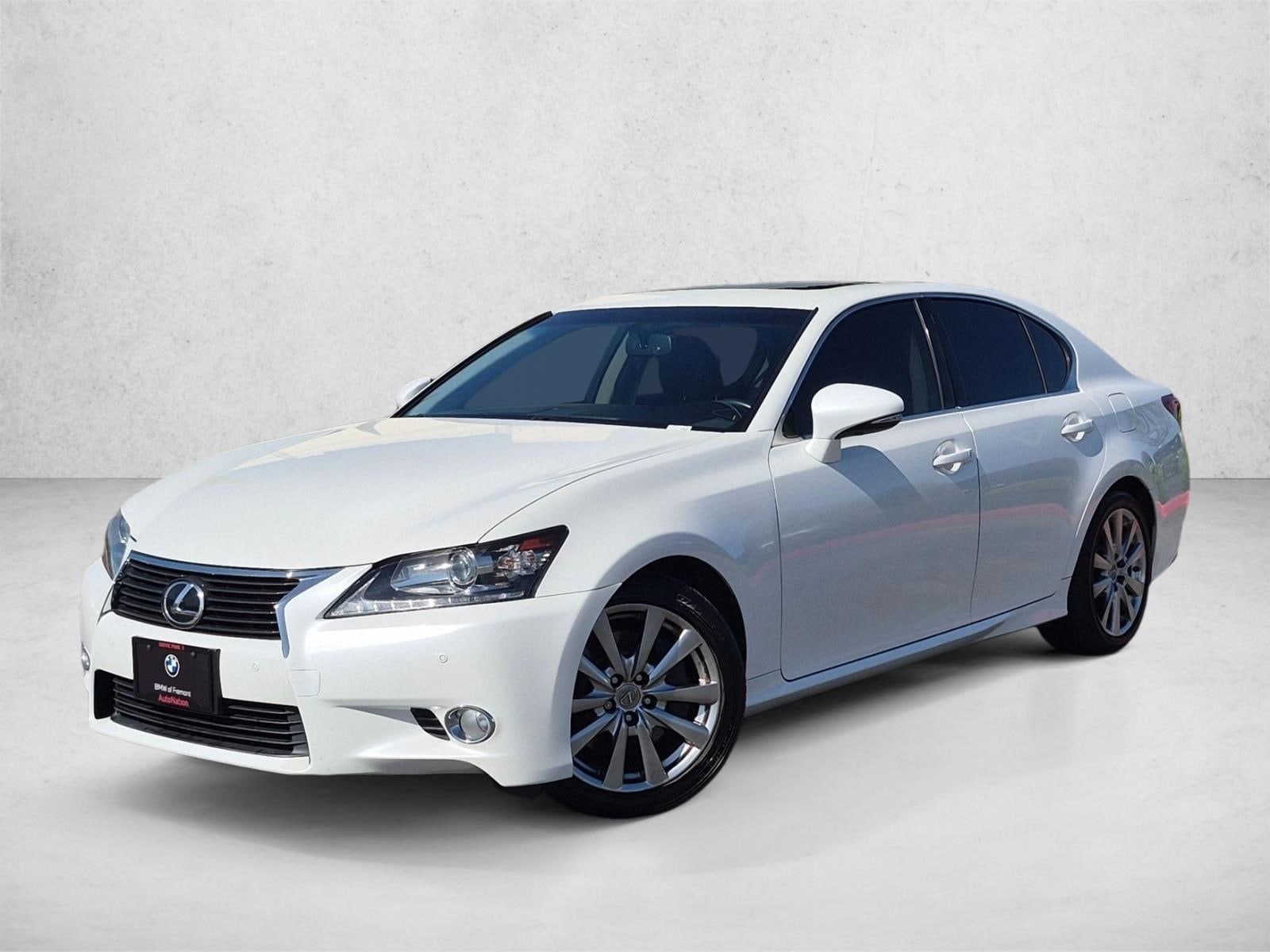
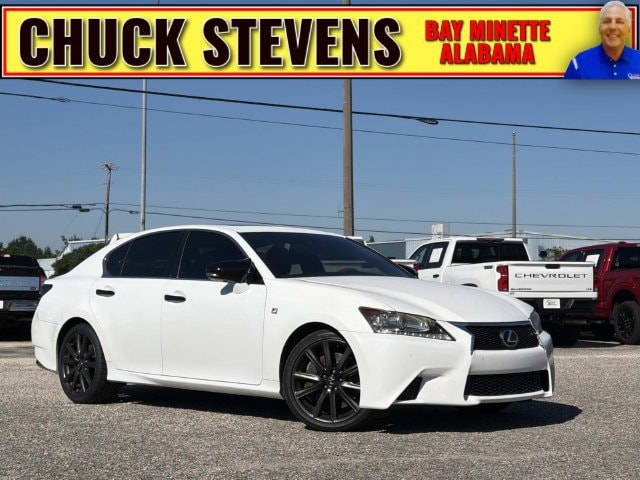
From launch to today
The nameplate spans four modern generations. The S160 (1998–2005) offered the GS300 and the potent GS400/GS430. The S190 (2005–2011) introduced the GS300, GS350, the V8 GS430/GS460 and the GS450h hybrid.
 0049 (0)89 2000 791 00
 Mo - Fr 8:00am - 8:00pm
USCar Trader import service
Choose a specific vehicle. Where data is available, its detail page shows the import cost calculation. We assess any possible duty benefit with you before purchase.
Important: A 0% EU import-duty rate may be available for a vehicle covered by Regulation (EU) 2026/1455 that has US origin and is imported directly into the EU. CETA may apply to a vehicle with preferential Canadian origin. Whether the requirements are met is assessed for the individual case. Please contact us before purchase; we review the possible duty benefit and provide non-binding support through the process. Import VAT and other costs are assessed separately.
CarHub · Lexus
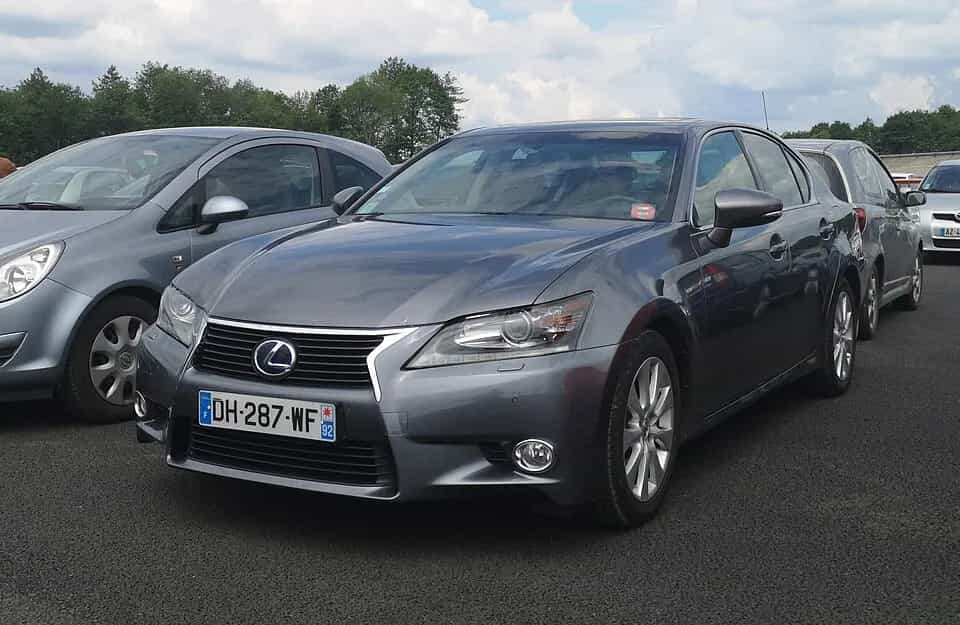
The Lexus GS is one of those cars that European enthusiasts increasingly look to America to find.
Model profile
The nameplate spans four modern generations. The S160 (1998–2005) offered the GS300 and the potent GS400/GS430. The S190 (2005–2011) introduced the GS300, GS350, the V8 GS430/GS460 and the GS450h hybrid.
Powertrain and equipment
The core engine across the last two generations is the 2GR-FSE 3.5-litre V6 with direct and port injection, producing around 306 hp in the GS350 and pulling cleanly to a high redline. The GS450h pairs that V6 with a hybrid system for strong performance and low consumption.
The GS is a four-door sedan only. US trims typically run from the base GS350 through the F Sport package — which adds adaptive suspension, upgraded brakes and sport seats — up to the dedicated GS F performance model.
Vehicle selection
Most importable GS sedans are 2013–2020 cars with moderate mileage, frequently one or two owners and dealer service records.
The GS suits a buyer who wants a naturally aspirated, rear-drive executive sedan with proven reliability rather than the turbocharged German norm, someone chasing the GS F V8 before values climb, or an enthusiast who simply cannot find a clean, well-specified example locally.
Vehicle data
| Vehicle class | Executive sedan (E-segment) |
|---|---|
| Body | 4-door sedan |
| Core engine | 2GR-FSE 3.5 L V6 |
|---|---|
| Power (GS350) | approx. 306 hp |
| GS F engine | 2UR-GSE 5.0 L V8, approx. 467 hp |
| Transmission | 6-spd / 8-spd automatic |
| Drive | RWD; AWD optional (GS350) |
| Fuel | Petrol / petrol hybrid |
| Generations | S160, S190, L10 (2012–2020) |
|---|---|
| Turbo variant | 8AR-FTS 2.0 L turbo (GS200t/GS300) |
| Hybrid | GS450h V6 + electric |
| Key options (US) | Mark Levinson audio, HUD, F Sport |
| Production end | 2020 |
| Origin (import) | The assessment depends on the specific vehicle and the circumstances of the transaction. Please contact USCar Trader before purchase; we review any possible duty benefit and provide non-binding support. Import VAT and other costs are considered separately. |
Values are reproduced verbatim from the existing article table. The documents for the specific vehicle govern.
Pre-purchase review
The GS is one of the more dependable cars in its class, but a few points deserve attention. The 2GR-FSE V6 can develop an oil leak from the timing cover VVT-i oil line — early cars used a rubber section that Lexus later replaced with a metal line, so confirm it has been updated.
Germany and Europe
US GS sedans often carry richer option content than the few sold in Europe, and the engine mix skews toward the naturally aspirated V6 and the V8 GS F.
The assessment depends on the specific vehicle and the circumstances of the transaction. Please contact USCar Trader before purchase; we review any possible duty benefit and provide non-binding support. Import VAT and other costs are considered separately.
Plan for ECE-compliant headlights and side markers, the addition of a rear fog lamp, and verification or conversion of the speedometer to km/h.
USCar Trader services
As a buyer based in Germany, you do not have to inspect the vehicle yourself in the United States or Canada. Within the agreed scope, USCar Trader can coordinate document review, a separately commissioned on-site inspection and purchase processing.
Covered inspection points are agreed in advance. An on-site inspection records condition at the appointment and is not a guarantee.
Next step: Before commissioning, USCar Trader and the customer agree which document, history, inspection and transaction checks suit the vehicle and are included in the service. This records what was actually checked.
Import process
The import process for a Lexus GS is planned around the specific listing, location, documents and commissioned service scope.
Questions and answers
The GS350 F Sport offers the best balance of availability and specification; the GS F is the enthusiast's choice with its 5.0 V8.
No, not automatically. A 0% EU import-duty rate may be available for a vehicle covered by Regulation (EU) 2026/1455 that has US origin and is imported directly into the EU. CETA may apply to a vehicle with preferential Canadian origin. Whether the requirements are met is assessed for the individual case. Please contact USCar Trader before purchase; we review the possible duty benefit and provide non-binding support. Import VAT and other costs are assessed separately.
Yes, it is among the most dependable executive sedans; just confirm the VVT-i oil line update and normal service history.
Yes, AWD was offered on the US GS350, which is useful for German winters.
By RoRo or container from a US port to a European port, followed by customs clearance and inland transport.
Mainly the lighting: ECE headlights and markers plus a rear fog lamp, and the speedometer verified in km/h.
No harder than any GS; it simply commands more attention and a higher purchase price.
Usually several weeks from purchase to registration, mostly ocean freight and customs time.
More vehicles