Importing a used Lexus ES BEV from the USA
USCar Trader acts as an independent broker for used US vehicles.
 0049 (0)89 2000 791 00
 Mo - Fr 8:00am - 8:00pm
USCar Trader import service
Choose a specific vehicle. Where data is available, its detail page shows the import cost calculation. We assess any possible duty benefit with you before purchase.
Important: A 0% EU import-duty rate may be available for a vehicle covered by Regulation (EU) 2026/1455 that has US origin and is imported directly into the EU. CETA may apply to a vehicle with preferential Canadian origin. Whether the requirements are met is assessed for the individual case. Please contact us before purchase; we review the possible duty benefit and provide non-binding support through the process. Import VAT and other costs are assessed separately.
CarHub · Lexus
The Lexus ES BEV is the fully electric member of Lexus's long-running executive sedan family, and it represents a real break from tradition for a nameplate that spent three decades built around smooth petrol and self-charging hybrid drivetrains.
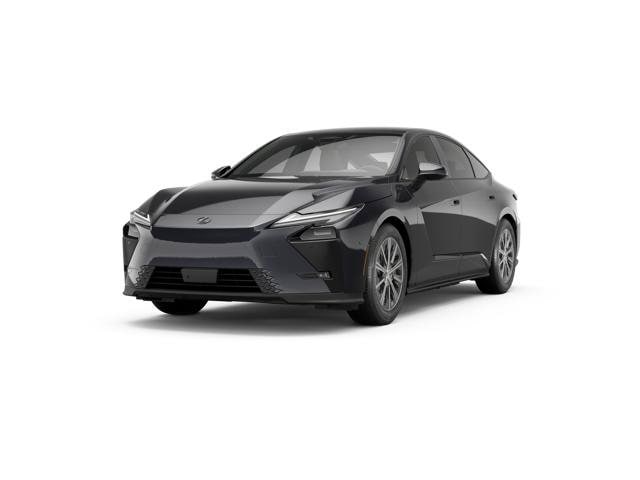
Price:61,297.00 USD
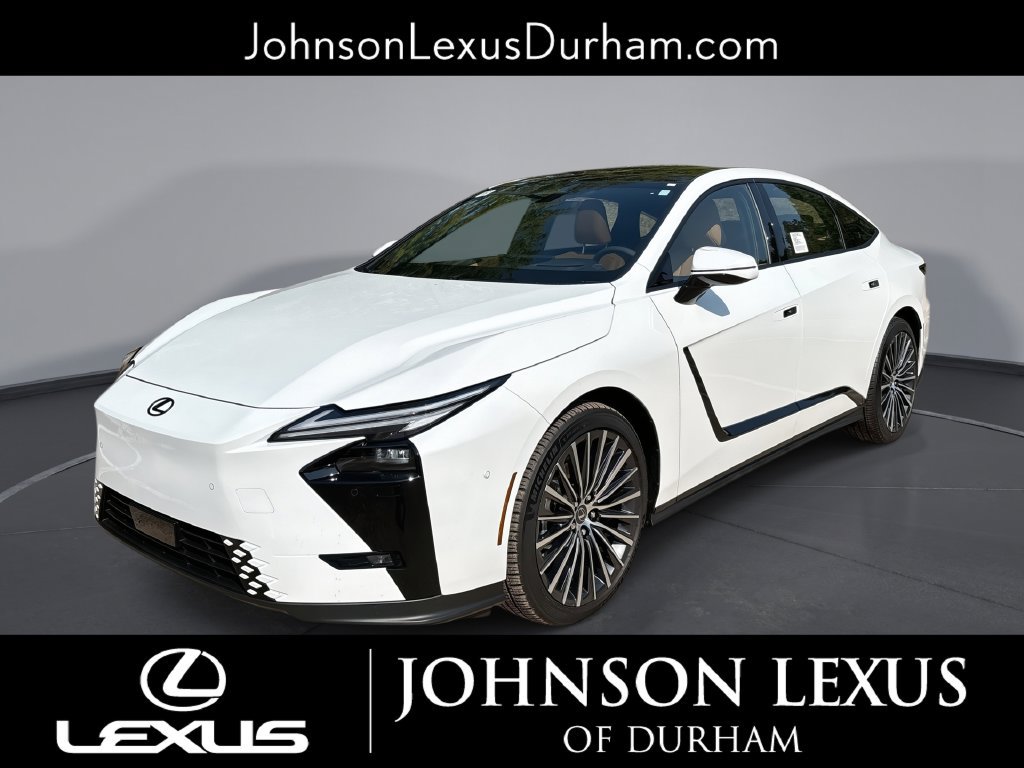
Price:63,720.00 USD
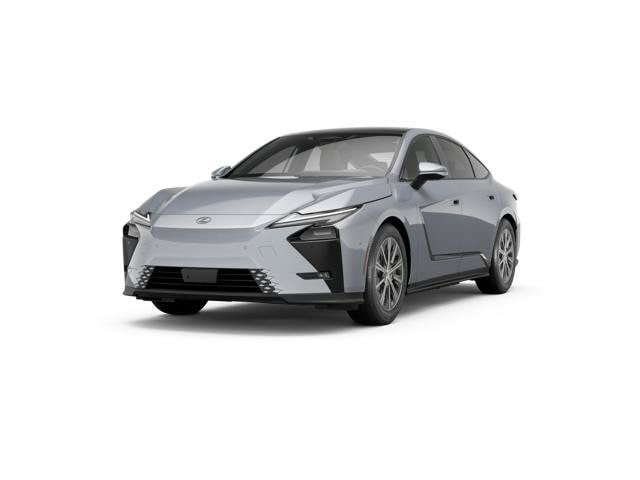
Price:62,377.00 USD
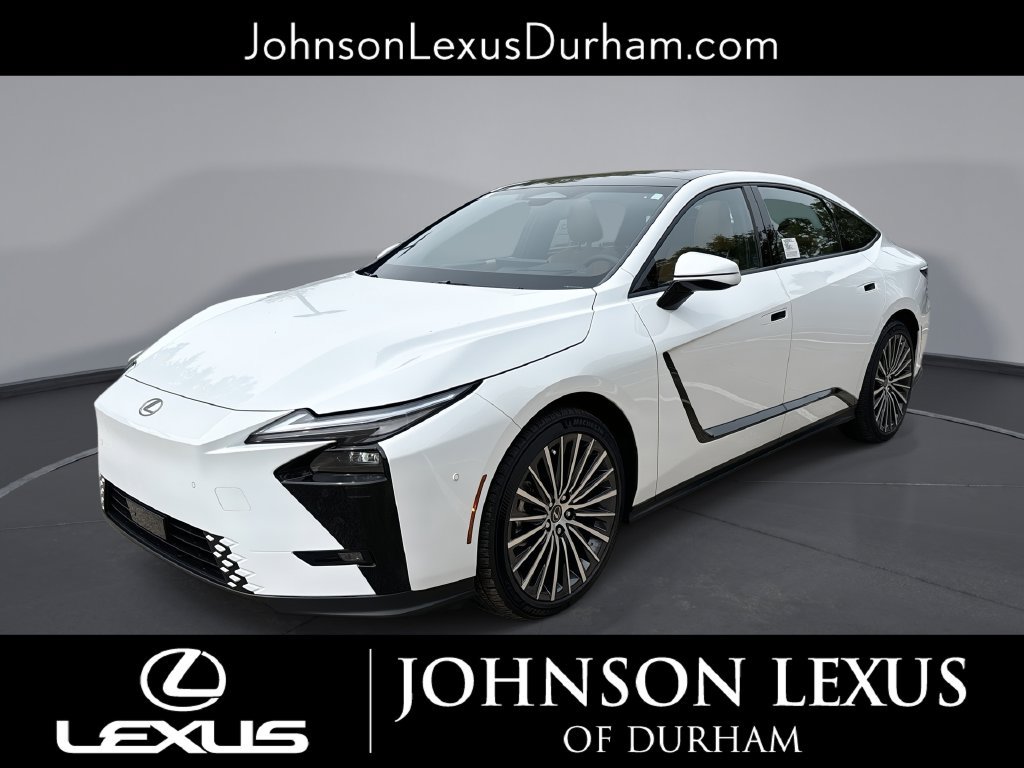
Price:61,797.00 USD
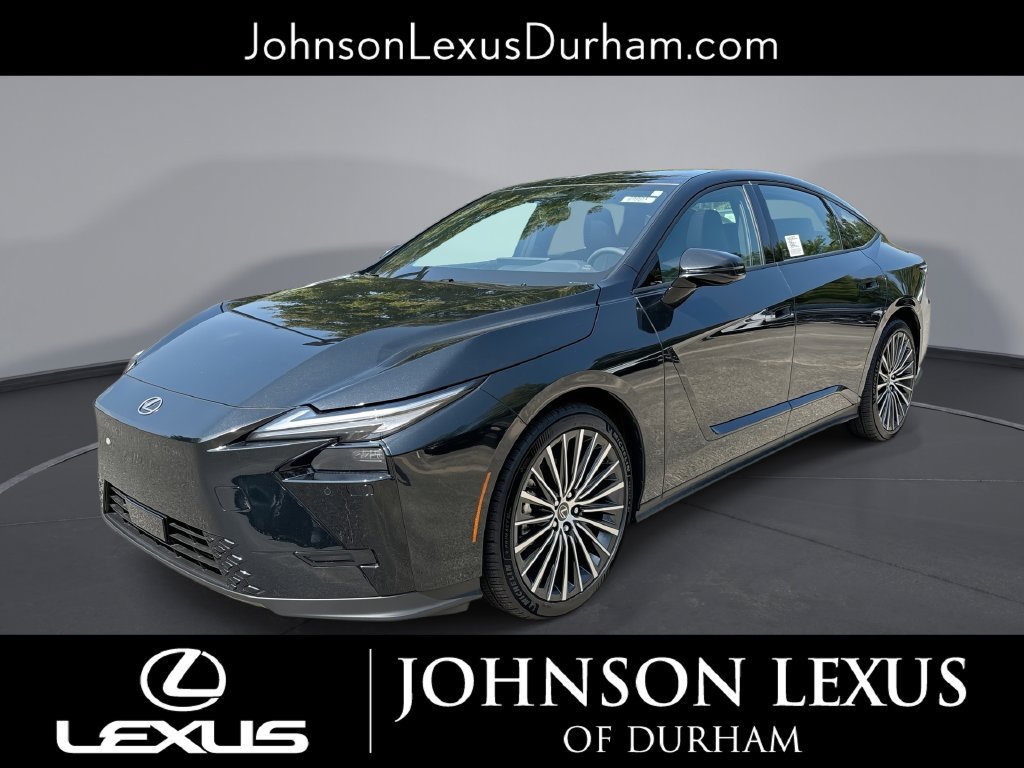
Price:53,938.00 USD
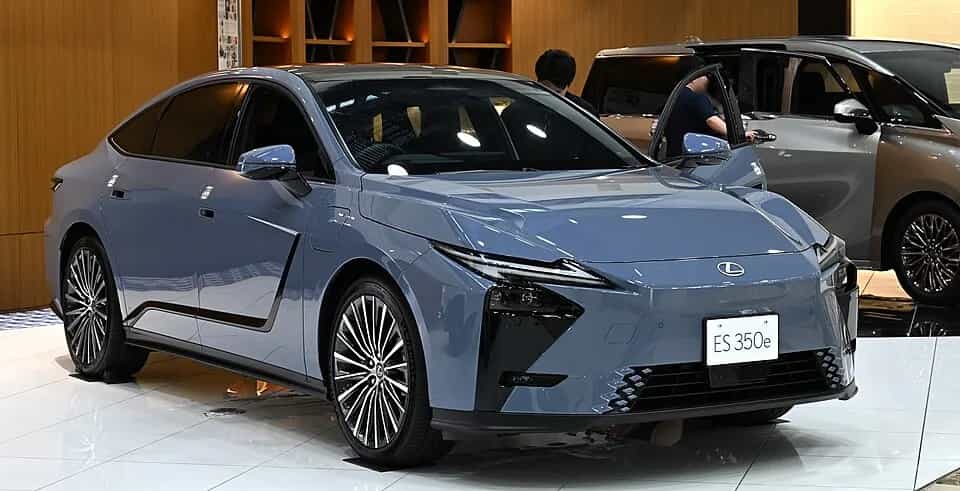
Model profile
USCar Trader acts as an independent broker for used US vehicles.
The ES badge goes back to 1989, when Lexus launched a comfort-focused, front-wheel-drive sedan to sit below the flagship LS.
Powertrain and equipment
The ES BEV drops the combustion engine entirely. Lexus has confirmed both a single-motor, front-wheel-drive configuration and a dual-motor all-wheel-drive version, each fed by a floor-mounted lithium-ion battery and driving through a single-speed reduction gear.
The ES BEV is offered only as a four-door sedan; there is no wagon or coupe.
Vehicle selection
Because the ES BEV launched so recently, the American used pool is small and skewed toward late-model, low-mileage cars.
The ES BEV suits a buyer who wants a quiet, comfortable electric executive sedan with the low running costs of an EV and the long-term dependability reputation that follows the Lexus badge.
Vehicle data
| Body style | Four-door executive sedan |
|---|---|
| Seating | 5 |
| Drivetrain | Battery-electric (BEV) |
|---|---|
| Layout | Front-motor FWD or dual-motor AWD |
| Transmission | Single-speed reduction gear |
| Battery | Floor-mounted lithium-ion (capacity varies by trim) |
| Drive modes | Eco / Normal / Sport with selectable regen |
| Warranty note | Manufacturer battery warranty terms vary by market |
| Segment | Full-size luxury (E-segment) |
|---|---|
| Generation | Eighth generation (from 2025) |
| Charging | AC onboard charger plus DC fast charging |
| Assembly | The assessment depends on the specific vehicle and the circumstances of the transaction. Please contact USCar Trader before purchase; we review any possible duty benefit and provide non-binding support. Import VAT and other costs are considered separately. |
| US trims | Base / Luxury / F Sport Design (approx.) |
| Infotainment | Large central touchscreen, connected services |
Values are reproduced verbatim from the existing article table. The documents for the specific vehicle govern.
Pre-purchase review
As a brand-new electric model, the ES BEV has little accumulated field data, so anyone researching Lexus ES BEV reliability should treat early reports with caution. The ES nameplate carries a strong durability reputation, and Lexus EV components are shared with other models in the group, which is reassuring.
Germany and Europe
US ES BEVs differ from European cars in several ways that matter for import.
The assessment depends on the specific vehicle and the circumstances of the transaction. Please contact USCar Trader before purchase; we review any possible duty benefit and provide non-binding support. Import VAT and other costs are considered separately.
US-market headlights use the FMVSS/SAE beam pattern, which differs from the ECE pattern required in the EU, so they may need adjustment or replacement with ECE-compliant units for registration.
USCar Trader services
As a buyer based in Germany, you do not have to inspect the vehicle yourself in the United States or Canada. Within the agreed scope, USCar Trader can coordinate document review, a separately commissioned on-site inspection and purchase processing.
Covered inspection points are agreed in advance. An on-site inspection records condition at the appointment and is not a guarantee.
Next step: Before commissioning, USCar Trader and the customer agree which document, history, inspection and transaction checks suit the vehicle and are included in the service. This records what was actually checked.
Import process
The import process for a Lexus ES BEV is planned around the specific listing, location, documents and commissioned service scope.
Questions and answers
Yes. As a used vehicle it can be imported, cleared through customs, approved by TÜV and registered in Germany. USCar Trader handles the sourcing and logistics as an independent broker.
No, not automatically. A 0% EU import-duty rate may be available for a vehicle covered by Regulation (EU) 2026/1455 that has US origin and is imported directly into the EU. CETA may apply to a vehicle with preferential Canadian origin. Whether the requirements are met is assessed for the individual case. Please contact USCar Trader before purchase; we review the possible duty benefit and provide non-binding support. Import VAT and other costs are assessed separately.
Import VAT and other taxes or costs are assessed separately under the applicable rules and the circumstances of the individual case. A blanket answer for every vehicle would not be reliable.
US EVs increasingly use the NACS port while Europe uses CCS2, so the charging arrangement and any adapter need to be confirmed for the specific car before import.
It is too new for long-term data, but it shares components with other Lexus EVs and carries the ES nameplate's durability reputation. Check battery health, 12V battery and software status on inspection.
From purchase to German registration typically takes a couple of months, driven mainly by ocean freight scheduling, customs clearance and the approval appointment.
Because the model is new, most are low-mileage lease returns or demonstrators in excellent condition, though the choice of cars is currently limited.
Available VIN, title and history information can be reviewed in the vehicle profile. USCar Trader can also arrange a separately booked on-site inspection within a scope agreed in advance.
More vehicles