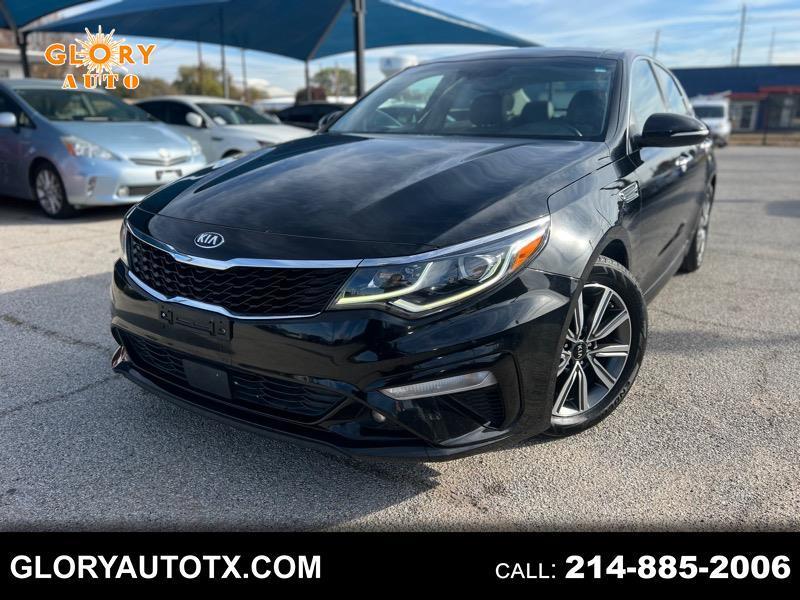
Kia Optima

Importing a used Kia Optima from the USA

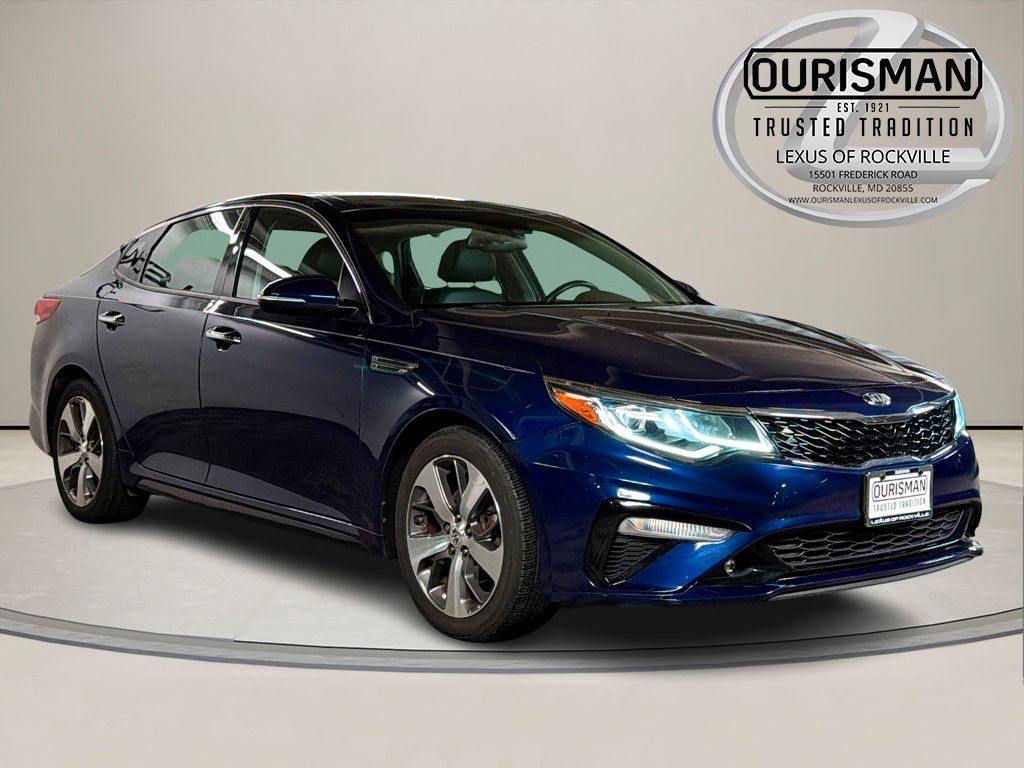
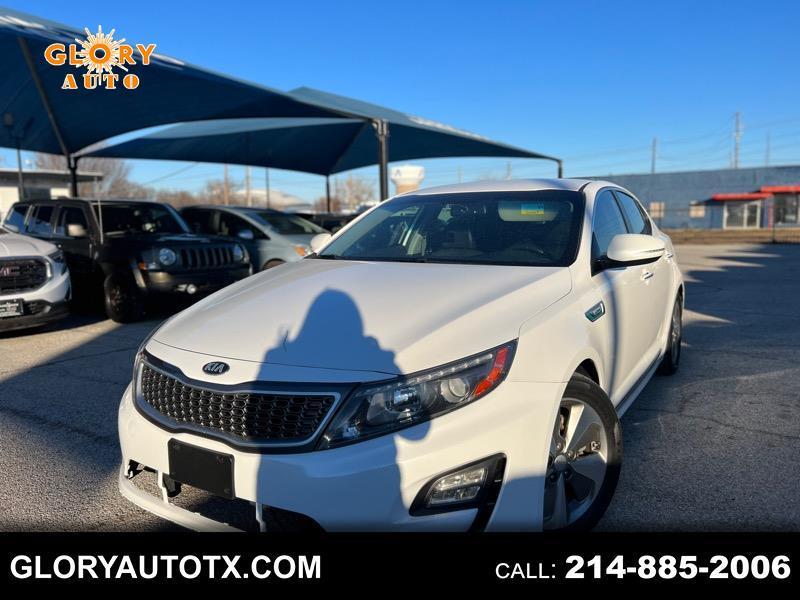
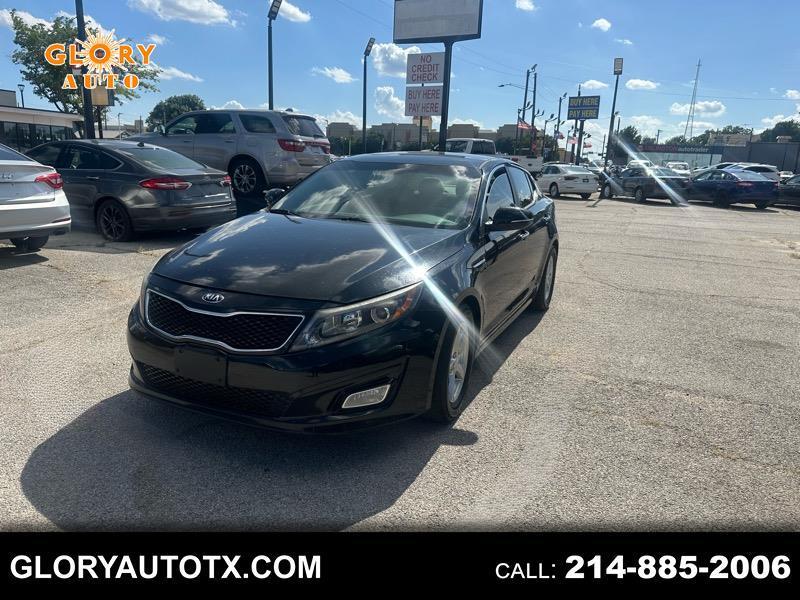
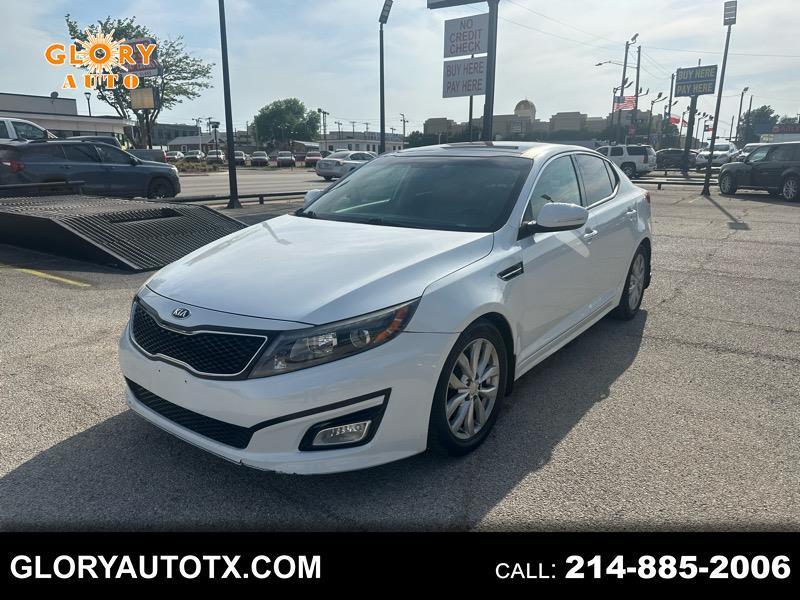
The Kia Optima was the car that changed how buyers saw the brand — a genuinely handsome midsize sedan with strong equipment levels and a range of turbocharged and hybrid drivetrains. In the United States it sold in big numbers, which means the used market is deep and varied, and interestingly, a significant share of American Optimas were actually assembled on US soil. USCar Trader acts as your independent import broker for these cars; we are an intermediary, not a Kia dealer, and each Optima is sourced to order. If you plan to import a used Kia Optima from the USA, the important variables are the generation, the engine, and the individual car's build plant — because origin directly affects how customs treats it.

Kia optima – used car imported from the USA
Photo: Throwawayacc222 · CC0 · Wikimedia Commons

Model history and generations

The relevant modern cars are the third-generation TF (2011–2015) and the fourth-generation JF (2016–2020). The TF, styled under Peter Schreyer, gave the Optima its breakthrough coupe-like silhouette and was a huge step forward in perceived quality. The JF refined that formula with a stiffer structure, quieter cabin and a broader engine range, including a new efficiency-minded turbo. In 2021 the nameplate was retired in favour of the Kia K5, so the JF cars from 2018–2020 are the final and most sophisticated Optimas. Sportswagon and dedicated hybrid versions widened the choice further in some model years.

Engines and drivetrain

US Optimas are front-wheel drive. The volume engine is the 2.4-litre GDI four-cylinder (around 185 hp), a straightforward naturally aspirated unit. Above it sits the 2.0-litre turbocharged four (around 245 hp) for buyers wanting more urge, and on the JF a smaller 1.6-litre turbo (around 178 hp) paired with a seven-speed dual-clutch transmission for efficiency. The hybrid and later plug-in hybrid combine a 2.0-litre Atkinson four with an electric motor and a conventional six-speed automatic rather than a CVT. Non-hybrid cars use a six-speed automatic; the 1.6T uses the DCT. There is no manual and no factory all-wheel drive on these US cars.

Which trim makes sense

The Optima is chiefly a four-door sedan, with a hybrid variant and, in some markets, a wagon. US trim runs from LX through EX to the sporty SX and the top SXL, plus dedicated Hybrid and Plug-in Hybrid grades. Higher trims are well stocked: panoramic sunroof, ventilated and heated Nappa leather seats, a large UVO touchscreen, Harman Kardon audio, and driver aids such as adaptive cruise, autonomous emergency braking, blind-spot monitoring and lane-keeping on later cars. A loaded SX or SXL carries equipment that made these cars strong value when new.

Supply on the US market

Availability is excellent. The Optima was a mainstream family sedan sold to private owners and fleets alike, so the US used pool is large and spans every trim and engine. That breadth is an advantage: a specific configuration — a turbo SX, a well-kept hybrid, a particular colour — is realistically findable. Sun-belt cars avoid road salt and are worth prioritising, and on any GDI or turbo engine a documented maintenance record carries real weight. As always, we do not quote European prices; condition and history drive value.

Who benefits from importing

The Optima suits a buyer who wants a stylish, well-equipped midsize sedan with a choice of turbo or hybrid power, at a sensible entry point. It appeals to someone chasing a specific US-market configuration, or who simply likes the idea of a sharply styled Kia sedan that is uncommon on German roads. If your priority is towing, off-road ability or all-wheel drive, look elsewhere; the Optima is a comfortable, efficient road car.

Technical data

ItemDetail (US-market, variant-dependent)
Body style4-door midsize sedan (hybrid variant available)
Generations3rd (TF, 2011–2015), 4th (JF, 2016–2020)
LayoutFront-wheel drive
Base engine2.4 L GDI I4, ~185 hp
Turbo engine2.0 L turbo I4, ~245 hp
Efficiency turbo (JF)1.6 L turbo I4, ~178 hp
Hybrid2.0 L Atkinson I4 + electric motor
Transmission6-speed automatic; 7-speed DCT (1.6T)
0–100 km/h (2.0T)approx. 7.4 s
FuelRegular unleaded (hybrid also electricity for PHEV)
Lengthapprox. 4,845–4,855 mm
Wheelbaseapprox. 2,805 mm
Kerb weightapprox. 1,450–1,660 kg
Seating5

Known weak points and maintenance

Kia Optima reliability is generally sound, but there is one issue every buyer must know about among Kia Optima common problems: the Theta II GDI engine family (2.4 GDI and 2.0T) was subject to well-documented recalls and campaigns in the US for potential connecting-rod-bearing wear that in some cases led to engine failure. A car with the relevant recall work and software (knock-sensor detection) completed, plus a clean oil-consumption and service record, is far safer — insist on seeing this history. Beyond the engine, watch for oil consumption on higher-mileage GDI cars, occasional low-speed hesitation from the 1.6T dual-clutch, and the panoramic sunroof, which can leak or, on a small number of cars, was subject to a glass-related recall. The hybrid's battery and the 12V system are worth checking on electrified cars.

US and EU spec compared

US Optimas run red rear turn signals (or amber, year-dependent) instead of the separate amber indicators required here and have no rear fog lamp. Instruments read in mph, headlights follow the US beam pattern, and infotainment carries US maps and radio bands. Equipment packaging also differs from European-market cars. On the plug-in hybrid, the North American charging connector differs from European CCS2, so plan for adapters. None of this prevents registration; each is part of the approval work.

The import process in detail

The sequence is: select the car and agree terms; verify the VIN and, importantly, the assembly plant to establish origin; hold funds in escrow; book roll-on/roll-off or container shipping from a US port; clear EU customs on arrival with duty and import VAT; complete TÜV individual approval (Einzelabnahme) with the required modifications; and register locally. USCar Trader coordinates each step as your broker, and on the Optima the plant check is especially worth doing carefully.

What customs clearance really costs

Remember: no origin proof, no 0% duty – and 19% German import VAT is due on every import.

The Optima is a neutral-origin model because it was built in more than one country — notably at Kia's West Point, Georgia plant in the United States as well as in Korea. That split matters: where your specific car is provably US-built and shipped directly, it can qualify for the 0% preferential rate under Regulations (EU) 2026/1455 and 2026/1461 (in force since 1 July 2026, valid until 31 December 2029). Where the car is Korean-built, that US-origin preference does not apply and the standard rate for its actual origin is charged. Origin must always be confirmed from the VIN and plant code before purchase. Separately and in every case, the 19% German import VAT (Einfuhrumsatzsteuer) is charged on the customs value. We never advertise duty-free import and add no margin to these state charges.

TÜV, modifications and registration

Expected work includes fitting a rear fog lamp, converting the rear turn signals to amber, adjusting or replacing the headlights for the European beam, and verifying the speedometer in km/h. US cars rarely include a COC, so a full expert assessment (Vollgutachten) is the standard route. The drivetrain and emissions equipment generally pass without difficulty once lighting and instruments are addressed.

Check before you buy

Before you commit, confirm: the VIN and decoded plant for origin (US vs. Korea); a Carfax or AutoCheck report for accidents, title brands and mileage consistency; on 2.4 GDI and 2.0T cars, that the engine recall work was completed and that oil consumption is normal; the underbody for salt corrosion on northern cars; a documented service history; the title status (clean vs. salvage/rebuilt); and, on hybrids, battery condition. A local pre-purchase inspection is strongly advised, particularly to verify engine health.

Common questions

Can a Kia Optima be registered in Germany?

Yes. After individual approval and the standard lighting and instrument modifications, the Optima registers without unusual difficulty.

Could my Optima qualify for 0% EU import duty?

Yes, if it is provably US-built (for example at the West Point, Georgia plant) by VIN and shipped directly. Korean-built cars are charged the standard rate for their origin.

Does the 19% import VAT always apply?

Yes. The 19% German import VAT applies to every import regardless of origin and is separate from any customs duty.

What is the engine recall issue I keep reading about?

Certain 2.4 GDI and 2.0T Theta II engines were recalled in the US for possible rod-bearing wear. Buy a car with the recall work and knock-sensor software completed and a clean service record.

Which engine should I choose?

The 2.0T offers strong performance; the 2.4 GDI is the simpler workhorse; the hybrid maximises efficiency. All benefit from documented maintenance.

Are turbo cars reliable?

Yes, when serviced correctly and with the recall work done. Regular oil changes are essential on any GDI or turbo Optima.

How long does the import take?

Typically two to three months from purchase to German plates, mostly determined by shipping and the TÜV appointment.

Is the Optima the same as the K5?

Effectively yes; Kia renamed the Optima the K5 from 2021, so pre-2021 US cars carry the Optima name.

To get started, browse the Kia in the Carhub, compare related sedans such as the K5, the Forte and the Hyundai Sonata, or view the current Optima listings.