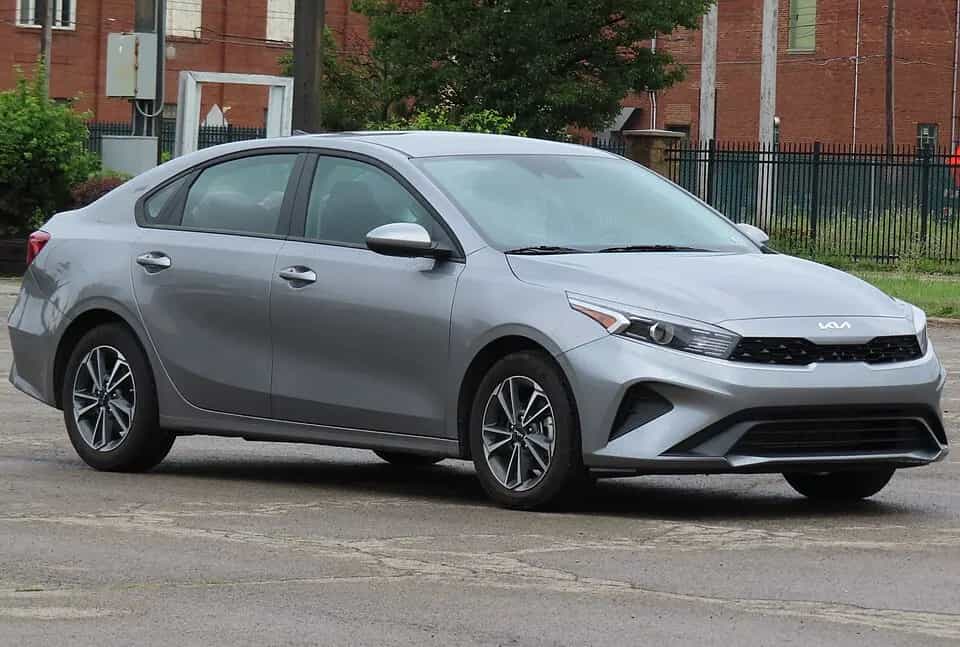
Kia Forte

Importing a used Kia Forte from the USA

The Forte is Kia's compact sedan for the Americas, a car sold in Europe under different names and never as the Forte, which makes it a quietly interesting import. It is roomy, well-equipped for the money, and available in the United States in large numbers with a long warranty history behind it. For a German buyer the draw is a modern, good-value three-box sedan that stands out precisely because it is unfamiliar, with the sporty GT variant offering genuine turbocharged pace. Before importing a used Kia Forte from the USA, it helps to know the generations, the engine and transmission combinations, and how the origin question plays out at customs.

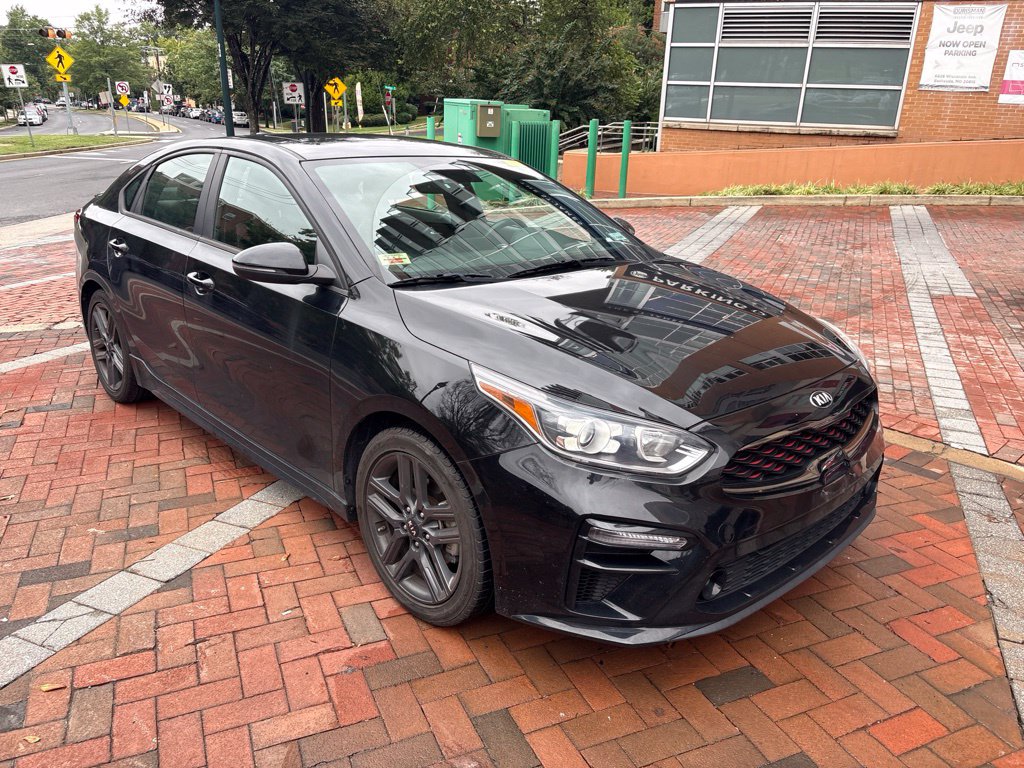
Kia Forte – used car imported from the USA
Photo: MercurySable99 · CC BY-SA 4.0 · Wikimedia Commons

Model history: years and generations

Two recent generations matter to importers. The second generation (YD) ran from about 2014 to 2018 and was offered as a sedan, a five-door hatch (Forte5) and, earlier, a coupe (Koup). The third generation (BD) arrived for the 2019 model year with sharper styling clearly inspired by the larger Stinger, a bigger cabin and Kia's latest infotainment and safety technology. A mid-cycle update followed around 2022. In the US, Forte production was split between Kia's Pesqueria plant in Mexico and Korean assembly depending on year and trim, a detail that becomes important for the duty calculation. The BD-generation sedan is the car most buyers will target today.

Engines, transmissions and drive

Most Fortes use the 2.0-litre Nu four-cylinder, making around 147 hp, in either multi-point or direct-injection form. The sporty GT trim swaps in the 1.6-litre turbocharged Gamma engine with roughly 201 hp, a genuinely quick little sedan. Transmissions vary by year and trim: earlier cars offered a six-speed manual and a six-speed automatic, while later BD cars adopted Kia's IVT (an intelligent variable transmission, effectively a CVT) on the 2.0-litre engines, and a seven-speed dual-clutch on the turbocharged GT. All Fortes are front-wheel drive. If you want the engaging version, look for the GT with the turbo engine and the dual-clutch or the available manual.

Equipment lines and body styles

This page focuses on the four-door sedan. US trims followed Kia's LX, S, GT-Line, EX and GT ladder, with the GT-Line adding sporty looks without the turbo engine and the full GT delivering the performance hardware. American cars typically arrived with a generous standard kit: a large touchscreen with Apple CarPlay and Android Auto, alloy wheels on higher trims, and Kia's driver-assistance suite on later models. Because Kia loads its US cars well, a mid-grade EX or GT-Line often feels more expensive than its price suggests.

The US used market

The Forte is plentiful and affordable in the American used market, with a steady supply of 2019-onward BD cars coming off lease and finance. Mileage and condition vary; fleet and rental examples exist alongside privately owned cars. Kia's original long powertrain warranty means many cars were dealer-serviced, which helps when assessing history. As with any import, prioritise cars from dry states to avoid corrosion, and value a clean, documented history over the lowest price. The GT is rarer and tends to hold interest among enthusiasts.

Is an import right for you?

The Forte suits a buyer who wants a practical, well-equipped compact sedan that almost nobody else in Germany will have, or who specifically wants the turbocharged GT as an affordable sporty saloon. It is a sensible commuter and a comfortable long-distance car with a proper boot. It is less compelling if you need all-wheel drive or a diesel, neither of which the Forte offers. USCar Trader acts only as your independent broker for the used vehicle and never marks up the car itself.

Specs at a glance

SpecificationKia Forte (BD, 2019+ sedan)
GenerationsYD (2014–2018), BD (2019–present)
Body style4-door compact sedan
Base engine2.0 L Nu inline-4, approx. 147 hp
GT engine1.6 L Gamma turbo, approx. 201 hp
Torque (GT)approx. 195 lb-ft
Transmissions6-speed manual, 6-speed auto, IVT, 7-speed DCT (GT)
DrivetrainFront-wheel drive
Fuel typePetrol
Lengthapprox. 4,640 mm (BD)
Widthapprox. 1,800 mm
Wheelbaseapprox. 2,700 mm
Boot volumeapprox. 502 L
Seating5
Country of buildMexico or Korea (verify by VIN)
Model years (US)2014 onward

Common issues buyers should know

The Forte has a generally solid reputation, helped by simple mechanicals on the volume 2.0-litre cars. The Nu engine is durable, though as a direct-injection unit it can accumulate intake-valve carbon over high mileage, a trait shared with many modern GDI engines. The IVT is smoother and better regarded than some rival CVTs, but a fluid-service record and a judder-free test drive are still worth confirming. On the GT, the seven-speed dual-clutch can feel hesitant at low speed, which is characteristic rather than a fault. Owners also occasionally note infotainment quirks and minor trim rattles. When researching Kia Forte reliability, focus on service history and the specific transmission's condition; the fundamentals are sound.

Differences from the European version

The Forte name is unique to the Americas, so there is no identical European car to reference, which makes the individual approval slightly more involved. American Fortes use amber turn signals and side markers, have no rear fog lamp, and display speed in mph. Kia's US infotainment defaults to English and imperial units, which are reconfigurable. Mechanically the cars are conventional and straightforward to approve.

Import step by step

Choose a well-documented car; verify the VIN and confirm the plant of build for the customs rate; hold the purchase funds in escrow rather than wiring the seller directly; book ocean freight to a European port; clear customs on arrival; complete the TÜV individual approval with the necessary changes; and register the car locally. USCar Trader coordinates the process and keeps the vehicle transaction separate from our fee.

Customs and taxes: what applies

Remember: no origin proof, no 0% duty – and 19% German import VAT is due on every import.

The Forte's build location varies, so its origin is treated as neutral until proven by the VIN. The 0% preferential EU import duty under Regulations (EU) 2026/1455 and 2026/1461 applies only to vehicles of provable US origin imported by direct transport between 1 July 2026 and 31 December 2029. A Forte built in Mexico or Korea will generally not qualify, in which case the standard EU passenger-car duty of 10% applies. Separately, and always, the 19% German import VAT (Einfuhrumsatzsteuer) is charged on the customs value. We never promise duty-free treatment; the documented plant of manufacture decides the rate.

Modifications and single-vehicle approval

Expect to fit a rear fog lamp, adapt the lighting to European requirements, and ensure the speedometer displays km/h. The odometer reading is recorded during approval. Once the TÜV expert issues the Einzelabnahme, registration follows and plates are issued.

What to verify before buying

  • Verify the VIN and confirm the country of manufacture for customs.
  • Obtain a Carfax or AutoCheck history report.
  • Confirm the title is clean, not salvage or flood-damaged.
  • Check the transmission (IVT or GT dual-clutch) for smooth operation.
  • Inspect for corrosion, favouring cars from dry states.
  • Confirm dealer service history and warranty work records.
  • On GDI engines, ask about any intake cleaning at higher mileage.

Common questions

Was the Kia Forte sold in Europe?

Not under the Forte name. The equivalent compact Kia sedan was marketed elsewhere under different badges, so a Forte in Germany is genuinely an import and an uncommon sight.

What is the difference between the Forte GT and GT-Line?

The GT-Line adds sporty styling but keeps the 2.0-litre engine, while the full GT has the 1.6-litre turbo with around 201 hp and the dual-clutch or manual gearbox. Only the GT is quick.

Is the Forte's IVT transmission reliable?

The IVT is generally well regarded and smoother than many CVTs. A fluid-service record and a shudder-free test drive are still worth confirming before purchase.

What are the common Kia Forte problems?

Reports are relatively few; direct-injection carbon build-up at high mileage, occasional infotainment quirks and minor rattles are the most cited, alongside normal wear items.

Will I pay import duty on a used Forte?

Likely yes, because the Forte is typically built in Mexico or Korea rather than the USA, so the standard 10% duty usually applies. Only provable US origin qualifies for the 0% rate. The 19% import VAT applies regardless.

Does the Forte have a large boot?

Yes. The third-generation sedan offers around 502 litres, which is generous for a compact three-box car and a practical advantage over hatchback rivals.

Does USCar Trader sell the Forte directly?

No. We are an independent broker for used vehicles. We help you find, verify and import a car and never add a margin to the vehicle price.

Get started: browse Kia in the Carhub, compare related sedans like the newer K4 and the Optima, or the rival Nissan Versa Sedan, or view current Forte listings.