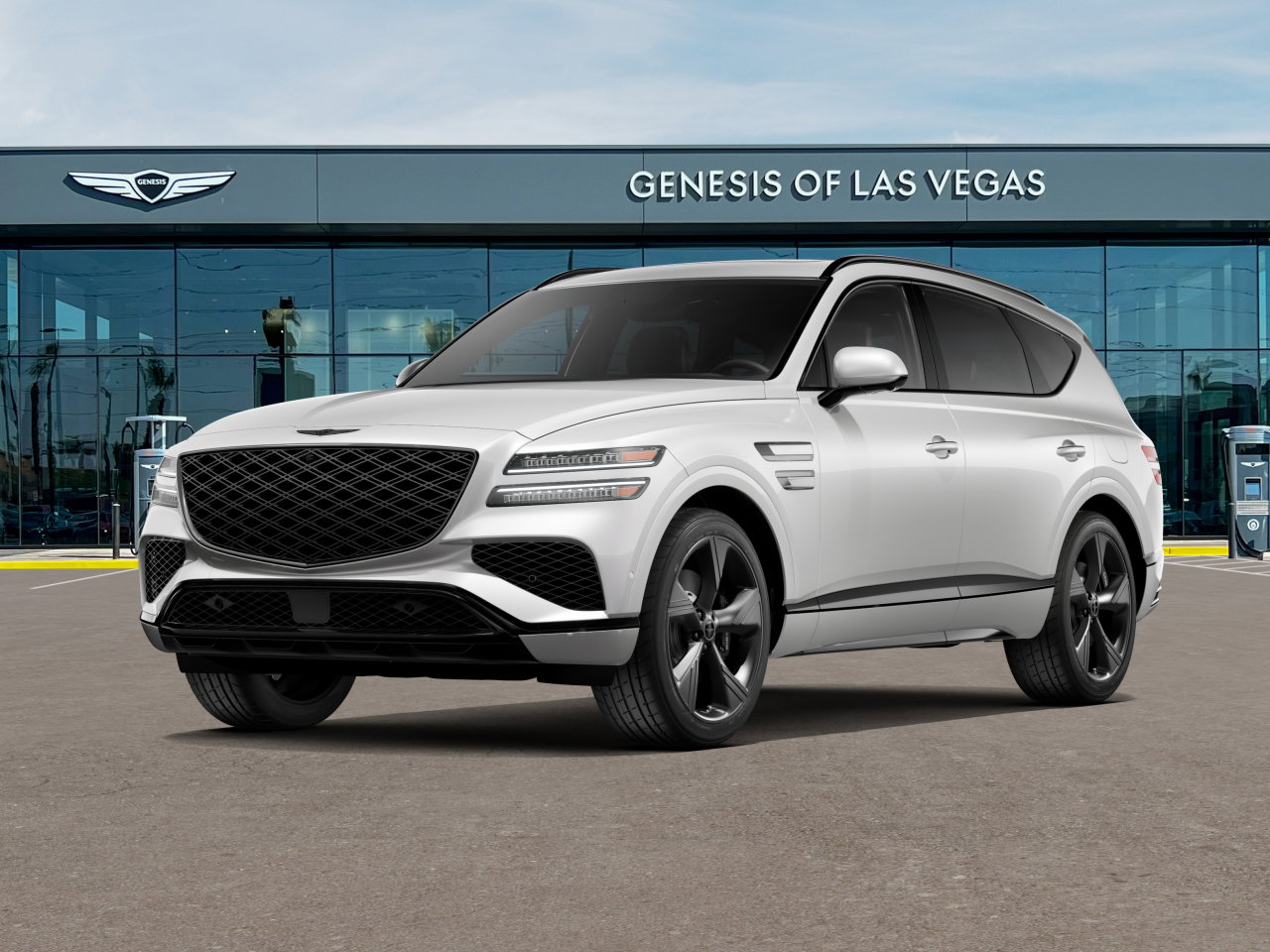
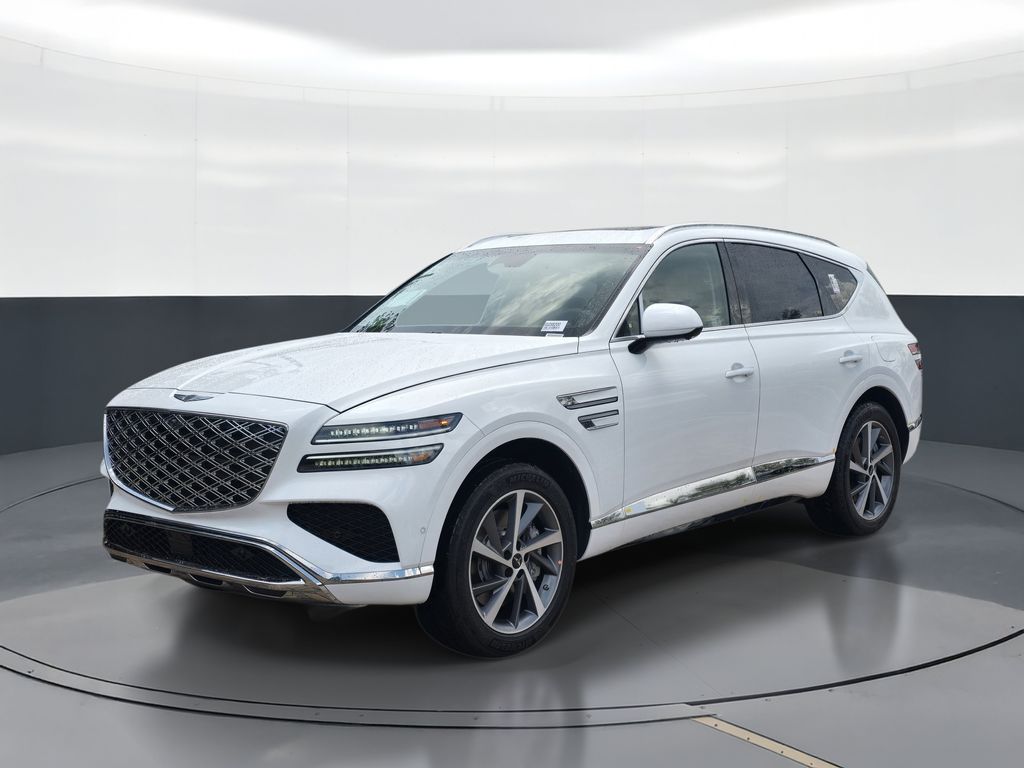
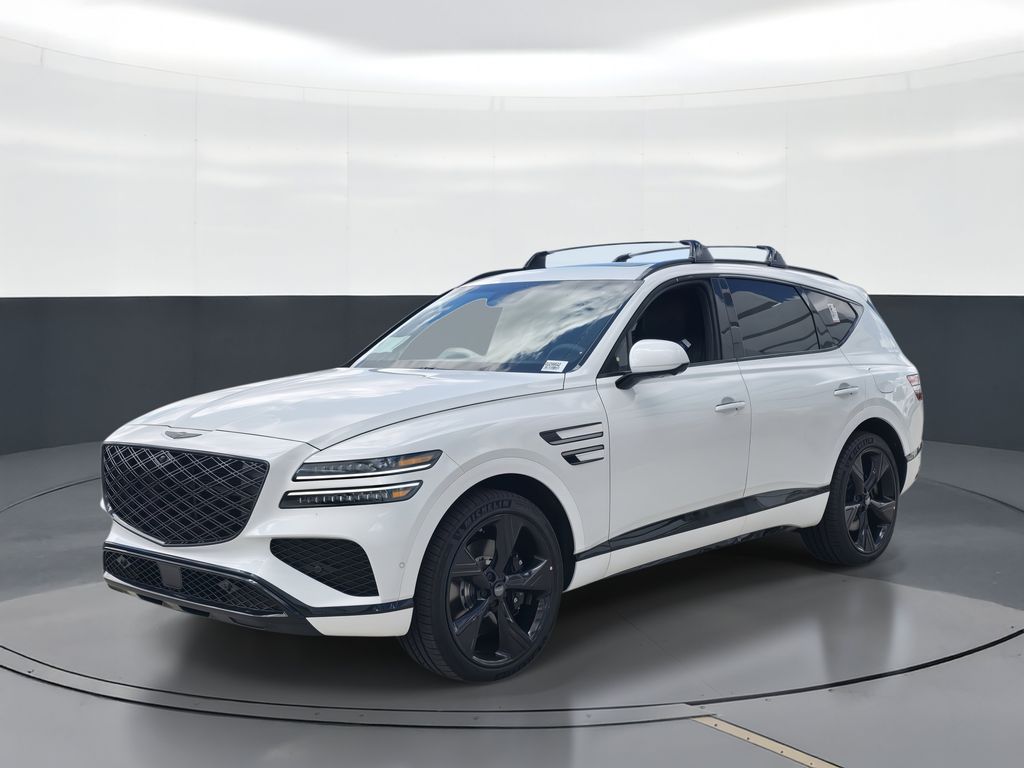
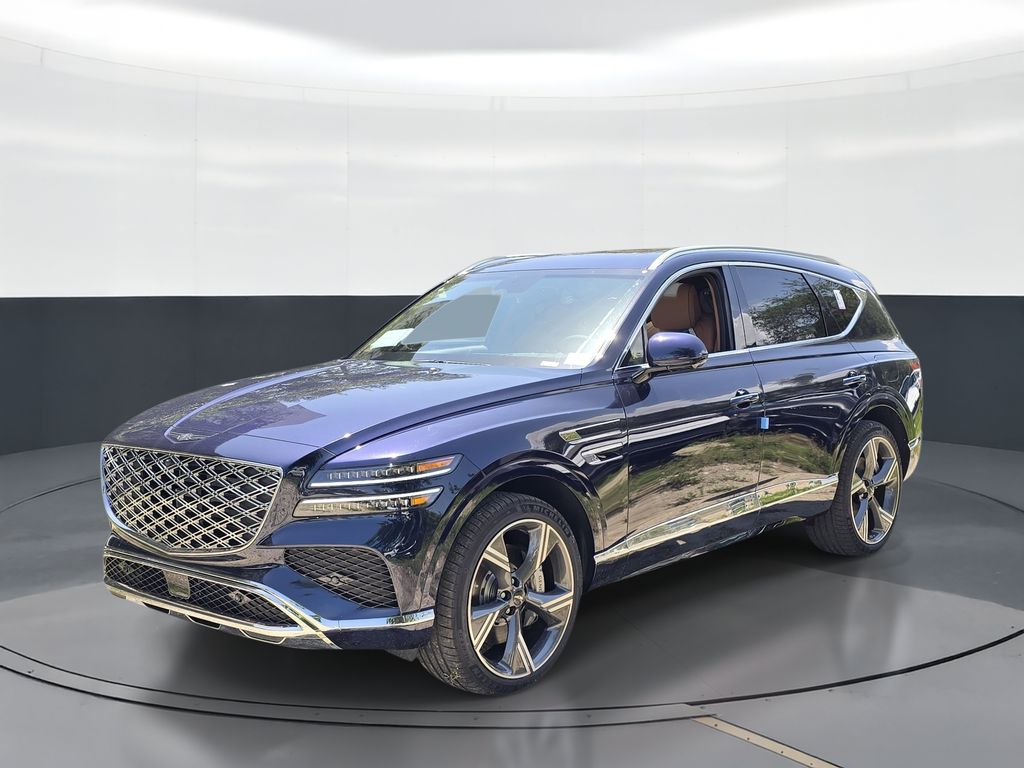
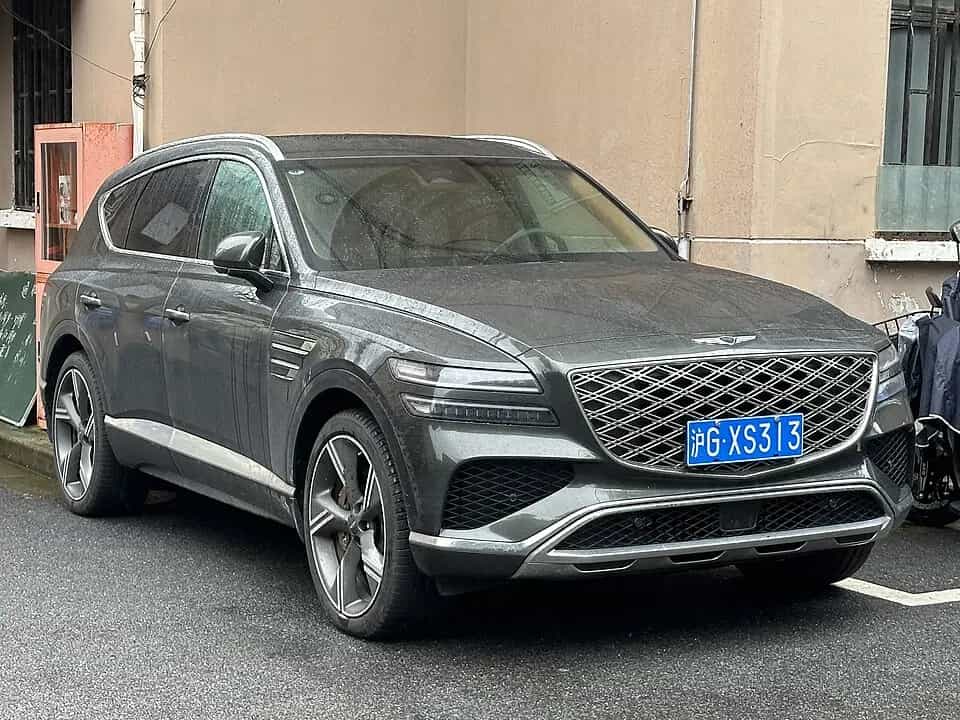
Genesis GV80

Importing a used Genesis GV80 from the USA

Genesis, Hyundai's luxury division, launched in North America years before it appeared in most of Europe, so the American used market has a genuine head start on GV80 supply. If you want Genesis's flagship SUV with a full history and a real choice of engines and trims, the US is the natural hunting ground. The GV80 undercut established German rivals on price when new, was loaded with equipment, and earned strong reviews for ride quality and cabin design. Buyers who want to import a used Genesis GV80 from the USA are usually after that combination of near-premium refinement and a specification you simply cannot find in local stock.

Genesis gv80 – used car imported from the USA
Photo: JustAnotherCarDesigner · CC0 · Wikimedia Commons

Model history and generations

The GV80 is a first-generation model, revealed for the 2021 model year on Genesis's rear-drive-based M3 platform shared in spirit with the G80 sedan. It has run largely unchanged in its core hardware through the mid-2020s, with a facelift and interior update arriving later in the cycle that brought a wider curved display and revised switchgear. A coupe-roofed GV80 Coupe joined the range afterwards. Because the model is relatively young, US used examples tend to be low-mileage, well-equipped and often still within factory warranty windows in the States.

Engines and drivetrain

Two petrol engines define the US GV80. The base 2.5-litre turbocharged four-cylinder produces around 300 hp, while the 3.5-litre twin-turbo V6 delivers roughly 375 hp and a strong 391 lb-ft of torque. Both drive through an 8-speed automatic. Rear-wheel drive is standard on some configurations, but the vast majority of US cars are all-wheel drive (HTRAC), which is what most European buyers will want. The V6 is the enthusiast's pick for effortless overtaking and towing; the 2.5T is smoother on fuel and perfectly adequate for everyday use.

Which trim makes sense

US GV80s were sold in a clear ladder: the 2.5T in Standard, Select, Advanced and Prestige grades, and the 3.5T in Advanced and Prestige, plus special editions. Higher trims add a 14.5-inch display, Nappa leather, quilted seats, a head-up display, a surround-view monitor, active noise cancellation and an excellent Lexicon audio system. Five- and six/seven-seat layouts were offered, the third row being best considered occasional. Only the SUV body concerns this page; the swoopier GV80 Coupe is a separate model.

Supply on the US market

Supply is healthy and skews toward well-optioned Advanced and Prestige cars, because early Genesis buyers tended to load them up. Typical used examples are one- to four-year-old vehicles with moderate mileage, often traded by buyers moving up within the brand. As with any modern luxury SUV, condition varies with climate and care, so sourcing from milder regions and demanding a clean history pays off. There is no European pricing quoted here; the value of the US route lies in choice of engine, trim and colour that the thin European used supply rarely matches.

Who benefits from importing

A used US GV80 suits the buyer who wants a distinctive, richly equipped luxury SUV without following the crowd into the usual German badges, and who values a warranty-era, low-mileage car with a documented American history. It also appeals to anyone chasing a specific 3.5T Prestige configuration. If you need a dense local dealer and service network on day one, weigh that against Genesis's still-developing European presence.

Technical data

AttributeTypical US-spec figure
Body style5-door mid/large luxury SUV
GenerationFirst generation (2021-)
Base engine2.5 L turbo I4
Power (2.5T)approx. 300 hp
Top engine3.5 L twin-turbo V6
Power (3.5T)approx. 375 hp
Torque (3.5T)approx. 391 lb-ft (530 Nm)
Transmission8-speed automatic
DrivetrainRWD or AWD (HTRAC)
Seating5, 6 or 7
Lengthapprox. 4,945 mm
Wheelbaseapprox. 2,955 mm
Towing (3.5T)up to approx. 2,720 kg (6,000 lb)
FuelPetrol
Infotainment14.5 in display (facelift)

Known weak points and maintenance

The GV80 shares much of its engineering with proven Hyundai-Kia hardware and has a solid early reliability record, but a handful of GV80 common problems are worth knowing. Early infotainment and software glitches, laggy touchscreen response and occasional Bluetooth/connectivity dropouts are the most reported irritations and were improved by updates. Some owners note wind or rattle noises from trim and the panoramic roof over time. The 3.5T V6 is strong but, like any twin-turbo, deserves strict oil-change discipline; watch for any oil consumption or turbo-related codes on higher-mileage cars. The electronically controlled suspension and numerous driver-assist systems mean electrical health matters, so a full diagnostic scan before purchase is time well spent. Overall, a serviced GV80 is a dependable ownership proposition.

US and EU spec compared

US cars use amber front side markers, US-spec headlights, mph instruments and North American radio/telematics bands, and Genesis's connected services are provisioned for the US market. Some driver-assist calibrations and speed-limit recognition are set for American roads. The mechanical package is essentially global, so the adaptation work is mostly around lighting and documentation rather than deep engineering.

The import process in detail

Follow the standard sequence: select the exact car and agree terms; verify the VIN, build details and history via Carfax/AutoCheck plus an inspection; pay into secure escrow rather than a direct wire; ship by container (recommended for a premium SUV) or RoRo; clear customs on arrival with correct classification and origin evidence; present for TUEV and individual approval (Einzelabnahme); then register in Germany. Keeping the original window sticker and service records with the car smooths every later step.

What customs clearance really costs

Key point: duty depends on the plant of build; only a VIN check secures the 0% rate. Import VAT of 19% applies regardless.

The two charges are separate and must not be blurred. Import duty first: under Regulations (EU) 2026/1455 and 2026/1461 (in force since 1 July 2026, direct-transport requirement, valid until 31 December 2029) a used vehicle of provable US origin can qualify for the preferential 0% rate. The GV80 carries a neutral origin flag, and in practice most GV80s are built in Ulsan, South Korea, so US origin usually cannot be shown from the VIN; where it cannot, the standard EU third-country customs duty for passenger cars (normally 10%) applies to the customs value. Second, and always due regardless of origin, is the 19% German import VAT (Einfuhrumsatzsteuer). USCar Trader acts purely as an independent broker with no vehicle margin, and we never describe an import as duty-free or guaranteed.

TUEV, modifications and registration

Expect headlight conversion to European beam pattern, addition of a rear fog lamp, and confirmation that the cluster shows km/h (many US Genesis clusters can switch units, which helps). The odometer reading is recorded at approval. Because a Genesis COC is generally not available for US cars, plan for individual approval under §21 StVZO, with emissions and lighting the main checkpoints.

Check before you buy

Decode the VIN to confirm the 2.5T versus 3.5T engine, AWD, model year and trim. Pull the full Carfax/AutoCheck history for clean mileage and no structural accidents. Confirm all software updates and check the infotainment thoroughly on the test. Inspect the panoramic roof, air suspension (if fitted) and 22-inch wheels for damage. Verify a clean, non-salvage title. Run a diagnostic scan for stored ADAS or powertrain codes.

Common questions

Why import a GV80 from the USA?

Because the US had the GV80 first and in far greater volume, giving you a real choice of engine, trim and colour, usually as low-mileage, well-equipped cars.

Which engine should I choose?

The 3.5T twin-turbo V6 is the effortless, tow-capable choice; the 2.5T is smoother on fuel and fine for everyday driving.

Is the GV80 reliable?

Yes, with a solid early record. The main gripes are software and infotainment quirks that updates largely resolved, plus normal turbo-engine maintenance discipline.

Will I pay import duty?

Most GV80s are Korean-built, so US origin usually cannot be proven and the standard passenger-car duty applies. The 0% rate needs provable US origin under the 2026 regulations. The 19% import VAT is always due.

Can I get a European COC?

Generally no for a US car, so expect individual approval (Einzelabnahme) rather than a straightforward COC registration.

Does it need lighting changes?

Yes, headlights are converted to the European pattern and a rear fog lamp is added, which is routine for US imports.

How should it be shipped?

Container shipping is recommended for a premium SUV; RoRo is possible but offers less protection.

Is USCar Trader a Genesis dealer?

No. We are an independent broker and intermediary for used vehicles, with no manufacturer partnership and no dealer margin.

Browse all Genesis in the Carhub, compare the smaller Genesis GV70, the flagship sedan Genesis G80 and the style-led GV80 Coupe. When you are ready, view the current GV80 listings.