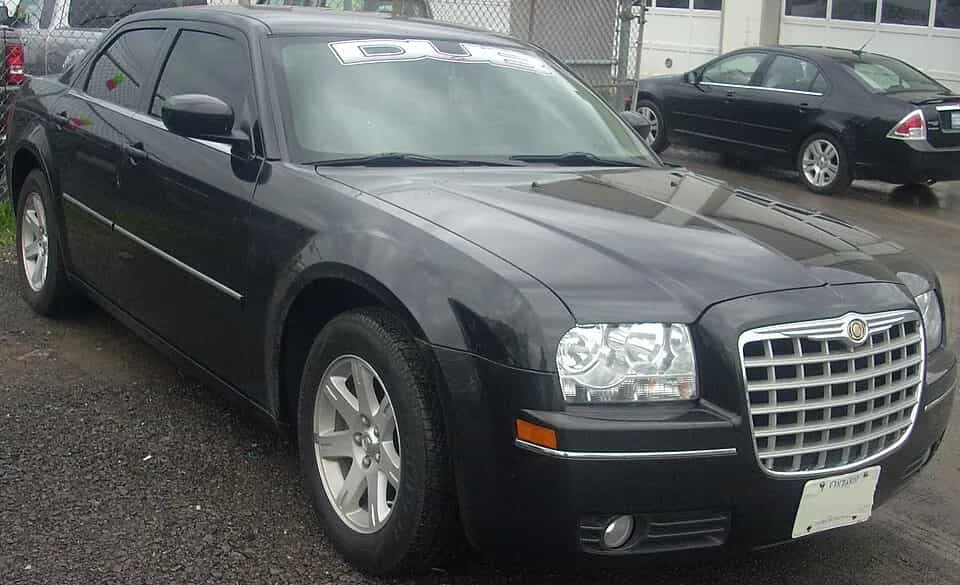
Chrysler 300

Importing a used Chrysler 300 from the USA

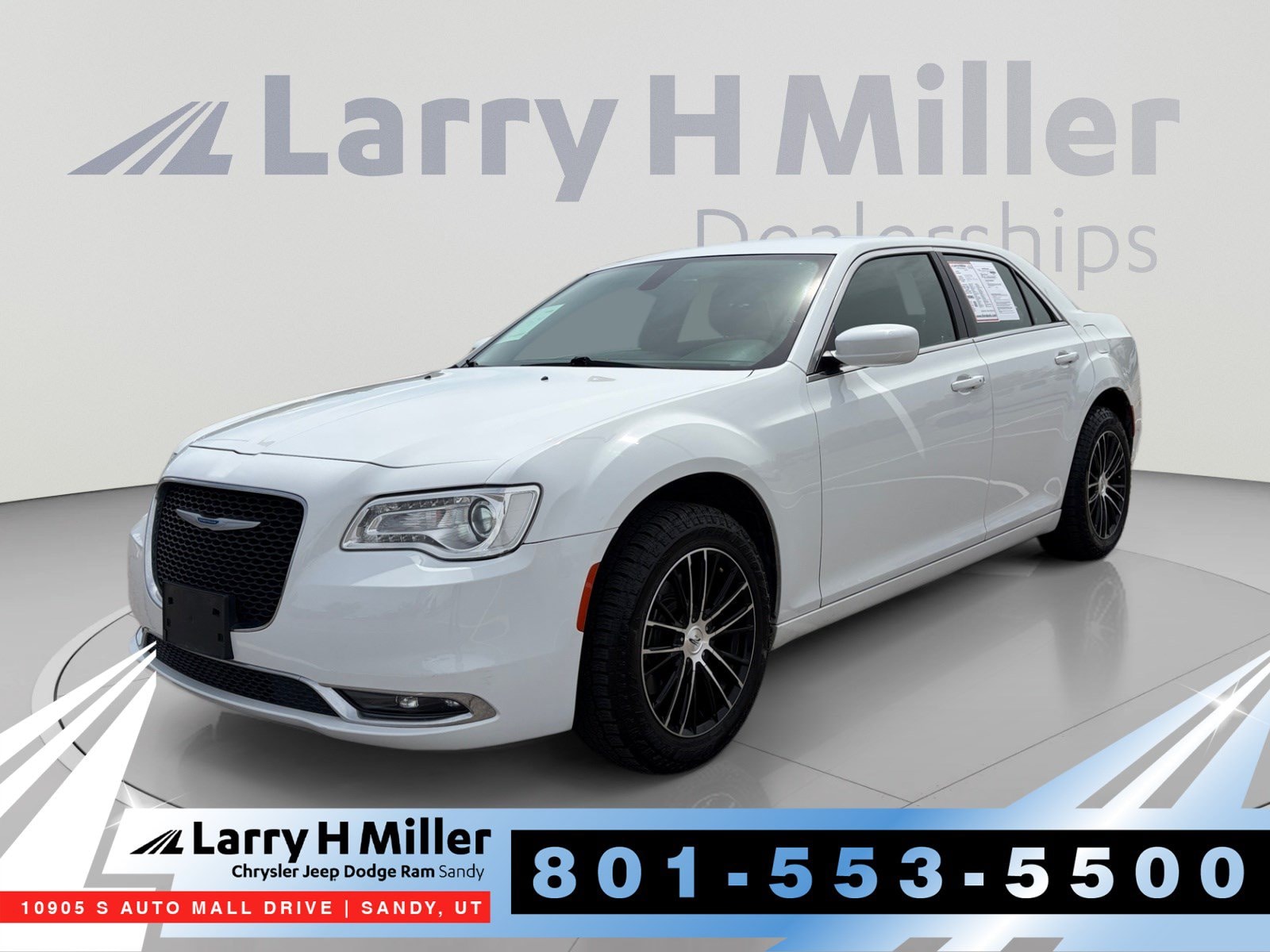
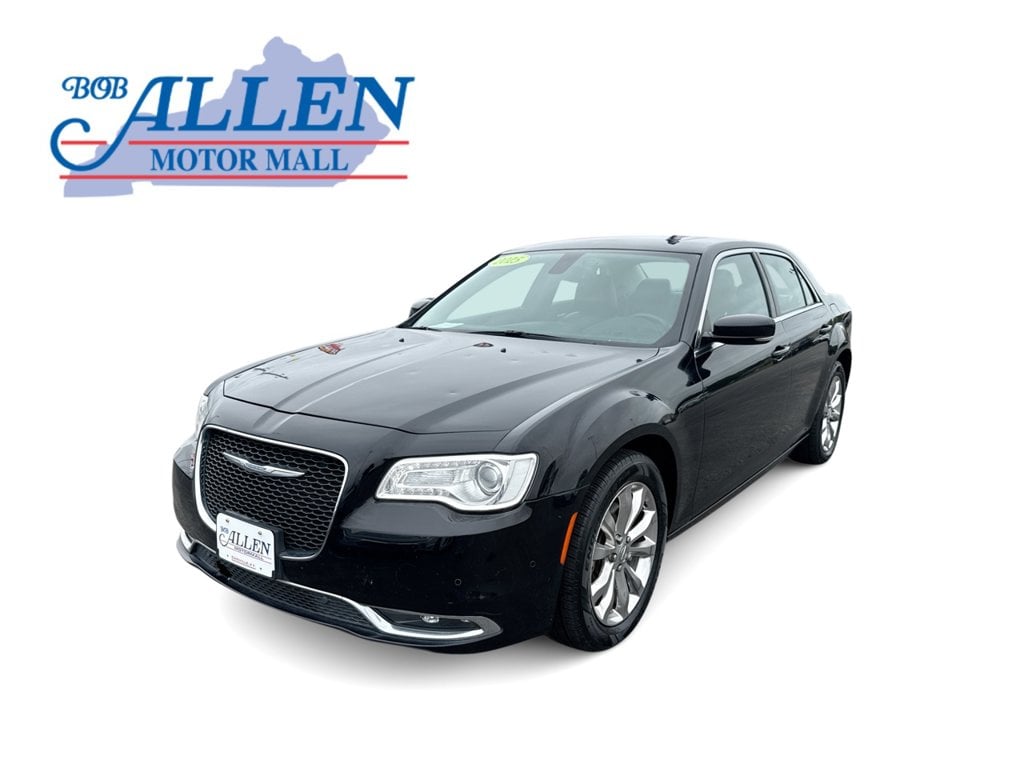
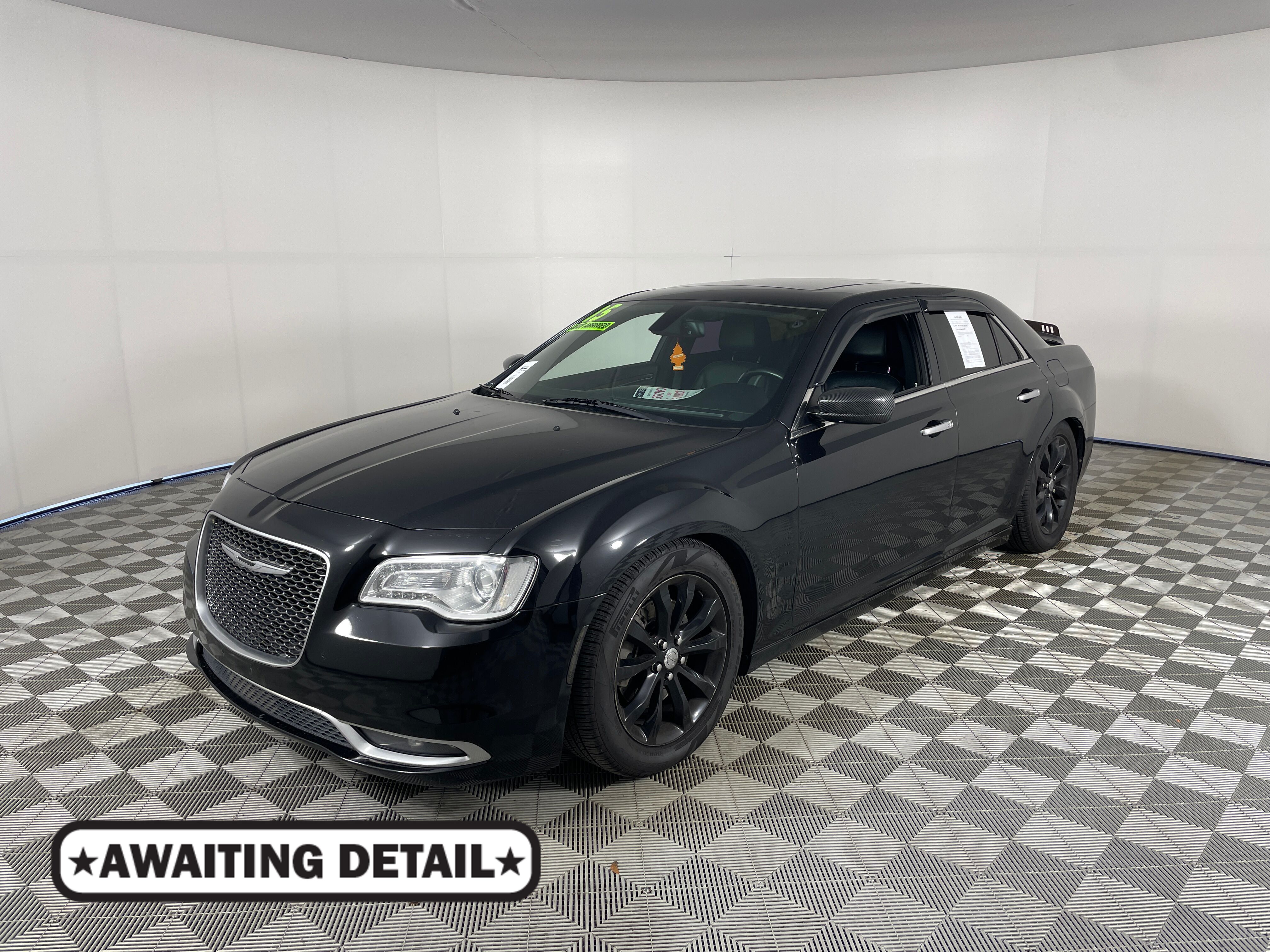
The Chrysler 300 is one of the few remaining American full-size sedans built on a rear-wheel-drive platform, and that alone makes it a magnet for European buyers who want genuine road presence rather than another mid-size German saloon. Broad-shouldered styling, an available HEMI V8 and a cabin sized for real long-distance travel give the 300 a character you cannot buy new in Germany. When you import a used Chrysler 300 from the USA you are usually looking at the LD-generation car (2011–2023), the model that turned the original bank-vault 300 into a more refined, better-built cruiser.

Chrysler 300 – used car imported from the USA
Photo: Bull-Doser · Public domain · Wikimedia Commons

Generations at a glance

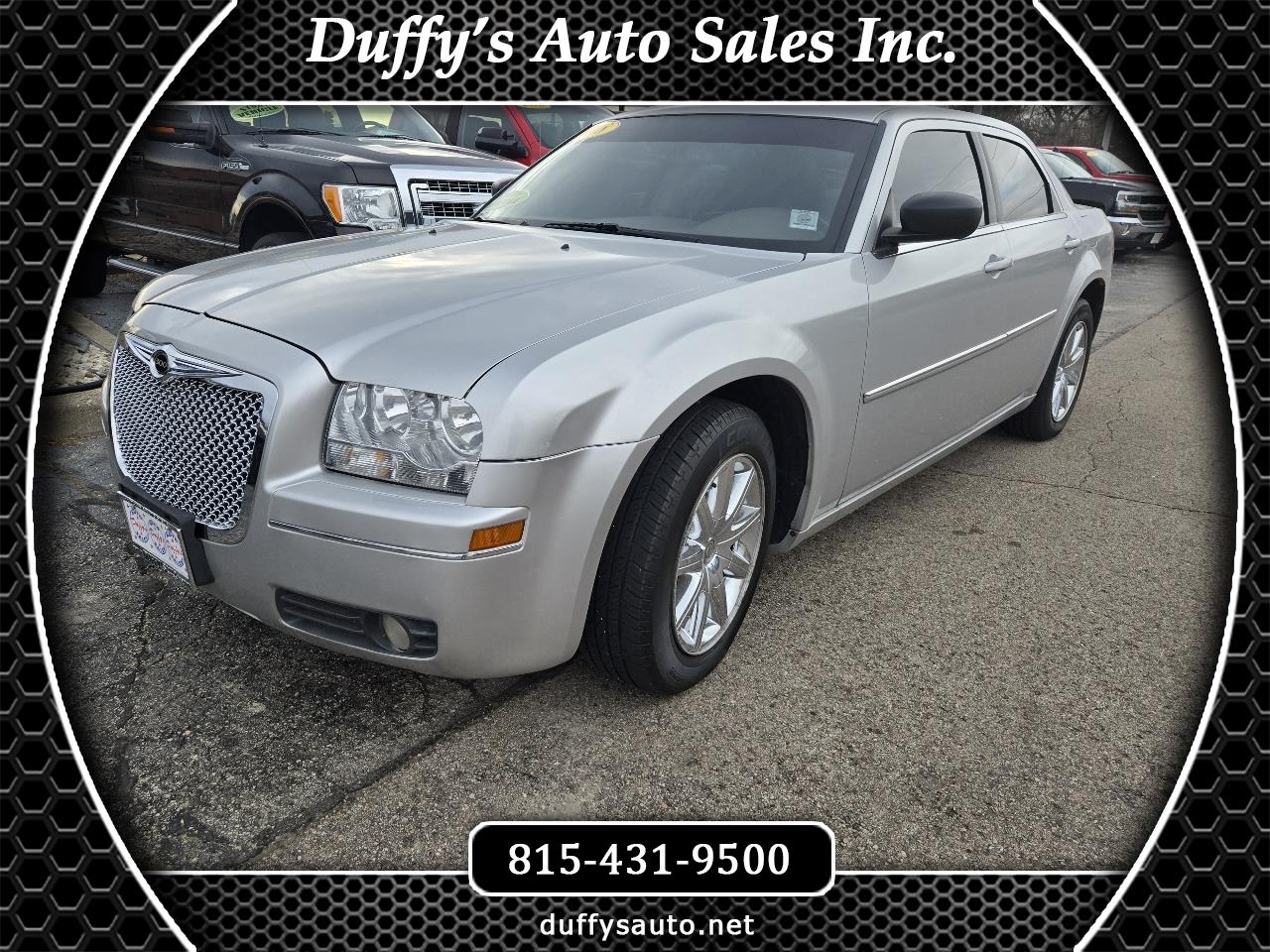
The first-generation 300 (LX platform) arrived for 2005 and revived the nameplate with its now-iconic upright grille and the 5.7-litre HEMI. The second generation (LD platform) launched for 2011 and is the one most commonly shipped today. It received a comprehensive mid-cycle refresh for 2015 with revised styling, a rotary gear selector and the 8-speed automatic fitted across the range. Chrysler then ran the 300 with only detail changes through to the end of production in December 2023, so late cars are mechanically very close to the 2015 update. Sporty 300S and luxury 300C variants bookended the line-up throughout.

Powertrain lineup

Two engines dominate the used 300 market. The 3.6-litre Pentastar V6 produces roughly 292–300 hp and is the volume seller, offered with rear-wheel drive or an all-wheel-drive system with a front-axle disconnect for efficiency. The 5.7-litre HEMI V8 in the 300C makes around 363 hp and 394 lb-ft, drives the rear wheels only, and uses Chrysler's MDS cylinder deactivation to save fuel when cruising. Early 300 SRT cars used the 6.4-litre (392) HEMI with about 470 hp before that version left the US line-up. From 2012 onward almost every 300 uses the ZF-derived 8-speed TorqueFlite automatic, a smooth and durable gearbox that suits the car's cruiser brief.

Trims in the US market

The 300 was sold only as a four-door sedan. The trim walk typically runs from 300 Touring and 300 Limited through the blacked-out 300S to the luxury-focused 300C, with a 300C Platinum topping the later model years. Expect leather, heated seats and the Uconnect touchscreen even on mid trims; higher cars add a panoramic sunroof, ventilated front seats, adaptive cruise control and a Beats or Harman Kardon audio system. All-wheel-drive examples almost always pair with the V6 rather than the HEMI.

The used market stateside

Supply in the United States is deep. The 300 sold in large numbers to both private buyers and fleets, so you can find everything from lightly used late-model V6 Limiteds to higher-mileage HEMI 300Cs. Typical import candidates are 2015-and-newer cars with the refreshed interior and the well-sorted 8-speed. Southern and western states offer the driest, least-corroded examples, which matters for a car that will later face a German TÜV inspection. As with any US used purchase, a full Carfax or AutoCheck history and clarification of the title status (clean versus salvage or rebuilt) are essential before you commit.

Who should import one

A used Chrysler 300 suits the driver who wants a comfortable, distinctive highway cruiser with rear-wheel-drive manners and, in HEMI form, a proper V8 soundtrack — a combination that is expensive or simply unavailable in the European new-car market. It is less suited to buyers chasing fuel economy or tight-city usability. If you value presence, ride comfort and a car that stands apart in a German car park, the 300 makes a strong case for import.

Key specifications

AttributeDetail
Body styleFour-door full-size sedan
PlatformChrysler LD (rear-wheel drive)
Production years (2nd gen)2011–2023
Assembly plantBrampton, Ontario, Canada
DrivetrainRWD; AWD available on V6
Petrol engines3.6 L Pentastar V6; 5.7 L HEMI V8
V6 outputapprox. 292–300 hp
V8 output (300C)approx. 363 hp / 394 lb-ft
Transmission8-speed automatic (ZF-based)
Lengthapprox. 5044 mm
Widthapprox. 1902 mm
Wheelbaseapprox. 3052 mm
Kerb weightapprox. 1810–1960 kg
Boot capacityapprox. 462 L
Fuel typePetrol

How reliable is it?

The 300 is generally robust, but a few issues recur. Early 3.6 Pentastar V6s (roughly 2011–2013) suffered a left-bank cylinder-head failure that Chrysler later revised; a car with documented head replacement or a post-2014 build is reassuring. HEMI V8s can develop a cold-start lifter tick and, less often, MDS-related lifter wear, so listen carefully on a test start. The Totally Integrated Power Module (TIPM) is a known electrical weak point across Chrysler products and can cause odd gremlins with the fuel pump, lights or door locks. Otherwise, watch for worn front suspension bushings, and budget for the usual brake and tyre wear on a heavy car. Searching "Chrysler 300 common problems" before you buy pays off.

What US models do differently

US-market 300s run a speedometer in mph, combined red rear brake/turn lamps (no separate amber indicator and no rear fog lamp), and daytime running lights configured to US rules. Tyre pressures are labelled in psi and the car is not EU type-approved, so it enters Germany via individual approval. Infotainment and radio bands are US-spec; the FM tuner steps differ from European frequencies, which is worth noting though rarely a deal-breaker.

Seven steps to your import

The process runs in a clear sequence: select the specific car and confirm specification; verify the VIN, build plant and history (Carfax/AutoCheck) and check the title; secure payment through escrow rather than a direct transfer; arrange inland transport to the export port and ocean freight (usually container or RoRo) to a North Sea port such as Bremerhaven; clear customs on arrival; present the car for TÜV individual approval (§21 StVZO); and finally register it at your local authority. As an independent broker, USCar Trader coordinates these stages but does not act as a dealer or take a hidden margin on the vehicle.

Customs, taxes and costs explained

In short: the 0% duty rate applies only with documented US origin (VIN/plant) – German import VAT of 19% is always due.

The 300 is assembled in Brampton, Ontario, which means it is of Canadian origin. The 0% EU import duty introduced by Regulations (EU) 2026/1455 and 2026/1461 (in force since 1 July 2026, direct transport, through 31 December 2029) applies only to vehicles of provable US origin, so a Brampton-built 300 would normally attract the standard car import duty rather than the 0% rate. The origin is determined by the VIN and plant code, never assumed. Separately and in every case, the 19% German import VAT (Einfuhrumsatzsteuer) is charged on the customs value plus duty and freight. We never describe any import as duty-free or guaranteed.

German TÜV and registration

To pass German inspection the 300 typically needs a rear fog lamp added, the rear indicators converted to amber where required, headlights checked for correct beam pattern, and the odometer and speedometer reading in km/h confirmed or corrected in the documentation. The inspector issues a report used for registration. Most 300s pass without heavy work because the platform is conventional and parts are available.

The buyer checklist

Before committing, verify the VIN against the listing and title; pull a full Carfax or AutoCheck report and read the accident and service history; confirm the title is clean rather than salvage or rebuilt; inspect the underbody and wheel arches for corrosion, favouring dry-state cars; check the engine start for HEMI tick or Pentastar noise; confirm mileage against service records; and review any open recalls by VIN.

Questions and answers

Is the Chrysler 300 built in the USA?

No. The modern 300 is assembled in Brampton, Ontario, Canada, so it is of Canadian origin. That matters for the customs rate, which is why the origin must always be confirmed by VIN and plant code.

Which engine is better for import, the V6 or the HEMI?

The 3.6 V6 is cheaper to run and the volume choice; the 5.7 HEMI 300C offers the classic V8 experience but higher fuel and tax costs. Both use the durable 8-speed automatic from 2012 on.

How reliable is a used Chrysler 300?

Generally solid, with the main watch points being early-Pentastar head issues (2011–2013), HEMI lifter tick and the TIPM electrical module. A well-documented post-2014 car is the safer buy.

Does the 0% EU duty apply to a Chrysler 300?

Only to vehicles of provable US origin. Because the 300 is Canadian-built, the standard duty normally applies. We assess each VIN individually and never promise a duty-free import.

Will I always pay German import VAT?

Yes. The 19% Einfuhrumsatzsteuer applies to every import regardless of the duty rate, calculated on the customs value plus duty and freight.

What has to change for TÜV?

Usually a rear fog lamp, amber rear indicators where required, a headlight check and correct odometer documentation. The 300 is a conventional car and typically passes individual approval without major work.

Ready to start? Browse Chrysler in the Carhub, compare the related Chrysler 200, the Chrysler Pacifica and the Cadillac CT5, or view current Chrysler 300 listings and request a broker quote.