Chevrolet Volt

Importing a used Chevrolet Volt from the USA

The Chevrolet Volt was one of the smartest plug-in hybrids of its era — a car that runs as a full EV for daily commuting yet carries a petrol range-extender so you never worry about charging on a long trip. It was never officially sold in Germany in meaningful numbers (Europe got the rebadged Opel/Vauxhall Ampera instead), which makes the American used market the natural place to find one. Importing a used Chevrolet Volt from the USA gives you a proven, practical electrified hatchback at a time when clean, well-kept examples are becoming genuinely appealing. USCar Trader acts as an independent broker: we source, verify and import used Volts, then handle customs, TÜV and registration. Here is the detail on both generations, the Voltec powertrain, and what ownership actually involves.

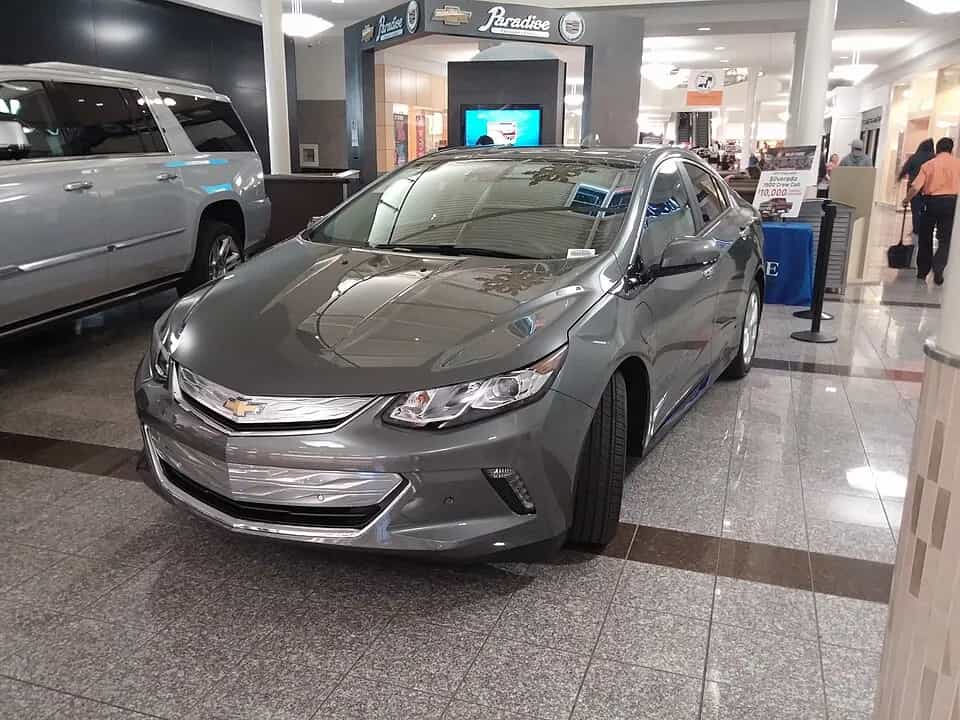
Chevrolet volt – used car imported from the USA
Photo: MTSRider18 · CC BY-SA 3.0 · Wikimedia Commons

Production years and key changes

The first-generation Volt launched for 2011 and ran through 2015, introducing GM's Voltec extended-range electric powertrain with an electric-only range of roughly 56–61 km on the later cars. The second generation arrived for 2016 and continued to 2019, when Chevrolet discontinued the model. The Gen 2 car was a substantial redesign: a lighter structure, a more efficient drive unit, a larger 18.4 kWh battery and a jump in EPA electric range to about 85 km (53 miles). It also gained a more conventional five-seat layout versus the four-seat Gen 1. For most importers the second-generation 2016–2019 car is the one to target for its longer electric range and refined drivetrain.

What is under the hood

The Volt is an extended-range electric vehicle (EREV). In normal use it drives on electricity alone; when the battery is depleted, a petrol engine acts as a generator (and, at higher speeds, can contribute mechanically) to keep you moving. The Gen 2 pairs a 1.5-litre four-cylinder range-extender with a two-motor electric drive unit for a combined system output of about 149 hp. The earlier Gen 1 used a 1.4-litre engine and made around 149 hp as well, but with a smaller battery and shorter EV range. There is no conventional gearbox — the planetary drive unit blends the motors and engine seamlessly. Drive is to the front wheels only.

Trims and body styles

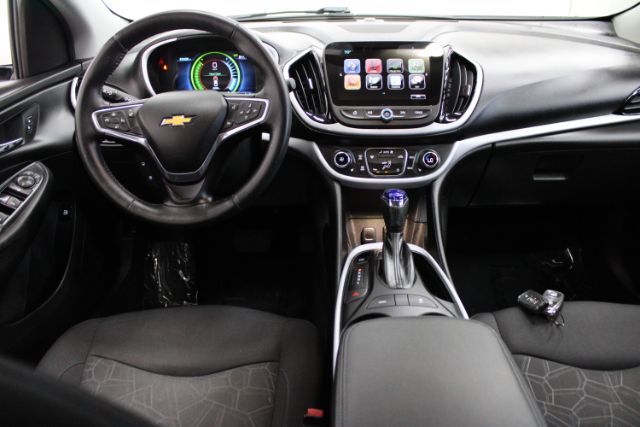
The Volt is a five-door hatchback (Gen 1 was strictly a four-seater; Gen 2 seats five in a pinch). US trims were LT and Premier, with the Premier adding leather, heated seats, a Bose audio option, and driver-assistance features such as forward-collision alert and lane-keep assist. Common options worth having on an imported car include the heated steering wheel, the driver-confidence packages and the faster-charging provisions. Because it was marketed as a technology flagship, even base cars are decently equipped.

What the US market offers

Volts are plentiful across California and other EV-friendly states, and many were bought by early adopters who maintained them carefully. Typical candidates are 2016–2019 Gen 2 cars with moderate mileage; because a large share of daily driving was electric, the petrol engine on many examples has done far fewer hours than the odometer suggests. Look for cars from dry, temperate regions for both rust-free underbodies and gentler battery thermal histories. Battery health is the key variable: a car with strong remaining electric range and complete service history is the prize.

Who this import is for

Importing a used Chevrolet Volt suits the buyer who wants electric daily driving without range anxiety — someone with a short commute they can cover on battery, but who occasionally needs to drive long distances without stopping to charge. It is an excellent choice for a first electrified car, a second household vehicle, or anyone who wants low running costs with a petrol safety net. If you want a pure EV or a large family car, look elsewhere; but as a pragmatic, efficient hatchback, the Volt remains compelling.

Technical data and figures

ItemDetail
Generation / yearsGen 1 2011–2015; Gen 2 2016–2019
Body style5-door hatchback
PowertrainVoltec extended-range electric (EREV)
Range extender (Gen 2)1.5 L 4-cylinder petrol generator
System outputapprox. 149 hp (111 kW)
Battery (Gen 2)18.4 kWh lithium-ion
Electric range (Gen 2)approx. 85 km (EPA 53 mi)
Total rangeapprox. 640–675 km
TransmissionPlanetary two-motor drive unit (no conventional gearbox)
DrivetrainFront-wheel drive
Length (Gen 2)approx. 4582 mm
Wheelbase (Gen 2)2694 mm
Curb weightapprox. 1607 kg
Fuel tankapprox. 34 litres
AssemblyUSA (Detroit-Hamtramck, Michigan)
Fuel typePlug-in hybrid (petrol + electric)

Reliability: trouble spots to check

The Volt earned a strong reliability reputation, and the Voltec drivetrain has proven durable in service. The battery is well-managed by a liquid thermal system and typically retains good capacity; significant degradation is uncommon, and the high-voltage components were covered by a long warranty when new. Known issues are relatively minor: some Gen 1 cars had charge-cord and onboard-charger niggles, the 12-volt auxiliary battery can fail with age (causing odd electrical faults), and infotainment glitches appear occasionally. Because the petrol engine runs infrequently, it is worth confirming the car has had periodic engine-maintenance runs and fresh oil, and that fuel has not sat stale — the Volt has a fuel-maintenance mode precisely to manage this. Overall, upkeep is low, but battery-health verification is the single most important check.

US vs. Europe differences

US Volts use amber or red rear turn signals without a separate rear fog lamp, mph-primary instruments and US headlight aiming, all resolved at approval. Charging is the practical point to plan for: the car ships with a US 120 V cordset and a J1772 (Type 1) inlet, so you will use a Type 1 to Type 2 adapter or cable to charge from European infrastructure — straightforward but worth arranging before delivery. The European Ampera equivalent means parts overlap exists, which can help with service. Telematics (OnStar) are US-provisioned and generally will not function in Europe, without affecting the car's driving functions.

How the import works

The process runs: select a suitable Volt from US listings; verify the VIN and the build/plant origin; place funds in escrow so money releases only once the car and title check out; book ocean freight to a European port such as Bremerhaven; clear customs on arrival; complete TÜV and an individual approval (Einzelabnahme per §21 StVZO) with any required modifications; and register the car locally. As an electrified vehicle, the approval also confirms the high-voltage system's safety documentation. USCar Trader coordinates each stage.

Import duty, VAT and fees

Remember: no origin proof, no 0% duty – and 19% German import VAT is due on every import.

Two separate charges apply. Customs duty first: the Volt is assembled at Detroit-Hamtramck in Michigan, so it may qualify as US-origin. Where US origin is provable from the VIN and plant code, the 0 percent preference under Regulations (EU) 2026/1455 and 2026/1461 (in force since 1 July 2026, direct transport) can apply. We never promise this in advance; origin is confirmed on the paperwork before clearance, and if it cannot be proven the standard 10 percent passenger-car duty applies. Second, and always, the 19 percent German import VAT (Einfuhrumsatzsteuer) is charged on the customs value plus duty and freight. Both are government charges passed through without any USCar Trader margin.

From modifications to registration

Typical approval work includes fitting a rear fog lamp, adjusting headlights to European aiming, adapting lighting where needed, and verifying the odometer and speedometer against the documented history. For the high-voltage system, the inspector will expect the relevant safety documentation. A charging adapter for European Type 2 infrastructure is arranged so the car is usable from day one. Once the Einzelabnahme is issued, you can register, insure and plate the car.

Pre-buy inspection points

Before buying, confirm: the VIN matches title, dash and doorjamb; a full Carfax or AutoCheck history shows no accidents, title branding or mileage inconsistency; the high-voltage battery retains strong electric range (ask for a recent full-charge range figure); the underbody is rust-free, favouring dry-state cars; the petrol engine has fresh oil and periodic run history; the title is clean and not salvage or flood; and the charging cord and inlet are present and functional.

What buyers ask most

Can I import a Chevrolet Volt to Germany?

Yes. A used Volt can be imported, customs-cleared, approved via individual TÜV inspection and registered. USCar Trader handles the full process as your broker.

Does the Volt qualify for 0 percent import duty?

Possibly. It is built in Michigan, so where US origin is provable from the VIN, the 0 percent preference can apply; otherwise the standard 10 percent duty applies. We never guarantee duty-free clearance.

Can I charge a US Volt in Europe?

Yes. The Volt uses a J1772 (Type 1) inlet, so you charge from European stations using a Type 1 to Type 2 cable or adapter, which we help arrange before delivery.

How reliable is the Chevrolet Volt?

Very — the Voltec drivetrain and battery are durable. The main checks are 12-volt battery age, occasional infotainment glitches and confirming the petrol engine has had periodic maintenance runs.

What is the electric range?

The Gen 2 (2016–2019) offers about 85 km of electric range; the earlier Gen 1 offers roughly 56–61 km before the range extender engages.

How much import VAT applies?

The German import VAT (Einfuhrumsatzsteuer) is 19 percent on the customs value plus duty and freight. It always applies and is stated separately from duty.

Which generation should I import?

Generally the Gen 2 (2016–2019) for its longer electric range, larger battery and more refined drive unit.

What TÜV changes are needed?

Typically a rear fog lamp, European headlight aiming, lighting adjustments, plus high-voltage safety documentation and odometer verification.

Browse more Chevrolet in the Carhub, compare the fully electric Chevrolet Bolt and Chevrolet Bolt EV, or the compact Chevrolet Cruze, or view the current Chevrolet Volt listings.