Chevrolet Blazer

Importing a used Chevrolet Blazer from the USA

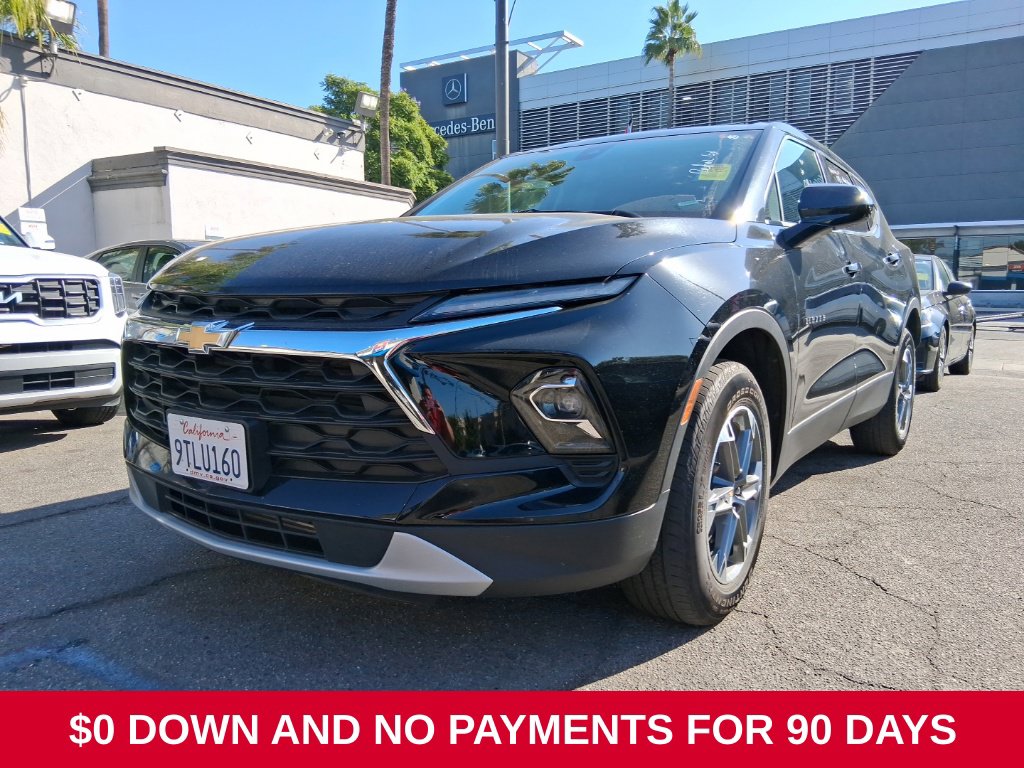
The modern Chevrolet Blazer revived a famous nameplate as a bold, coupe-influenced mid-size crossover aimed squarely at style-conscious American buyers. For Europeans who want an SUV with genuine road presence and a proper V6 option rather than the small turbo engines that dominate this class at home, importing a used Blazer from the USA is an interesting route. As an independent broker, USCar Trader sources the car, checks its history and organises transport and paperwork on your behalf.

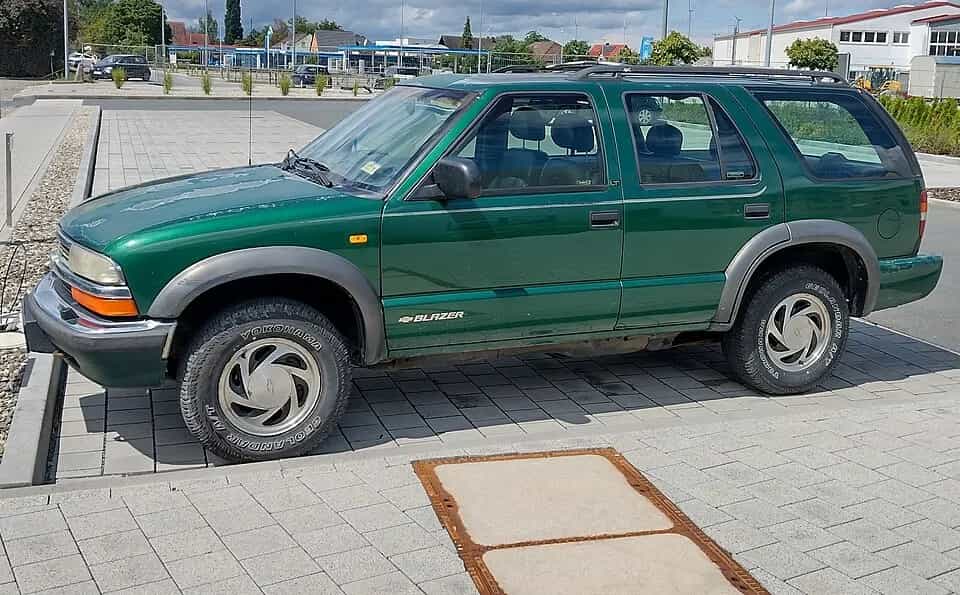
Chevrolet Blazer – used car imported from the USA
Photo: Interesting.cars.insta · CC BY-SA 4.0 · Wikimedia Commons

Generations at a glance

The Blazer badge has a long history — from the full-size K5 Blazer of the 1970s and 80s to the compact S-10 Blazer of the 1990s — but the model imported today is the crossover launched for the 2019 model year on GM's C1XX platform, shared with vehicles like the GMC Acadia. It arrived with aggressive Camaro-inspired styling, a driver-focused cabin and a clear positioning above the Equinox and below the three-row Traverse. A mid-cycle refresh updated the infotainment and trim availability. Note that the electric Blazer EV is a completely separate vehicle on a different platform; this page covers the petrol crossover.

Powertrain lineup

US Blazers were offered with a range of engines. The base 2.5-litre naturally aspirated four-cylinder is the economy choice but modestly powered. The 2.0-litre turbocharged four (around 230 hp) adds useful mid-range torque, while the headline engine is the 3.6-litre LGX V6 producing roughly 305–308 hp — smooth, torquey and the reason many buyers choose a Blazer over rivals. All versions use a nine-speed automatic transmission. Front-wheel drive is standard, with all-wheel drive available; the more sophisticated twin-clutch AWD system on RS and Premier trims can send torque across the rear axle for better traction.

Trims in the US market

The Blazer is a five-door, five-seat crossover. US trims typically run L, LT, the sporty RS and the luxury-leaning Premier. The RS pairs the V6 with black exterior accents and a sport-tuned setup; the Premier focuses on chrome and comfort features. Sought-after options include the panoramic sunroof, upgraded Bose audio, ventilated seats and the advanced AWD system that only comes with the V6.

The used market stateside

Because the Blazer sells in solid numbers across the US, the used market offers a healthy spread of trims and colours. Lease returns and one-owner cars in the two-to-five-year-old range are common, and V6 RS and Premier examples are readily found. As always, cars from southern and western states tend to have the cleanest underbodies. Mileage varies with use, but many Blazers lead a suburban family life with regular dealer servicing, which makes for good documentation.

Who should import one

The Blazer suits buyers who want a distinctive-looking mid-size SUV with the smoothness of a V6 and the option of capable all-wheel drive, without stepping up to a full-size body. If you specifically want the 3.6-litre V6 and the sportier RS character, the US market is where those cars are plentiful. Buyers focused purely on fuel economy or on maximum interior space for three rows would be better served elsewhere.

Key specifications

SpecificationDetail (trim-dependent)
Body styleMid-size crossover SUV, 5 doors, 5 seats
PlatformGM C1XX
Base engine2.5 L I4 petrol
Turbo engine2.0 L turbo I4, approx. 230 hp
Top engine3.6 L LGX V6, approx. 305–308 hp
Transmission9-speed automatic
DrivetrainFWD or AWD (twin-clutch on V6 RS/Premier)
Lengthapprox. 4,860 mm
Wheelbaseapprox. 2,863 mm
Kerb weightapprox. 1,700–1,950 kg
Cargo (seats up)approx. 900 litres
Towing (V6, equipped)up to approx. 2,040 kg
Fuel tankapprox. 73 litres
FuelPetrol

How reliable is it?

The Blazer is a relatively young design and generally solid, but a few points deserve attention. The nine-speed automatic drew early complaints about hesitant or harsh low-speed shifting on some cars; a software update addressed much of it, so confirm the transmission behaves smoothly on a test drive. The 2.0-litre turbo requires disciplined oil changes to avoid carbon and turbo issues over time, while the 3.6-litre V6 is the more proven, lower-stress engine. Infotainment glitches and the occasional electrical niggle appear in owner reports. Watch AWD cars for correct engagement and listen for driveline noises. Overall Blazer reliability is acceptable for the class when the service record is clean and the transmission software is up to date.

What US models do differently

US Blazers use mph instrumentation, US-market lighting and North American infotainment settings. Rear fog lamps are generally not fitted from the factory. These are the usual conversion points for European approval rather than problems.

Seven steps to your import

Selection of the right trim and engine; VIN and plant-of-origin verification; secured escrow payment; ocean freight to a European port such as Bremerhaven or Rotterdam; customs clearance on arrival; TÜV inspection and individual approval; and finally registration. USCar Trader coordinates the whole chain as your broker.

Customs, taxes and costs explained

Remember: no origin proof, no 0% duty – and 19% German import VAT is due on every import.

Import duty depends on documented origin. Under Regulations (EU) 2026/1455 and 2026/1461, vehicles with provable US origin and direct transport can qualify for 0% duty (in force since 1 July 2026, through 31 December 2029). This is where the Blazer needs care: the petrol Blazer crossover has been assembled in Ramos Arizpe, Mexico, so a US-origin claim cannot be assumed — the actual plant of build must be checked against the VIN, and the duty rate follows from that. The 19% German import VAT (Einfuhrumsatzsteuer) applies separately in every case. We never promise a 0% rate before the origin is confirmed.

German TÜV and registration

Typical approval work includes converting the lighting to ECE standards, fitting a rear fog lamp, verifying the speedometer and documenting emissions data. After the Einzelabnahme, registration proceeds normally.

The buyer checklist

Verify the VIN against the title and confirm the plant of build for the duty question. Pull a Carfax or AutoCheck history for accidents and title branding. Confirm the nine-speed transmission shifts smoothly and any recall software is current. Check the AWD system engages correctly. Review service records, especially oil changes on the 2.0 turbo. Inspect the underbody for corrosion. Confirm the title is clean, not salvage or rebuilt.

Questions and answers

Can I import a used Chevrolet Blazer to Germany?

Yes. The petrol Blazer crossover can be imported from the US and registered after individual approval.

Does the Blazer qualify for 0% import duty?

Not automatically. Because these cars are built in Mexico, the plant must be verified via the VIN; the duty rate depends on the actual origin.

Do I always pay import VAT?

Yes. The 19% German import VAT applies to every imported vehicle regardless of origin.

Which engine should I look for?

The 3.6-litre V6 is the smoothest and most proven; the 2.0 turbo is a compromise between power and economy.

Is the Blazer reliable?

Generally acceptable, provided the nine-speed transmission software is current and servicing is documented.

Is this the same as the Blazer EV?

No. The Blazer EV is a separate electric model on a different platform; this page covers the petrol crossover.

What changes are needed for TUV?

Lighting conversion, a rear fog lamp, speedometer verification and documentation.

Is USCar Trader a dealer?

No. USCar Trader is an independent broker and intermediary, not a franchised dealer.

See more Chevrolet SUVs in the Chevrolet in the Carhub, compare the three-row Traverse, the compact Trailblazer and the electric Blazer EV, or browse the current Blazer listings.