Chevrolet HHR
Importing a used Chevrolet HHR from the USA
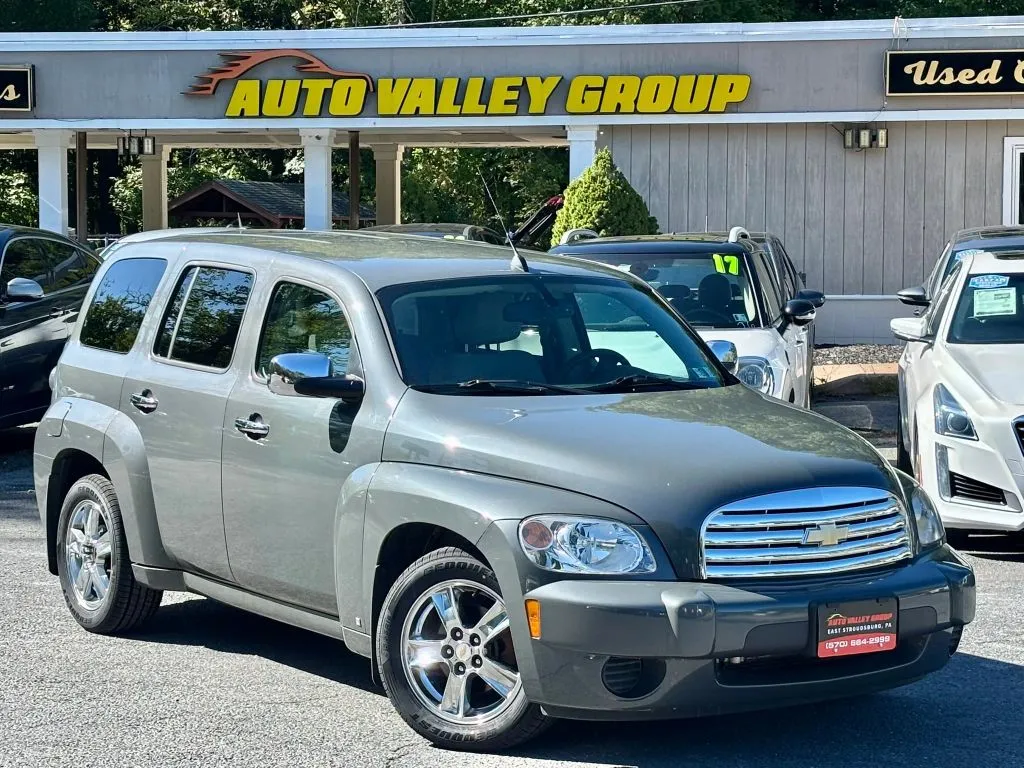
The Chevrolet HHR — Heritage High Roof — is a retro-styled compact wagon that borrowed the tall, upright look of the late-1940s Chevy Suburban and wrapped it around a practical, front-wheel-drive small-car platform. Penned by Bryan Nesbitt, who had earlier shaped the Chrysler PT Cruiser, it was Chevrolet's answer in the same nostalgic segment. It sold in large numbers in the US and almost never came to Europe, which is exactly why it turns heads here and why enthusiasts choose to import a used Chevrolet HHR from the USA. This page covers the engines, the surprisingly quick SS version, the panel-van variant, and the practical import steps.

From launch to today
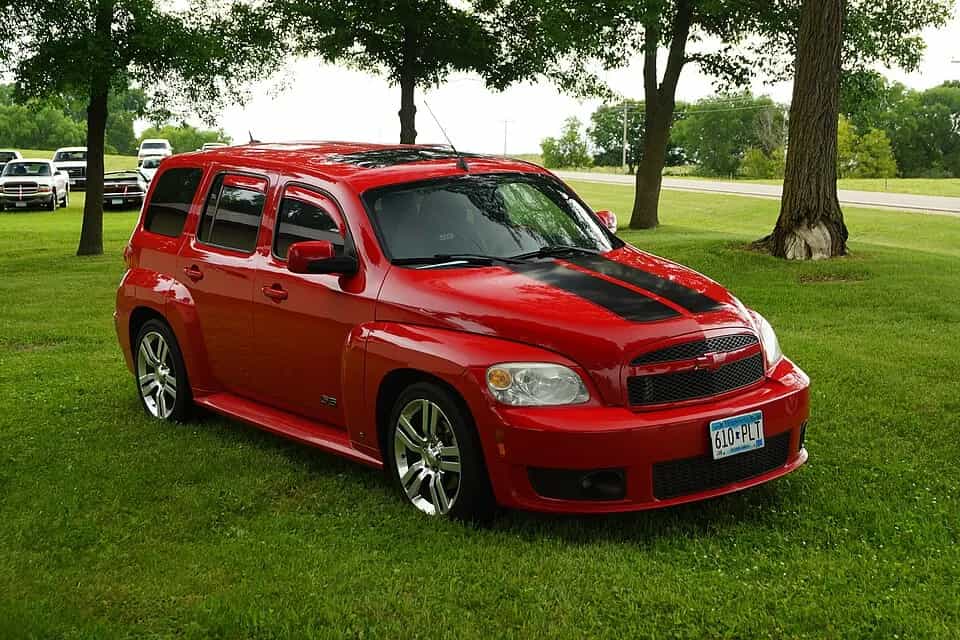
The HHR launched for the 2006 model year on GM's Delta platform, sharing much with the Chevrolet Cobalt, and ran through 2011. There was one generation, with steady detail changes rather than a full redesign. A commercial Panel version arrived early, deleting the rear side windows and rear seats to create a small delivery van, and the hot HHR SS joined for 2008. Because the HHR was never officially sold in Germany, every example here is an import, which gives it genuine rarity on European roads.
Engines and drivetrain in detail
The bread-and-butter engines are GM's Ecotec four-cylinders: a 2.2-litre making around 149–155 hp and a 2.4-litre making roughly 172–175 hp, both driving the front wheels through a five-speed manual or a four-speed automatic. The star of the range is the HHR SS, powered by the 2.0-litre turbocharged LNF Ecotec producing about 260 hp and 260 lb-ft, available with a five-speed manual and a no-lift-shift feature — a genuinely quick, torque-steering little wagon that has become a cult favourite. For most buyers the naturally aspirated 2.4 is the sensible pick; the SS is the one collectors chase.
Trim levels and variants
The HHR came as a five-door wagon in LS, 1LT, 2LT and SS trims, plus the two-seat Panel van in LS and LT specification. Equipment was simple by modern standards: air conditioning, power windows, and on higher trims alloy wheels, a chrome grille, heated leather seats and a premium Pioneer sound system. The Panel is the quirky one, prized by small businesses and enthusiasts alike for its blank rear flanks and van-like load bay.
Used availability in the USA
HHRs are abundant and affordable in the US, with plenty of 2008–2011 cars around showing 80,000 to 150,000 miles. The naturally aspirated cars are everywhere; the SS and the Panel take more searching. Condition ranges from tidy one-owner cars to well-worn fleet examples, so history and a careful inspection matter. Rust is the enemy on northern cars, while southern and western examples tend to be cleaner underneath. No euro pricing is quoted here — it depends on the specific car and the exchange rate on the day.
When importing makes sense
The HHR suits a buyer who wants something genuinely uncommon in Germany with real character and everyday usability. The 2.4 is a practical, cheap-to-run retro wagon; the SS is for enthusiasts who want a sleeper hot hatch in wagon clothing; the Panel appeals to anyone wanting a distinctive small van for a business or a project. If you value standing out over badge prestige, an imported HHR delivers plenty of personality for the money.
Facts and figures
| Generation | single generation (Delta platform) |
| US model years | 2006–2011 |
| Body style | 5-door wagon; 2-seat Panel van |
| Length | approx. 4,470 mm |
| Width | approx. 1,755 mm |
| Height | approx. 1,608 mm |
| Wheelbase | approx. 2,621 mm |
| Kerb weight | approx. 1,450 kg |
| Engine (2.2 Ecotec) | approx. 149–155 hp |
| Engine (2.4 Ecotec) | approx. 172–175 hp |
| Engine (SS 2.0 turbo LNF) | approx. 260 hp / 260 lb-ft |
| Transmission | 5-speed manual / 4-speed automatic |
| Drivetrain | front-wheel drive |
| Cargo (seats folded) | approx. 1,720 L |
| Fuel tank | approx. 52 L |
| VIN plant prefix | often 3G (Ramos Arizpe, Mexico) |
Reliability and common problems
The HHR is mechanically simple, but it has a few well-documented weak points. The biggest is the electric power steering: the assist motor and its control module fail, leaving heavy, unassisted steering, and this was the subject of a recall — check that the car steers with normal effort and that any campaign was completed. The HHR was also caught up in GM's ignition-switch recall, so confirm that work was done. Other recurring HHR common problems include the passenger-airbag presence sensor in the seat, intermediate steering-shaft clunks, fuel-level sensor faults giving an inaccurate gauge, and HVAC blend-door actuator failures that leave the temperature stuck. The Ecotec engines themselves are durable when serviced, and timing chains generally last if oil changes are kept up. On the SS, check for evidence of tuning and hard use.
How US versions differ
The HHR was a North American car, so it uses amber front markers, red rear turn signals, headlights aimed for right-hand traffic, and miles-and-Fahrenheit instruments. It typically lacks a rear fog lamp, which German registration requires. Because the car was never homologated for Europe, the individual approval process (Einzelabnahme) is the route to registration, and lighting is the main area of change.
From US purchase to registration
Start by selecting a specific car and reviewing its history. Verify the VIN and build origin, because the plant determines the customs rate — many HHRs were built in Mexico. Move funds through escrow, then book RoRo or container shipping to Bremerhaven or Hamburg. Clear customs on arrival, then present the car for TÜV individual approval under §21 StVZO, where lighting and documentation are checked, and finally register it at the Zulassungsstelle.
Costs, duty and taxes at a glance
Remember: no origin proof, no 0% duty – and 19% German import VAT is due on every import.
The HHR is treated as neutral origin, so the rate depends on the actual build plant shown by the VIN. The 0% EU preference under Regulations (EU) 2026/1455 and 2026/1461 applies only to vehicles with provable US origin, on direct transport, within the current window. Many HHRs were assembled in Ramos Arizpe, Mexico, which does not meet the US-origin test, so the standard third-country passenger-car duty (generally 10%) normally applies; a genuinely US-built example would need its plant proven by the VIN. Separately, and always, the 19% German import VAT (Einfuhrumsatzsteuer) is charged on the customs value. We act purely as an intermediary and add no margin to duty or tax.
TÜV, approval and license plates
Typical changes are headlight adjustment or replacement for the correct beam pattern, fitting a rear fog lamp, sometimes adjusting side-marker behaviour, and confirming the km/h display. The odometer reading is documented and carried over. After TÜV approval, the paperwork goes to the registration office.
Pre-purchase checklist
Confirm the VIN matches the title and all documents. Pull a Carfax or AutoCheck report for accidents, salvage or odometer flags. Test the electric power steering for normal assist and confirm the recall was completed. Verify the ignition-switch recall was done. Inspect the underbody and rear arches for rust on northern cars. Check the HVAC for stuck temperature and the fuel gauge for accuracy. Verify the title is clean and held by the seller.
Import FAQ
Was the Chevrolet HHR ever sold in Europe?
No. It was a North American model, so every HHR in Germany is an import, which is part of its appeal.
How fast is the HHR SS?
The SS uses a 2.0-litre turbo with about 260 hp and is genuinely quick for a compact wagon, with a five-speed manual and no-lift-shift on manual cars.
What is the most common HHR problem?
Electric power-steering failure is the best-known issue and was recalled; always confirm normal steering assist and that the campaign was completed.
Does an imported HHR get 0% customs duty?
Only if the VIN proves US assembly. Many HHRs were built in Mexico, in which case the standard duty plus 19% import VAT normally applies.
Is the HHR Panel van practical?
Yes, the two-seat Panel deletes the rear windows and seats for a small load bay, popular with businesses and enthusiasts.
How reliable is a used HHR?
The Ecotec engines are durable when serviced; the main concerns are the electrical items — steering, actuators, sensors — so buy on history and inspection.
How long does importing take?
Usually several weeks from purchase to registration, driven mostly by shipping and the customs and TÜV steps.
Start browsing: see Chevrolet in the Carhub, compare with the platform-sharing Cobalt, the retro rival Chrysler PT Cruiser or the Malibu, and see current HHR listings.