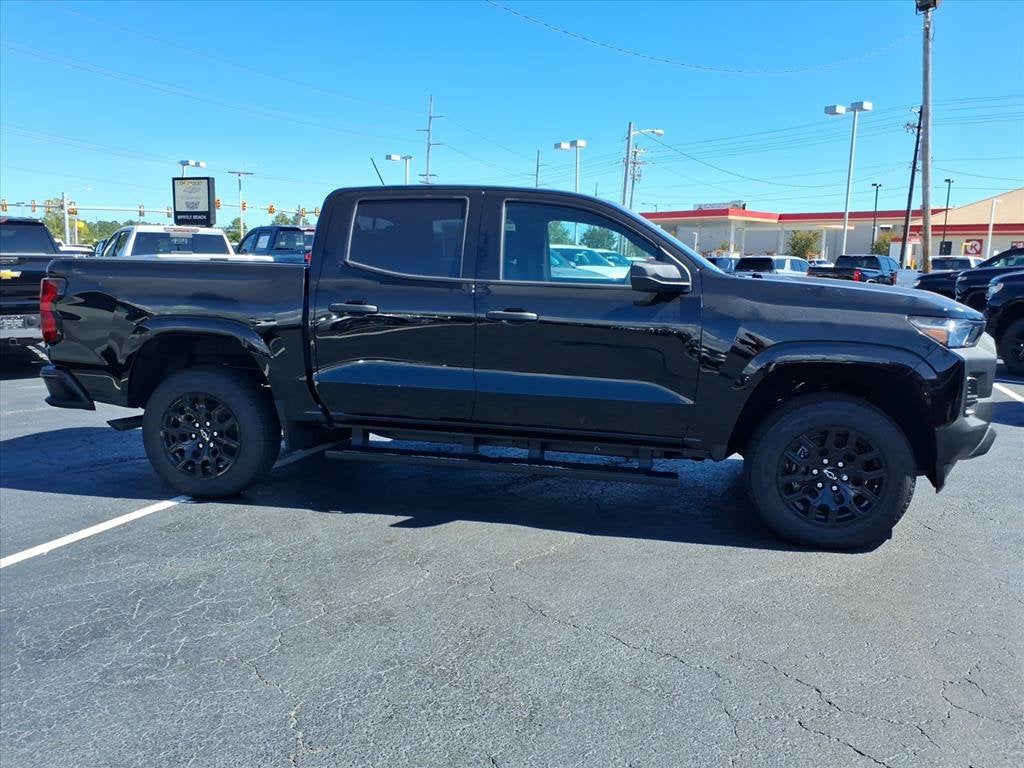
Chevrolet Colorado

Importing a used Chevrolet Colorado from the USA

The Colorado is Chevrolet's mid-size pickup, a right-sized alternative to the full-size Silverado that pairs real truck ability with a footprint that works better on European roads. It competes with the Toyota Tacoma and Ford Ranger and has a strong following among buyers who want a bed, off-road capability and towing without the bulk of a half-ton. USCar Trader is an independent broker for used US vehicles and sources a specific Colorado to your specification. The American used market carries these trucks in useful numbers, including the off-road ZR2, so there is genuine choice. This guide covers what the Colorado is and how importing one works.

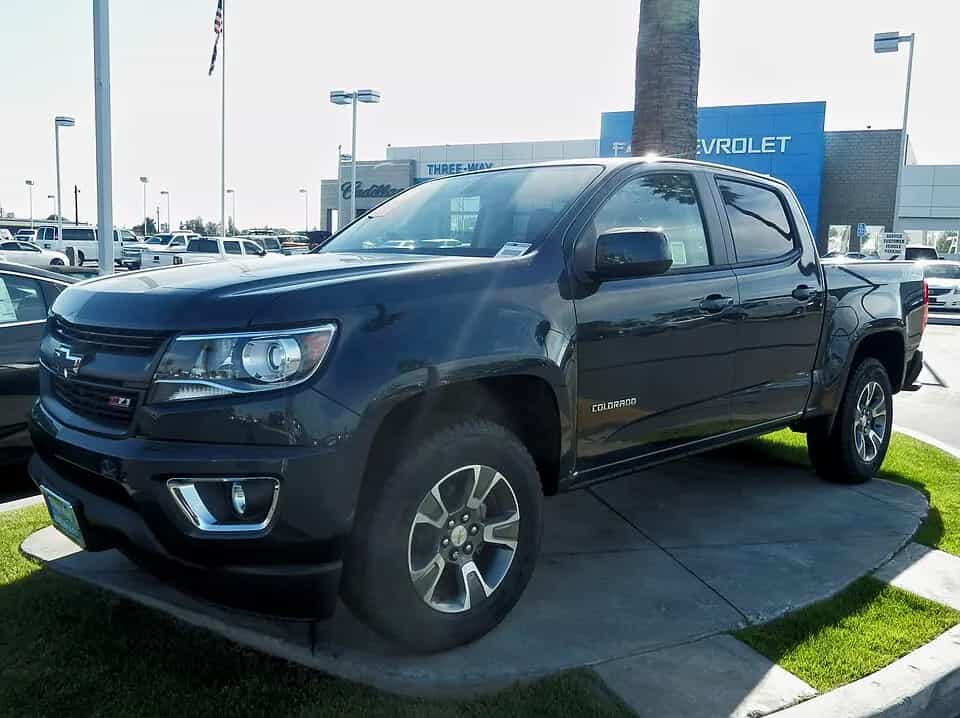
Chevrolet Colorado – used car imported from the USA
Photo: Alexander Migl · CC BY-SA 4.0 · Wikimedia Commons

Production years and key changes

The Colorado name arrived in 2004, replacing the S-10, and the first generation ran through 2012 in North America. Chevrolet then paused the model in the US before relaunching a modern, global-derived second generation for the 2015 model year, which ran to 2022 and included the rugged ZR2 from 2017. A fully redesigned third generation launched for 2023 on GM's new mid-size platform, standardising a single turbocharged engine and expanding the off-road range. For a used import, the 2015–2022 trucks are the mainstream, with the newer 2023-on models offering the latest technology.

What is under the hood

Second-generation Colorados offered a 2.5-litre four for base trucks, the popular 3.6-litre LGZ V6 (around 308 hp) mated to an eight-speed automatic, and the 2.8-litre Duramax turbodiesel four (around 181 hp, strong torque) that made the Colorado a capable, economical tow vehicle. The third generation switched to a single 2.7-litre turbocharged four (L3B) in three output states up to around 310 hp, with an eight-speed automatic. Rear-wheel drive is standard; four-wheel drive with a two-speed transfer case is what most import buyers want, and the ZR2 adds locking differentials and Multimatic dampers.

Trims and body styles

The Colorado comes as an Extended Cab or, more commonly, a Crew Cab, with short or long beds. Trims include WT, LT, the street-styled RST, off-road Z71 and Trail Boss, and the hardcore ZR2. A Crew Cab Z71 or ZR2 with 4WD is the configuration that draws the most import interest for its blend of usability and capability.

What the US market offers

The Colorado is readily available used, with lease and fleet trucks appearing at three to six years old across a range of mileages. Dry southern and western states supply the cleanest, rust-free examples; ZR2s from those regions are especially sought after. As with any pickup, condition and service history outweigh a low odometer, and off-road trucks deserve an underbody check for hard use. A clean-title V6 or ZR2 with full records is the target.

Who this import is for

The Colorado suits a buyer who wants American pickup character in a size that fits European life, whether for towing a trailer, weekend off-roading or a business that needs a compact bed. It is more parkable and more economical than a Silverado while keeping real capability. Importing a used Colorado from the USA gives access to specifications, including the ZR2, that were never offered new in Germany.

Technical data and figures

ItemTypical figure (Colorado)
Body stylesExtended Cab / Crew Cab
Bed lengthsShort / Long
Petrol engines2.5L I4, 3.6L V6, 2.7L turbo I4
Diesel (2016–22 US)2.8L Duramax turbo I4
Output (3.6L V6)approx. 308 hp
Output (2.7L turbo)up to approx. 310 hp
Output (2.8L diesel)approx. 181 hp, high torque
Transmission6-speed or 8-speed automatic
DriveRWD or 4WD (2-speed transfer case)
Length (Crew)approx. 5,400 mm
Kerb weightapprox. 1,900–2,200 kg
Max towingup to approx. 3,200 kg (equipment-dependent)
Seating5
AssemblyWentzville (Missouri)

Reliability: trouble spots to check

The Colorado is generally solid. The 3.6-litre V6 is strong but shares the wider GM concern over timing-chain wear if oil changes were skipped, and some owners report an intermittent shudder from the eight-speed automatic on 2015–2018 trucks, usually cured by the revised fluid and calibration. The 2.8 Duramax diesel is durable but, as with any modern diesel, needs correct servicing and attention to emissions hardware; check for regeneration history. Watch for early brake wear, occasional infotainment quirks, and normal off-road wear on Z71 and ZR2 trucks, including suspension bushings and tyres. Parts supply through GM channels in Europe is workable, which keeps the Colorado a sensible ownership proposition.

US vs. Europe differences

US Colorados use amber or red rear indicators, often lack a rear fog lamp, and read in miles per hour. Some assistance and infotainment features are configured for the US market. These are routine import matters that a specialist adapts for German approval.

How the import works

Select a specific truck and agree terms; verify the VIN, plant of build and a Carfax or AutoCheck report; secure payment through escrow; arrange ocean freight (container or RoRo); clear EU customs on arrival; complete the TÜV inspection and, where required, individual approval (Einzelabnahme) with lighting and documentation changes; then register. We manage the chain as your intermediary.

Import duty, VAT and fees

In short: the 0% duty rate applies only with documented US origin (VIN/plant) – German import VAT of 19% is always due.

Import duty depends on provable origin. Under Regulations (EU) 2026/1455 and 2026/1461, in force since 1 July 2026 for direct transport until 31 December 2029, a genuinely US-built vehicle can qualify for 0% EU import duty. The Colorado is favourable here because it is built in Wentzville, Missouri, but the VIN and plant code still have to be confirmed before anyone claims 0% — we verify rather than promise. The 19% German import VAT (Einfuhrumsatzsteuer) always applies, calculated on customs value plus freight, and is stated separately. We take no margin on the vehicle.

From modifications to registration

Typical work includes fitting a rear fog lamp, adapting rear lighting where amber indicators are needed, confirming the speedometer, and documenting emissions data. Lifted ZR2 trucks may need tyre or suspension certification. The truck then passes TÜV and any individual approval before registration.

Pre-buy inspection points

Decode the VIN and confirm the assembly plant; obtain a full Carfax or AutoCheck for accidents, title and odometer; inspect the frame and bed underside for rust; review service records for timing-chain, transmission and diesel-regeneration history; confirm a clean title; check 4WD and, on ZR2, locker and damper operation; and cross-check photographed mileage against wear.

What buyers ask most

Is the Colorado likely to qualify for 0% duty?

It is favourable because it is US-built in Missouri, but we still confirm the VIN and require direct transport under current EU rules before claiming 0%.

Does the 19% import VAT always apply?

Yes. The Einfuhrumsatzsteuer is due on every import and is separate from customs duty.

Which engine is best for import?

The 3.6 V6 for petrol performance, the 2.8 Duramax diesel for torque and economy, or the 2.7 turbo on newer trucks.

Is the ZR2 worth importing?

Yes, if you want serious off-road ability; it was never sold new in Germany, which adds appeal, but check for hard use.

Any transmission concerns?

Some 2015–2018 eight-speeds shuddered until a fluid and software fix. Ask for evidence of the update.

How is it shipped?

Container for a clean, valuable truck, or RoRo for economy.

Will it pass TÜV?

Yes, after standard lighting and documentation work done before the appointment.

Explore the range in the Chevrolet in the Carhub, compare the full-size Silverado 1500 and the rival GMC Canyon, or browse current Colorado listings.