Chevrolet Cobalt

Importing a used Chevrolet Cobalt from the USA

The Cobalt was Chevrolet's mainstream compact through the second half of the 2000s, sold in huge numbers as an affordable sedan and coupe, with a genuinely quick turbocharged SS at the top of the range. It is a car most Europeans never saw new, which is part of its appeal as an import curiosity and as a cheap, tunable enthusiast platform. Importing a used Chevrolet Cobalt from the USA is straightforward, and USCar Trader manages it purely as your broker and intermediary, never as a dealer and never with a margin hidden in the car.

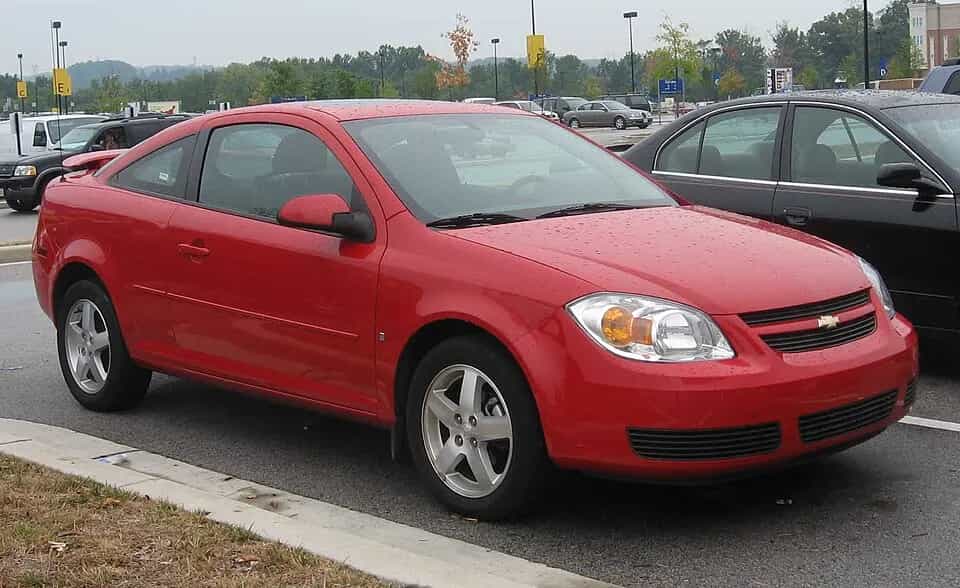
Chevrolet cobalt – used car imported from the USA
Photo: IFCAR · Public domain · Wikimedia Commons

Model history: years and generations

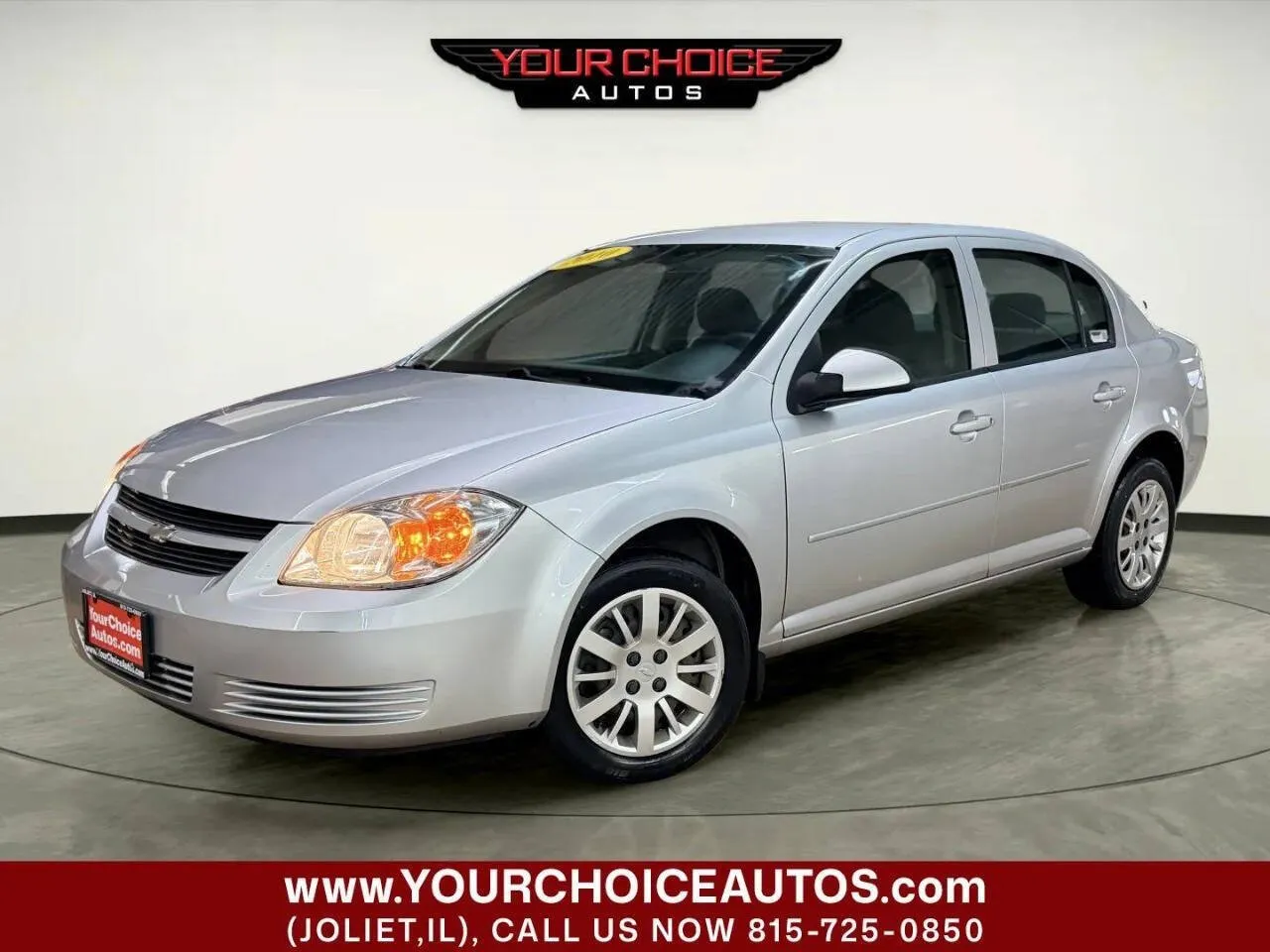
The Cobalt ran a single generation from the 2005 to the 2010 model year, replacing the long-serving Cavalier on GM's Delta platform. It came as a four-door sedan and a two-door coupe, in trims that climbed from the plain base and LS through the volume LT to the better-equipped LTZ, with the sporting SS sitting apart. A closely related sibling, the Pontiac G5, shared the underpinnings. For 2010 the Cruze began replacing it, ending the Cobalt's run.

Engines, transmissions and drive

Standard cars used GM's Ecotec four-cylinder engines: a 2.2-litre making around 145–155 hp and, later, a 2.4-litre with roughly 155–171 hp. The interesting metal is the SS. Early SS models carried a supercharged 2.0-litre (the LSJ, about 205 hp), which was replaced by the turbocharged 2.0-litre LNF producing around 260 hp, a genuinely rapid front-driver for its day. Transmissions were a Getrag F23 5-speed manual or a 4-speed automatic (4T45), driving the front wheels. The turbo SS with the manual is the enthusiast's pick and the version tuners chase.

Equipment lines and body styles

Body choice is sedan or coupe. The base and LS trims were fleet-and-budget focused; LT added comfort features; LTZ brought alloys, better trim and available leather. The SS is visually distinct with body kit, unique wheels and, on the turbo car, a boost gauge and a no-lift-shift feature that became something of a cult detail. Because so many were built, you can find everything from bare-bones commuter cars to loaded LTZ and hot SS examples.

The US used market

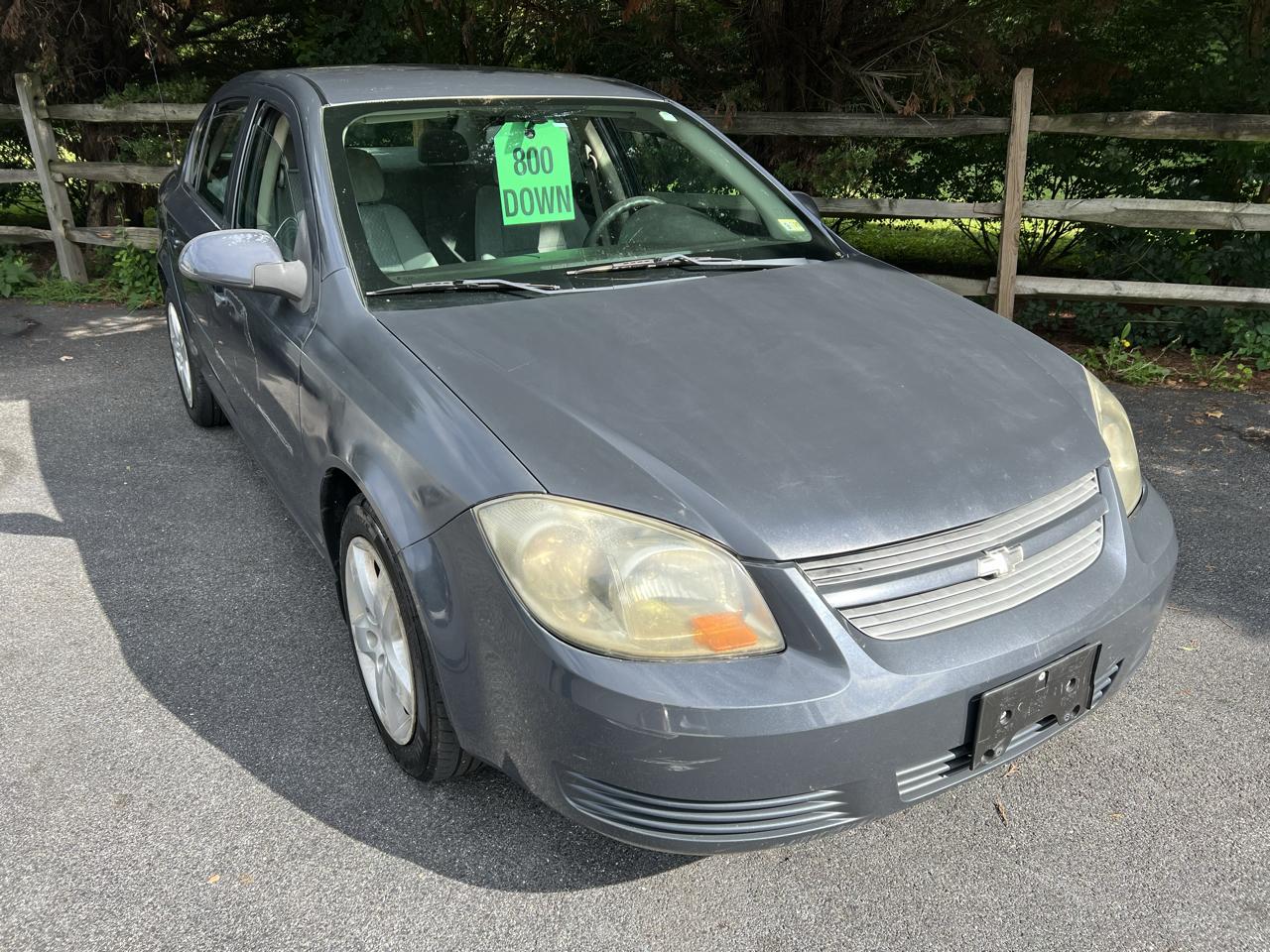
Supply is plentiful and prices are low, since the Cobalt was an inexpensive car sold in volume. Ordinary sedans turn up with a wide range of mileages, many as former commuter or fleet vehicles, so history and condition matter more than the odometer. Clean turbo SS coupes are more sought after and command a premium, and the best ones have avoided heavy modification and abuse. Southern-state cars again offer the cleanest bodies.

Is an import right for you?

A Cobalt suits someone who wants an affordable, easy-to-run American compact as an everyday classic, or an enthusiast after the turbocharged SS as a tuning base with a strong aftermarket. It is not a luxury or prestige car, but the SS in particular offers a lot of performance for the outlay, and the ordinary models are cheap to buy and simple to keep running.

Specs at a glance

SpecificationDetail (Cobalt SS turbo / base 2.2)
Body styles4-door sedan / 2-door coupe
GenerationSingle generation, 2005–2010
PlatformGM Delta
Length (sedan)approx. 4,585 mm
Widthapprox. 1,725 mm
Heightapprox. 1,440 mm
Wheelbase2,624 mm
Base engine2.2 L Ecotec I4, approx. 148 hp
SS engine2.0 L turbo (LNF), approx. 260 hp
Torque (SS)approx. 353 Nm
Transmission5-speed manual or 4-speed auto
DrivetrainFront-wheel drive
0–100 km/h (SS turbo)approx. 5.7 s
Kerb weightapprox. 1,250–1,360 kg
FuelPetrol
AssemblyLordstown, Ohio (US) or Ramos Arizpe (Mexico)

Common issues buyers should know

The most important issue to know about the Cobalt is the ignition-switch defect that led to a major GM recall: on affected cars the key could slip out of the run position, cutting power and disabling the airbags. Any imported example must have the recall remedy confirmed as completed. Beyond that, the electric power steering motor is a common failure and was itself subject to recall, the intermediate steering shaft can clunk, and interior trim and switchgear feel cheap and can rattle or break. The Ecotec engines are otherwise durable if serviced, though the turbo LNF in the SS rewards diligent oil changes and can suffer from high-pressure fuel pump and PCV-related issues, and heavily modified SS cars may have stressed drivetrains. Check for prior accident repair on the cheaper cars.

Differences from the European version

US Cobalts have amber-and-red US-market lighting with side marker lamps, no rear fog lamp, US headlamp aim and an mph speedometer. Emissions and OBD are US-specification. None of this is difficult to address, but each item forms part of the individual-approval work needed for German registration.

Import step by step

The route is: vehicle selection and price agreement; VIN and origin verification; secure payment through escrow; inland transport and ocean freight to a European port; customs clearance on arrival; technical inspection and individual approval (TÜV/§21) with any conversions; and German registration. USCar Trader coordinates each step for you as the intermediary.

Customs and taxes: what applies

Bottom line: what matters is the factory shown by the VIN – proven US origin unlocks 0% duty. The 19% import VAT always applies.

The two charges are separate. EU import duty can be 0% only on vehicles of provable US origin under Regulations (EU) 2026/1455 and 2026/1461, in force since 1 July 2026 for directly transported goods until 31 December 2029. The Cobalt matters here because it was built in both Lordstown, Ohio and Ramos Arizpe, Mexico: a US-plant car (VIN starting 1G) may support the 0% claim, while a Mexican-built car (VIN starting 3G) would not, so the rate depends on the actual plant shown by the VIN. It is never automatic or guaranteed. Entirely separately, the 19% German import VAT (Einfuhrumsatzsteuer) always applies. We state both clearly and add no margin.

Modifications and single-vehicle approval

Typical changes are adding or enabling a rear fog lamp, adjusting or replacing headlamps for the European beam, ensuring compliant side indicators, and fitting or reading a km/h speedometer. The odometer is checked for plausibility, and the emissions setup is assessed. After individual approval, standard German registration follows.

What to verify before buying

Before buying, confirm: the VIN matches the title and its country code shows the build plant; the ignition-switch and power-steering recalls have been completed; a Carfax or AutoCheck report is free of salvage, flood and odometer flags; the title is clean rather than rebuilt; on an SS, the car is unmodified or sensibly modified with records; the engine and turbo show healthy oil and no smoke; and the electric power steering works correctly.

Common questions

Can I still import a used Chevrolet Cobalt?

Yes. As a used vehicle it can be imported, cleared and individually approved for German registration through USCar Trader as your broker.

Does the Cobalt qualify for 0% EU import duty?

Only if it is a US-built car with provable US origin from the VIN and plant. Mexican-built cars do not qualify, and either way the 19% German import VAT always applies.

What about the ignition-switch recall?

It is a serious safety recall, and you should confirm the remedy has been carried out on any car you import before it is registered.

Is the Cobalt SS worth importing?

For enthusiasts, yes: the turbocharged SS is quick, engaging and well supported by the aftermarket, making it the standout version of the range.

What are the common problems?

The ignition switch and electric power steering are the headline issues, alongside cheap interior trim; the Ecotec engines are otherwise durable when serviced.

What TÜV changes are needed?

Rear fog lamp, headlamp adjustment, compliant indicators and a km/h speedometer are the usual items for individual approval.

Manual or automatic?

The 5-speed manual suits the SS and enthusiast use; the 4-speed automatic is fine for relaxed everyday driving in the standard cars.

See more in the Chevrolet in the Carhub, compare the successor Chevrolet Cruze and the smaller Chevrolet Sonic, step up to the Chevrolet Malibu, or browse the current Cobalt listings.