Chevrolet Camaro
Importing a used Chevrolet Camaro from the USA
The Chevrolet Camaro is one of the great American muscle cars, and the modern sixth generation is genuinely world-class — sharp, quick and, in V8 form, thunderous. With Chevrolet ending Camaro production, values have stabilised and the used market is deep, which makes now a sensible time to import a used Chevrolet Camaro from the USA. These cars are built in Michigan, so the origin story is straightforward, and a coupe's compact size makes it far easier to live with on European roads than a full-size American truck.

Generations at a glance
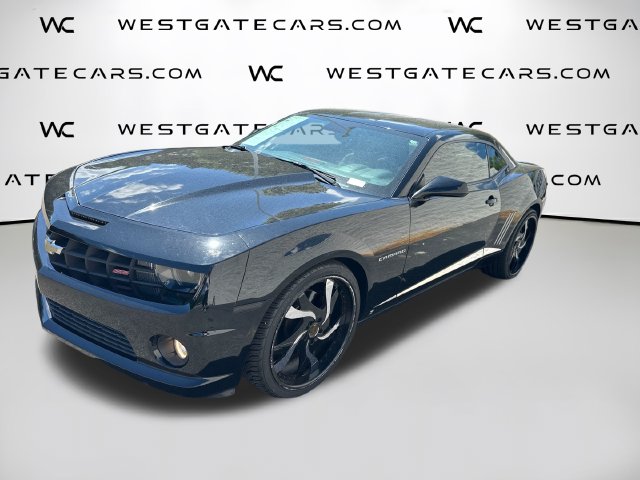
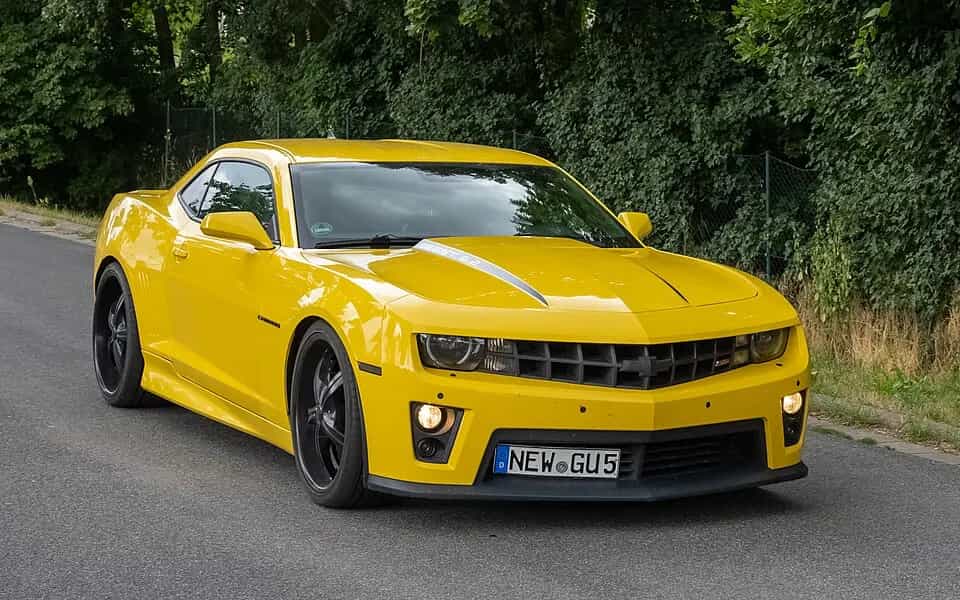
Two generations dominate the import market. The fifth generation (2010–2015) revived the retro-muscle look on GM's Zeta platform, offering a 3.6-litre V6 and the 6.2-litre V8, plus the supercharged ZL1 (~580 hp) and the track-focused Z/28 with the 7.0-litre LS7. The sixth generation (2016–2024) moved to GM's lighter, stiffer Alpha platform shared with the Cadillac ATS/CTS, transforming handling. It brought a 2.0-litre turbo four, a revised 3.6 V6, the 6.2 LT1 V8 in the SS, and the supercharged 6.2 LT4 in the ZL1 (~650 hp). The 1LE track packages across trims are especially prized by driving enthusiasts.
Powertrain lineup
On the sixth generation, the entry 2.0-litre turbo four makes ~275 hp and is surprisingly brisk. The 3.6-litre V6 (~335 hp) sits in the middle. The heart of the range is the naturally aspirated 6.2-litre LT1 V8 in the SS, producing ~455 hp and the classic small-block soundtrack. At the top, the ZL1 uses the supercharged 6.2 LT4 for ~650 hp. Transmissions include a six-speed manual, an eight-speed automatic and, on later SS and ZL1 models, a ten-speed automatic. The manual with the V8 is the enthusiast's pick.
Trims in the US market
Both coupe and convertible bodies were offered. Trims progress through LS, LT, the V8-powered SS and the flagship ZL1, with the 1LE performance package available on several to add track-tuned suspension, brakes and aero. The sixth generation's cabin is snug and visibility is famously tight, but the driving position and chassis balance are excellent.
The used market stateside
Camaros are plentiful across the US, especially SS and V6 coupes from the Sun Belt where they were popular weekend and daily cars. Typical used examples run 2016–2023 with 20,000 to 70,000 miles. Enthusiast-owned V8s often come with documented service and modest mileage; look past heavily modified examples toward clean, stock cars for the easiest import and approval.
Who should import one
The Camaro is for the driver who wants an affordable, characterful rear-drive sports coupe with real V8 muscle available and a genuine motorsport bloodline. Its compact size suits European roads, and as a discontinued model it carries collectability that a well-chosen example will hold.
Key specifications
| Body style | 2-door sports coupe / convertible |
| Generations | 5th (2010–15, Zeta), 6th (2016–24, Alpha) |
| Assembly plant | Lansing Grand River, Michigan (6th gen) |
| Base engine (6th gen) | 2.0 L turbo I4 (~275 hp) |
| Mid engine | 3.6 L V6 (~335 hp) |
| SS engine | 6.2 L LT1 V8 (~455 hp) |
| ZL1 engine | 6.2 L supercharged LT4 V8 (~650 hp) |
| Transmissions | 6-speed manual, 8-speed / 10-speed automatic |
| Drive | Rear-wheel drive |
| Performance package | 1LE (track suspension, brakes, aero) |
| 0–60 mph (SS) | ~4.0 s |
| Length (6th gen) | ~188.3 in (4,783 mm) |
| Wheelbase (6th gen) | 110.7 in (2,812 mm) |
| Fuel type | Gasoline (premium recommended on V8) |
| Production ended | 2024 (sixth generation) |
How reliable is it?
Chevrolet Camaro reliability is generally good, with the LT1 V8 among the more dependable performance engines GM has built. Known issues are mostly minor: HVAC blend-door actuators can fail and cause temperature control problems, some LT1 V8s exhibit oil consumption (check levels and history), and the tight interior can hide a worn or rattly infotainment unit. The 2.0 turbo four should be checked for consistent oil changes given its direct injection. On fifth-generation cars, watch for coolant leaks and aged suspension bushings. On any tracked example, inspect brakes, tyres and clutch wear closely.
What US models do differently
US Camaros read mph, use red rear turn signals (so a compliant rear fog lamp and lighting review are required), and have headlamps aimed for right-hand traffic. Infotainment defaults to US units. The car is otherwise mechanically identical to what GM would export, and the Alpha platform underpinnings are well understood. Some SS and ZL1 cars carry a factory dual-mode exhaust whose noise level should be confirmed against German requirements during approval.
Seven steps to your import
Find and inspect the car in the US, verify the VIN and build origin, place funds in escrow, transport it to an export port such as Los Angeles or Newark, ship by RoRo or container, clear customs at an EU port like Bremerhaven, complete a TÜV individual approval under §21 StVZO, and register locally. USCar Trader coordinates the whole process as your independent broker, never as the seller.
Customs, taxes and costs explained
In short: the 0% duty rate applies only with documented US origin (VIN/plant) – German import VAT of 19% is always due.
Keep the two levies distinct. EU import duty: under Regulations (EU) 2026/1455 and 2026/1461, in force since 1 July 2026, a vehicle of provable US origin shipped directly to the EU can qualify for a 0% rate through 31 December 2029. The sixth-generation Camaro is built at Lansing Grand River, Michigan, so its VIN typically begins with a 1, indicating US build — favourable, though never guaranteed, so the VIN must always be checked. Separately, the 19% German import VAT (Einfuhrumsatzsteuer) applies to every import without exception, calculated on customs value plus duty and freight. We never advertise duty-free import.
German TÜV and registration
Plan for European lighting compliance (rear fog lamp, headlight aim, side markers), an odometer conversion or documentation, a noise check on cars with performance exhausts, and confirmation that any aftermarket parts are approvable. After the examiner issues the individual approval, the registration office issues German plates. Stock cars sail through more easily than heavily modified ones.
The buyer checklist
Decode the VIN and confirm US assembly. Order a Carfax/AutoCheck history for accidents and title branding. Check V8 oil consumption and service records. Inspect for track use — brakes, tyres, clutch. Confirm the HVAC actuators work correctly. Verify the exhaust and any modifications are approvable. Confirm a clean, transferable title and closed recalls.
Questions and answers
Is the Camaro built in the USA?
Yes, the sixth generation is built in Lansing, Michigan. The VIN usually starts with a 1, but it must be verified for the 0% duty check.
Which Camaro should I import?
The 6.2 SS offers the best blend of performance and value; the ZL1 is the collector's choice and the turbo four the economical entry.
Does the 19% import VAT always apply?
Yes, the German Einfuhrumsatzsteuer of 19% applies on every import regardless of origin.
Are Camaros reliable?
Generally yes; watch V8 oil consumption, HVAC actuators, and service history, and inspect any tracked car carefully.
Can I import a Camaro convertible?
Yes, both coupe and convertible bodies are importable as used vehicles under the same process.
Will it pass TÜV?
Yes, after lighting adjustments, a noise check on loud exhausts, and an individual approval.
What mileage is typical?
Most used imports are 2016–2023 with 20,000–70,000 miles.
Is USCar Trader a dealer?
No. We are an independent broker and take no manufacturer margin.
Explore the full Chevrolet in the Carhub, compare it with the Chevrolet Monte Carlo, the Pontiac Firebird or the Nissan Z, and browse current Camaro listings.