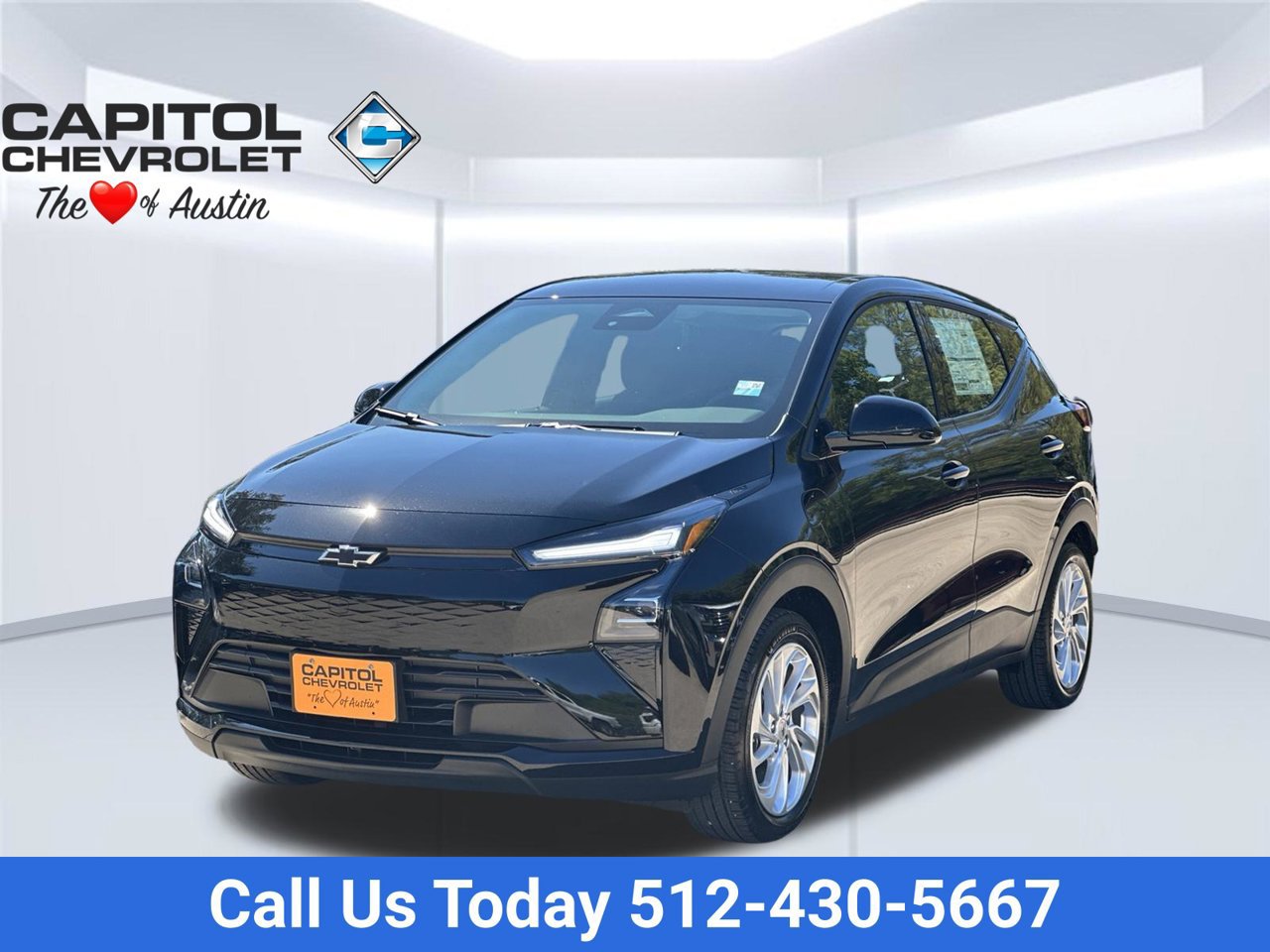
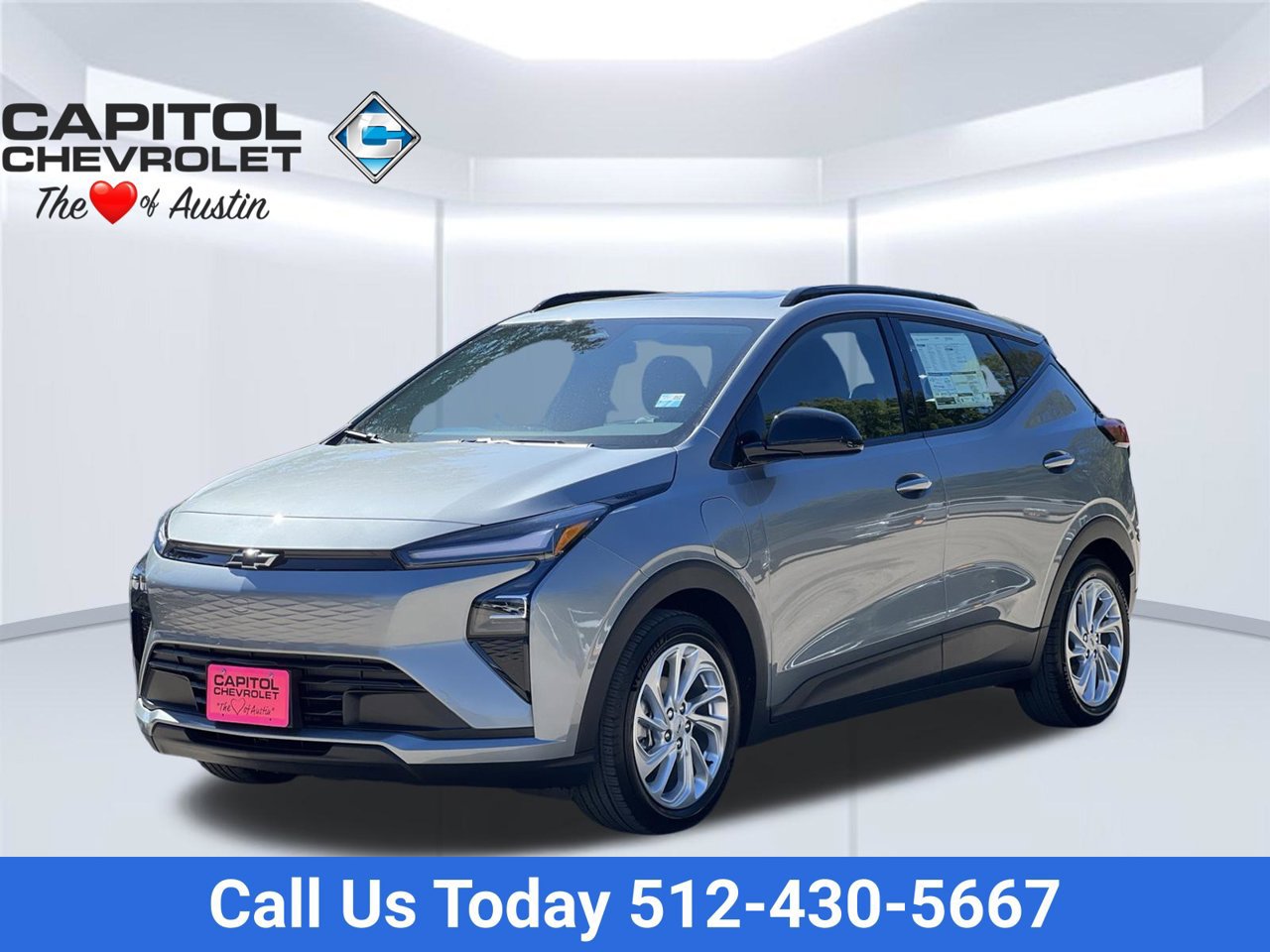
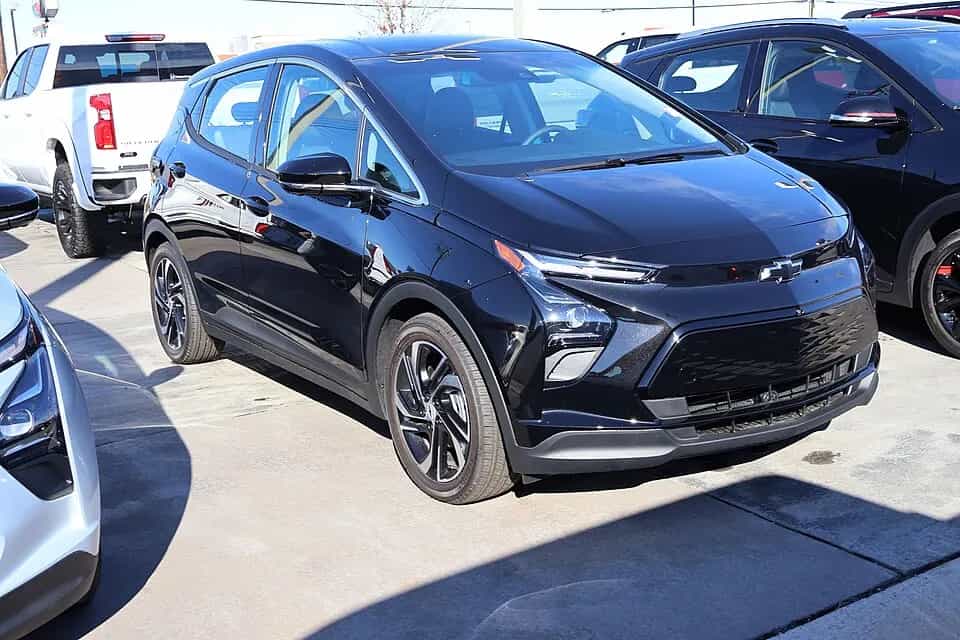
Chevrolet Bolt
Importing a used Chevrolet Bolt from the USA
The Chevrolet Bolt is a compact, front-wheel-drive electric hatchback that America built in large numbers, and it is one of the few US-origin EVs in this class that makes real sense to import. Because it was assembled in Michigan, the Bolt is exactly the kind of car where the current EU rules on US-built vehicles become relevant, provided the origin is proven from the VIN. As an independent broker for used US vehicles, USCar Trader finds the car, verifies the VIN and build origin, secures payment through escrow, handles ocean freight and manages the German customs and inspection process. Here is a detailed guide to the Bolt and its import.

Model history: years and generations
The Bolt EV arrived for the 2017 model year as a ground-up battery electric hatchback, built at GM's Orion Assembly plant in Michigan. A 2020 update lifted the usable battery and range, and 2022 brought a restyled front, a new interior and a substantial price cut. Alongside the hatchback, Chevrolet added the slightly larger Bolt EUV for 2022, riding on a longer wheelbase with more rear legroom and the option of GM's Super Cruise driver assistance. Both the EV and EUV ran through the 2023 model year, so most used US imports are 2017–2019 early cars, 2020–2021 mid cars, or the refreshed 2022–2023 examples.
Engines, transmissions and drive
Every Bolt is single-motor front-wheel drive. The permanent-magnet motor delivers 150 kW (200 hp) and 266 lb-ft of torque, giving genuinely brisk city performance. Early cars used a 60 kWh battery for an EPA range of 238 miles; the 2020 update moved to a roughly 65 kWh pack rated at 259 miles. Power flows through a single-speed reduction gear. The Bolt was designed as an efficient commuter rather than a fast charger — DC fast charging on CCS1 peaks around 55 kW, which is modest by current standards but adequate for its intended use.
Equipment lines and body styles
The Bolt EV is a five-door hatchback; the Bolt EUV is a slightly taller, longer five-door crossover-styled variant. US trims were LT and Premier for both, with the Premier adding leather, surround vision, heated seats and more driver assistance. The EUV additionally offered Super Cruise as an option. One-pedal driving and Regen on Demand paddles were standard across the range.
The US used market
The Bolt is abundant and affordable in the US used market, helped by strong fleet and retail sales. Typical import candidates are 2020 to 2023 cars with 15,000 to 60,000 miles. A key point specific to the Bolt: many 2017–2021 cars received a full high-voltage battery replacement under GM's recall campaign, which means a well-documented example can effectively have a newer pack than its build year suggests. Verifying that recall work is the single most valuable check on any used Bolt.
Is an import right for you?
The Bolt suits a buyer who wants a practical, genuinely US-built used EV for city and commuter duty at a sensible entry point, and who values the fact that its Michigan origin can support a favourable customs treatment when properly proven. It is less suited to buyers who need long-distance rapid charging, given the slow DC rate. The EUV is the pick if rear-seat space matters; the EV hatchback is the more compact, efficient choice.
Specs at a glance
| Item | Chevrolet Bolt EV / EUV (typical US examples) |
|---|---|
| Body | Five-door hatchback (EV) / crossover (EUV) |
| Model years (US) | 2017–2023 |
| Drivetrain | Front-wheel drive, single motor |
| Power | 150 kW (200 hp) |
| Torque | 266 lb-ft (360 Nm) |
| Battery (2017–2019) | 60 kWh |
| Battery (2020+) | ~65 kWh |
| EPA range | 238 mi / 259 mi |
| Transmission | Single-speed reduction gear |
| Max DC charge | ~55 kW (CCS1) |
| 0–60 mph | ~6.5 s |
| Length (EV) | ~4,145 mm |
| Assembly plant | Orion Assembly, Michigan, USA |
| Charge port (US) | CCS1 (Combo 1) |
Common issues buyers should know
The Bolt is mechanically simple and its motor and drivetrain are durable, but the defining issue is the battery recall. Certain LG-made cells in 2017–2022 cars carried a fire risk, and GM ran a large campaign that in many cases replaced entire packs and installed monitoring software. A used Bolt that has had this work completed is generally in a strong position; one where the recall is outstanding should be avoided until it is resolved. Beyond that, the 12-volt battery, the infotainment on early cars and normal wear items are the main considerations. Confirming recall completion and checking battery state of health are the essential steps.
Differences from the European version
The Bolt was never sold in Germany, so it is a genuinely unusual import here; its closest European relative was the Opel Ampera-e. Practically, US cars use the CCS1 charging inlet, so an adapter or inlet solution is required for European CCS2 and Type 2 infrastructure. American cars have mph instrumentation, US lighting with amber side markers and no rear fog lamp, and North American radio bands. All of this is handled during German type approval, but it must be planned in, and parts sourcing should be considered given the car's rarity in Europe.
Import step by step
The order is: select the car and confirm recall history; decode the VIN and verify the Michigan build origin; pay through escrow; arrange container or roll-on ocean freight to a North European port; clear customs on arrival; complete the German technical inspection and, where required, individual approval (Einzelabnahme); and register the vehicle. USCar Trader coordinates each stage and preserves the documentation chain.
Customs and taxes: what applies
Bottom line: what matters is the factory shown by the VIN – proven US origin unlocks 0% duty. The 19% import VAT always applies.
Two separate charges apply. The import duty depends on origin: the Bolt is assembled in Michigan, so with the plant and VIN evidence it can often qualify for the 0% preferential rate for provably US-built cars under EU Regulations 2026/1455 and 2026/1461, applicable to directly transported vehicles from 1 July 2026 until 31 December 2029. This is never automatic or guaranteed — the origin must be provable. Separately and in every case, the 19% German import VAT (Einfuhrumsatzsteuer) is charged on the customs value. We state both figures individually.
Modifications and single-vehicle approval
Typical work for German approval includes fitting or activating a rear fog lamp, adapting the headlights to the European beam pattern, and confirming the speedometer reads in km/h. The odometer and cluster must display correctly for registration. Once the technical report and any required individual approval are issued, registration proceeds normally.
What to verify before buying
Before buying, verify: the VIN and Michigan build origin for customs; a Carfax or AutoCheck report for accidents and title brands; the battery recall status and whether the pack was replaced; the high-voltage battery state of health; the underbody for corrosion on northern cars; the 12-volt system and infotainment; and that the title is clean rather than salvage or rebuilt.
Common questions
Can I import a used Chevrolet Bolt from the USA?
Yes. It is a used passenger EV and imports through the standard customs, TUEV and registration route.
Does the Bolt qualify for 0% EU import duty?
It can, because it is built in Michigan, but only when US origin is proven from the VIN and plant. It is never guaranteed, and the 19% import VAT always applies.
What about the battery recall?
Many 2017–2021 cars had packs replaced under GM's recall. Confirming that work is completed is essential before purchase.
Will it charge in Germany?
US Bolts use CCS1, so an adapter or inlet solution is needed for European CCS2/Type 2 infrastructure, and DC charging is relatively slow.
Was the Bolt sold in Europe?
No. It is rare here, so parts sourcing is worth planning; the Opel Ampera-e was its closest relative.
How long does the import take?
Usually several weeks from purchase to registration, mostly determined by shipping and inspection scheduling.
Should I avoid salvage titles?
Yes. Clean titles are strongly preferred for customs valuation and German approval.
See the wider Chevrolet in the Carhub, compare related electric models such as the Chevrolet Bolt EUV, the Chevrolet Equinox EV or the Chevrolet Volt, and browse our current Chevrolet Bolt listings.