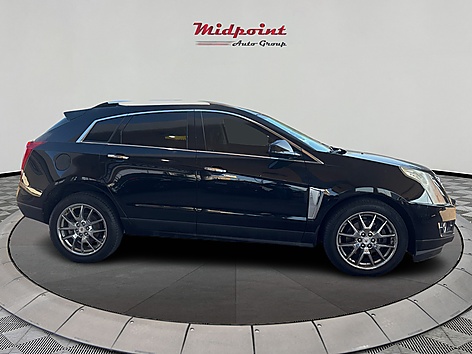
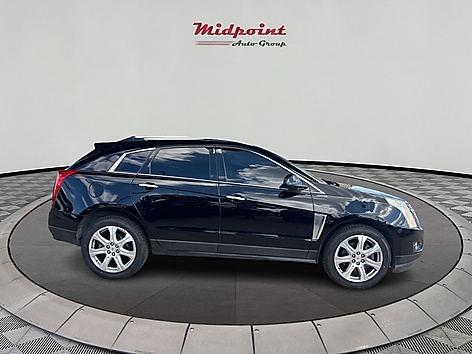
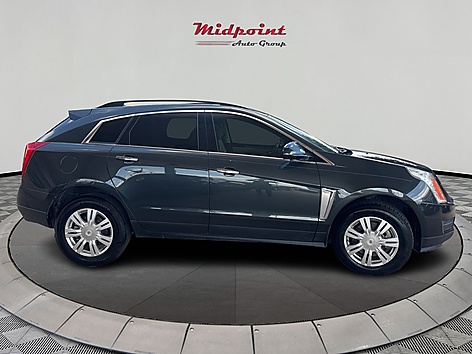
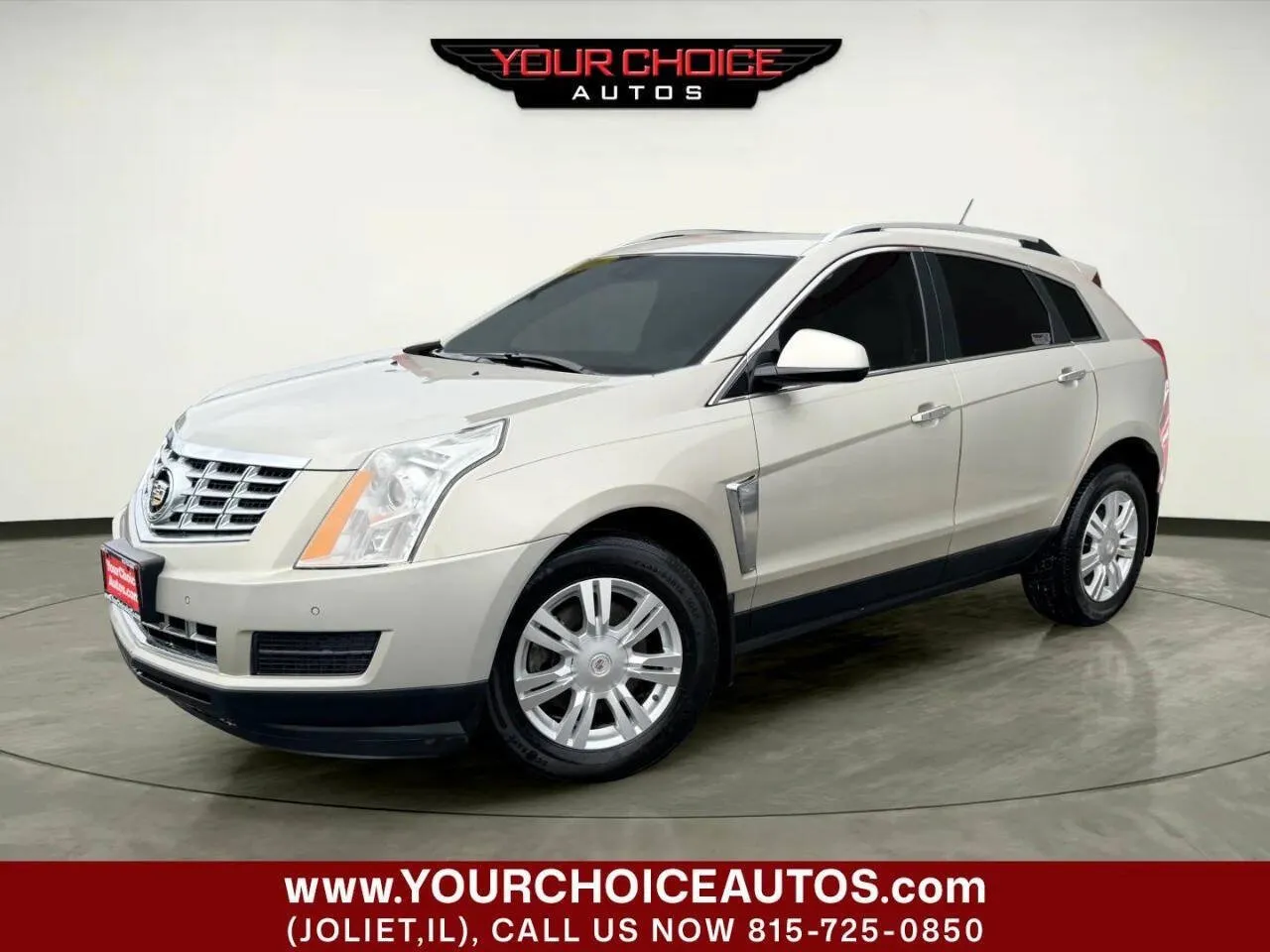
Cadillac SRX
Importing a used Cadillac SRX from the USA
The Cadillac SRX is a mid-size luxury crossover that Americans bought in large numbers, which is precisely why it makes a sensible import today. It offers a lot of space, a comfortable ride and genuine American road presence for far less than the German mid-size SUVs it competed against. USCar Trader is an independent broker: we help private buyers in Germany and the EU find, verify and import a used Cadillac SRX from the USA. We hold no stock and add no dealer margin — you choose the car, we handle the machinery of getting it here legally.

Model history and generations
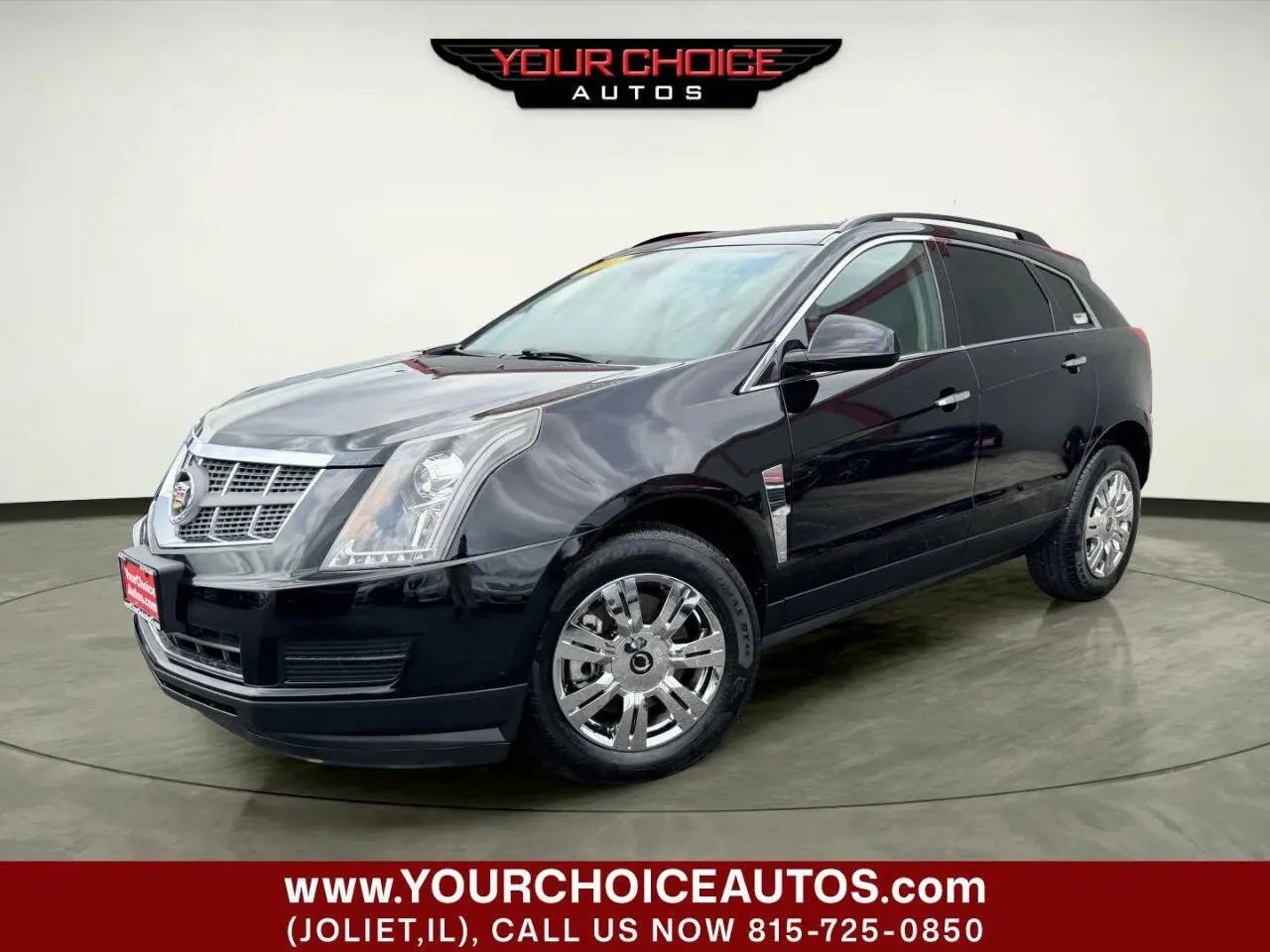
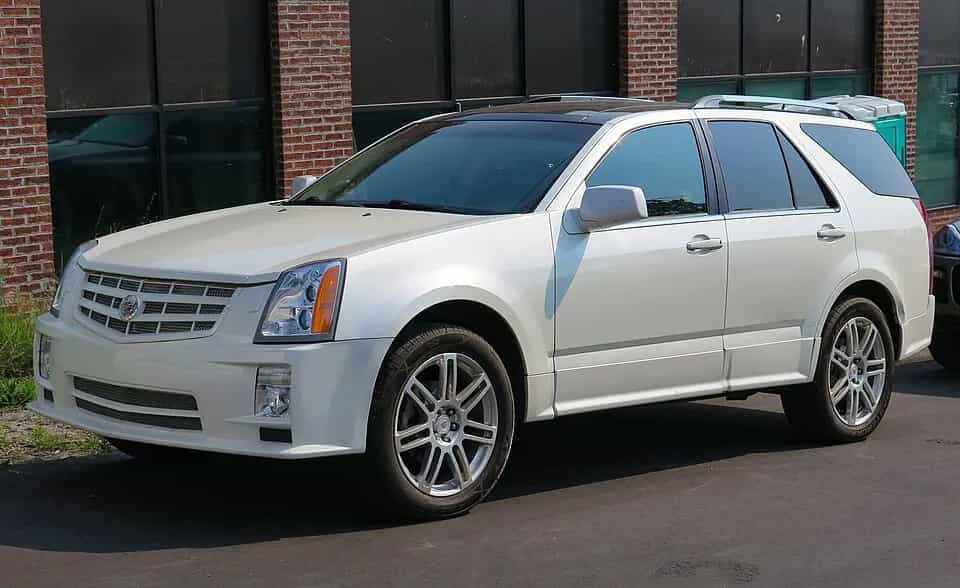
There were two distinct SRX generations. The first (2004–2009) was a rear- or all-wheel-drive wagon-like SUV built on Cadillac's Sigma platform, offered with V6 and V8 power and even a third-row seat. The second generation (2010–2016) is the one most relevant to importers: a front-drive-based crossover on GM's Theta platform, sharing engineering with the Saab 9-4X. It was restyled inside and given a cleaner, more efficient powertrain in 2012. When people search for a used SRX today, they are almost always looking at this 2010–2016 car.
Engines and drivetrain
The second-generation SRX launched with a 3.0-litre V6 and, for 2012, standardised on the excellent 3.6-litre LFX direct-injection V6 producing around 308 hp. That engine drives through a six-speed automatic, with front-wheel drive standard and a Haldex-type all-wheel-drive system optional — worth seeking out for German conditions. The first-generation cars offered the 3.6 V6 and a 4.6 Northstar V8, but they are older, thirstier and rarer on the export market.
Which trim makes sense
The SRX is a five-seat, five-door crossover. American trim levels ran from base through Luxury, Performance and Premium. Higher trims added the panoramic sunroof, ventilated leather seats, Bose surround audio, navigation and adaptive forward lighting. Because Cadillac loaded most examples generously, you rarely have to hunt for equipment; the challenge is finding the specific colour and an all-wheel-drive car in good order.
Supply on the US market
Availability is broad and prices in America are modest, since the SRX was a mainstream luxury seller. Typical export candidates are 2012–2016 3.6 cars with 60,000 to 120,000 miles. Southern and western states supply clean, rust-free examples with intact leather and working electronics. Carfax and AutoCheck reports are easy to obtain, so ownership count, accident history and service records can be confirmed before purchase. Condition varies with maintenance more than age; a well-kept high-mileage car often beats a neglected low-mileage one.
Who benefits from importing
The SRX suits a buyer who wants a comfortable, distinctive luxury crossover and is relaxed about running an American V6. It is ideal for families who value space and ride comfort over sharp handling, and for anyone who likes the idea of a Cadillac on German plates without the price of a fresh European SUV. It is less suitable if you need low fuel bills or a car that any corner garage can service blindfolded — parts and specialist knowledge take a little more effort here.
Technical data
| Specification | Cadillac SRX (2012–2016, 3.6 LFX) |
|---|---|
| Body style | 5-door, 5-seat crossover SUV |
| Engine | 3.6-litre V6 direct injection (LFX) |
| Power | approx. 308 hp |
| Torque | approx. 361 Nm |
| Transmission | 6-speed automatic |
| Drivetrain | Front-wheel drive, optional all-wheel drive |
| 0–100 km/h | approx. 8.0 s |
| Top speed | approx. 200 km/h |
| Fuel | Petrol |
| Length | approx. 4,840 mm |
| Width | approx. 1,910 mm |
| Kerb weight | approx. 1,950–2,050 kg |
| Seats | 5 |
| Typical US mileage | 60,000–120,000 miles |
| Common US trims | Luxury, Performance, Premium |
Known weak points and maintenance
The 3.6 LFX V6 is a durable engine, but it shares the family's known issues: timing chain wear on higher-mileage or poorly serviced examples, carbon buildup on the direct-injection intake valves, and occasional water-pump failures. On the SRX specifically, owners report power-liftgate faults, HID headlight ballast failures, and the usual infotainment quirks of the era's CUE-adjacent systems. The panoramic sunroof drains should be kept clear to avoid water ingress. The six-speed automatic is generally robust with regular fluid service. Buy on documented maintenance and these cars are dependable long-term ownership; skip the service history and you inherit someone else's deferred bills.
US and EU spec compared
US SRXs have MPH instruments, North American lighting logic, SiriusXM radio and US navigation data. Some driver-assist and lighting features are calibrated for American regulations. These differences are normal for imports and are resolved during the approval process rather than being obstacles to it.
The import process in detail
The path is straightforward: you select a car and we shortlist to your spec; we run a VIN and plant-origin check together with Carfax/AutoCheck; your funds sit in escrow until the vehicle is secured; the SRX is loaded onto ocean freight to a European port; customs clearance takes place on arrival; the car passes TUEV and individual approval (Einzelabnahme); and you register it in Germany. We manage the logistics and keep you updated at each handover.
What customs clearance really costs
Key point: duty depends on the plant of build; only a VIN check secures the 0% rate. Import VAT of 19% applies regardless.
Duty depends on the actual build plant, which the VIN reveals. The second-generation SRX was assembled in the United States (Lake Orion, Michigan), so with provable US origin it may qualify for the 0% duty rate under Regulations (EU) 2026/1455 and 2026/1461, applicable to directly transported US-origin cars from 1 July 2026 until 31 December 2029. We never promise this in advance — the plant check confirms it. Regardless of the duty outcome, the 19% German import VAT (Einfuhrumsatzsteuer) is charged separately and always applies. There is no margin in anything we quote.
TUEV, modifications and registration
Standard approval work includes adding or activating a rear fog lamp, adjusting the headlights for right-hand traffic (HID units may need attention), and converting the odometer to kilometres. Once these European essentials are handled, the SRX passes inspection without unusual difficulty.
Check before you buy
Before committing to an SRX we check: the VIN and build plant for origin; the Carfax or AutoCheck report for accidents and branding; the title status (clean vs. salvage); rust on the underbody and subframe, mainly on northern cars; documented timing-chain and fluid service on the 3.6; correct operation of the power liftgate, sunroof and HID lighting; and a consistent mileage record.
Common questions
Which SRX generation should I import?
The 2012–2016 3.6 LFX crossover is the most practical choice, with the best engine and the widest US supply.
Can the Cadillac SRX qualify for 0% import duty?
Possibly. It was US-built in Michigan, so with provable US origin from the VIN it may qualify; the plant check decides each case.
Is the 19% import VAT always due?
Yes. The 19% German Einfuhrumsatzsteuer applies to the customs value in every case and is separate from any duty.
Is the SRX all-wheel drive?
Front-wheel drive is standard, with all-wheel drive available. AWD examples are worth seeking for German weather.
Are parts available in Germany?
Yes, though some parts are specialist orders. GM V6 mechanicals are well understood and serviceable.
Will the SRX pass TUEV?
Yes, after a rear fog lamp, headlight adjustment and odometer conversion it clears individual approval routinely.
Do you add a dealer markup?
No. USCar Trader is an independent broker with no stock and no margin on the vehicle.
Browse the full Cadillac in the Carhub, compare the newer Cadillac XT5 and larger Cadillac XT6, or look at the flagship Cadillac Escalade ESV. When ready, view the current SRX listings.