Cadillac DTS
Importing a used Cadillac DTS from the USA
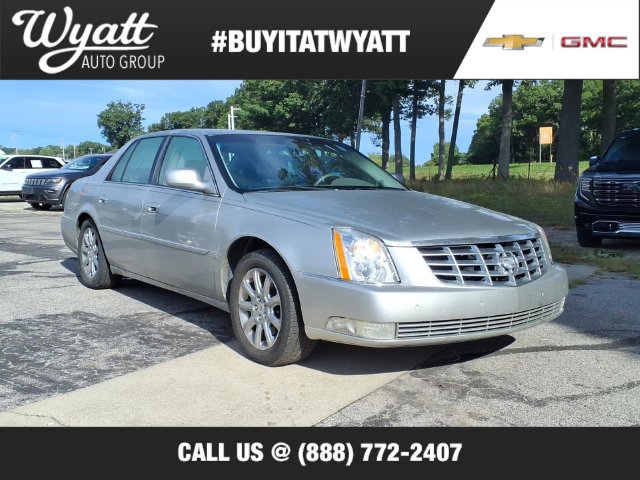
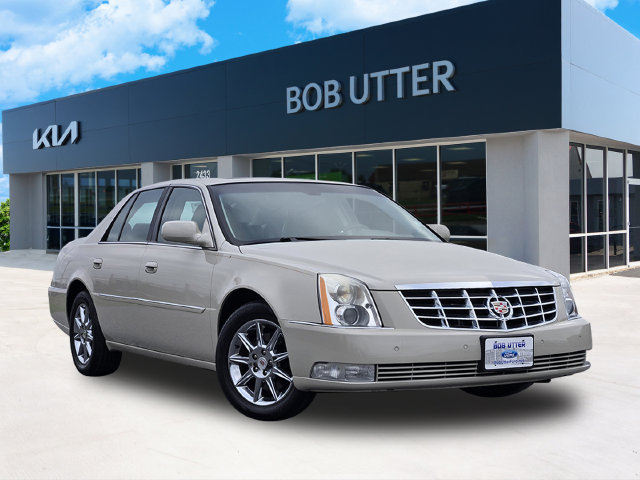
The Cadillac DTS is old-school American luxury in its purest form: a big, quiet, front-drive sedan with a smooth V8, a soft ride and a cabin sized for six. It was never sold new in Germany, so every DTS here is an import, and the American used market is where they live in numbers. USCar Trader acts as an independent broker for used US cars and helps EU buyers find a clean, honest DTS. What follows is a detailed, realistic guide to the car and the import.

Model history and generations
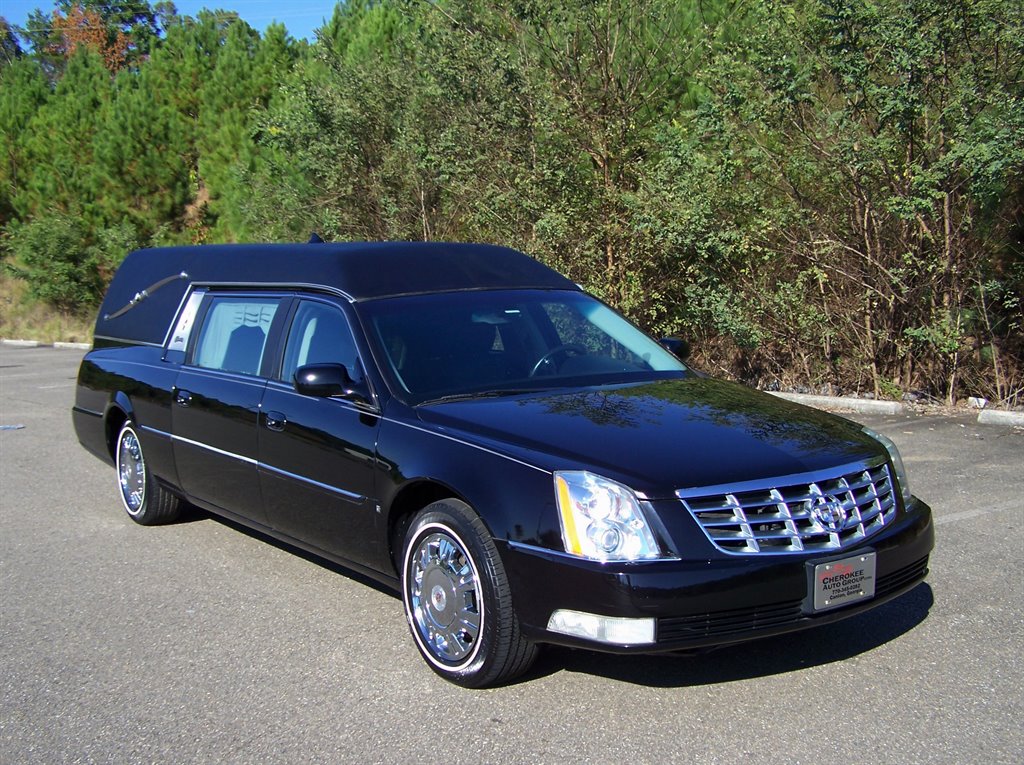
The DTS ran from the 2006 model year to 2011 as the successor to the DeVille — in fact the name derives from the old "DeVille Touring Sedan" badge. It was the last of the traditional big front-drive Cadillacs before the XTS took over, and it shared its basic platform lineage with the long-lived Cadillac full-size sedans. Because it changed relatively little over its run, a 2006 and a 2011 car are mechanically close, which simplifies buying. It sold heavily to private luxury buyers and to the livery and funeral trade, so both pampered personal cars and high-mile fleet cars exist.
Engines and drivetrain
Every DTS uses the Northstar 4.6-litre DOHC V8. In base tune it makes around 275 hp; the high-output version fitted to Performance and Platinum cars produces roughly 292 hp. Drive goes to the front wheels through a 4T80-E four-speed automatic. This is not a sporting powertrain — it is tuned for effortless, silent cruising — but the Northstar V8 gives the DTS genuine, quiet pace and a distinctly American character that four-cylinder European luxury cars cannot replicate.
Which trim makes sense
The DTS came only as a four-door full-size sedan. Trim levels ran through Luxury I/II/III, the sportier Performance, and the top Platinum. A front bench seat was available on some trims, giving true six-passenger capacity — a rarity that appeals to buyers who want a genuine American limousine feel. Higher trims added Magnetic Ride Control adaptive dampers, heated and cooled seats, wood trim and premium Bose audio.
Supply on the US market
DTS supply is steady and varied. You will find low-mileage, one-owner personal cars kept in garages alongside high-mileage former livery cars — the history report matters enormously here. Cars from the south and west avoid the road salt that attacks northern examples. Because so many were bought by older, careful owners, exceptionally clean low-mile DTS sedans still surface regularly. Target dry-state cars and read the service and title records closely.
Who benefits from importing
The DTS is for a buyer who wants relaxed, wafting comfort and a real V8 rather than sharp handling. If your idea of luxury is a hushed cabin, a supple ride and six seats, importing a used DTS from the USA delivers a car that stands completely apart from anything on German roads. It also appeals to collectors of late traditional American sedans and to buyers who need genuine six-seat space.
Technical data
| Production years | 2006–2011 |
| Body style | 4-door full-size sedan |
| Layout | Front engine, FWD |
| Engine | 4.6L Northstar DOHC V8 |
| Output (base) | approx. 275 hp |
| Output (high output) | approx. 292 hp |
| Transmission | 4-speed automatic (4T80-E) |
| Torque | approx. 400 Nm |
| Length | approx. 5273 mm |
| Wheelbase | approx. 2938 mm |
| Width | approx. 1900 mm |
| Kerb weight | approx. 1900 kg |
| Fuel | Petrol |
| Suspension (Performance) | Magnetic Ride Control |
| Seats | 5 or 6 (bench) |
| Assembly | Detroit-Hamtramck, USA |
Known weak points and maintenance
The DTS is mechanically simple by luxury standards, but the Northstar V8 has a well-known reputation to address. The engine's aluminium block can suffer head-bolt thread pull, leading to head-gasket failure and coolant loss; the later DTS-era Northstars are improved over the 1990s versions, but a car that runs hot, loses coolant or shows white exhaust deserves a proper inspection and a compression or block test. Oil leaks from the valve covers and camshaft seals are common and mostly cosmetic. The 4T80-E automatic is durable if serviced. StabiliTrak and Magnetic Ride sensors can throw faults with age. Overall, buy on cooling-system health and history rather than headline mileage.
US and EU spec compared
US DTS sedans use amber side markers, US-beam headlights, MPH instruments and US-market radio and navigation. The climate and infotainment default to imperial units. None of this prevents German approval; the lighting and speedometer are simply the items an inspector will focus on.
The import process in detail
Select a specific DTS and confirm its exact trim and condition; run a VIN and plant-of-origin check plus a Carfax or AutoCheck history; agree terms and use secure escrow so funds are held until the car is verified; arrange ocean freight; clear EU customs on arrival; present the car for TÜV and, where required, individual approval under §21 StVZO; then register it in Germany. USCar Trader coordinates the whole chain as your intermediary.
What customs clearance really costs
Bottom line: what matters is the factory shown by the VIN – proven US origin unlocks 0% duty. The 19% import VAT always applies.
The DTS was assembled in Detroit-Hamtramck, Michigan, and US-built cars typically carry a VIN beginning with 1G6. That means a DTS often can demonstrate US origin, which — with proper VIN and plant proof, direct transport, and import within the window running to 31 December 2029 — may qualify for the 0 percent preferential rate under Regulations (EU) 2026/1455 and 2026/1461. This is never automatic or guaranteed: the origin must be provable for the specific car. Where US origin cannot be proven, the standard 10 percent car duty applies instead. In every case the 19 percent German import VAT (Einfuhrumsatzsteuer) applies and is calculated separately. We add no margin; you pay the car, freight, any duty and the VAT.
TÜV, modifications and registration
Typical work includes fitting a rear fog lamp, adapting the headlights to a European beam pattern, converting the amber side markers and documenting the odometer in an accepted form. Northstar and GM parts are increasingly available through specialists in Europe. Once technical approval is issued, registration proceeds normally.
Check before you buy
Confirm the VIN and that it indicates US assembly. Pull a full Carfax or AutoCheck report and check whether the car was a former livery vehicle. Inspect the cooling system and look for any sign of head-gasket trouble. Check the underbody for rust on northern cars. Verify the title status (clean vs. salvage/rebuilt). Test the Magnetic Ride, climate and electronics. Review service history for coolant and transmission maintenance.
Common questions
Is the Northstar V8 a reliable engine?
It can be, especially the later DTS-era units, but head-bolt/head-gasket issues are the known risk. Buy a car with a healthy cooling system and documented care.
Can a DTS really get 0 percent import duty?
Possibly. It is US-built, so with provable VIN and plant origin, direct transport and import in the qualifying window it may qualify. It is never guaranteed and must be proven per car.
Does the 19 percent import VAT still apply?
Yes, always. The German Einfuhrumsatzsteuer of 19 percent applies to every import and is calculated separately from any duty.
How many seats does the DTS have?
Five as standard, or six with the optional front bench — genuine American six-passenger luxury.
Are former livery DTS cars worth avoiding?
Not automatically, but they usually carry high mileage and hard use. The history report should guide the decision.
Is the DTS good on fuel?
No — it is a large V8 cruiser. It rewards relaxed driving, not economy.
Are parts available in Germany?
Increasingly yes, through US-car specialists; the Northstar and GM components are well documented.
How long does the import take?
Typically several weeks after purchase, driven mainly by shipping and customs clearance.
Discover more with our Cadillac in the Carhub, compare the Cadillac XTS, the Cadillac DeVille and the Lincoln Town Car, or browse current DTS listings.