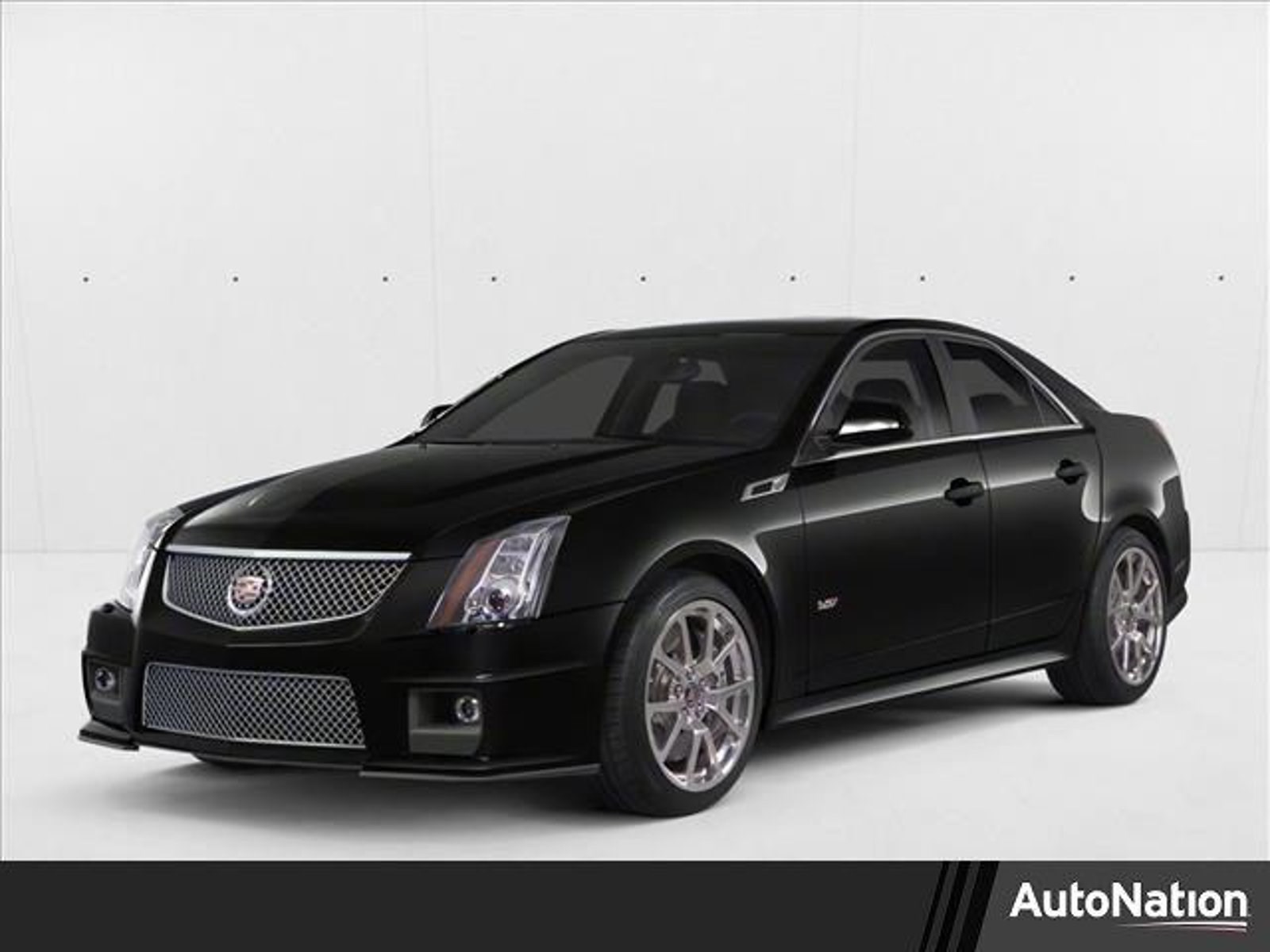
Cadillac CTS
Importing a used Cadillac CTS from the USA
The Cadillac CTS is the car that turned Cadillac back into a credible rival to the German sport sedans, and importing a used example gives European buyers access to a rear-drive American saloon with genuine engineering behind it — including the extraordinary supercharged CTS-V. Because the CTS was built at Cadillac's Lansing Grand River plant in Michigan, many cars carry documented US origin, which is directly relevant to the customs treatment. USCar Trader works as an independent broker: we locate and inspect the specific CTS you want and manage the shipment, without adding any margin to the vehicle.
Model history: years and generations
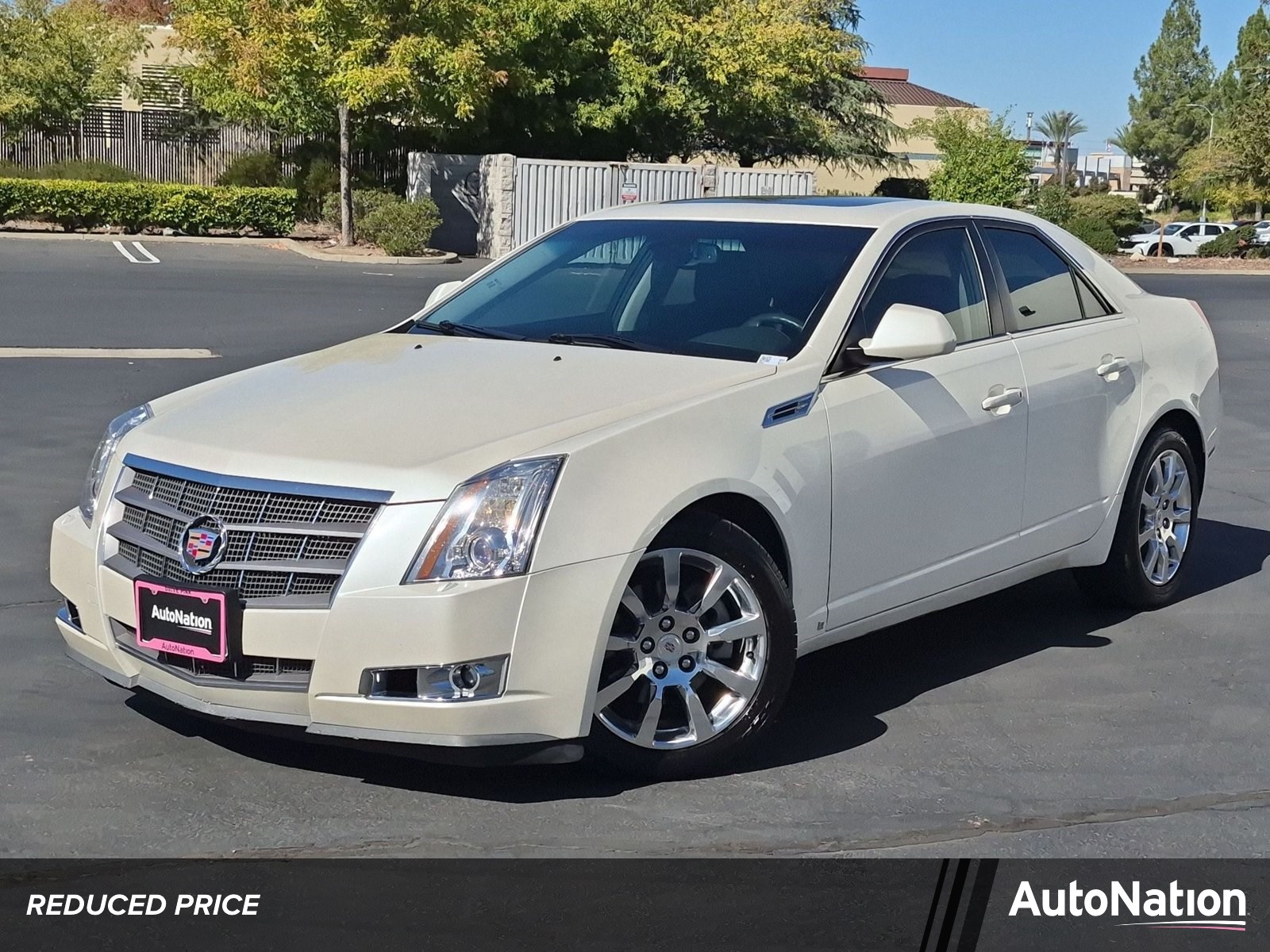
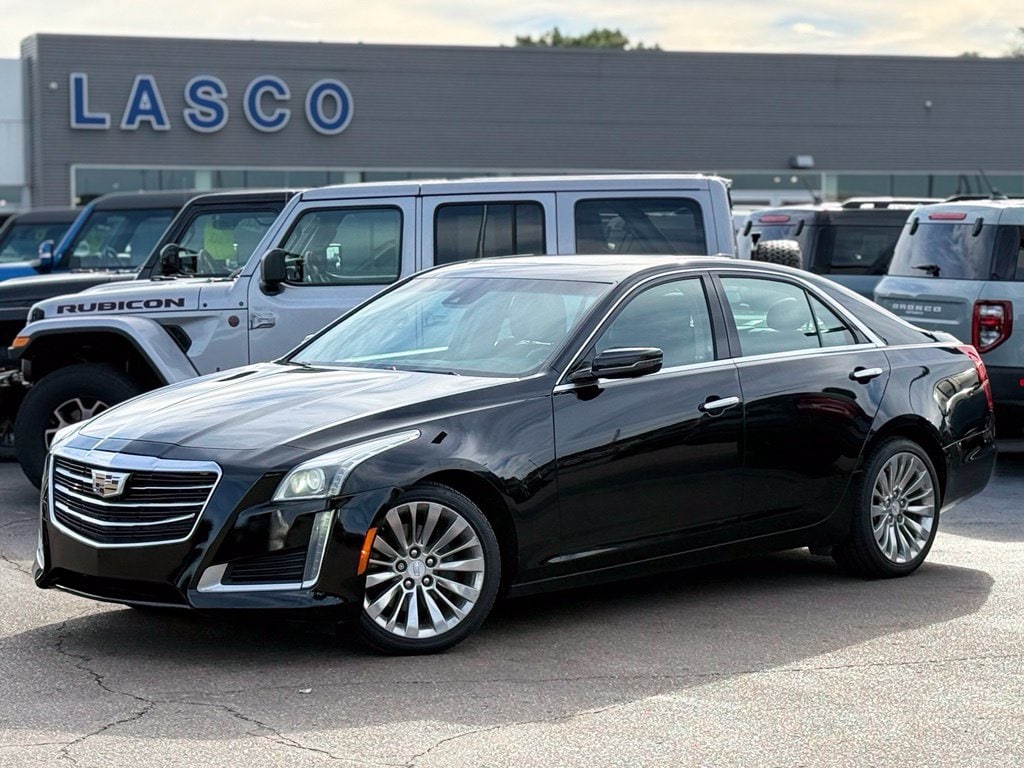
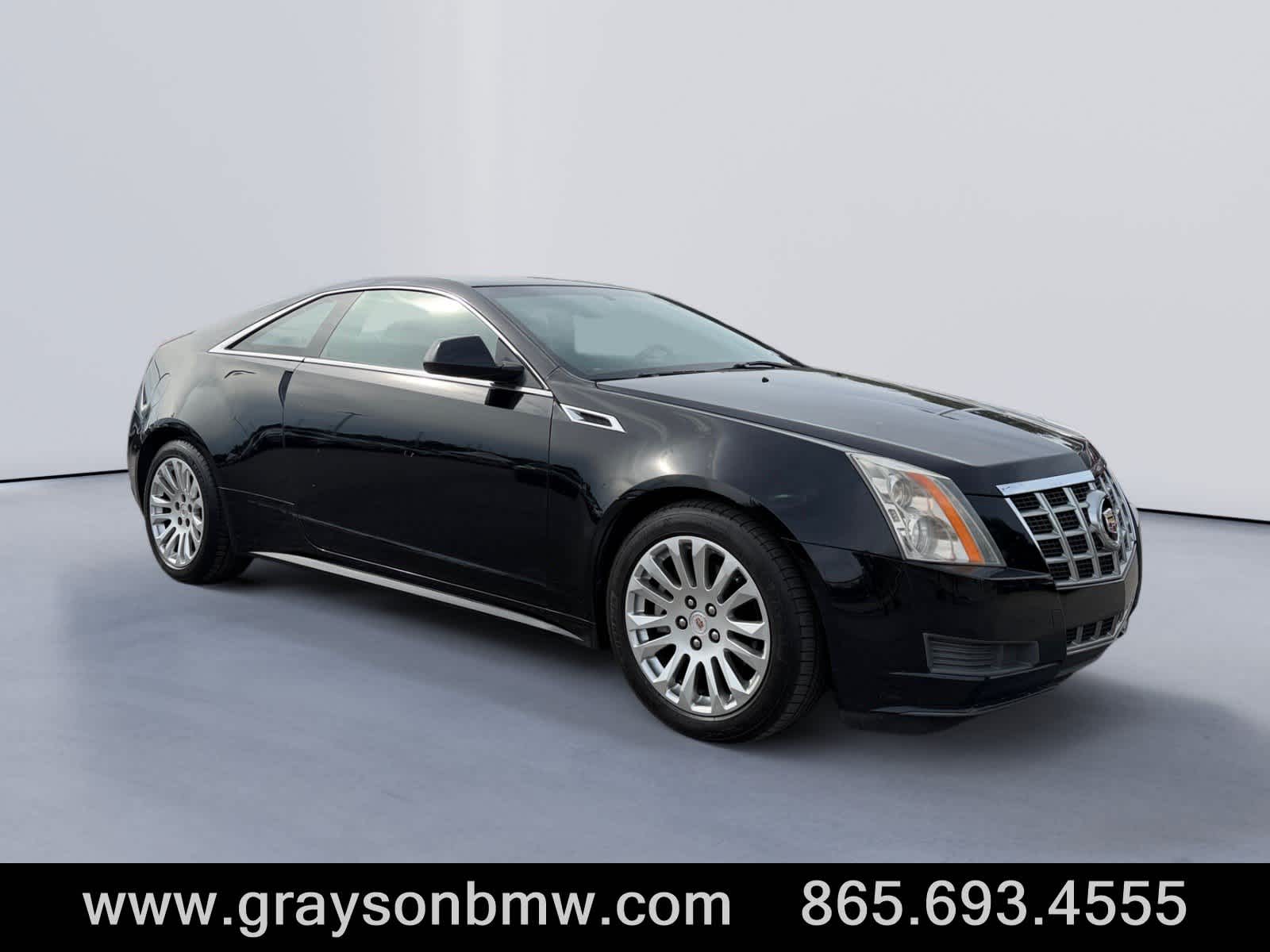
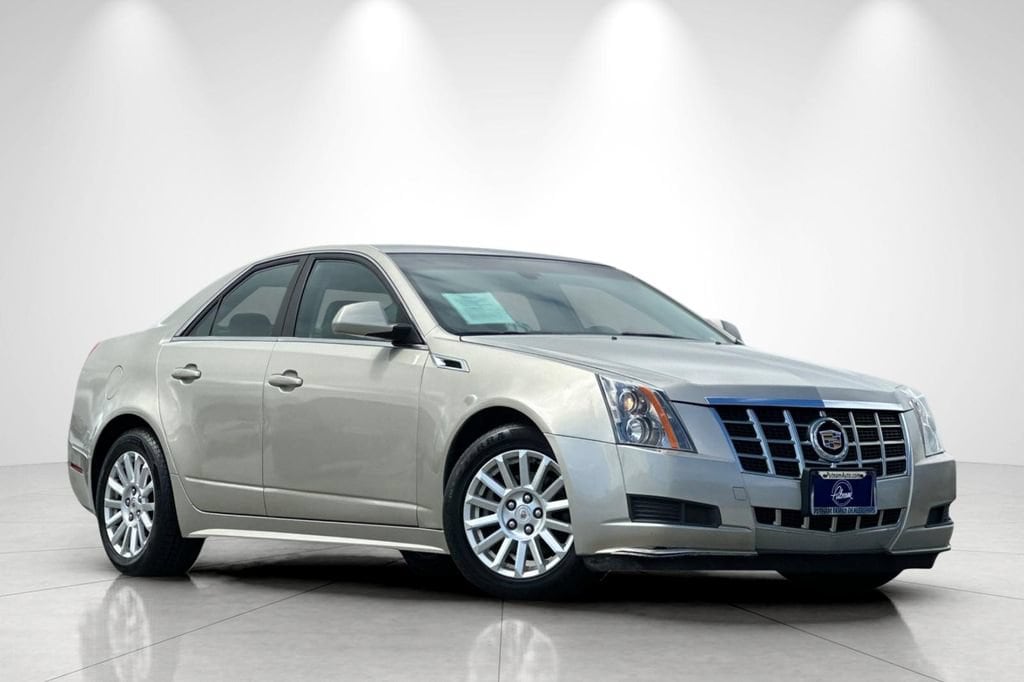
Cadillac produced three generations of CTS. The first (2003–2007) launched the sharp "Art and Science" design language on the rear-drive Sigma platform. The second generation (2008–2014) was a major step up in refinement and materials, and uniquely expanded into a Sport Wagon and a two-door Coupe alongside the saloon. The third generation (2014–2019) moved to the lighter Alpha platform, grew slightly to sit squarely in the executive class, and offered the range-topping CTS-V and the twin-turbo V-Sport. Across all three, a CTS-V halo model defined the line.
Engines, transmissions and drive
The CTS is rear-wheel drive, with all-wheel drive available on many V6 cars. First-generation engines ranged from a 2.6/2.8-litre V6 up to the 3.6-litre, while the first CTS-V used the 5.7-litre LS6 and later the 6.0-litre LS2 V8. The second generation offered 3.0 and 3.6-litre direct-injection V6s, and its CTS-V carried the supercharged 6.2-litre LSA producing 556 hp — a genuine super-saloon. The third generation added a 2.0-litre turbo four and a 3.6-litre V6, the twin-turbo 3.6 V-Sport with around 420 hp, and a CTS-V using the supercharged 6.2-litre LT4 rated at 640 hp. Transmissions were six-speed manuals on some V models and six- or eight-speed automatics elsewhere.
Equipment lines and body styles
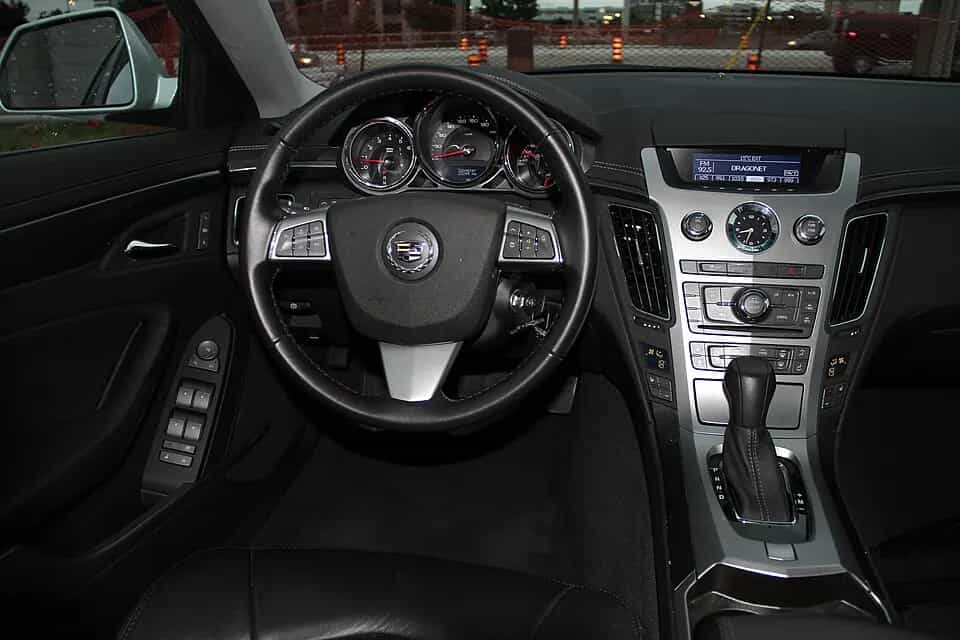
Body styles span the four-door saloon (all generations), the second-generation Sport Wagon, and the second-generation Coupe. Trim walks typically ran from base through Luxury, Performance and Premium, with the CTS-V sitting above everything. Equipment on later cars included the CUE infotainment system, magnetic ride control on sportier trims and Recaro seating on the V.
The US used market
The CTS is plentiful in the US used market, so you can be selective. Second- and third-generation V6 saloons and wagons are the value sweet spot, commonly found with 60,000–130,000 miles. CTS-V models are rarer and command a premium, especially the manual coupes and wagons that were never officially sold in Europe. Southern-state cars tend to be rust-free, which matters for a smooth German approval.
Is an import right for you?
A used CTS suits a driver who wants an American executive sedan with rear-drive balance and, in V form, supercar-baiting performance that is hard to find on the European market. The Sport Wagon and Coupe are especially appealing to buyers who want something distinctive. If you value the CTS-V's character over running-cost frugality, this is a compelling import.
Specs at a glance
| Specification | Detail (typical, by generation) |
|---|---|
| Body styles | Saloon, Sport Wagon, Coupe |
| Layout | Front engine, RWD (AWD optional) |
| Production years | 2003–2019 (three generations) |
| Base engines | 2.0 L turbo I4 / 3.0–3.6 L V6 |
| CTS-V engine (Gen 2) | 6.2 L supercharged LSA V8 |
| CTS-V output (Gen 2) | 556 hp |
| CTS-V engine (Gen 3) | 6.2 L supercharged LT4 V8, 640 hp |
| Transmission | 6-speed manual / 6- or 8-speed automatic |
| Platform | Sigma (Gen 1–2), Alpha (Gen 3) |
| Length (Gen 3) | approx. 4,965 mm |
| Wheelbase (Gen 3) | approx. 2,910 mm |
| Kerb weight | approx. 1,650–1,850 kg |
| Fuel | Petrol |
| Assembly | Lansing Grand River, Michigan (US) |
Common issues buyers should know
The CTS is generally solid, but there are recognised Cadillac CTS common problems worth checking. Direct-injection V6 engines can suffer carbon build-up on the intake valves, which shows up as rough idle and misfires; a walnut-blast cleaning is the usual remedy. The timing chains on some 3.6 V6 units have a history of stretch, signalled by a check-engine light and rattle on cold start — verify service history. The CUE touchscreen on second- and third-generation cars is known for delaminating and unresponsive screens. On the supercharged V, watch supercharger-coupler wear and heat-soak, and confirm the differential and driveshaft are healthy given the torque. Electrical gremlins, water-pump leaks and worn front suspension bushings round out the list.
Differences from the European version
US CTS cars run amber side markers, MPH clusters and headlamps set for right-hand traffic. Infotainment and navigation are US-mapped and often need updating or supplementing for Europe. Because the CTS was largely a North American model, parts and specification details differ from anything sold officially in Germany, which is where individual approval documentation becomes important.
Import step by step
The process runs: choose your CTS; we verify the VIN and confirm the build plant and origin; payment is secured in escrow; the car is loaded for ocean freight to a European port; it clears German customs on arrival; it passes a TÜV individual approval (§21 StVZO); and it is registered. USCar Trader manages each step and keeps you informed throughout.
Customs and taxes: what applies
Key point: duty depends on the plant of build; only a VIN check secures the 0% rate. Import VAT of 19% applies regardless.
Duty and VAT are separate. The customs import duty rate depends on the car's actual origin as proven by the VIN and plant code. A CTS built in Michigan with documented US origin can qualify for the 0% preferential rate under Regulations (EU) 2026/1455 and 2026/1461 for direct transport (in force since 1 July 2026, currently to 31 December 2029). We never state this as guaranteed until the VIN confirms it. Separately, the 19% German import VAT (Einfuhrumsatzsteuer) is always payable on import. USCar Trader adds no margin to the vehicle price.
Modifications and single-vehicle approval
For registration the CTS usually needs a rear fog lamp fitted, headlights corrected or swapped for right-hand traffic, and the odometer reading documented from the MPH cluster. Any lowered suspension, aftermarket wheels or exhaust modifications on a V must be certified or returned to stock for the individual approval. Emissions data is provided as part of the type-independent approval.
What to verify before buying
Confirm before buying: the full VIN and Lansing build origin; a clean Carfax or AutoCheck record with no salvage, flood or odometer flags; V6 timing-chain and, on the V, supercharger service history; underbody and subframe condition; that CUE and all electronics function; the title status; and, on a CTS-V, evidence it has not been abused on track without maintenance.
Common questions
Does a Cadillac CTS qualify for 0% import duty?
It can, because the CTS was built in Michigan and often carries US origin. We confirm the exact plant from the VIN before you commit; only documented US origin enables the 0% rate.
Do I still pay import VAT on a CTS?
Yes. The 19% German import VAT applies to every imported car regardless of origin and is charged separately from any customs duty.
Is the CTS-V worth importing?
For many buyers, yes. The supercharged V — especially the manual wagon and coupe — was barely available in Europe, so importing is often the only realistic route to one.
What is the most reliable CTS engine?
The naturally aspirated 3.6 V6 is durable if the timing chain and carbon build-up are managed; full service history is the key.
Are parts hard to get in Germany?
Mechanical parts for the GM V8 and V6 are widely available; some trim and CUE components take longer, so a complete car is preferable.
Can you source a Sport Wagon?
Yes. The second-generation Sport Wagon is a favourite import and we search the US market to your specification.
How is the odometer handled at TÜV?
An MPH cluster is accepted and the reading is documented during individual approval; no conversion of the instrument is required.
Are you the seller of the car?
No. USCar Trader is an independent broker. You purchase the vehicle directly and we handle sourcing, inspection, freight and paperwork for a transparent fee.
Browse the full range in the Cadillac in the Carhub overview, compare it with the Cadillac CT5 or the Cadillac ATS, or view current CTS listings.