 2026-10-10
 General
Commentary by USCar Trader · Research updated: 10 October 2026
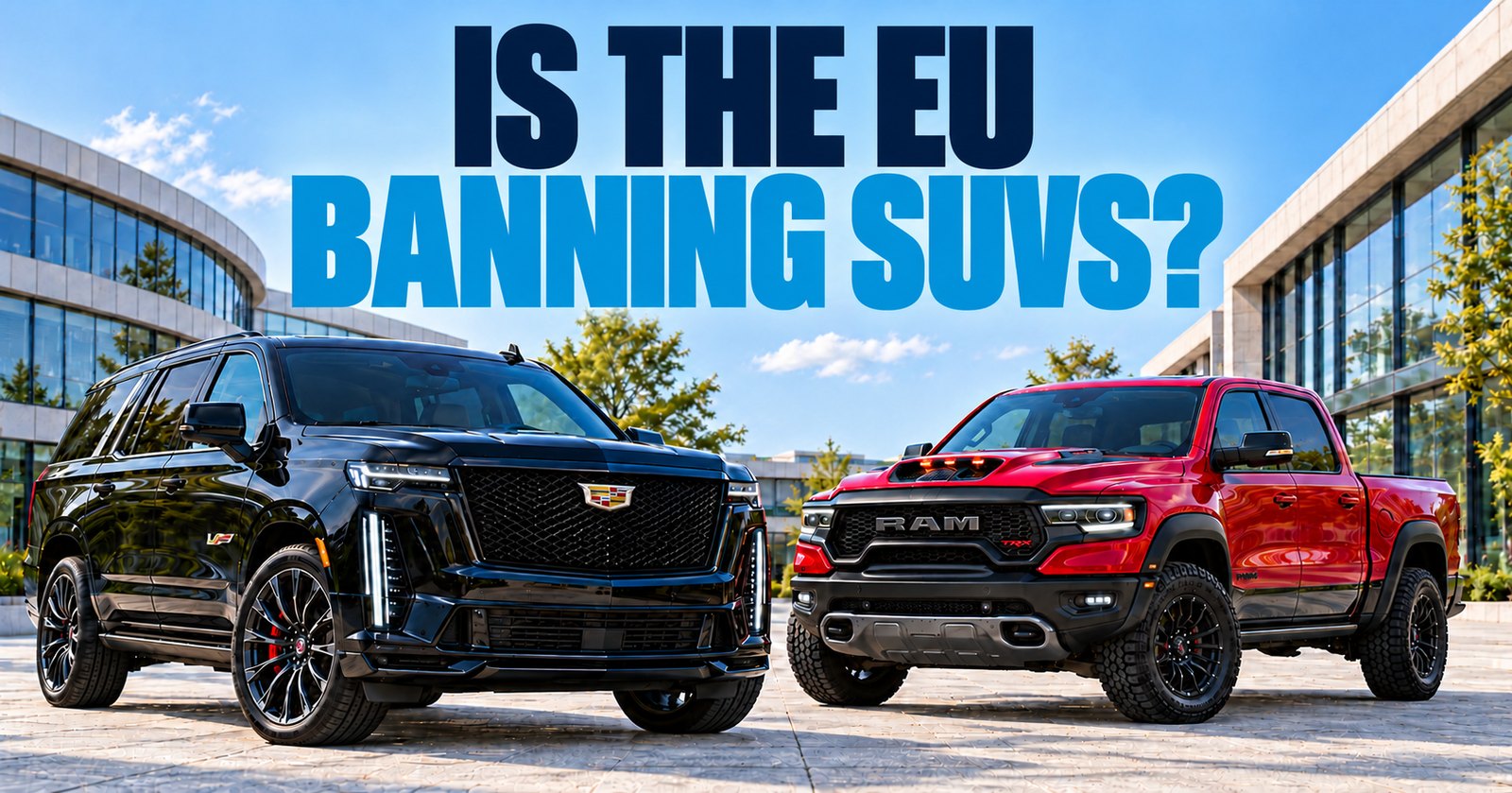
Think my pickup is too big? You are entitled to. Ugly? That too. But an approval rule needs more than your personal taste.
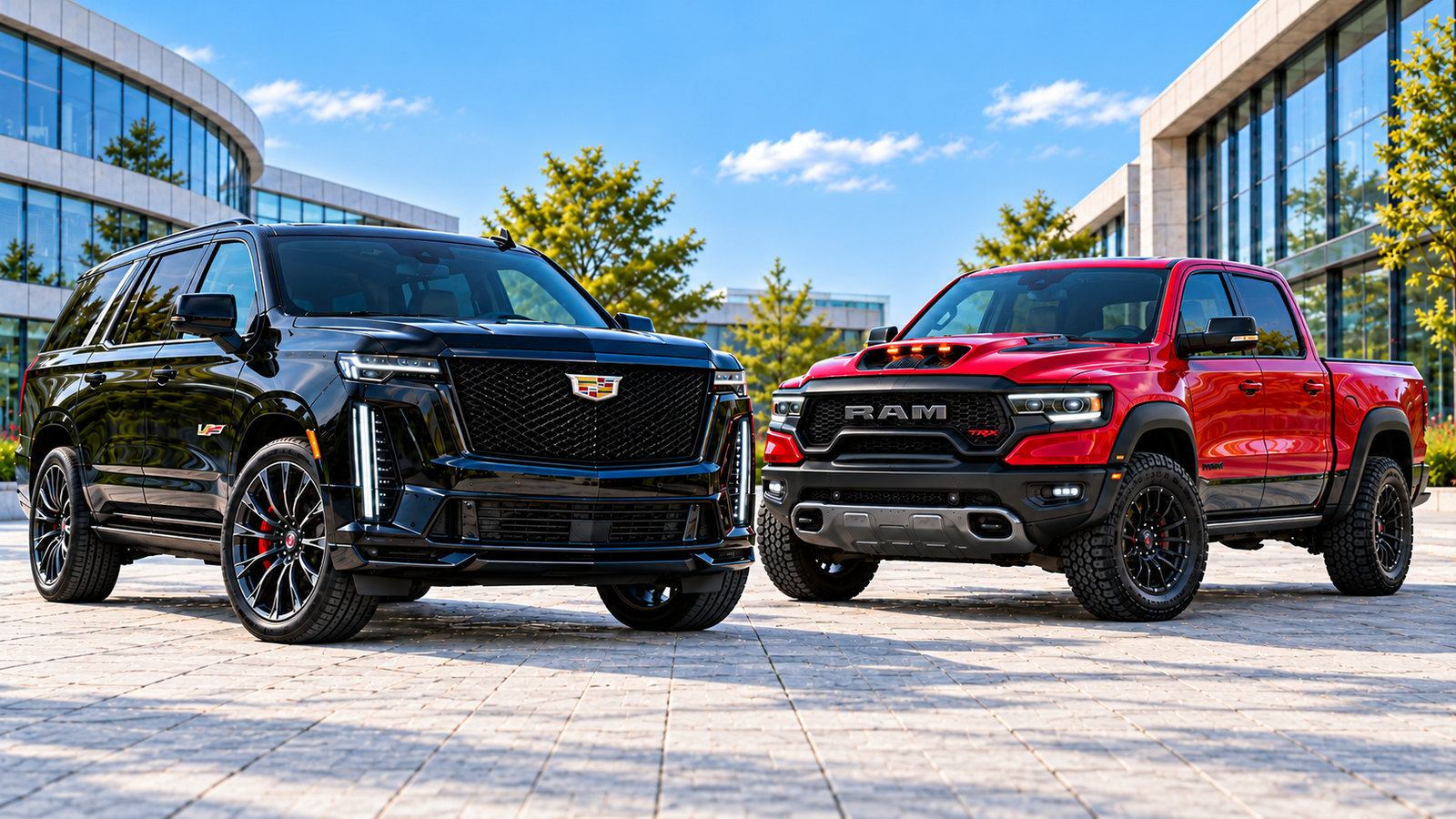
A RAM gets noticed. So does a large SUV. For some people it is their dream car; for others, a rolling nuisance. Space, fuel consumption and safety are all fair subjects for debate. We should be clear about what we are discussing: a specific risk, or the fact that someone drives a different car from the one we would buy.
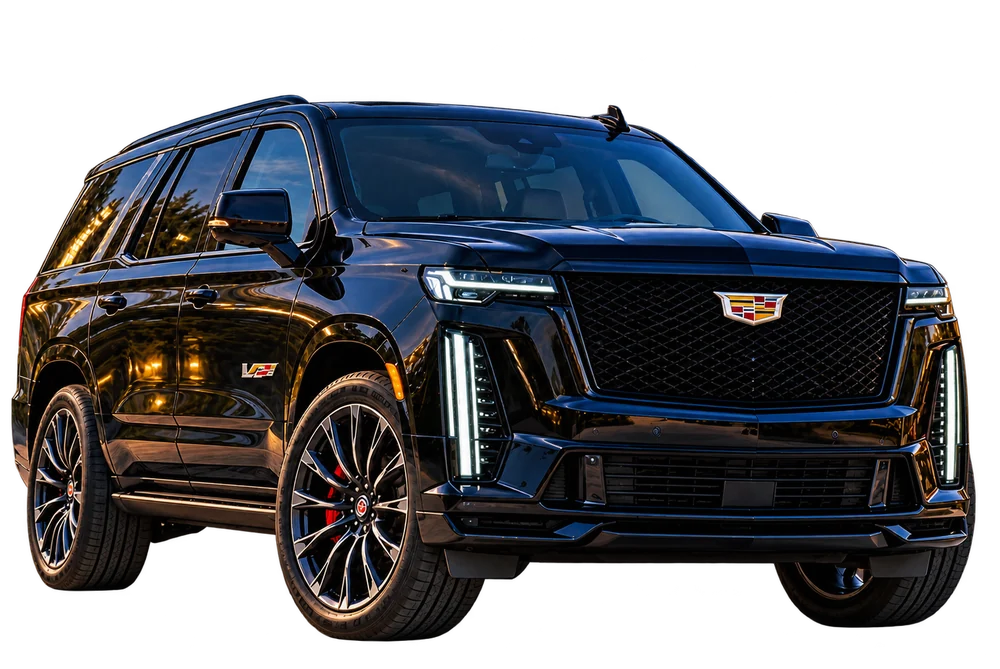
You do not have to like my pickup
Perhaps its owner tows a trailer. Perhaps they need a load bed. Perhaps they simply like the vehicle. That is also a legitimate starting point for wanting a car. It does not, of course, replace a safety assessment.
Anyone calling for stricter rules should explain what problem those rules are meant to solve. Poor visibility? Risks to pedestrians? Vehicle width? Emissions? These questions deserve technical and political answers. “I think these cars are unnecessary” answers none of them.
A number plate is not a verdict on your taste.
What is behind the debate about 2027?
On 26 June 2026, the DIN Consumer Council reported that the individual approval process was expected to be revised in 2027. An expected revision is not an adopted blanket halt to the registration of pickups and SUVs.
On 8 April 2026, the European Commission explained that it had been revising the individual approval framework since 2024. It referred to technological developments and safety issues and stated that it did not intend to block US car and truck imports.
Safety is a good argument. So let us discuss it.
People defending large vehicles should not dismiss concerns about pedestrians, visibility and space. Other road users do not have to accept risks simply because someone loves their car.
Equally, approval requirements should address characteristics that can be assessed. Our position: identify the specific risks, recognise appropriate evidence and explain whether effective technical modifications are possible. Stricter requirements also need a clear justification.
A large car gets no special rights because its owner is enthusiastic about it. But it deserves an objective assessment, even if it annoys someone else.
A rule without the word “ban” can still affect buyers
What matters to a buyer is whether their vehicle can be approved and what the required evidence and modifications will cost. If future requirements could not be met technically for a particular version, or made the process financially unviable, an import could fail.
That is a possible consequence, not a settled forecast of the announced reform. This is precisely why authorities should explain changes, accepted evidence and transitional arrangements in good time.
An existing registration is a different case
An owner of a vehicle already registered in Germany does not automatically face the same question as someone planning a new import. Under section 19(2) of Germany’s StVZO, the operating permit generally remains effective until the vehicle is permanently taken out of service, unless it is expressly withdrawn. Certain vehicle modifications can nevertheless cause the permit to expire.
This provision does not establish automatic expiry simply when 2026 becomes 2027. It is not a promise for every individual case or a guarantee against every future rule change.
Our position: assess the vehicle, not its owner’s taste
As USCar Trader, we have a commercial interest in vehicle imports. We therefore state our position openly: effective safety requirements, transparent approval procedures and fair criteria. This does not amount to a blanket approval guarantee for any model.
If you want to import a particular pickup or SUV, check its documents, technical specification and suitable approval route before buying. Our guide to conversion and TÜV approval explains the practical steps. For a specific vehicle, you can discuss the listing and your questions with us.
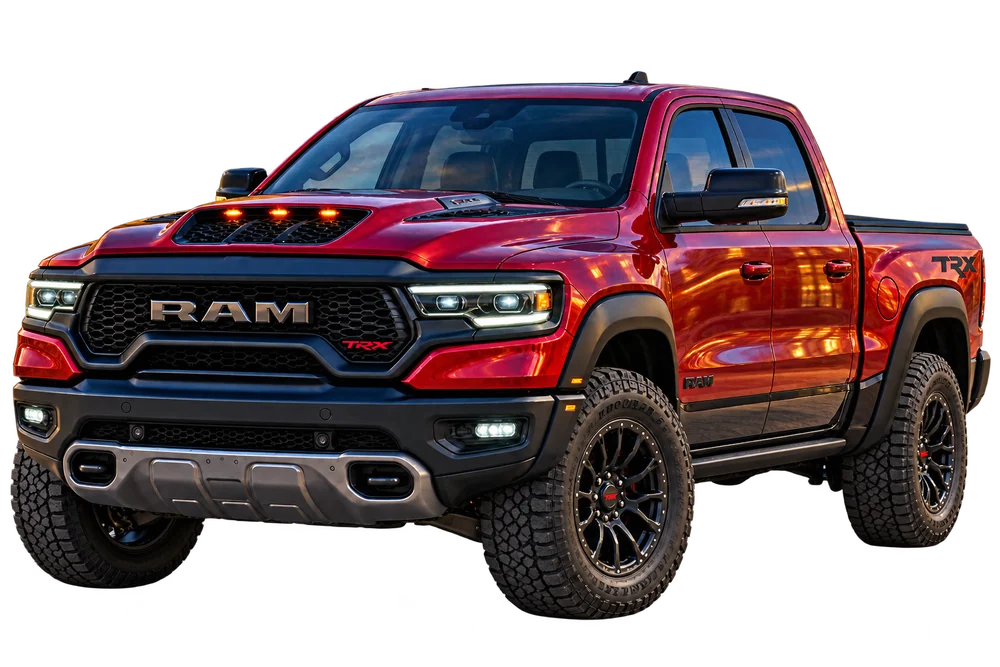
Your turn: should a large car be eligible for registration when it meets safety and environmental requirements, or should size and weight face additional limits?
Sources and context
This is a commentary. The calls for fair criteria and transparent transitions express USCar Trader’s position. Expected reform dates, adopted rules and possible effects are treated separately. The listed sources are not an exhaustive assessment of all current or future legislation.