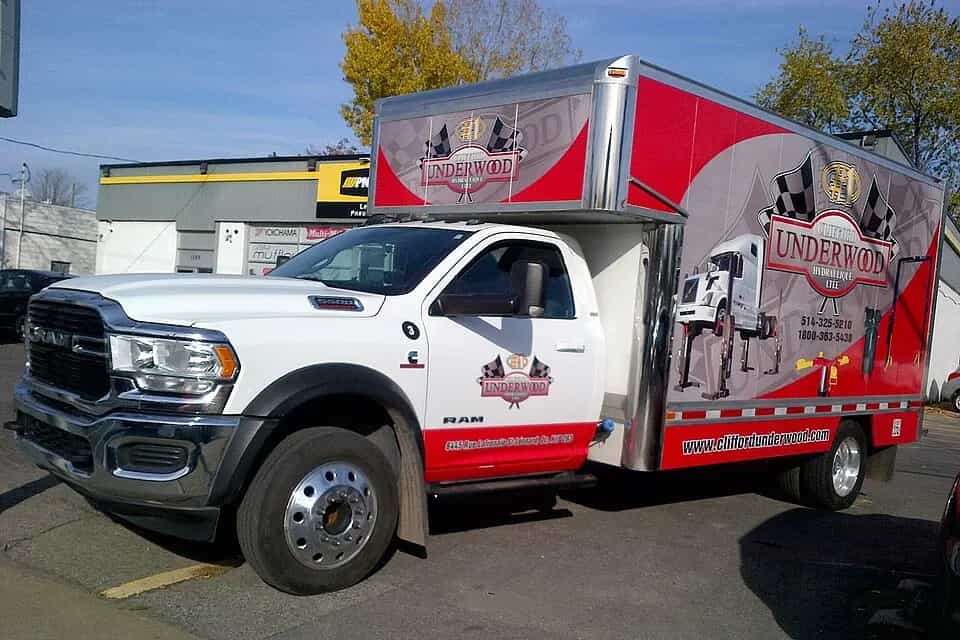
Ram Ram 5500 Chassis Cab
Importing a used RAM 5500 Chassis Cab from the USA
The RAM 5500 Chassis Cab is a Class 5 workhorse built to be finished by a body builder: dump beds, flatbeds, service bodies, wreckers, tow rigs and mobile crane platforms all start life on this frame. In the United States it is a fleet staple, which means used examples appear regularly, often with purpose-built upfits already fitted. Bringing one to Germany is a commercial-vehicle import rather than a passenger-car import, and the rules differ accordingly. USCar Trader acts as an independent broker: we locate the right truck, verify its history and specification, and manage transport and clearance without taking a margin on the vehicle itself.

Model history: years and generations
The 5500 sits at the top of RAM's chassis-cab ladder, above the 3500 and 4500. The fourth-generation trucks (roughly 2011–2018) established the modern formula, and the current generation, launched from 2019 on RAM's updated heavy-duty architecture, brought a stiffer frame, revised interior and updated Cummins calibration. Across both, the 5500 is defined by its high gross vehicle weight rating — around 19,500 lb (about 8,845 kg) — and by the long, straight frame rails behind the cab that let upfitters mount almost anything.
Engines, transmissions and drive
The signature engine is the 6.7-litre Cummins inline-six turbo-diesel, tuned in chassis-cab form for torque and durability rather than headline horsepower, typically in the region of 360 hp and up to around 800 lb-ft depending on model year and calibration. A 6.4-litre HEMI gasoline V8 of roughly 366 hp is offered for buyers who want to avoid diesel emissions hardware. Cummins trucks use a heavy-duty Aisin six-speed automatic (the AS69RC) built for high-torque commercial duty; gasoline trucks use a corresponding automatic. Both rear-wheel-drive (4x2) and four-wheel-drive (4x4) configurations exist, with a range of rear-axle ratios chosen to match the intended body and payload.
Equipment lines and body styles
Chassis cabs are function-first. You'll find Regular Cab and Crew Cab layouts, with cab-to-axle lengths (commonly 60 and 84 inches) selected to suit the body. Interior trims run from bare-bones Tradesman up through better-equipped fleet packages, but the meaningful choices are mechanical: cab type, wheelbase, axle ratio, fuel type and the upfit already installed. Because these are incomplete vehicles from the factory, two 5500s with the same badge can be very different trucks.
The US used market
Supply is steady and skews toward fleets, municipalities and trades. Many used 5500s already carry a dump body, flatbed or service body, which can be a bonus or a complication depending on whether that body suits German use and approval. Mileage varies widely: some are low-hour municipal trucks, others are high-mileage haulers. We look hard at the upfit, the frame, the emissions equipment and the maintenance file, and we favour trucks from dry regions to avoid frame and brake-line corrosion.
Is an import right for you?
The 5500 suits operators who need serious payload and body-builder flexibility that European light commercials can't match — heavy recovery, specialist service platforms, or a distinctive show-and-work truck. It is a considered purchase, not an impulse one: the commercial classification, emissions rules and approval process all demand planning, which is exactly where broker support earns its keep.
Specs at a glance
| Item | Detail (typical) |
|---|---|
| Class | Class 5 chassis cab |
| GVWR | approx. 19,500 lb (~8,845 kg) |
| Diesel engine | 6.7 L Cummins turbo-diesel I6 |
| Diesel output | approx. 360 hp, up to ~800 lb-ft |
| Gasoline engine | 6.4 L HEMI V8, approx. 366 hp |
| Transmission (Cummins) | Aisin AS69RC 6-speed automatic |
| Drive | 4x2 or 4x4 |
| Cab types | Regular Cab, Crew Cab |
| Cab-to-axle | commonly 60" / 84" |
| Frame | Fully boxed / ladder, upfit-ready |
| Rear axle | Heavy-duty, multiple ratios |
| Emissions (diesel) | EGR + DPF + SCR/DEF |
| Vehicle category (EU) | N2 / N3 commercial (by weight) |
| Origin | Assembly plant varies — verify by VIN |
Common issues buyers should know
The Cummins 6.7 is prized for longevity, but the surrounding systems need respect. The most talked-about concern on certain model years is the high-pressure fuel pump; some years used a Bosch CP4 that is intolerant of fuel contamination and can cause expensive damage if it fails, so establishing which pump a given truck has matters. The diesel emissions system — EGR valve, DPF and the SCR/DEF circuit — is the other common source of faults, particularly on trucks used for short runs that never fully regenerate the particulate filter. DEF quality sensors and heaters cause their share of no-start and derate events. On the transmission side the Aisin unit is robust when serviced on schedule. Watch for frame and brake-line corrosion on trucks from salt-belt states, and inspect any upfit body mounting for cracks and fatigue.
Differences from the European version
This is where a commercial import gets involved. US trucks carry US lighting, no rear fog lamp, mph instruments and North American emissions calibration; German approval requires European lighting, and heavy commercial vehicles bring additional obligations such as speed limiters and, above certain weights and uses, a tachograph. Diesel emissions standards differ from Euro requirements, which can make approval of older diesel trucks demanding. Width, lighting height and marker lamps all get scrutinised. None of this is insurmountable, but it must be planned before the truck is shipped.
Import step by step
The sequence is: select the specific truck and upfit, verify the VIN and plant code to establish origin, hold funds in escrow until the vehicle is confirmed, book ocean freight (often RoRo or container for tall bodies), clear German customs on arrival under the correct commercial tariff, then complete TÜV inspection and individual approval (Einzelabnahme) before registration. Commercial vehicles carry extra documentation at nearly every step.
Customs and taxes: what applies
Key point: duty depends on the plant of build; only a VIN check secures the 0% rate. Import VAT of 19% applies regardless.
A chassis cab is a commercial vehicle and falls under a different customs tariff heading than a passenger car, so the applicable duty rate is not the same as for a car and depends on the exact classification. The 0% rate under Regulations (EU) 2026/1455 and 2026/1461 applies only where the VIN and plant code prove US assembly and the truck is shipped directly; origin here is plant-dependent and must be verified rather than assumed. The 19% German import VAT (Einfuhrumsatzsteuer) always applies, calculated separately on the customs value plus duty and freight. We never describe any import as duty-free or guaranteed.
Modifications and single-vehicle approval
Expect to fit European lighting including a rear fog lamp, verify the odometer, address marker and clearance lamps, and provide documentation for the upfit body and its weights. Depending on weight and use, speed limiter and tachograph requirements apply. The individual approval confirms the truck and its body meet German standards before registration.
What to verify before buying
- Decode the VIN and confirm assembly plant for origin.
- Pull a full commercial history and title check for branding or salvage.
- Identify the fuel pump type and emissions-system condition on diesel trucks.
- Inspect frame, cross-members and brake lines for corrosion.
- Assess the upfit body mounting, weights and condition.
- Confirm service records and DEF/DPF regeneration history.
- Check axle ratio and GVWR suit the intended German use.
Common questions
Is the RAM 5500 classed as a car or a commercial vehicle?
It is a commercial vehicle. That affects the customs tariff, the approval process and ongoing obligations such as speed limiters and possibly a tachograph.
Which engine is more reliable?
The Cummins diesel is built for long commercial life, but its emissions and fuel-pump systems need care; the 6.4 HEMI gasoline avoids diesel emissions hardware at the cost of fuel economy.
Does the 5500 qualify for 0% import duty?
Only if the VIN proves US assembly and the truck ships directly. Origin is plant-dependent and must be verified; otherwise the applicable commercial rate applies.
Do I still pay German import VAT?
Yes, always. The 19% Einfuhrumsatzsteuer is charged on every import and calculated separately from any duty.
Can I keep the existing dump or flatbed body?
Often yes, but the body and its mounting must be documented and approved during individual approval, so its type and condition matter.
What are the hardest approval hurdles?
Diesel emissions compliance on older trucks, European lighting, and the commercial-vehicle obligations tied to weight and use.
How is a truck this size shipped?
Usually by RoRo, or by container for very tall bodies; we choose the method based on the upfit height and the port pairing.
To begin, browse RAM in the Carhub, compare it with the RAM 4500 Chassis Cab, the RAM 3500 Chassis Cab or the RAM ProMaster Cargo Van, and view current RAM 5500 Chassis Cab listings.