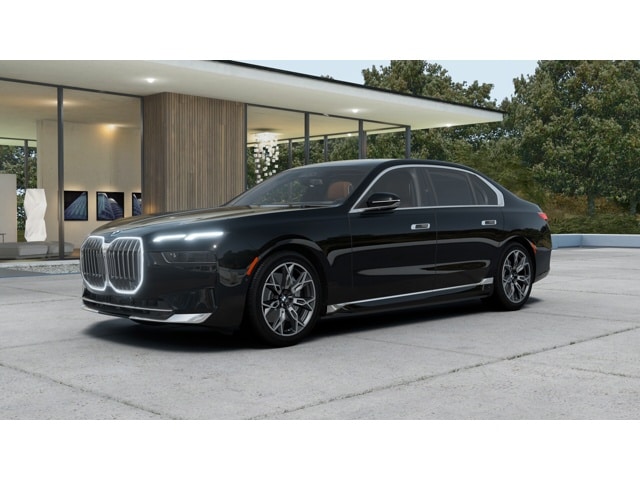
BMW i7

Importing a used BMW i7 from the USA

The i7 is BMW's fully electric flagship — the battery-powered sibling of the G70 7 Series — and the United States was a major launch market for it. That means early used examples are now reaching the market there, often in high specification. For a German buyer, importing a used BMW i7 from the USA can be a route to a specific configuration or colour that is thin on the ground at home. USCar Trader handles the import as an independent broker: no new-car sales, no margin on the vehicle itself.

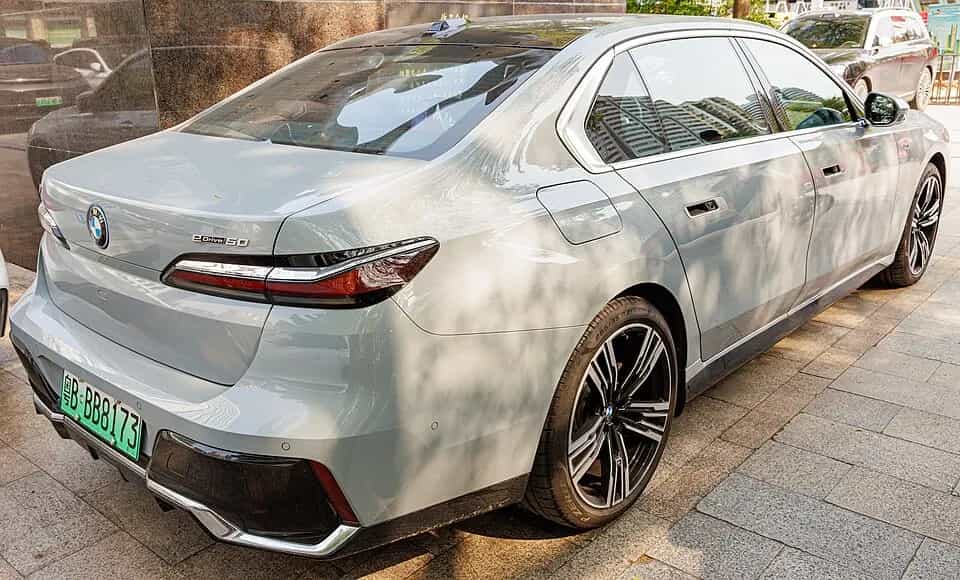
BMW i7 – used car imported from the USA
Photo: Dinkun Chen · CC BY-SA 4.0 · Wikimedia Commons

Model history and generations

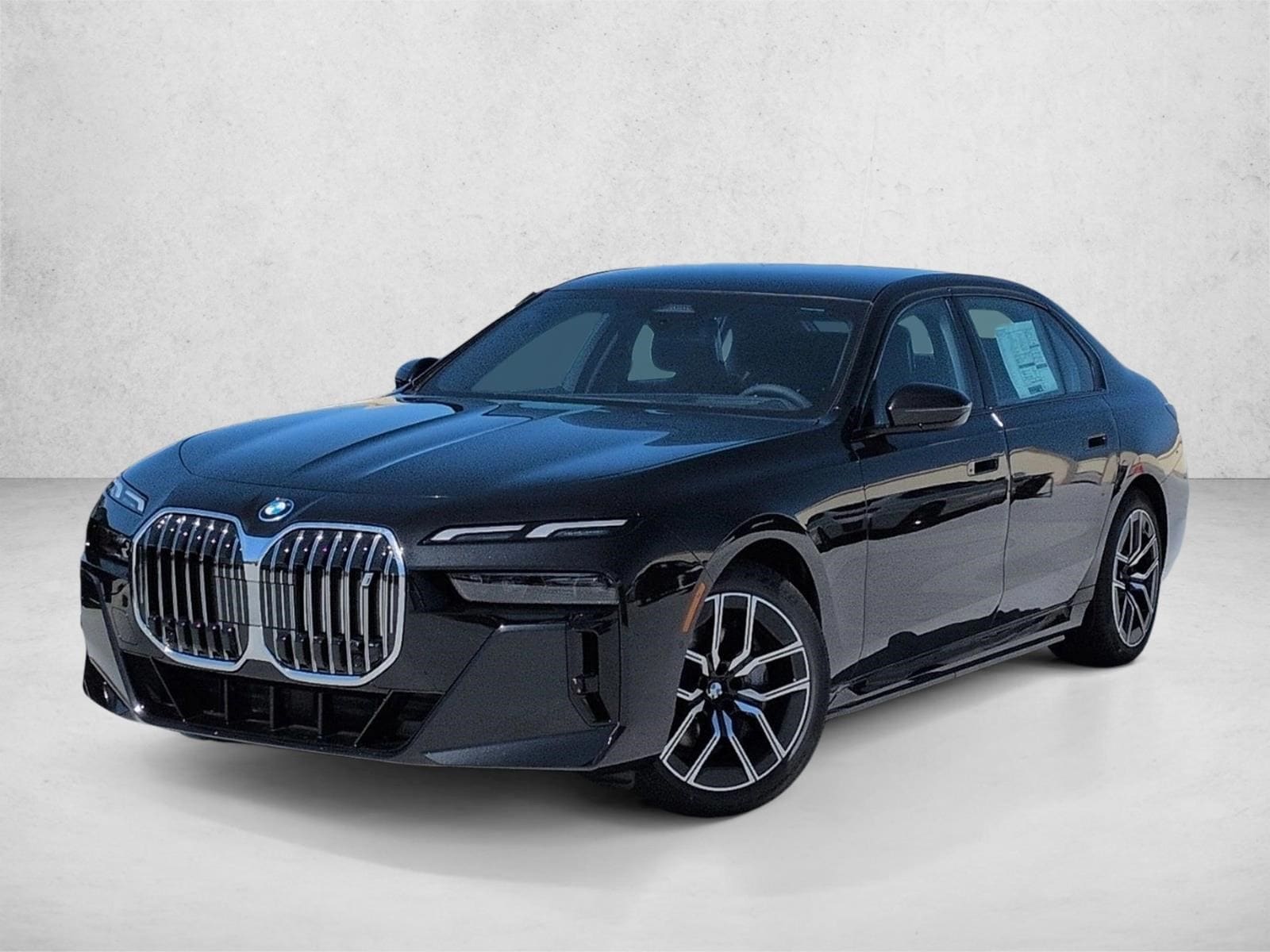
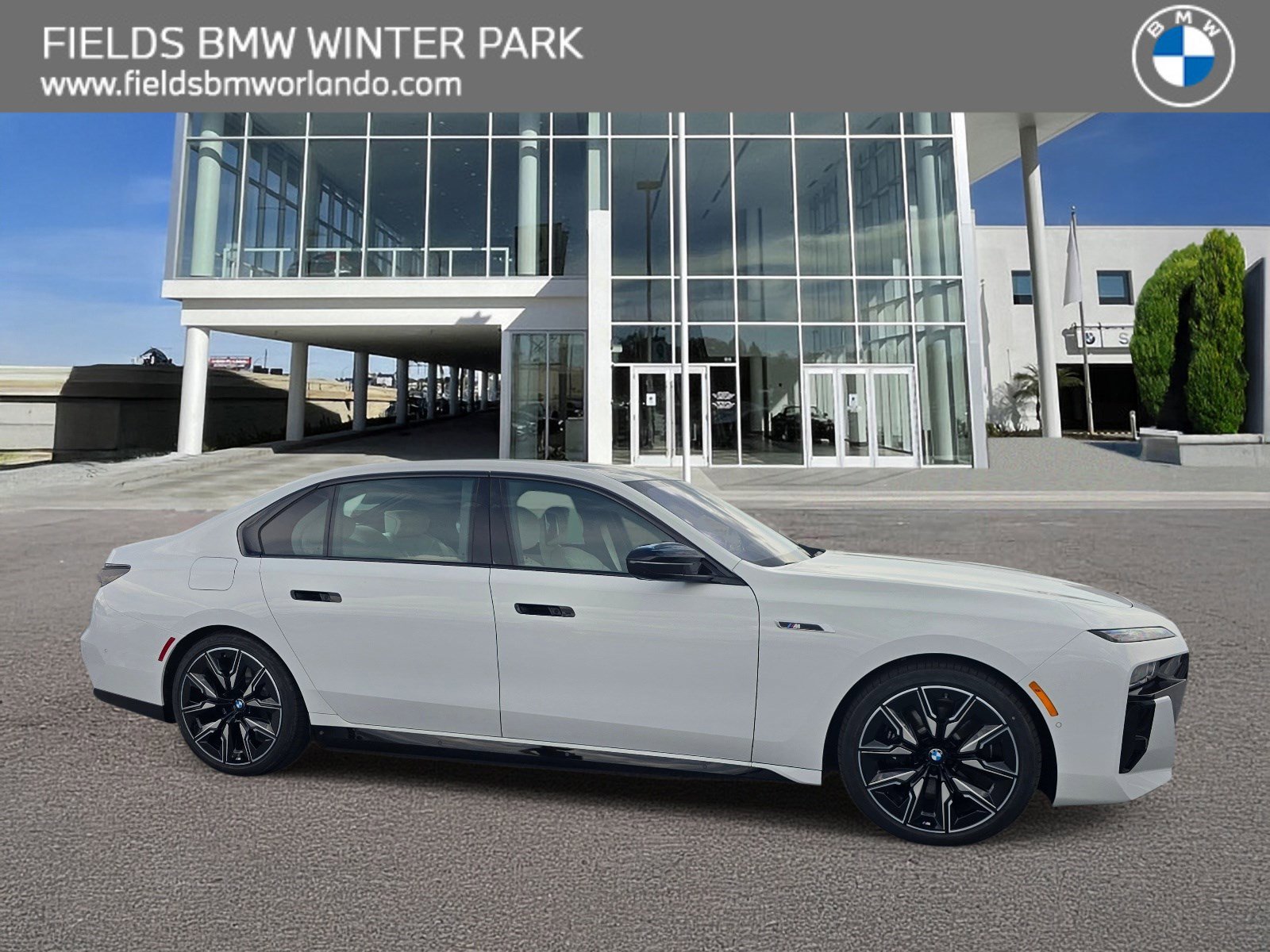
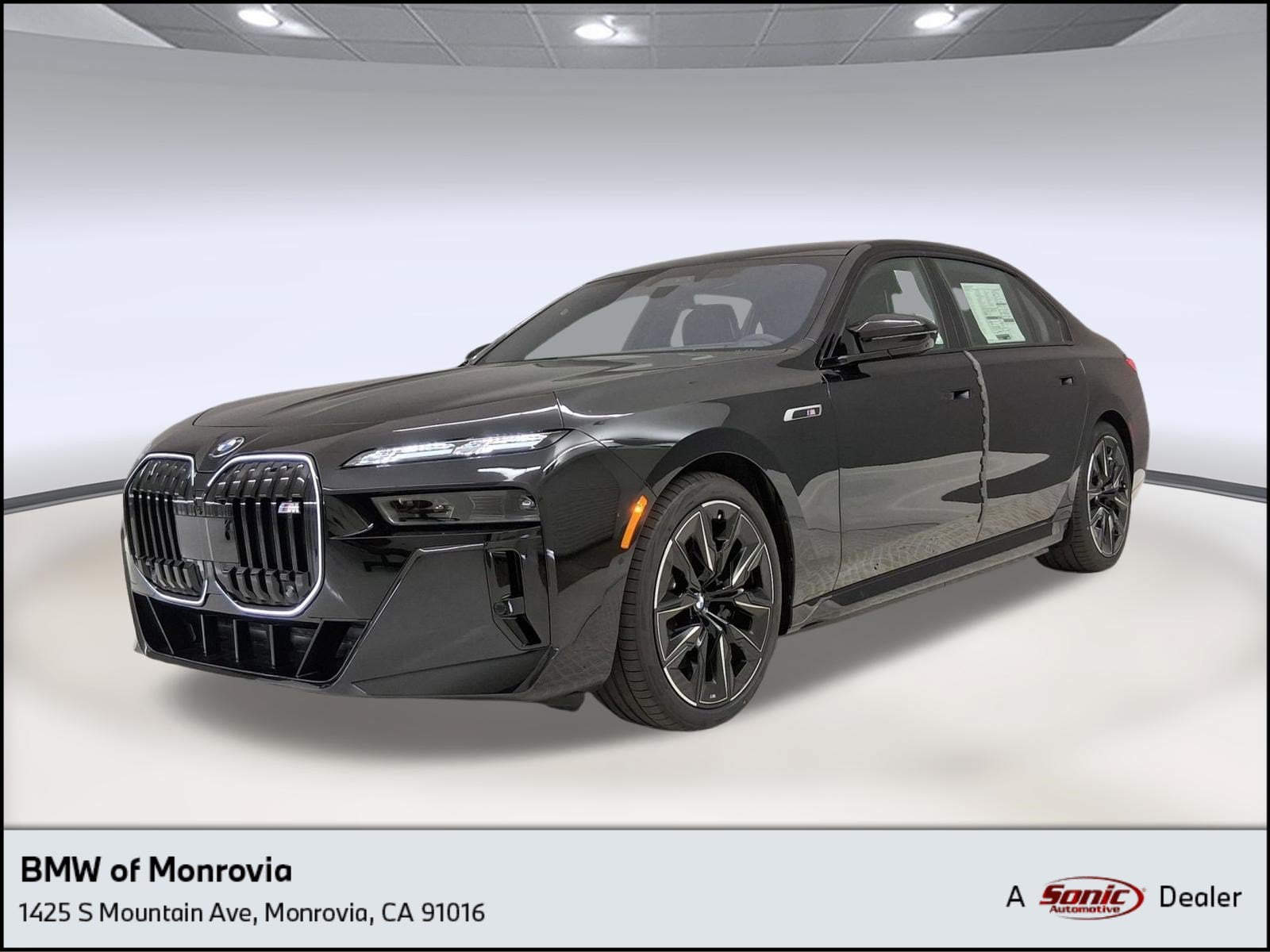
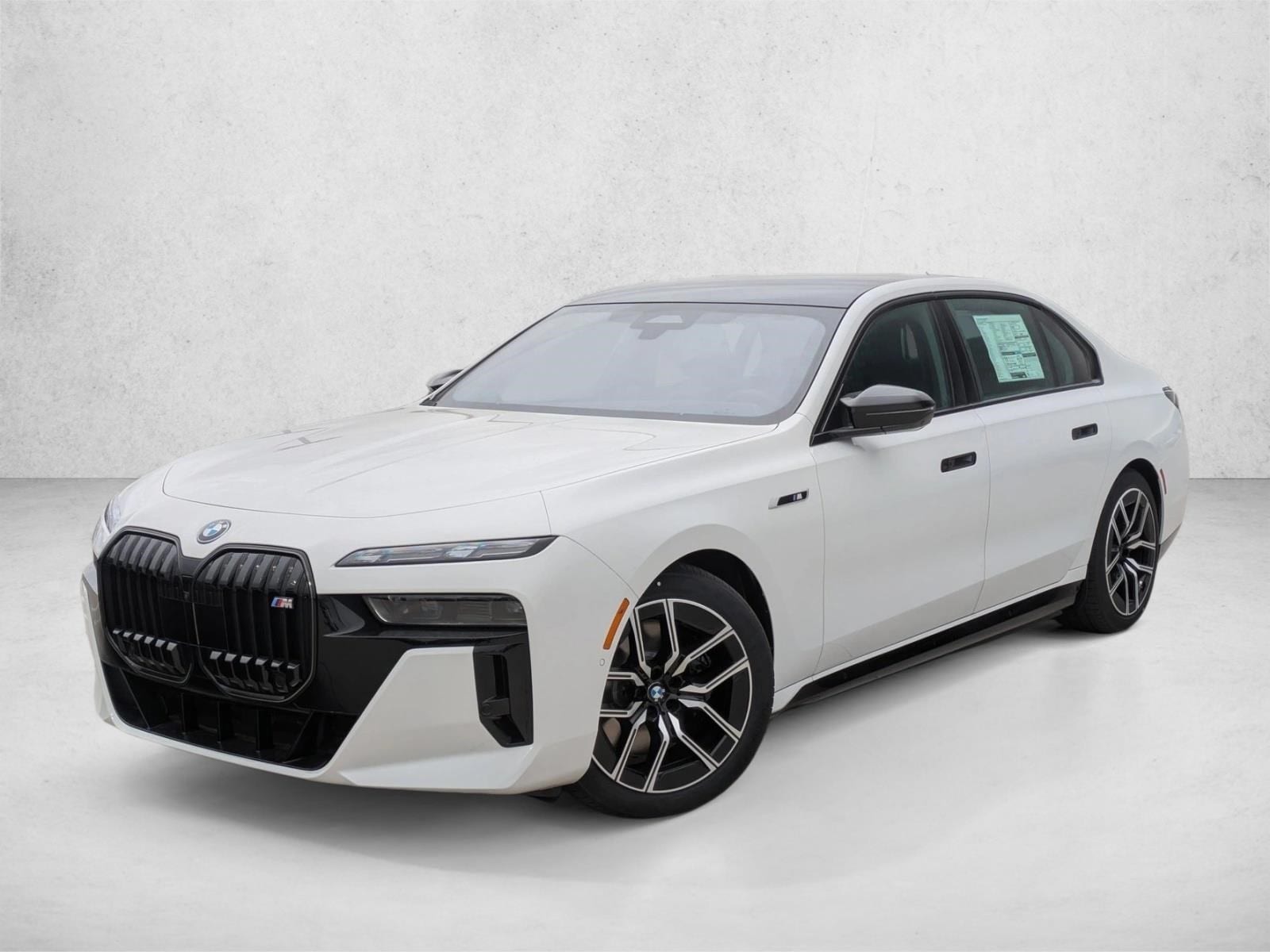
The i7 arrived for the 2023 model year on the same platform as the combustion 7 Series (internally i7 is part of the G70 family). It launched as the i7 xDrive60, joined by the high-performance i7 M70 xDrive, and later by a rear-drive variant in some markets. Signature features include the split-headlight face with optional Swarovski crystal elements, the 31-inch rear BMW Theatre Screen that folds down from the roof, and the illuminated Interaction Bar across the dashboard. Because the model is new, all used cars are recent, low-mileage vehicles.

Engines and drivetrain

The i7 uses BMW's fifth-generation eDrive. The xDrive60 pairs two motors for all-wheel drive and around 544 hp, drawing on a usable battery of roughly 101.7 kWh. The i7 M70 xDrive raises output to about 660 hp (with launch control and M Sport Boost), making it one of the quickest large saloons on the road. Both use an 800-volt-class high-voltage system? No — the i7 runs a 400-volt architecture with DC fast charging up to around 195 kW, and 11 kW AC onboard charging. Regenerative braking is adjustable, including a one-pedal B mode.

Which trim makes sense

The i7 is offered only as a long-wheelbase four-door saloon. US cars are typically loaded: Executive Lounge rear seating, the Theatre Screen with Amazon Fire TV, Bowers & Wilkins Diamond surround sound, four-zone climate, massaging seats, laser lights and the full suite of driver-assistance systems. The M70 adds M-specific chassis tuning, larger brakes and unique trim. Options-heavy US market cars are common because the i7 was expensive when new.

Supply on the US market

Supply is still building but growing as the earliest 2023 cars come off lease and out of first ownership. Expect very low mileage — often well under 40,000 km (converted from miles) — and strong equipment. As with any EV, review the battery state-of-health data and the service history, and read the Carfax or AutoCheck record for accidents before committing.

Who benefits from importing

A used BMW i7 import from the USA suits a buyer who wants an electric flagship with rear-lounge luxury, or specifically the M70, at used value and in a hard-to-find configuration. It is a car for those who prioritise silent long-distance comfort and cutting-edge cabin technology over outright range figures.

Technical data

AttributeTypical US-market figures
Body styleLong-wheelbase 4-door saloon
Introduced2023 model year (G70 family)
xDrive60 output~544 hp, dual-motor AWD
M70 xDrive output~660 hp with M Sport Boost
Battery (usable)~101.7 kWh
Architecture~400 V high-voltage system
DC fast chargingup to ~195 kW
AC charging11 kW onboard
0–100 km/h~4.7 s (xDrive60) / ~3.7 s (M70)
Length~5,390 mm
Wheelbase~3,215 mm
Kerb weight~2,640–2,715 kg
Seating4–5
DriveAll-wheel drive
Charge portUS CCS1 (see EU note below)

Known weak points and maintenance

As a new model with few moving powertrain parts, the i7 has no long-term failure pattern yet, but sensible caution applies. The biggest single check is battery state of health — request the SoH readout and any capacity data. The air suspension, as on the combustion 7 Series, is a wear item over time and worth inspecting for leaks. The extensive electronics — Theatre Screen mechanism, Interaction Bar, gesture control, automatic doors — add complexity and are the most likely source of niggles; confirm all features function. Tyres are large and expensive, and the car's weight accelerates wear, so check tread and age. Software version and any outstanding recalls should be verified.

US and EU spec compared

The most important difference is charging: US i7 cars use the CCS1 DC port, whereas Europe uses CCS2. Practical EU charging requires the correct connector arrangement, which must be planned for. US cars also have amber front markers, headlights aimed for right-hand traffic, usually no rear fog lamp, MPH display and US navigation. Range and consumption on US cars are quoted to the EPA cycle rather than WLTP, so expect the WLTP-equivalent figure to read differently. Mechanically the car is otherwise identical to the European i7.

The import process in detail

Choose the exact car and confirm the spec and battery health; run a VIN and origin check for the build plant; agree terms via secure escrow; arrange ocean freight to a European port such as Bremerhaven; clear German customs; present the car for TÜV and individual approval (Einzelabnahme); then register at your local Zulassungsstelle. The charging-connector question is settled during preparation. USCar Trader coordinates every stage.

What customs clearance really costs

Remember: no origin proof, no 0% duty – and 19% German import VAT is due on every import.

Two separate charges apply. Import duty: the 0% preferential EU rate under Regulations (EU) 2026/1455 and 2026/1461 (in force since 1 July 2026 for directly transported goods, until 31 December 2029) applies only where US origin is proven by the VIN and plant. The i7 is built in Dingolfing, Germany, so a US-origin claim generally does not hold and the rate must be verified per VIN — we never promise 0%. Separately, the 19% German import VAT (Einfuhrumsatzsteuer) always applies to the customs value of the vehicle.

TÜV, modifications and registration

Typical work for approval: confirming or adapting the charging arrangement to European CCS2 practice, fitting a rear fog lamp, adjusting or replacing headlights for right-hand traffic, switching the display to km/h, and documenting the odometer conversion from miles. A COC speeds registration where available; otherwise the Einzelabnahme produces the required paperwork.

Check before you buy

Verify the VIN against build data and plant. Request the battery state-of-health and charging history. Pull the full Carfax or AutoCheck record for accidents and title brands. Confirm the charge port type and plan the EU charging solution. Check the air suspension and all cabin electronics function correctly. Inspect tyre tread, age and wheel condition. Commission a pre-purchase inspection before releasing escrow funds.

Common questions

Can I import a used BMW i7 from the USA?

Yes. It imports as a used electric vehicle; the duty rate depends on the VIN/origin and the 19% import VAT always applies.

Does the 0% EU duty apply to a US i7?

Only with provable US origin. The i7 is built in Germany, so US origin usually cannot be shown; we check each VIN and never guarantee a rate.

Will a US i7 charge in Europe?

US cars use CCS1; European DC charging uses CCS2, so the connector arrangement is addressed during import preparation.

How do I check the battery health?

Request the state-of-health readout and charging history before purchase; this is the single most important EV check.

What is the difference between the i7 xDrive60 and M70?

The xDrive60 makes around 544 hp; the M70 xDrive is the high-performance version at roughly 660 hp.

How is mileage handled?

US odometers read in miles; the value is converted to kilometres and documented during approval.

How long does the import take?

Typically several weeks, mainly driven by shipping schedules and customs clearance.

Do I need a Certificate of Conformity?

It helps but is not required; the individual approval supplies the necessary documentation.

Discover more at BMW in the Carhub, compare it with the petrol BMW 7 Series, the electric BMW i5 and the BMW iX, or browse current i7 listings.