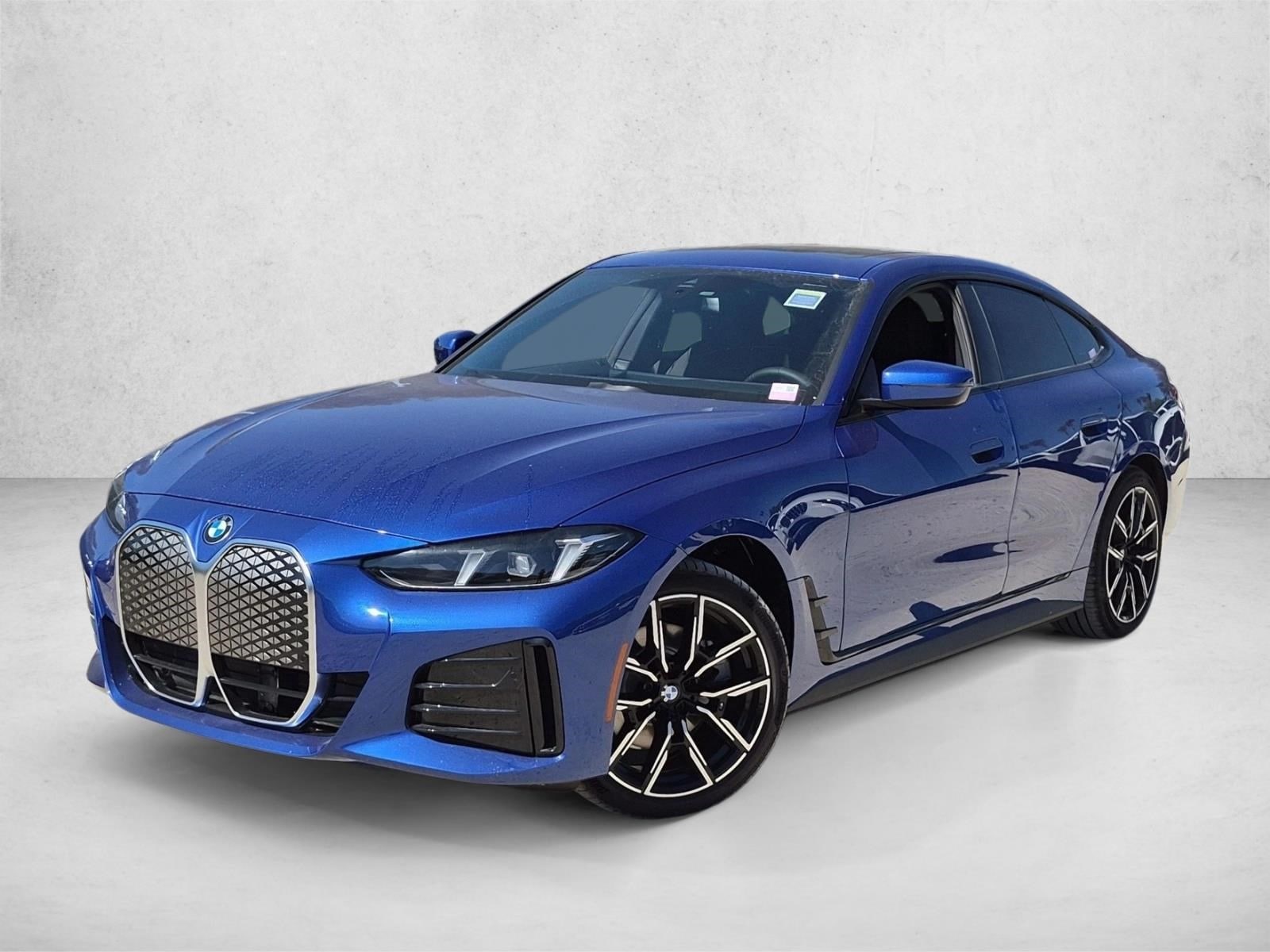
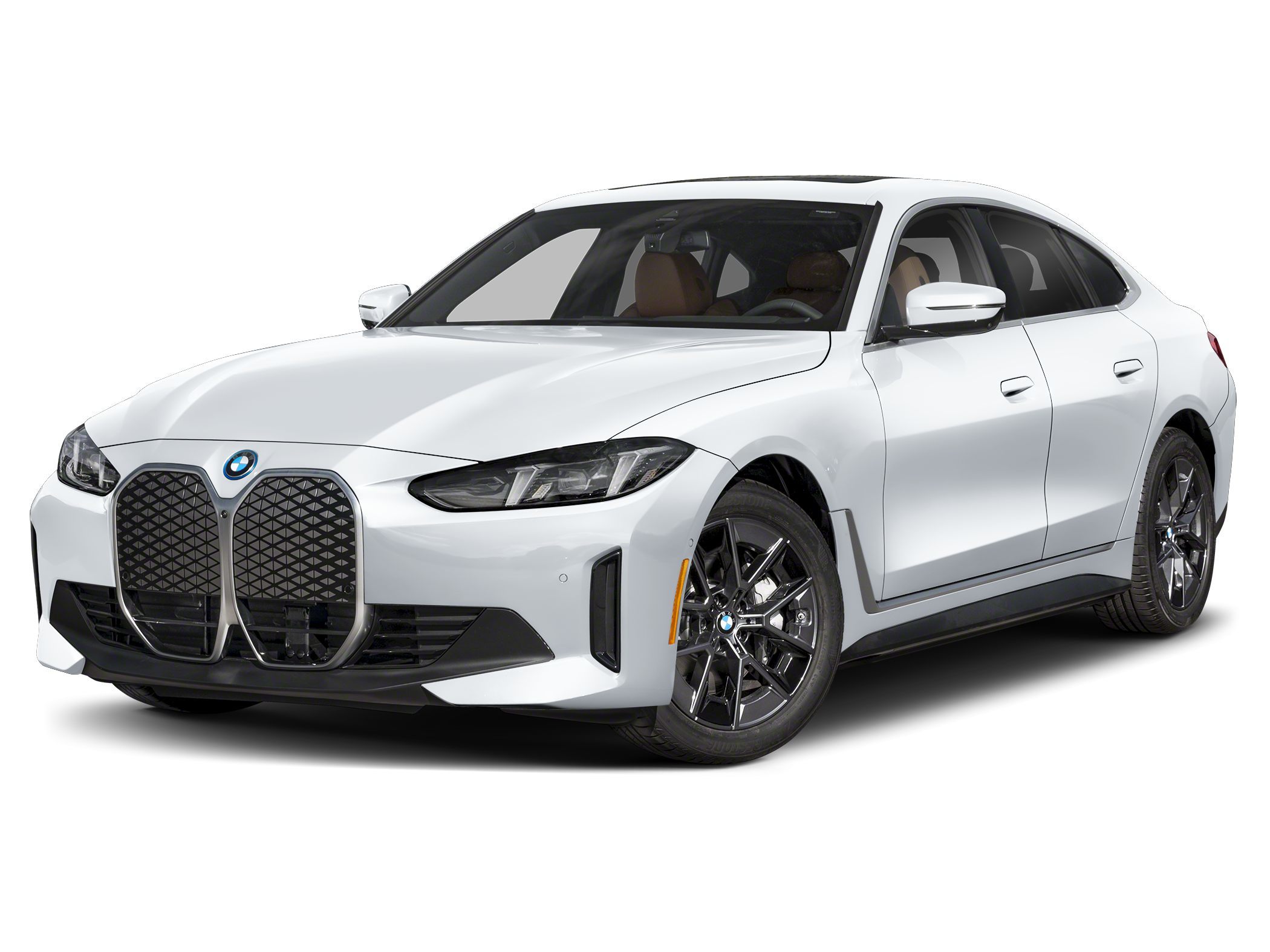
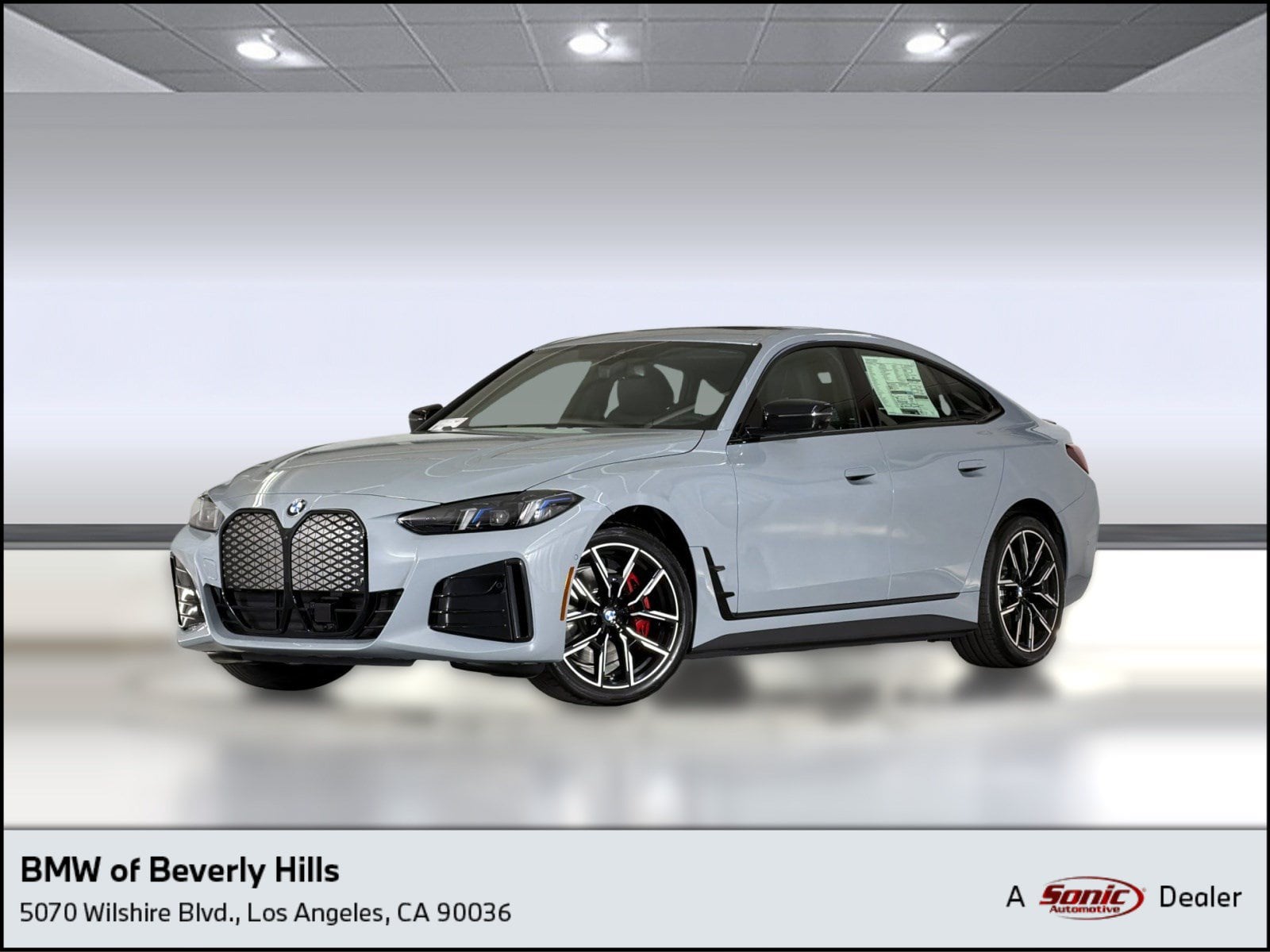
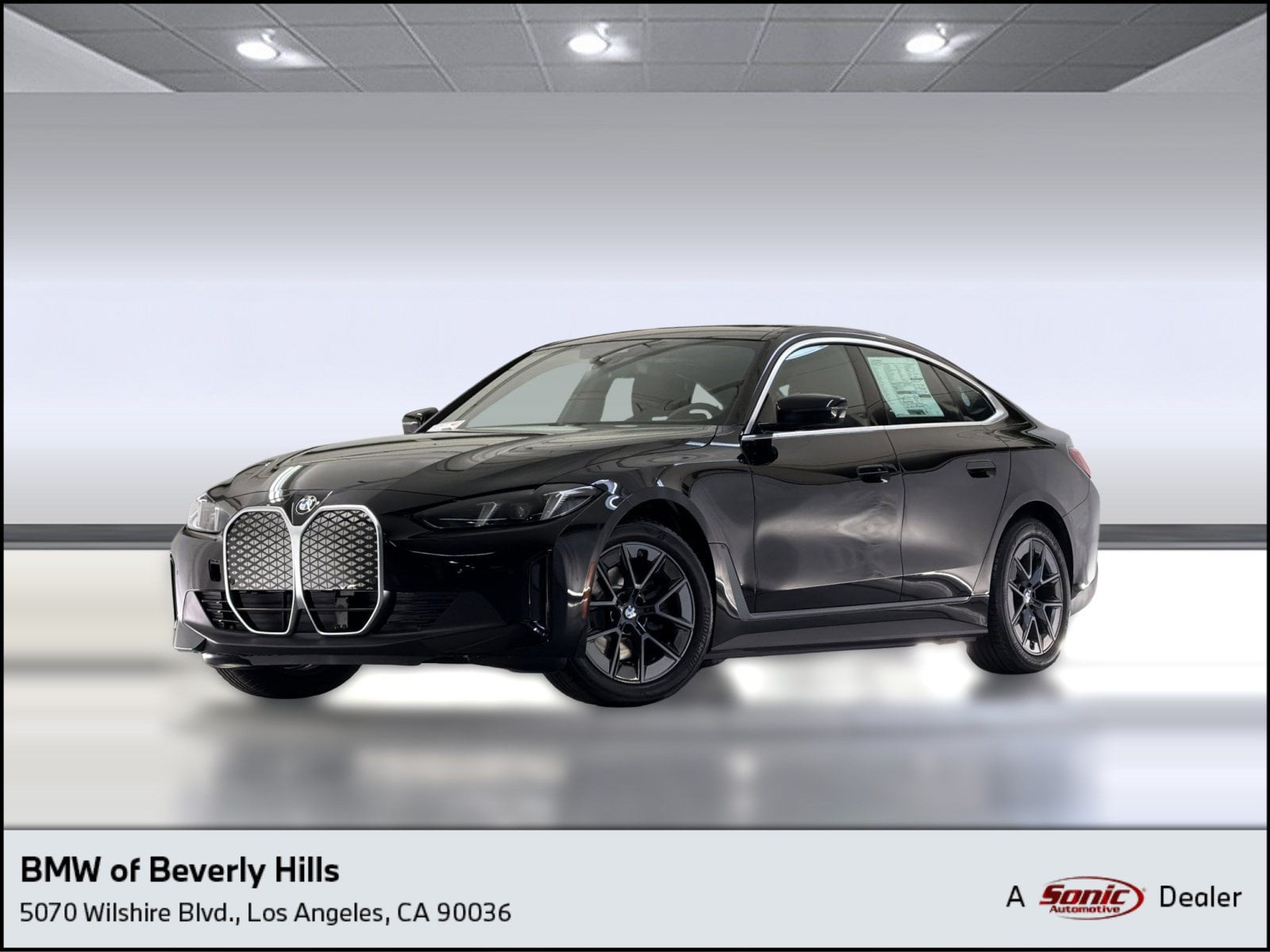
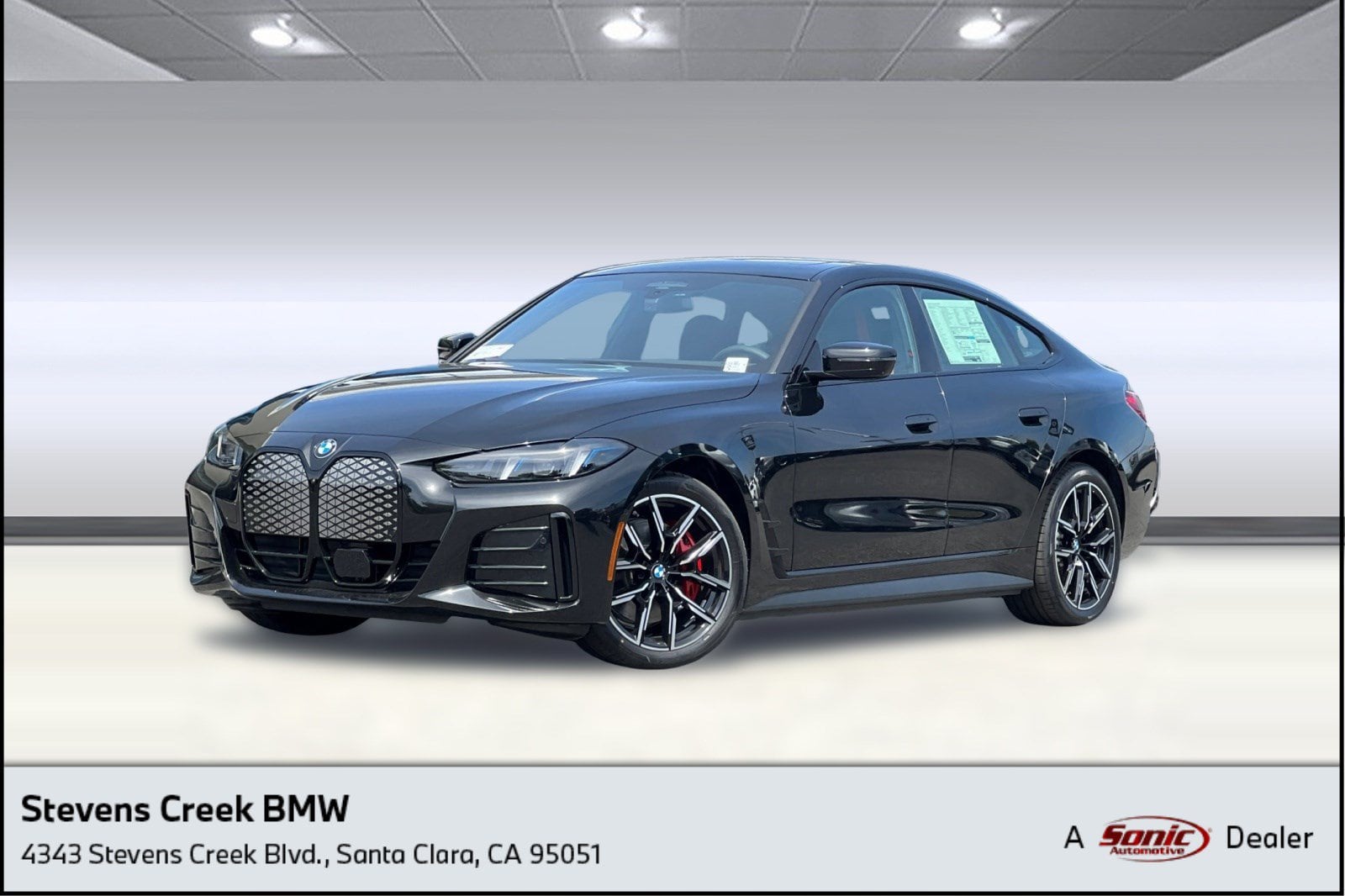
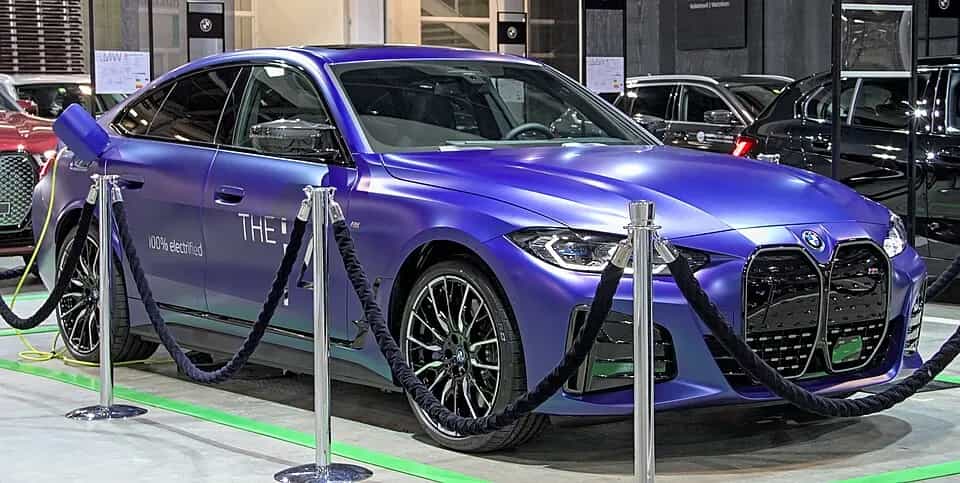
BMW i4
Importing a used BMW i4 from the USA
The BMW i4 is the all-electric Gran Coupe that BMW built on the same Munich line as the petrol 4 Series, and it has become one of the more interesting used electric imports coming out of the American market. A used i4 sourced in the United States is usually a low-mileage, well-optioned car that was leased for two or three years before hitting the wholesale auctions. As an independent broker for used US vehicles, USCar Trader handles the search, the VIN and origin verification, escrow, ocean transport and the German paperwork so that you receive a car that is honest about its history. Below is a detailed look at what makes the i4 worth importing, and the practical points every buyer should understand before committing.

Model history and generations
The i4 (internal code G26) arrived for the 2022 model year and shares its platform, cabin and silhouette with the G26 4 Series Gran Coupe. That means a five-door liftback body rather than a bespoke EV shape. BMW launched it in the US with the rear-drive eDrive40 and the dual-motor M50, then added the entry rear-drive eDrive35 for 2023. A mid-cycle refresh for 2025 brought a wider grille, the curved iDrive display running iDrive 8.5, and minor efficiency gains. Because the car is still relatively young, most used US examples are 2022 to 2024 cars with fresh battery chemistry and up-to-date software.
Engines and drivetrain
The i4 uses BMW's fifth-generation eDrive with current-excited synchronous motors that avoid rare-earth magnets. The eDrive40 is single-motor rear-wheel drive with 250 kW (335 hp) and a usable battery of roughly 81.5 kWh. The eDrive35 shares the layout with a smaller ~66 kWh pack. The M50 adds a front motor for xDrive all-wheel drive and a combined 400 kW (536 hp) in boost mode, good for a 3.7-second sprint to 60 mph. All versions use a single-speed reduction gear and a 400-volt architecture with DC fast charging peaking around 200 kW. EPA range runs from about 300 miles for the eDrive40 down to roughly 270 miles for the M50.
Which trim makes sense
There is one body: the four-door Gran Coupe with a practical hatch. In the US the split is by drivetrain rather than trim ladder, with the eDrive35, eDrive40 and M50 differentiated by output, wheels, brakes and standard equipment. Popular options on American cars include the Premium Package, Harman Kardon audio, the head-up display, adaptive M suspension on the M50, and 19- to 20-inch wheels. Interior trims range from SensaTec to extended Merino leather.
Supply on the US market
Supply is healthy because the i4 sold well in coastal states and much of it went out on lease. Typical used candidates are 2022 to 2024 cars with 15,000 to 45,000 miles. Warm-climate examples from California, Texas and Florida are attractive for their lack of road-salt corrosion, and southern cars generally show cleaner undersides than salt-belt equivalents. Condition varies with how the battery was charged and stored, which is why history and a health check matter more than the odometer alone on any used EV.
Who benefits from importing
The i4 suits a buyer who wants a genuine driver's EV with rear-drive balance and a real BMW cabin, without paying the premium for a locally sourced car. It rewards someone comfortable with the charging-connector question described below and who values a specific colour and options combination that may be hard to find in Germany. If you want to import a used BMW i4 from the USA as a daily long-distance car, the eDrive40 hits the sweet spot of range and price; if you want performance, the M50 is the pick.
Technical data
| Item | BMW i4 (typical US examples) |
|---|---|
| Internal code | G26 |
| Body | Five-door Gran Coupe (liftback) |
| Model years (US) | 2022–present |
| Variants | eDrive35, eDrive40, M50 |
| Drivetrain | RWD (eDrive) / AWD xDrive (M50) |
| Power | 210 kW / 250 kW / up to 400 kW |
| Usable battery | ~66 kWh / ~81.5 kWh |
| EPA range | ~270–300+ miles |
| Architecture | 400 V |
| Max DC charge | ~200 kW |
| Transmission | Single-speed reduction gear |
| 0–60 mph (M50) | ~3.7 s |
| Curb weight | ~2,050–2,290 kg |
| Assembly plant | Munich, Germany |
| Charge port (US) | CCS1 (Combo 1) |
Known weak points and maintenance
The i4 drivetrain has proven robust, but a few recurring points show up in owner reports. Early cars saw iDrive 8 software glitches, occasional infotainment reboots and 12-volt auxiliary battery drain that BMW addressed through updates. Regenerative braking means the friction discs are used lightly, so surface rust on rotors after wet storage is common and usually harmless once driven. M50 cars go through tyres quickly given the weight and power. Reviewing charging history and confirming the high-voltage battery's state of health during the pre-purchase inspection is the single most valuable step on any used i4.
US and EU spec compared
The most important difference for import is the charging connector. US i4s use the CCS1 (Combo 1) inlet, while European public infrastructure is built around CCS2 and Type 2. AC charging in particular will require attention, and DC fast charging typically needs a suitable adapter or inlet solution. American cars also come with mph instrumentation, US-spec DRL and side-marker lighting, no rear fog lamp, and North American radio bands. eCall and some connected services are configured for the US market. These are the practical items your import plan must cover.
The import process in detail
The process runs in a fixed order: model and options selection; VIN decode and origin/plant check; secured payment through escrow; collection and container or roll-on ocean freight to a North European port; customs clearance on arrival; the German technical inspection and, where needed, individual approval (Einzelabnahme); and finally registration at your local office. USCar Trader coordinates each stage and keeps the documentation chain intact.
What customs clearance really costs
In short: the 0% duty rate applies only with documented US origin (VIN/plant) – German import VAT of 19% is always due.
Two separate charges apply. First, the import duty: the i4 is assembled in Munich, so it does not carry US origin, and the 0% preferential rate that applies to provably US-built cars under EU Regulations 2026/1455 and 2026/1461 will generally not apply here — the actual rate depends on the origin determined from the VIN and documents, and the standard passenger-car duty may apply. Second, and always, the 19% German import VAT (Einfuhrumsatzsteuer) is charged on the customs value. We state both separately and never present the duty as guaranteed or duty-free.
TUEV, modifications and registration
Typical work to pass German inspection includes fitting or activating a rear fog lamp, adapting the headlights to European beam pattern, and confirming the speedometer reads in km/h or is dual-marked. The odometer and instrument cluster must display correctly for German registration. Once the technical report and, where required, the individual approval are issued, registration proceeds normally.
Check before you buy
Before you commit, verify: the VIN against the plant and build data; a full Carfax or AutoCheck report for accidents, title brands and service; the high-voltage battery state of health and charging history; the underbody and suspension for corrosion, especially on salt-belt cars; the tyres and brakes; the software and recall status; and that the title is clean rather than salvage or rebuilt.
Common questions
Can I import a used BMW i4 from the USA to Germany?
Yes. It is a used passenger EV and imports through the standard customs, TUEV and registration route.
Does the i4 qualify for 0% EU import duty?
Usually not, because it is built in Munich rather than the US. The final rate depends on the origin shown by the VIN; the 19% import VAT always applies.
Will the charging connector work in Germany?
US cars use CCS1, so an adapter or inlet solution is needed for European CCS2/Type 2 infrastructure. We flag this before purchase.
What range does a used i4 have?
EPA figures run from around 270 miles on the M50 to over 300 on the eDrive40; real range depends on battery health and driving.
Are there battery problems on the i4?
No systemic pack failures. The key is verifying state of health and charging history on the specific car.
How long does the import take?
Typically several weeks from purchase to registration, driven mostly by ocean freight and inspection scheduling.
Is a salvage-title i4 worth importing?
We advise clean titles. Salvage or rebuilt cars complicate both customs valuation and German approval.
Explore more options in the BMW in the Carhub, compare related electric imports such as the BMW iX, the BMW i5 or the Chevrolet Bolt, and browse our current i4 listings.