BMW X3
Importing a used BMW X3 from the USA
The X3 is one of BMW's best-selling models worldwide, and there is a detail that makes it especially interesting to import from America: BMW builds the X3 at its huge Spartanburg plant in South Carolina, which supplies the US market and exports globally. That means a used BMW X3 bought in the USA is frequently a genuinely US-built car — a point that matters for the origin question. USCar Trader arranges the import as an independent broker, with no new-car sales and no margin added to the vehicle price.

Generations at a glance
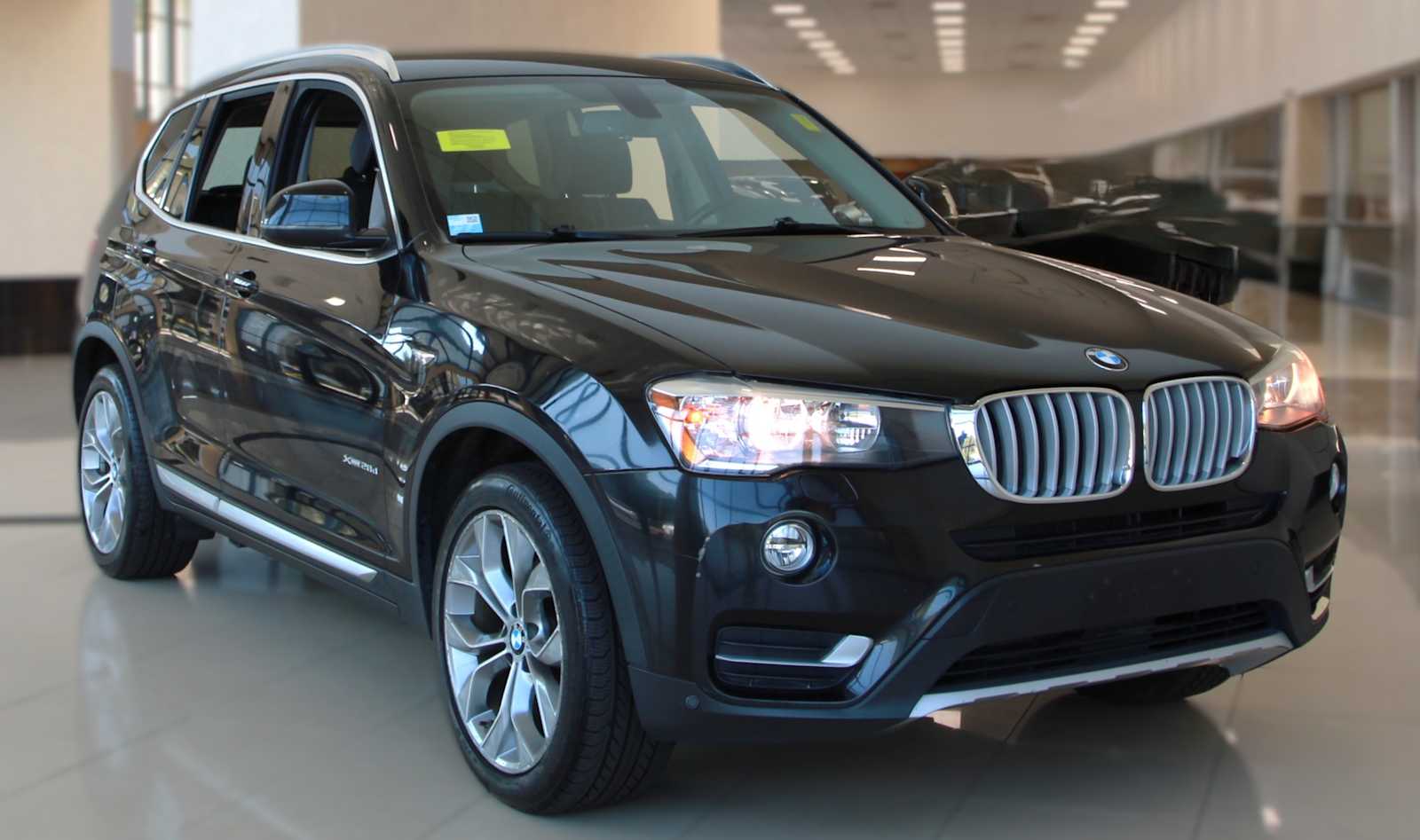
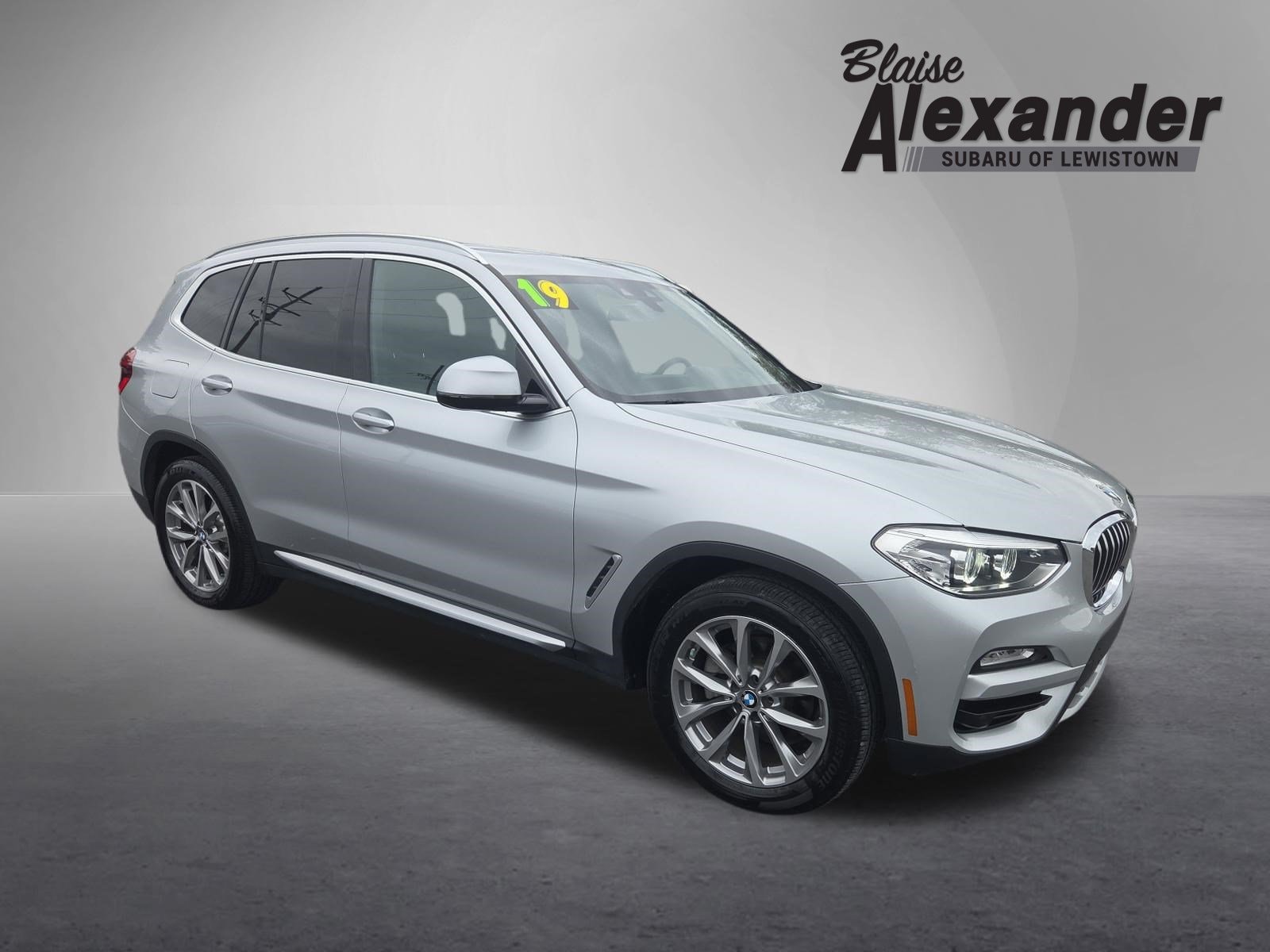
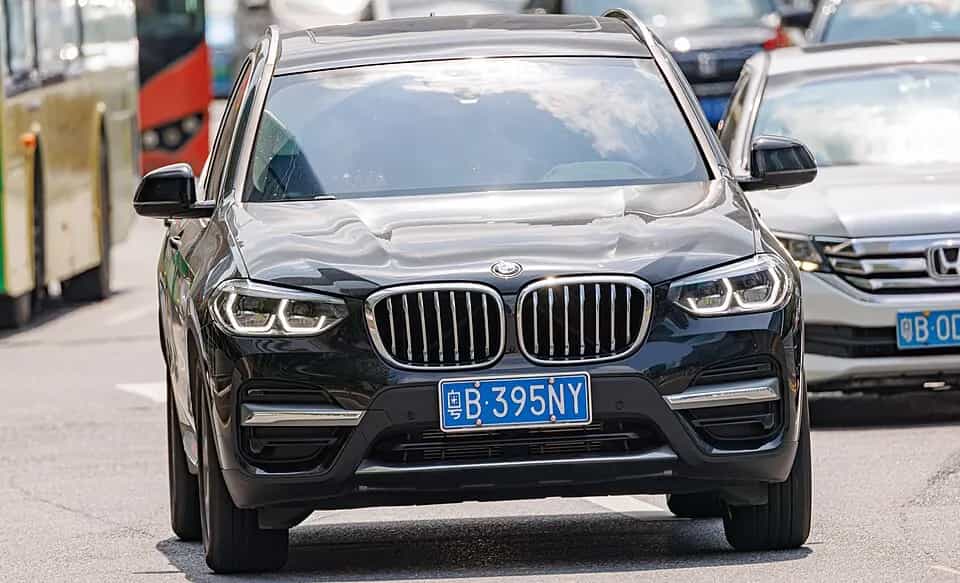
The relevant generations for US imports are the F25 (2011–2017) and the G01 (2018–2024), with the new-generation G45 arriving for 2025. The G01 modernised the platform, added a mild-hybrid system on later cars, and received an LCI facelift for 2022 with revised styling and the larger curved-free grille. In the US the X3 sells in large numbers as a five-seat premium compact SUV, which keeps used supply deep and varied.
Powertrain lineup
The core US model is the X3 xDrive30i, powered by the B48 2.0-litre turbo four (around 248 hp). Above it sits the X3 M40i with the B58 3.0-litre turbo straight-six (roughly 382 hp on later mild-hybrid cars), and at the top the full-fat X3 M and X3 M Competition with the S58 twin-turbo six making up to about 503 hp. There was also an sDrive30i rear-drive base in some years, but xDrive all-wheel drive dominates the US fleet. All use the ZF 8-speed automatic. The G01-era X3 xDrive30e plug-in hybrid was offered too, though it is less common used.
Trims in the US market
The X3 is a five-door SUV only. US equipment lines include popular Premium and Executive packages, panoramic roof, Harman Kardon audio, head-up display, heated seats and the driver-assistance packages. M40i cars add the sportier chassis and the six-cylinder soundtrack; the X3 M is a focused performance SUV with adaptive M suspension and big brakes. Lease-heavy sales mean many three-year-old cars are well equipped.
The used market stateside
Availability is excellent and prices competitive because the X3 is so common in America. Off-lease xDrive30i and M40i cars appear constantly, typically at 30,000–100,000 km (converted from miles) with clean service histories. Cars from dry southern and western states are usually corrosion-free. As always, read the Carfax or AutoCheck record for accident and title flags before you buy.
Who should import one
A used BMW X3 import from the USA suits a buyer who wants a practical premium SUV — particularly the six-cylinder M40i or the X3 M — at used value, and who values the fact that many US cars are Spartanburg-built. It is also a sensible pick for anyone chasing a specific colour and options combination that is scarce in Germany.
Key specifications
| Attribute | Typical US-market figures (G01) |
|---|---|
| Body style | 5-door compact SUV |
| Generations imported | F25 (2011–17), G01 (2018–24), G45 (2025+) |
| xDrive30i engine | 2.0 L B48 turbo I4, ~248 hp |
| M40i engine | 3.0 L B58 turbo I6, ~382 hp |
| X3 M / Competition | 3.0 L S58 twin-turbo I6, up to ~503 hp |
| xDrive30e | 2.0 L I4 plug-in hybrid |
| Transmission | ZF 8-speed automatic |
| Drive | xDrive AWD (some sDrive RWD) |
| 0–100 km/h | ~6.0 s (30i) / ~4.4 s (M40i) / ~4.1 s (X3 M) |
| Length | ~4,720 mm |
| Wheelbase | ~2,865 mm |
| Kerb weight | ~1,800–2,000 kg |
| Boot capacity | ~550–1,600 L |
| Build plant | Spartanburg, South Carolina (verify per VIN) |
| Fuel | Premium petrol (plug-in on 30e) |
How reliable is it?
The X3 is generally solid, with the usual modern-BMW watch points. On the four-cylinder B48 and six-cylinder B58, keep an eye on the oil-filter-housing gasket and valve-cover gasket (common oil leaks), the electric water pump and thermostat, and coolant hoses. Earlier N20 fours (F25 328i-equivalent 30i) shared the timing-chain concern of that engine family, so check service history on older cars. The X3 M's S58 is potent but demands strict maintenance and quality fuel. Across the range, watch for worn control-arm bushings and rattly panoramic-roof drains. For a used BMW X3, prioritise a documented service record and evidence of recent cooling-system attention over the lowest asking price.
What US models do differently
US cars carry amber front side markers, headlights aimed for right-hand traffic, usually no rear fog lamp, and MPH instruments with US navigation. All are handled during German approval. Because so many US X3s are built in Spartanburg alongside the cars sold in Europe, parts and servicing are wholly straightforward, and the mechanical package matches the European X3.
Seven steps to your import
Select the exact car and confirm the spec; run a VIN and origin check — with the X3 this is where a Spartanburg build may be confirmed; agree terms via secure escrow; arrange ocean freight to a European port such as Bremerhaven; clear German customs; present the car for TÜV and individual approval (Einzelabnahme); then register at your local Zulassungsstelle. USCar Trader coordinates each step.
Customs, taxes and costs explained
In short: the 0% duty rate applies only with documented US origin (VIN/plant) – German import VAT of 19% is always due.
Two separate charges apply. Import duty: the 0% preferential EU rate under Regulations (EU) 2026/1455 and 2026/1461 (in force since 1 July 2026 for directly transported goods, until 31 December 2029) applies only where US origin is proven by the VIN and plant. The X3 is a special case because many US cars are built in Spartanburg, South Carolina — a US build that, once confirmed via the VIN, can support the 0% preferential rate. We still verify this per car and never promise it in advance. Separately, the 19% German import VAT (Einfuhrumsatzsteuer) always applies to the customs value.
German TÜV and registration
Typical modifications for approval: fitting a rear fog lamp, adjusting or replacing headlights for right-hand traffic, switching the display to km/h, and documenting the odometer conversion from miles. A COC speeds registration where available; otherwise the Einzelabnahme creates the paperwork. Wheel and tyre approvals are checked against the vehicle documents.
The buyer checklist
Verify the VIN against build data and confirm whether it is a Spartanburg-built car. Pull the full Carfax or AutoCheck history for accidents and title brands. Inspect for corrosion under cars from salt-belt states. Confirm complete service records, especially cooling-system work and (on older fours) timing-chain history. Check for oil leaks at the housing and valve-cover gaskets and inspect suspension bushings. Confirm a clean, transferable title. Commission a pre-purchase inspection before releasing escrow funds.
Questions and answers
Can I import a used BMW X3 from the USA?
Yes. It imports as a used vehicle; the duty rate depends on the VIN/origin and the 19% import VAT always applies.
Is a US-market X3 built in America?
Often yes — BMW builds the X3 in Spartanburg, South Carolina. We confirm the build per VIN, and a confirmed US build can support the 0% preferential duty.
Does that mean the X3 is always duty-free?
No. The 0% rate is not automatic or guaranteed; it applies only with provable US origin under the current EU regulations, and we check each VIN individually.
What are common BMW X3 problems?
Oil-filter-housing and valve-cover gasket leaks, cooling-system wear, older N20 timing chains, and worn control-arm bushings.
Which X3 has the six-cylinder engine?
The X3 M40i uses the B58 straight-six; the X3 M and Competition use the more powerful S58 twin-turbo six.
How is mileage handled?
US odometers read in miles; the value is converted to kilometres and documented during approval.
How long does importing take?
Usually several weeks, mostly determined by shipping schedules and customs clearance.
Do I need a Certificate of Conformity?
It helps but is not required; the individual approval provides the necessary documentation.
Browse the full lineup at BMW in the Carhub, compare it with the BMW X1, the BMW X4 and the electric BMW iX, or view current X3 listings.