BMW X1
Importing a used BMW X1 from the USA
The X1 is BMW's entry into the SUV range: a compact premium crossover that packages a turbocharged four-cylinder, all-wheel drive and a genuinely useful cabin into a footprint that suits city and Autobahn alike. Importing a used BMW X1 from the USA can make sense when a specific colour, options package or model year is scarce or better value across the Atlantic. Because the US market always sold the X1 as the all-wheel-drive xDrive28i, American cars tend to be consistently equipped, which simplifies the search.

Generations at a glance
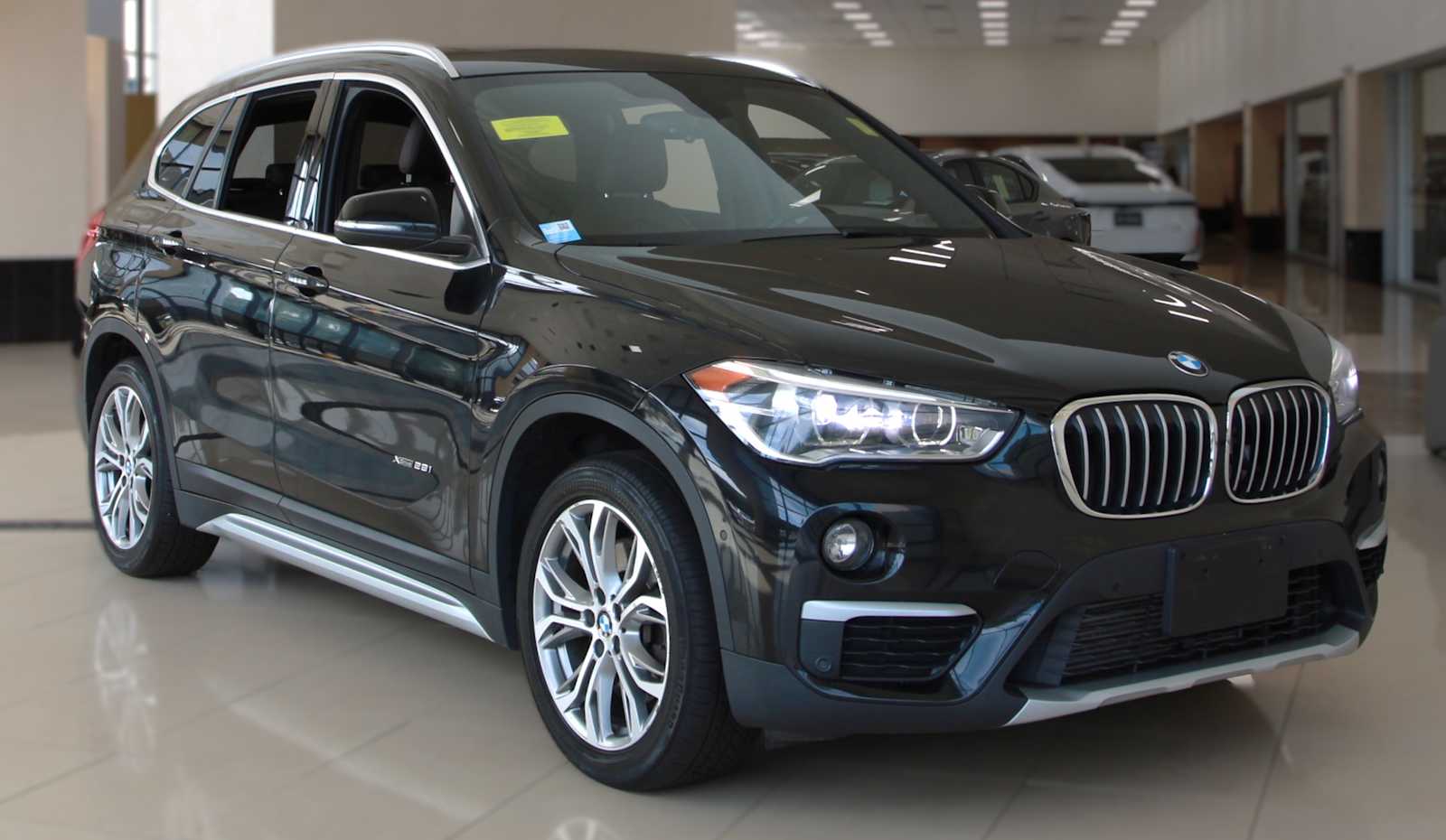
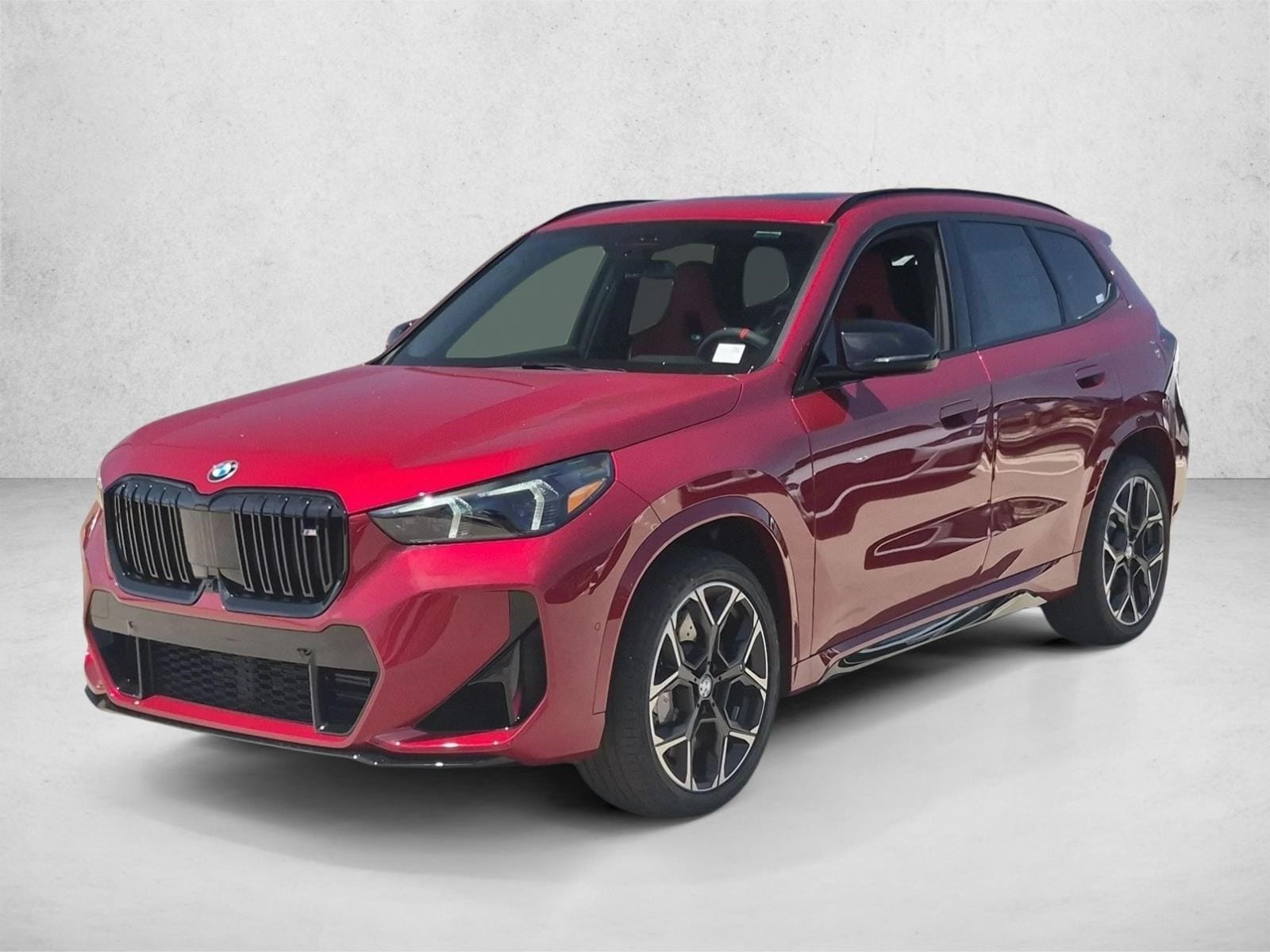
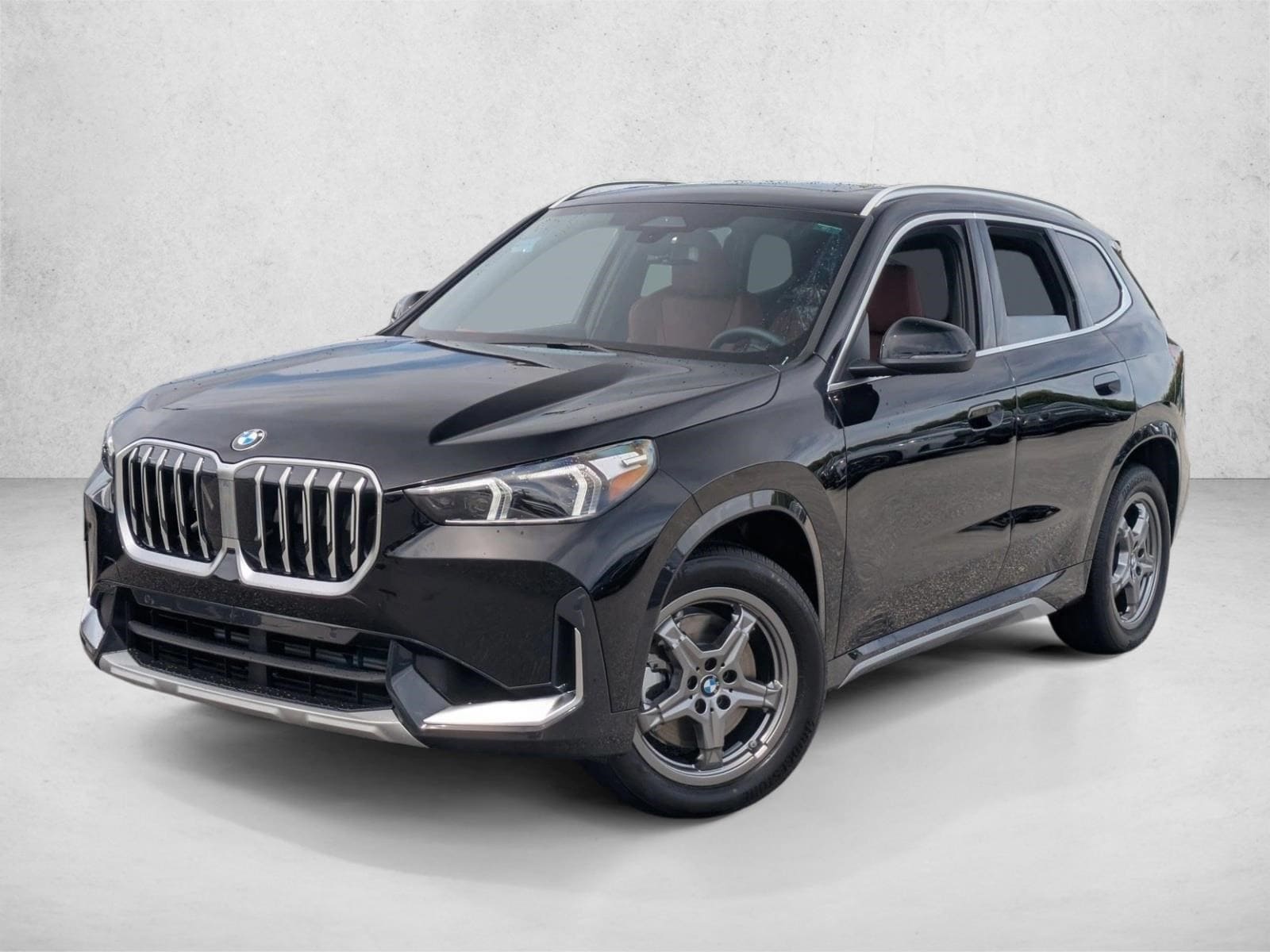
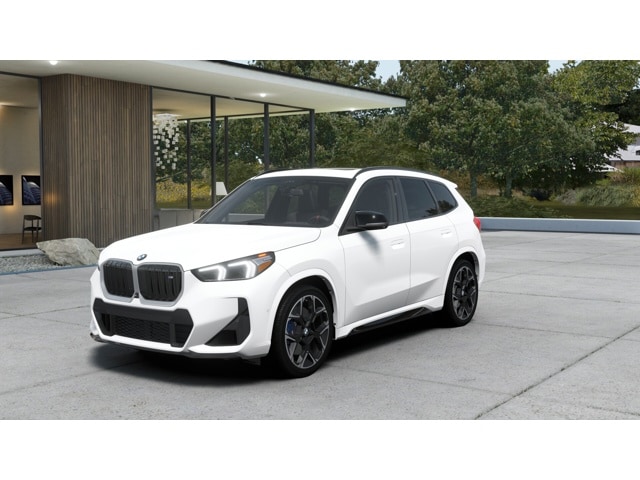
Three generations matter. The first, E84 (US sales 2013-2015), was the enthusiast's X1: a longitudinal-engine, rear-drive-based platform shared with the 3 Series, offered in the US as the rear-drive sDrive28i and the AWD xDrive28i and xDrive35i. The second generation, F48 (2016-2022), switched to BMW's transverse UKL front-drive architecture, growing rear space and cargo room while every US car was the xDrive28i. The current U11 (2023 onward) is larger again, more digital inside with BMW's curved display and Operating System 8, and noticeably quicker.
Powertrain lineup
US X1s are four-cylinder turbo cars, with one six-cylinder exception. The E84 xDrive28i used the 2.0-litre N20 turbo (241 hp); the rare E84 xDrive35i ran the 3.0-litre N55 turbo inline-six (300 hp) with a seven-speed dual-clutch. The F48 xDrive28i uses the 2.0-litre B46 turbo (228 hp) with an eight-speed Aisin automatic. The U11 xDrive28i steps up to 241 hp from its updated 2.0-litre. All US cars send power to all four wheels through BMW's xDrive system, which suits German winters well. The battery-electric iX1 was not sold in the US, so imported American X1s are petrol.
Trims in the US market
The X1 is a five-door compact SUV only. US equipment is organised around packages rather than named trims: Premium, Convenience, M Sport (F48/U11) and driver-assistance bundles. Look for panoramic roof, heated seats, adaptive LED headlights, head-up display and the larger infotainment where fitted. US cars are frequently well-optioned, which is part of the appeal.
The used market stateside
The X1 sells in large numbers in the US, so used supply is broad, from three-year lease returns to older E84s. Typical import candidates are F48 xDrive28i cars from roughly 2017-2021 with 30,000 to 80,000 miles, or newer U11 examples. Sun-belt cars are corrosion-free and often option-rich. As a premium car, an unbroken BMW service history and a clean title lift both value and ease of registration.
Who should import one
The X1 suits a buyer who wants a compact premium SUV with a proper AWD system and does not need three rows or heavy towing. It is the sensible size for German roads, easy to park and efficient enough for daily use. If you want more rear-drive character seek the older E84; for the roomiest, most modern car choose the U11.
Key specifications
| Attribute | Typical figure (F48 xDrive28i) |
|---|---|
| Body style | Compact premium SUV, 5-door |
| Platform | UKL transverse (F48/U11); longitudinal (E84) |
| Engine | 2.0 L B46 turbo inline-4 |
| Output | 228 hp / 258 lb-ft |
| Transmission | 8-speed automatic (Aisin) |
| Drive | xDrive all-wheel drive |
| 0-100 km/h | approx. 6.5 s |
| Fuel | Petrol (premium recommended) |
| Seating | 5 |
| Cargo (rear up) | approx. 505 L |
| Length | approx. 4,447 mm |
| Kerb weight | approx. 1,600 kg |
| US generations | E84, F48, U11 |
| Fuel tank | approx. 51 L |
How reliable is it?
The X1 is broadly dependable but shares family weak points. Early N20/N26 engines (E84) had timing-chain and chain-guide wear on high-mileage examples and are known for water-pump and valve-cover gasket oil leaks; a car with documented chain and cooling work is preferable. The B46 (F48) is more robust but still benefits from disciplined oil-change intervals and can show oil-filter-housing seepage. Across generations watch the electric water pump, the high-pressure fuel pump and, on cars run hard, brake wear. Interior electronics and the front control arm bushings are occasional items. None of this is unusual for the class; a full BMW service record is the best insurance.
What US models do differently
US X1s use amber-integrated front indicators, a rear cluster without a separate rear fog lamp, and mph instruments. Headlights are US-beam pattern and may need adjustment or replacement to meet ECE. Infotainment ships with US navigation and SiriusXM; European maps can normally be loaded. Some driver-assistance features are calibrated to US regulations.
Seven steps to your import
We start by selecting the right generation and options, then run a VIN and origin check with a Carfax or AutoCheck report. Payment is handled through secure escrow, followed by container or RoRo ocean freight to a North Sea port. On arrival we clear customs, arrange the TÜV inspection and individual approval (Einzelabnahme), and support your local registration.
Customs, taxes and costs explained
Key point: duty depends on the plant of build; only a VIN check secures the 0% rate. Import VAT of 19% applies regardless.
USCar Trader works strictly as an independent broker with no vehicle margin. The X1 carries a neutral origin flag, and this one is worth understanding: many US-market X1s (F48/U11) are actually built in Regensburg, Germany, so the duty rate depends on the plant code in the VIN. Where the build origin is US and provable, the 0% preferential EU rate under Regulations (EU) 2026/1455 and 2026/1461 may apply for direct transport until 31 December 2029; where the car is of another origin, the applicable standard rate is charged. In every case the 19% German import VAT (Einfuhrumsatzsteuer) is due on the customs value. We never advertise 'duty-free' results.
German TÜV and registration
Expect to add a rear fog lamp, adapt or replace headlights to the ECE pattern, and document the odometer conversion from miles. A headlight aim check and confirmation of emissions compliance complete the individual approval, after which registration is routine.
The buyer checklist
1) Decode the VIN and confirm engine and plant. 2) Obtain a full Carfax or AutoCheck history. 3) Verify BMW dealer or specialist service records, especially oil and cooling. 4) On E84 cars check for timing-chain and water-pump work. 5) Confirm the title is clean, not salvage. 6) Inspect for oil leaks at the filter housing and valve cover. 7) Check tyres, brakes and any accident repairs.
Questions and answers
Are US-market X1s reliable?
Yes, particularly the B46-powered F48 and the U11. Keep to strict oil intervals and address cooling components proactively.
Which generation should I import?
The F48 is the value sweet spot; the U11 is the newest and roomiest; the E84 appeals if you want its rear-drive-based character.
Does the 0% EU duty apply to an X1?
Only if the specific car's origin is proven to qualify and transport is direct. Many US X1s are German-built, so the plant code decides. The 19% import VAT always applies.
Is the diesel available from the US?
No. US X1s are petrol; the iX1 EV was also not sold there.
What mileage is sensible?
Well-serviced cars up to around 80,000-100,000 miles are common import candidates when the history is complete.
Will the navigation work in Germany?
US maps ship by default; European maps can normally be installed during preparation.
How long does the import take?
Usually several weeks from purchase to registration, driven mainly by ocean freight and inspection scheduling.
See the full range under BMW in the Carhub, compare rivals such as the Audi Q3, the Mercedes-Benz GLB and the Volvo XC40, or view current BMW X1 listings.