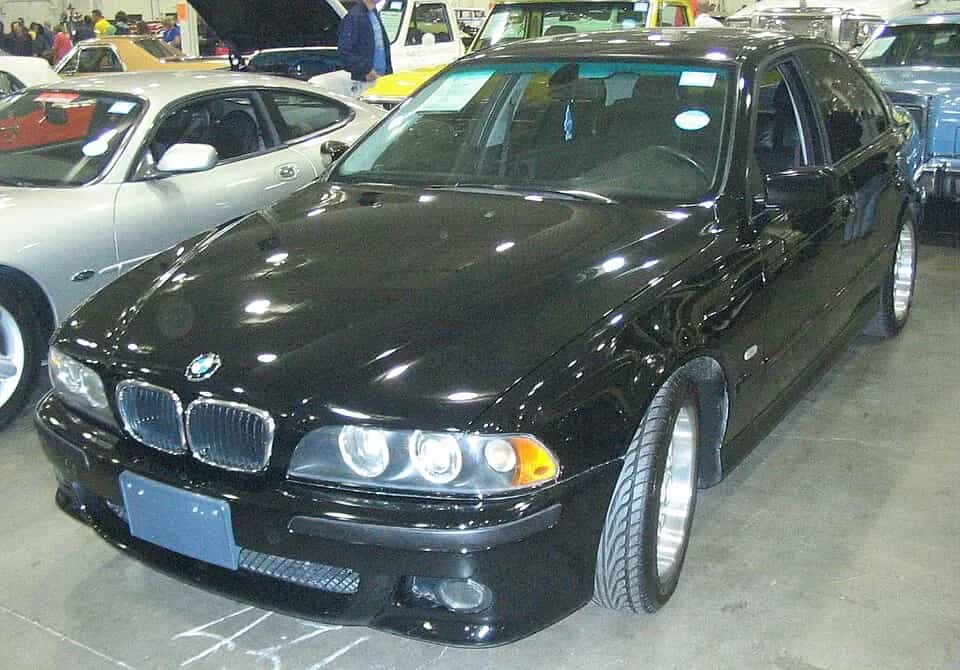
BMW 5 Series
Importing a used BMW 5 Series from the USA
Importing a BMW 5 Series from the United States can make real sense, particularly for the engine and equipment combinations that were common in America but rare in Germany. US-market 5 Series cars are typically well-optioned, often loaded with leather, technology and larger petrol engines, and the American used market is deep. As an independent broker for used US vehicles, USCar Trader handles these imports end to end. One point to be clear about from the start: most 5 Series sold in the US were built in Germany (primarily Dingolfing), so this is an origin='neutral' case — the customs rate depends on the actual build plant behind the VIN rather than being automatic. We cover exactly what that means below.

Production years and key changes
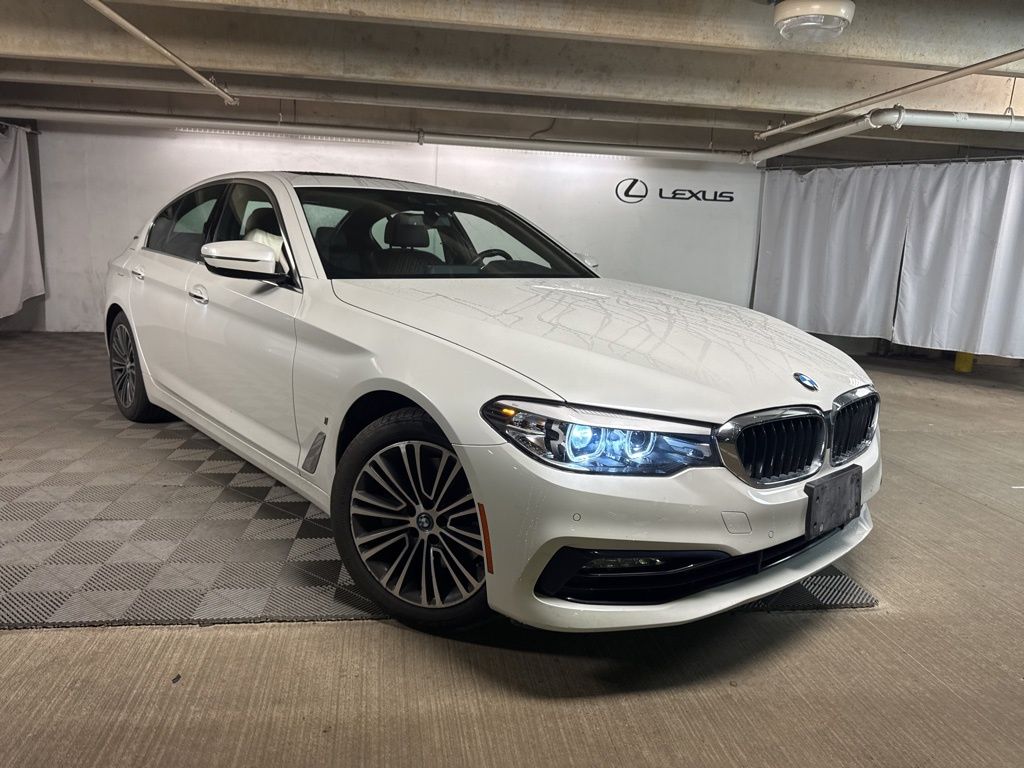
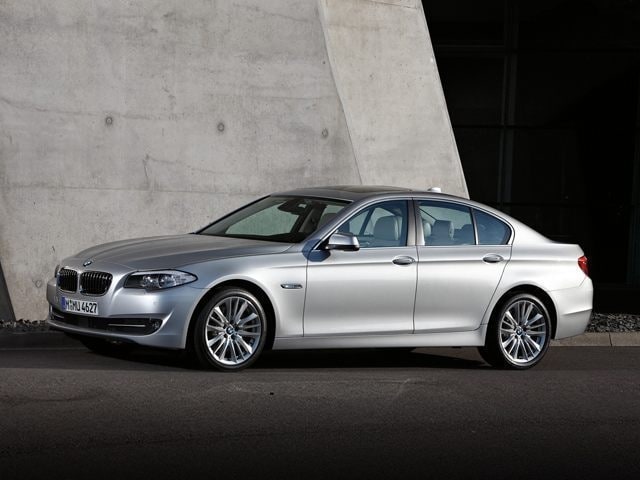
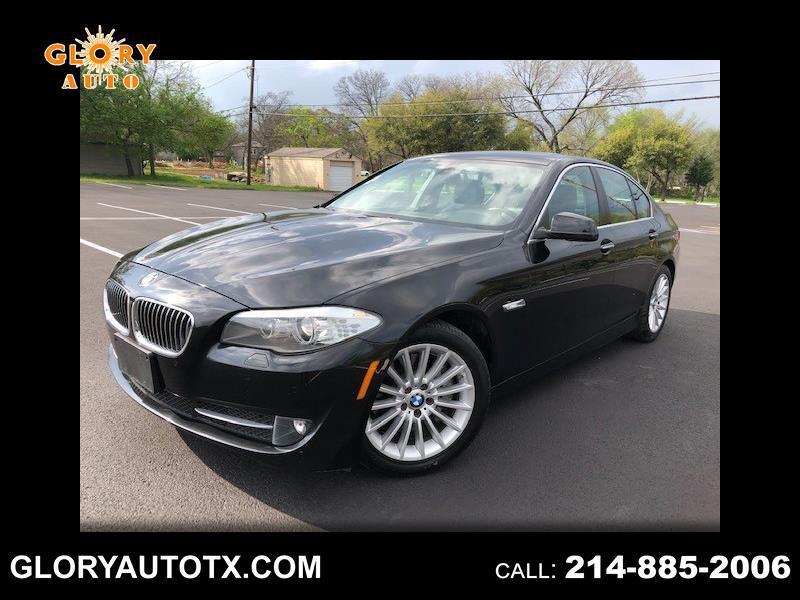
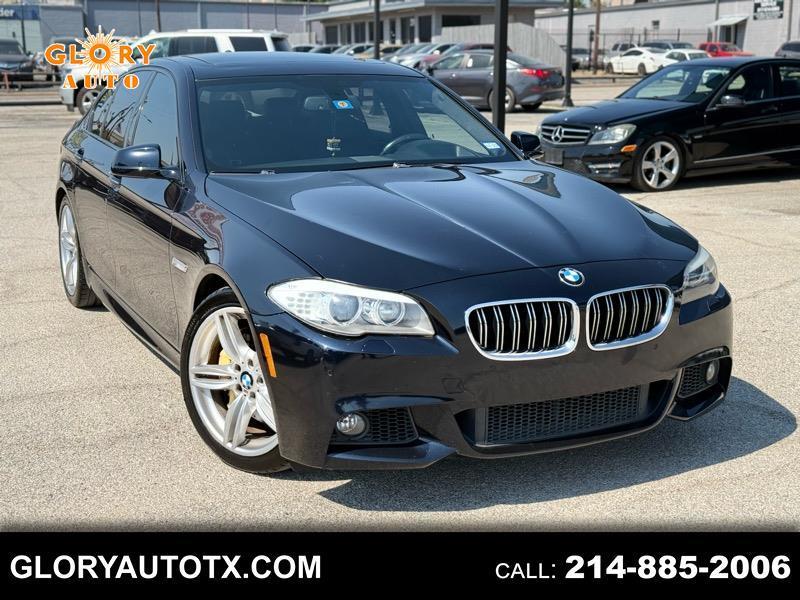
The generations most relevant to a US import today are the E60 (2004–2010), F10 (2011–2016), G30 (2017–2023) and the current G60 (2024 on). The E60 introduced the controversial Bangle styling and the first iDrive; it is now firmly in enthusiast/value territory. The F10 is the sweet spot for many importers — mature, comfortable and offered with a wide engine range. The G30 modernised everything with lighter construction, better efficiency and up-to-date driver assistance, and it is the generation most requested for daily use. Each generation also spawned the high-performance M5, built in far smaller numbers.
What is under the hood
US 5 Series engines are a big part of the appeal. On the F10, the 528i used the 2.0-litre N20 turbo four (around 240 hp), the 535i the 3.0-litre N55 single-turbo straight-six (around 300 hp), and the 550i the 4.4-litre N63 twin-turbo V8 (around 400–445 hp). Earlier F10 535i cars and E60 535i used the twin-turbo N54 six. A 535d diesel (N57) was also sold in the US. The G30 brought the modular B-series: the B48 2.0 turbo four (530i), the B58 3.0 turbo six (540i) and the N63-derived V8 in the M550i, plus the 530e plug-in hybrid. Rear-wheel drive is standard; BMW's xDrive all-wheel drive was widely optioned in the US, which is worth noting for German winters. Most cars use the ZF eight-speed automatic, which is smooth and durable.
Trims and body styles
In the US the 5 Series is almost always the sedan; the F10 also offered a Gran Turismo (5 GT) hatchback body. Rather than named trims, US cars are defined by their option packages — Premium, Luxury, M Sport, Driver Assistance, Executive — so two identically badged 535i cars can be equipped very differently. This is where a US import shines: high-spec cars with harman/kardon or Bang & Olufsen audio, night vision, adaptive cruise and full leather are common and often better equipped than a comparable German-market base car.
What the US market offers
Supply is plentiful across all recent generations, with strong concentrations in California, Texas and Florida — states that also offer the cleanest, rust-free bodies. Typical import candidates are five to twelve years old with 50,000 to 130,000 miles. Because the 5 Series was a popular lease and executive car in the US, well-maintained examples with documented dealer service are readily found. We verify every candidate through service records and a Carfax or AutoCheck history before it is bought.
Who this import is for
A US 5 Series suits the buyer who wants a specific engine and equipment combination — a loaded 535i or 550i, or a high-spec 540i xDrive — at a compelling total cost, and who values the American market's tendency toward generous options. It is a comfortable, capable executive saloon. Buyers who want the simplest maintenance should favour the naturally aspirated or single-turbo sixes and a full service file; those chasing outright performance can look at the M550i or M5.
Technical data and figures
| Attribute | Typical figures (US-market, F10/G30) |
|---|---|
| Body style | Executive sedan (F10 also 5 GT hatchback) |
| 528i / 530i | 2.0 L turbo I4 (N20 / B48), ~240–248 hp |
| 535i | 3.0 L turbo I6 (N55 / earlier N54), ~300–302 hp |
| 540i | 3.0 L turbo I6 (B58), ~335 hp |
| 550i / M550i | 4.4 L twin-turbo V8 (N63), ~400–456 hp |
| 535d | 3.0 L turbo-diesel I6 (N57), ~255 hp |
| 530e | 2.0 L turbo + electric plug-in hybrid |
| Transmission | 8-speed ZF automatic |
| Drivetrain | RWD or xDrive AWD |
| Length (G30) | approx. 4,936 mm |
| Width | approx. 1,868 mm |
| Wheelbase (G30) | approx. 2,975 mm |
| Kerb weight | approx. 1,600–1,900 kg |
| Fuel | Petrol (premium), diesel or PHEV |
| Origin | Neutral — mostly built in Germany (Dingolfing); confirm via VIN |
Reliability: trouble spots to check
The 5 Series is a rewarding car but demands informed buying. The N20/N26 turbo four is known for timing-chain and guide wear on earlier examples — verify chain service and listen on cold start. The N54 twin-turbo six (early 535i) can suffer high-pressure fuel-pump and wastegate issues; the later N55 is generally more robust. The N63 V8 in the 550i is powerful but maintenance-heavy: valve-stem seals, oil consumption and battery/electrical draw are known items, and BMW ran a 'customer care' program addressing several. Across the range, oil leaks from the valve-cover gasket and oil-filter-housing gasket are common with age, as are cooling-system parts (water pump, thermostat) and, on E60s, iDrive and electronic gremlins. The ZF eight-speed is durable if its fluid is serviced. The lesson is simple: buy on documented history, not on badge.
US vs. Europe differences
US 5 Series cars run amber rear turn signals and no rear fog lamp, both corrected at the TÜV stage. Headlights are US-specification and usually need ECE units or beam adjustment; US cars also default to mph, psi tyre pressures and US navigation maps and radio bands. Some US safety equipment and DRL logic differ from ECE. Mechanically the cars are the same platform sold worldwide, so the compliance work is limited and well understood for BMWs.
How the import works
We agree the exact generation, engine and options you want and locate suitable cars. A VIN and origin check confirms the build plant and specification — important here because it drives the customs rate. Payment runs through escrow. The car is booked onto ocean freight (container or RoRo) to a port such as Bremerhaven. On arrival we handle customs clearance, then arrange TÜV inspection and, if no valid CoC exists, individual approval (§21 StVZO), and finally German registration.
Import duty, VAT and fees
Bottom line: what matters is the factory shown by the VIN – proven US origin unlocks 0% duty. The 19% import VAT always applies.
Because the 5 Series is origin='neutral', we treat customs on a per-VIN basis and always state the two charges separately. Import duty: the 0% preference under Regulations (EU) 2026/1455 and 2026/1461 applies only where the vehicle's US origin is provable (VIN/plant), transport is direct and the shipment falls within the window (in force since 1 July 2026, until 31 December 2029). Most US-market 5 Series cars are built in Germany, so they will usually not meet the US-origin test, and the standard EU import duty for passenger cars then applies. We never promise duty-free status. Separately, the 19% German import VAT (Einfuhrumsatzsteuer) always applies on the customs value plus freight, regardless of origin. As a broker we charge no vehicle margin.
From modifications to registration
Typical 5 Series changes for approval are ECE-compliant headlights or beam adjustment, adding a rear fog lamp and adapting rear indicators to amber where required. The odometer is documented in miles. If a European CoC can be obtained for the exact type, registration is simpler; otherwise the individual approval route verifies lighting, brakes, emissions and dimensions before the papers are issued.
Pre-buy inspection points
- Decode the VIN to confirm the exact engine, options and build plant.
- Pull a Carfax or AutoCheck report for accidents, title and odometer history.
- Demand full service records — chain service (N20), HPFP history (N54), oil-service intervals.
- Confirm the title is clean (not salvage/rebuilt) and matches the seller.
- Check for oil leaks (valve cover, filter housing) and cooling-system condition.
- On a test drive, watch for cold-start rattle, turbo lag/whine and smooth ZF shifts.
- Inspect the underbody on any northern-state car.
What buyers ask most
Is the BMW 5 Series reliable enough to import?
Yes, when bought on documented history. The single-turbo sixes and B58 are strong; the N20 four and N63 V8 need proof of their specific maintenance items. Buy the history, not the badge.
Which US 5 Series engines are best to import?
The 535i (N55), 540i (B58) and the diesel 535d offer a good balance of performance and durability. The 550i V8 is thrilling but maintenance-intensive.
Does a used 5 Series qualify for 0% EU import duty?
Usually not, because most US-market 5 Series are built in Germany, not the USA. Duty depends on the actual plant behind the VIN; the 0% preference applies only with provable US origin.
Do I still pay VAT?
Yes. The 19% German import VAT (Einfuhrumsatzsteuer) always applies on the customs value plus freight, whatever the duty outcome.
Why import from the US at all if duty may apply?
US cars are often better equipped and available in engine/spec combinations that were rare here, which can make the total package attractive even before considering pricing.
What are the most common 5 Series problems?
Timing-chain wear (N20), fuel-pump issues (N54), N63 V8 oil consumption and valve-stem seals, gasket oil leaks and cooling-system parts with age.
What TÜV changes are needed?
Typically ECE headlights or beam adjustment, a rear fog lamp and amber rear indicators, then registration via CoC or individual approval.
How long does the import take?
From purchase to German plates, usually around eight to twelve weeks depending on sailing and TÜV scheduling.
To get started, browse BMW in the Carhub, compare the smaller BMW 2 Series and the flagship BMW 8 Series, or view current BMW 5 Series listings.